 A Usnighthawk guide
Do Night Vision Goggles Work in Complete Darkness?
Night vision goggles require at least minimal infrared light to amplify in complete darkness, though thermal models work differently.
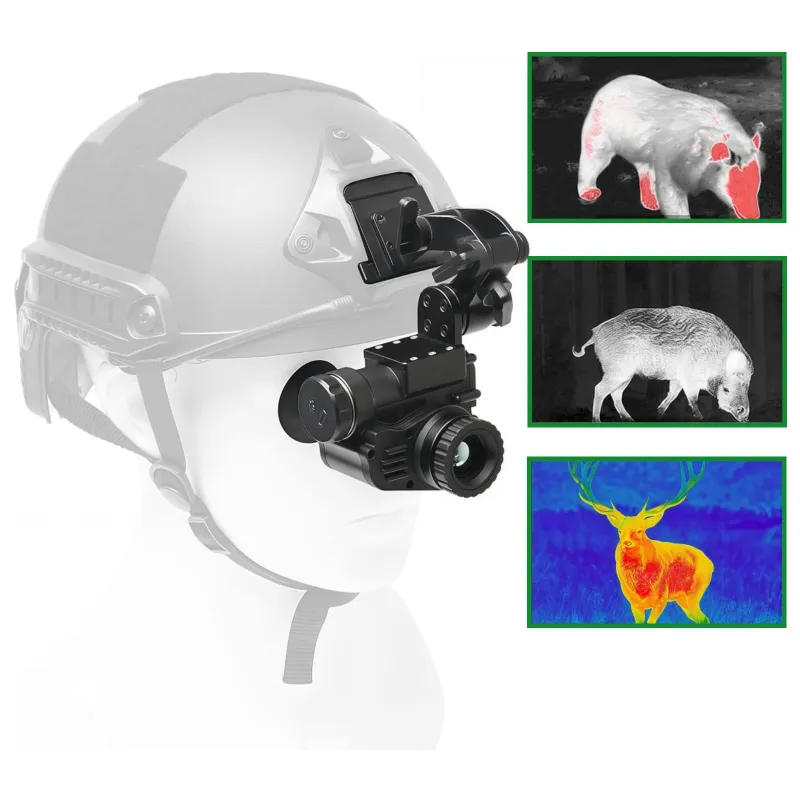
Traditional night vision goggles need at least some infrared light to function, so they cannot work in absolute darkness without an IR illuminator. Most environments we call “complete darkness” still contain traces of starlight, moonlight, or ambient infrared radiation that image intensifier tubes can amplify. Thermal imaging devices operate on an entirely different principle, detecting heat signatures rather than light, which makes thermal binoculars effective even in zero-light conditions.
How Traditional Night Vision Amplifies Light
Standard night vision goggles rely on image intensifier tubes that collect photons from available light sources, including invisible near-infrared wavelengths. The tube converts these photons into electrons, amplifies them thousands of times, then projects the resulting image onto a phosphor screen that glows green. This process requires some photon input to begin with.
In a windowless basement or deep cave with zero light penetration, however, the image goes black. That’s where built-in or external infrared illuminators become essential. These emit IR light invisible to the human eye but perfectly visible to the night vision sensor, effectively “lighting up” the scene.
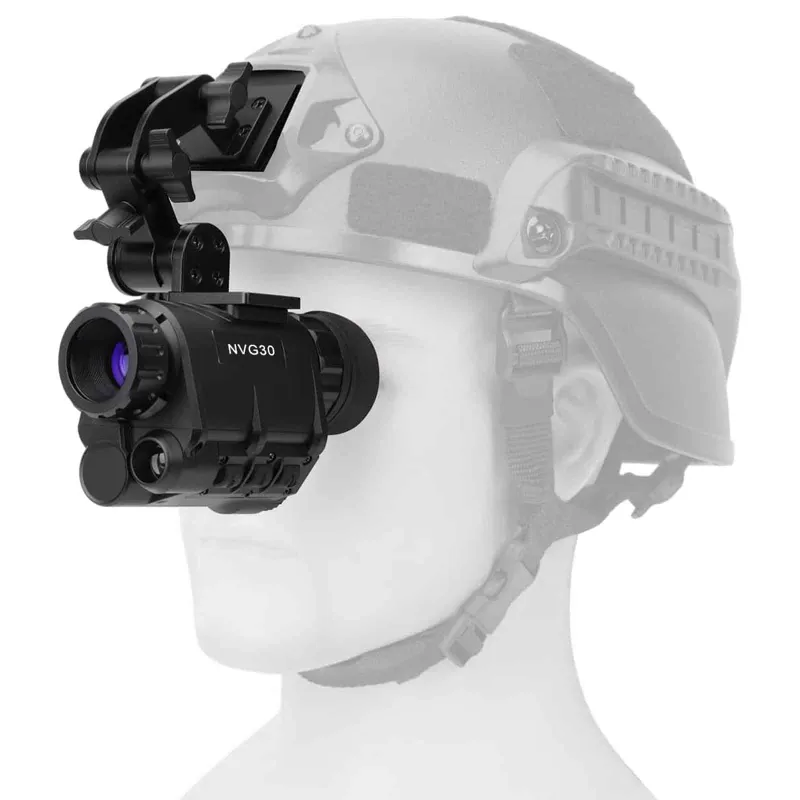
Most nvg night vision units designed for hunting, surveillance, or tactical use include an integrated IR illuminator for exactly this reason. Check the latest price to see current models with this feature.
Thermal Imaging vs. Image Intensification
Thermal devices detect infrared radiation emitted by objects based on their temperature, not reflected light. A person, animal, or warm vehicle produces a heat signature that shows up clearly on thermal sensors regardless of ambient light conditions. This makes thermal technology ideal for search and rescue, predator hunting, or border patrol in total darkness.
We’ve compared the two technologies across multiple scenarios:
| Technology | Light Requirement | Best For | Typical Range |
|---|---|---|---|
| Image Intensifier | Starlight or IR illuminator | Detail recognition, terrain navigation | 200-400 yards |
| Thermal | None | Heat detection, tracking | 300-1000+ yards |
Thermal binoculars cost significantly more than traditional night vision but offer unmatched performance when zero light is available. For budget-conscious buyers, a quality image-intensifier model with a good IR illuminator delivers excellent results at a fraction of the cost. Grab the code for 10% off either option.
Generation and Performance in Low Light
Night vision device generations directly impact how much ambient light the tube needs to produce a usable image. Gen 1 devices require more light and benefit heavily from IR illuminators in dim conditions. Gen 2 and Gen 3 tubes amplify light 30,000 to 50,000 times, allowing them to function under starlight alone in most outdoor environments.
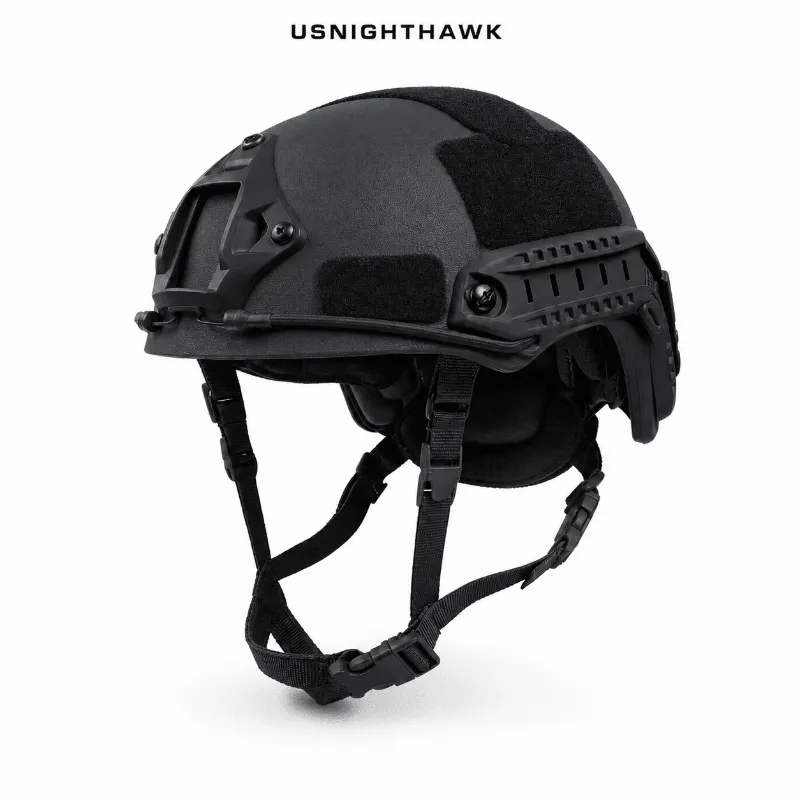
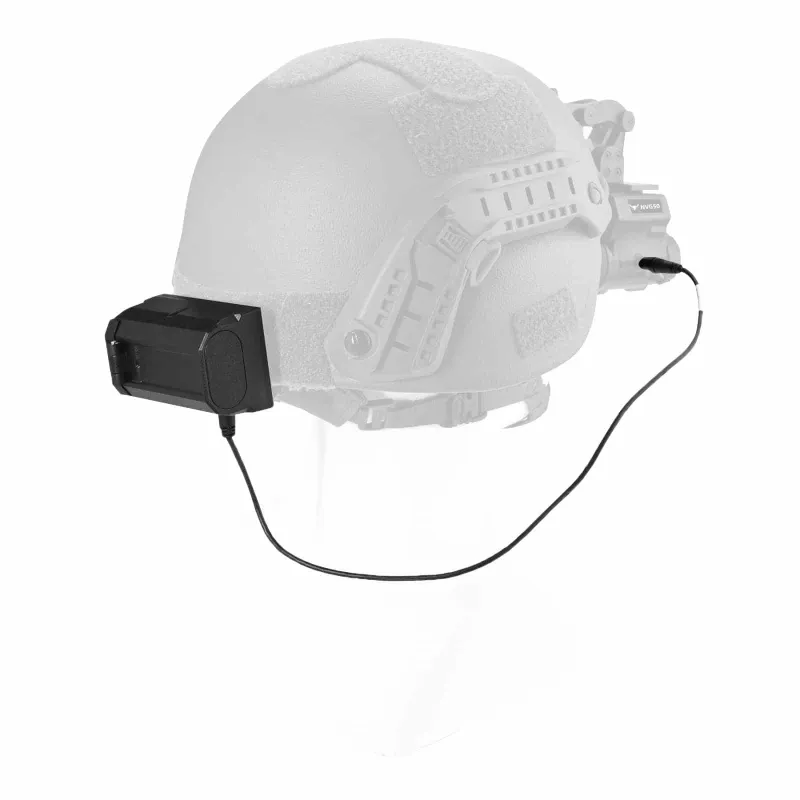
Military-grade Gen 3+ tubes, found in high-end units paired with a fast bump helmet, can operate in near-total darkness outdoors. Even these advanced systems struggle in sealed indoor spaces without supplemental IR lighting. Understanding how night vision works helps set realistic expectations based on your intended use.
For hunting applications where you need to identify targets at distance, generation matters more than any other spec. A Gen 2+ or Gen 3 device gives you the light sensitivity to spot game in heavy timber or overcast nights when a Gen 1 unit would show only shadows.
Practical Considerations for Hunters and Outdoors Use
Here’s what makes the difference in real-world use:
- Built-in IR illuminators extend effective range in low light but can spook game or give away your position
- Separate IR lights mounted on a rifle or helmet offer more power and can be toggled independently
- Objective lens size determines how much light reaches the tube; larger lenses gather more photons
- Tube generation sets the baseline sensitivity and resolution you’ll achieve
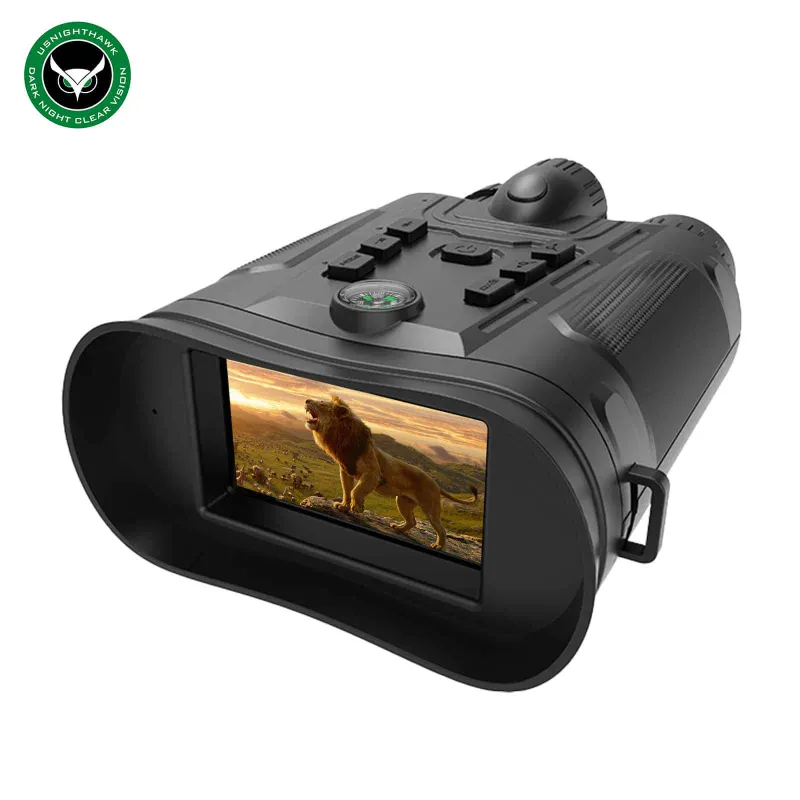
Many hunters prefer binoculars night vision binoculars for glassing terrain before moving, then switch to monocular goggles when navigating. The binocular format provides depth perception and reduces eye fatigue during extended observation sessions.
If you’re new to night vision, a mid-tier Gen 1+ or Gen 2 device with a quality IR illuminator covers 90% of hunting and recreational scenarios. High-end thermal or Gen 3+ systems make sense for professionals or serious enthusiasts who operate in the most challenging conditions. Browse options and check current pricing to find what fits your budget.
Choosing Between Night Vision and Thermal
Your decision hinges on mission profile and budget. Thermal excels at detection, you’ll spot heat signatures through light fog, brush, and total darkness. Traditional night vision provides better image detail for navigation, facial recognition, and terrain assessment when any ambient or infrared light is present.
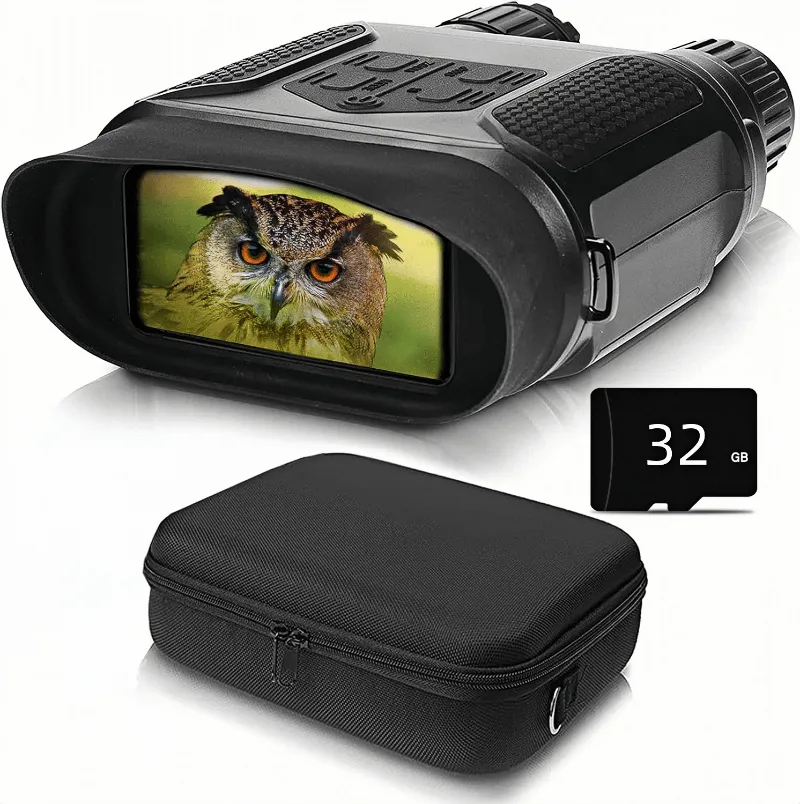
For all-around versatility, we recommend starting with a Gen 2 or Gen 2+ image intensifier device that includes an IR illuminator. This combination handles everything from starlit hikes to moonless predator hunts. Pair it with quality day optics like the explore scientific g400 series 8×42 binoculars for a complete 24-hour observation kit.
As you gain experience, you can add thermal capability to cover the gaps where image intensification hits its limits. Many professionals run both systems, thermal for detection and scanning, night vision for detailed observation and movement. US Night Vision offers insight into how professionals configure multi-system setups for demanding environments.
Maximizing Performance in Near-Zero Light
When you’re working in the darkest conditions short of absolute blackness, these techniques help squeeze maximum performance from your gear:
- Allow time for tube warm-up in cold weather; phosphor screens perform best after a few minutes of operation
- Use the lowest IR illuminator setting that provides a usable image to preserve battery and avoid overexposure
- Adjust gain settings if your device offers manual control; lower gain in brighter areas prevents blooming
- Keep objective lenses clean; even a thin film of dust or moisture blocks precious photons
Remember that “complete darkness” rarely exists outdoors. Even heavily overcast nights provide enough starlight for Gen 2+ or Gen 3 devices to deliver a clear green image. When you genuinely need to operate in sealed spaces or underground, budget for a model with a powerful IR illuminator or consider thermal technology as the more effective solution.
Questions
Do night vision goggles need any light to work?
Yes, traditional image-intensifier night vision goggles require at least trace amounts of ambient light (starlight, moonlight) or an infrared illuminator to function. Thermal devices work differently and detect heat rather than light, so they operate in zero-light environments.
Will infrared illuminators work in total darkness?
Infrared illuminators emit IR light that is invisible to the human eye but visible to night vision devices, effectively lighting up a completely dark scene. Most modern night vision goggles include a built-in IR illuminator for this purpose.
Can thermal binoculars see in pitch black?
Yes, thermal binoculars detect heat signatures rather than light, so they function perfectly in absolute darkness. They excel at spotting people, animals, and warm objects regardless of ambient light conditions.
What generation night vision works best in low light?
Gen 2+ and Gen 3 tubes offer 30,000 to 50,000x light amplification and work well under starlight alone. Gen 1 devices require more ambient light or rely heavily on IR illuminators in very dim conditions.
Do night vision goggles for hunting need IR illuminators?
Most hunting scenarios provide enough ambient light for Gen 2+ devices to operate without IR. However, an IR illuminator extends range and clarity in dense cover or moonless nights, though it may spook some game or reveal your position.
Which is better for complete darkness, night vision or thermal?
Thermal imaging is superior in absolute darkness because it detects heat rather than light. Traditional night vision provides better detail and costs less but requires at least minimal light or an IR illuminator to function.
Products in this guide
 Shopping at Usnighthawk? See the discount code
10% OFF All Orders
Shopping at Usnighthawk? See the discount code
10% OFF All Orders
More in this series
How Long Do Night Vision Goggles Last with Proper Care?7 Aug 20265 minExplore Scientific G400 Series 8X42 Binoculars Review: Worth the Investment?7 Aug 20264 minHow to Mount Night Vision Devices on a FAST Bump Helmet7 Aug 20264 minNVG30 vs NVG50: Which Night Vision Device Is Right for You?7 Aug 20266 minHow to Choose Between Night Vision and Thermal Binoculars for Hunting7 Aug 20264 min