 A Usnighthawk guide
How to Mount Night Vision Devices on a FAST Bump Helmet
A fast bump helmet is the go-to platform for mounting night vision goggles and other NVDs in the field, but getting the setup right takes more than just clipping something on.
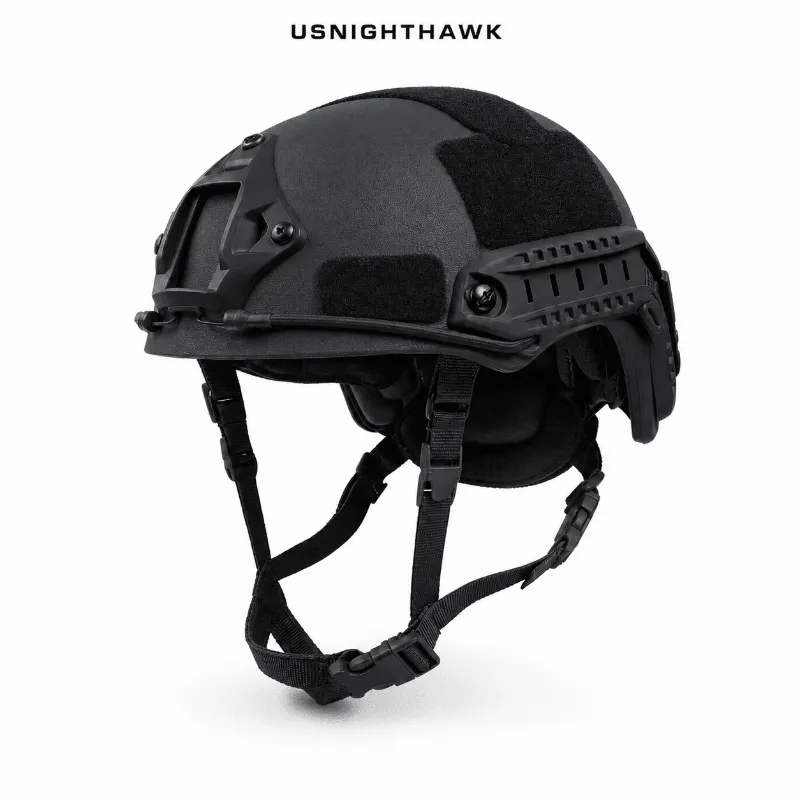
A fast bump helmet is the go-to platform for mounting night vision devices, and pairing one with the right NVG makes a genuine difference in low-light performance. This guide covers the mounts, devices, and steps that actually work so you can build a reliable setup from the start.
What Is a Fast Bump Helmet and Why It Matters for NVGs
The Future Assault Shell Technology helmet design originated as a lightweight, non-ballistic shell built for comfort and equipment integration rather than ballistic protection. The ops-core fast bump high cut profile keeps weight low and ears clear, which is why it became the default choice for anyone running nvg night vision devices at night.
A fast bump helmet non-ballistic build is intentional. You trade hard armor for a shell that sits lighter on your head during long ops, integrates accessory rails seamlessly, and keeps your center of gravity manageable when a monocular or dual-tube device is attached up front. That trade-off is worth it when your priority is vision, not fragmentation protection.
Key design features to look for:
- NVG shroud welded or bolted to the front of the shell (NATO STANAG or Wilcox pattern)
- Side rail system for lights, cameras, or counterweights
- OCC-Dial or BOA fitband for repeatable sizing under load
- 4-point chin strap to keep the helmet stable when a heavy device shifts your balance
Choosing the Right Night Vision Device for Your Helmet
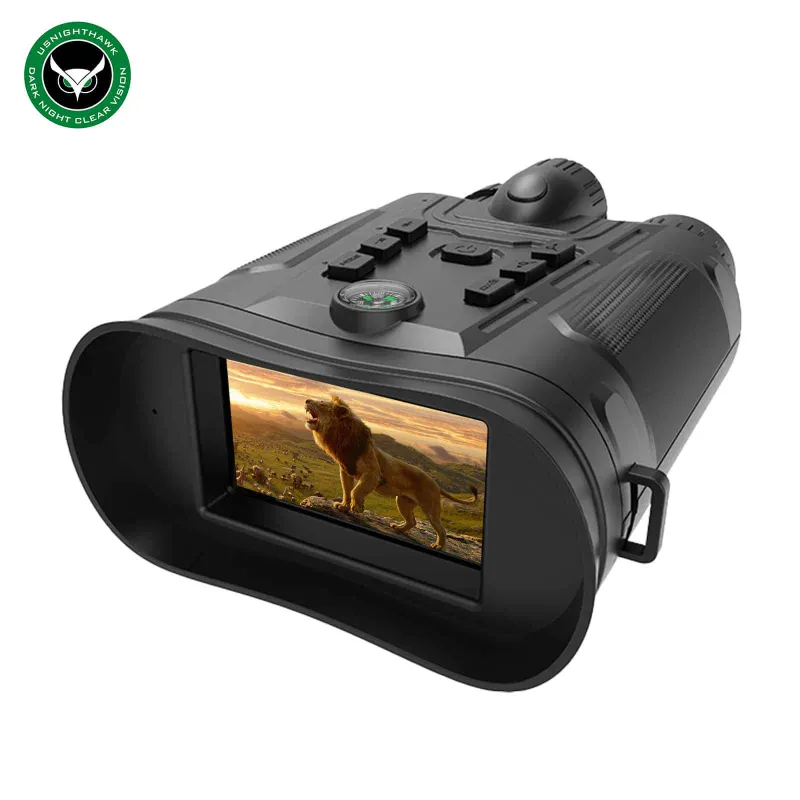
Not every night vision goggles unit mounts the same way or balances the same on your head. Before you buy, match the device to the shroud pattern on your helmet and think about the weight at the front.
| Device | Mount Type | Best Use |
|---|---|---|
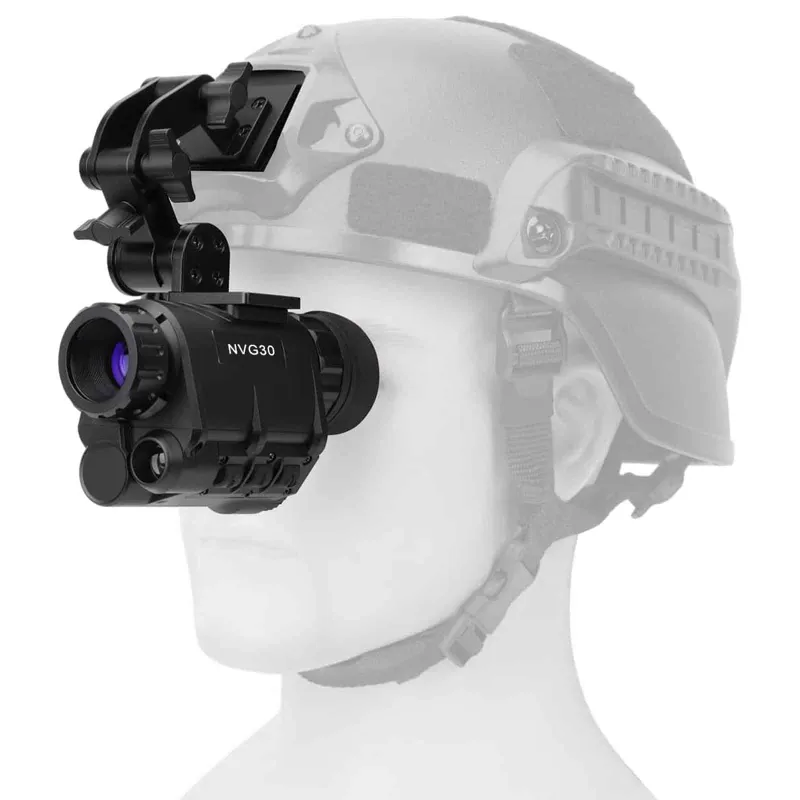
| nvg30 | J-arm / dovetail | Patrol, general use |
| nvg50 | J-arm / dovetail | Extended ops, longer battery |
| Dual-tube goggles | Wilcox-style shroud | Wide FOV, depth perception |
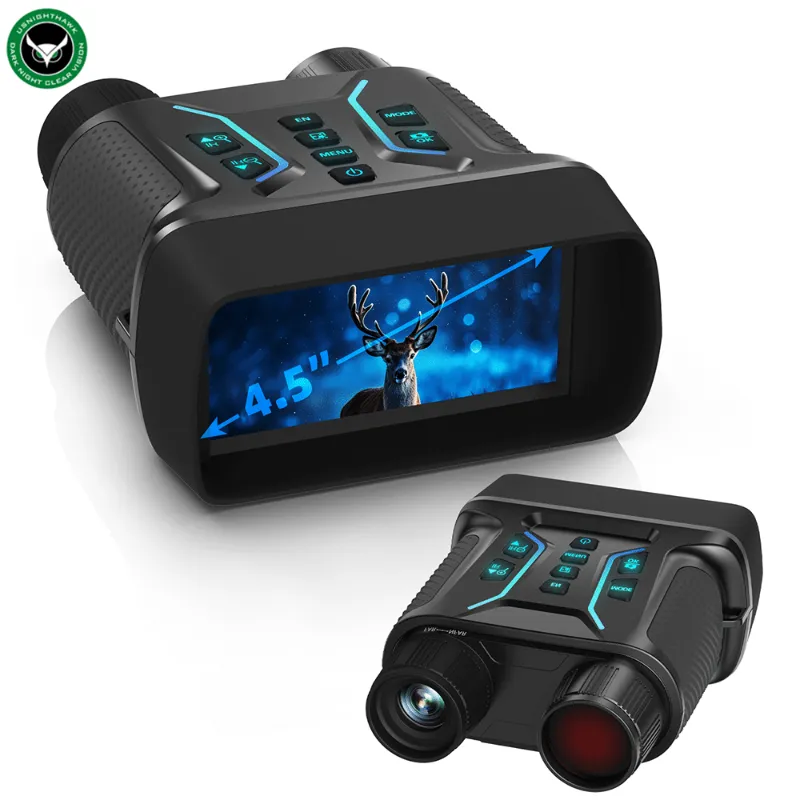
| nite vision binoculars | Handheld or tripod | Observation, not helmet-mounted |
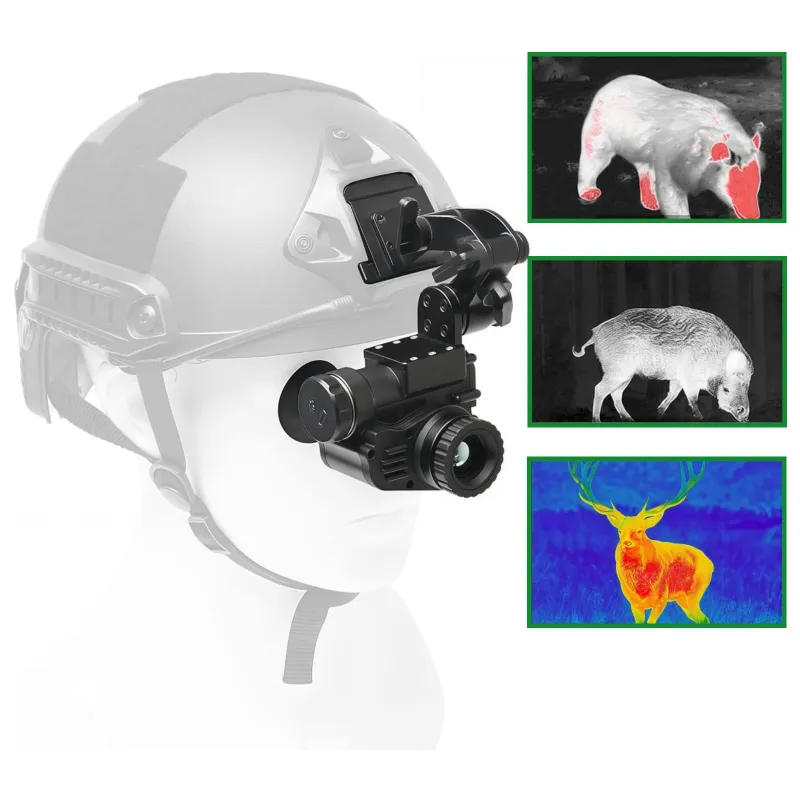
For helmet-mounted use, monoculars and purpose-built nvg night vision units with a standard J-arm interface are the most practical. Handheld units like binoculars night vision binoculars or thermal binoculars serve a different role: they are better suited to static observation or vehicle use than to a bump helmet setup.
How to Mount a Night Vision Device on a Fast Bump Helmet
This is a straightforward process once you have a shroud-equipped shell and a compatible J-arm on your device.
- Confirm shroud compatibility. Most ops-core fast bump helmets ship with a standard NVG shroud. Check whether it takes a Wilcox, L4, or aftermarket J-arm before you order a device.
- Attach the J-arm to the device. Slide the arm into the device’s dovetail receiver and tighten the retention screw finger-tight, then snug it with a tool. Do not over-torque.
- Mount the arm to the shroud. Align the J-arm’s top hook with the shroud’s cross-bolt, pivot the arm down, and engage the retention button or set-screw until it clicks.
- Set the tilt angle. Most J-arms have a friction hinge. Rotate the device to your preferred eye relief angle and lock it.
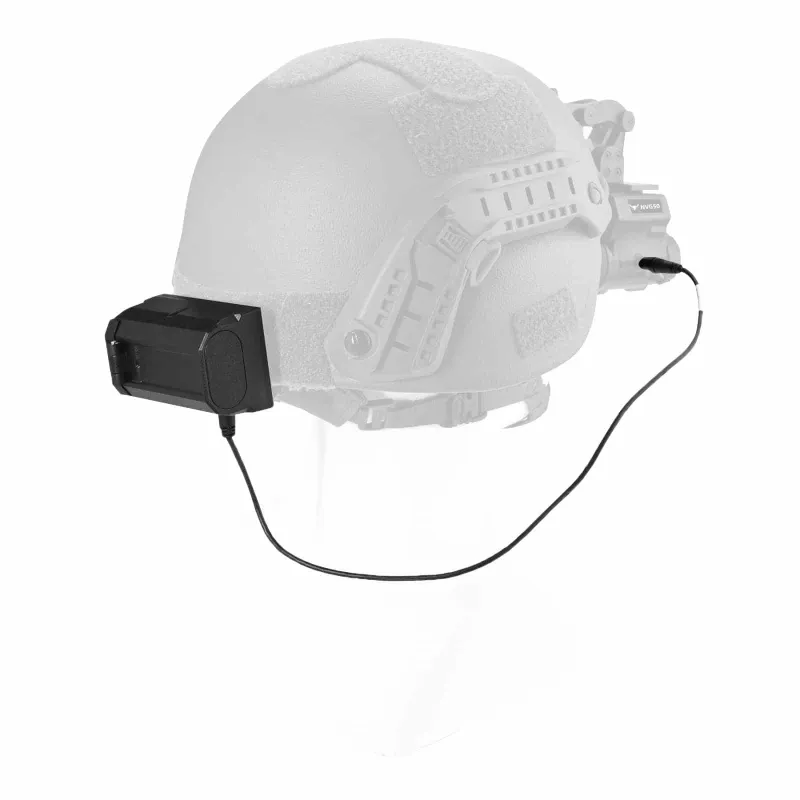
- Balance the helmet. A single monocular creates front-heavy bias. Add a counterweight pouch to the rear rail if the helmet tips forward under movement.
- Run a function check. Power the device on, confirm image clarity, then nod your head sharply several times to verify the mount does not shift.
For a reference on how the ops-core fast bump fits and what the shroud looks like in practice, the Fast Bump Helmet | Ops-Core Helmet page shows the physical layout clearly.
Sizing and Fit: Getting It Right Before You Mount Anything
A poorly fitted helmet will shift under the weight of an NVG, making accurate aiming impossible and causing neck fatigue fast. Size your shell before you think about mounting hardware.
- Measure your head circumference at the widest point above the ears
- Adjust the OCC-Dial or BOA fitband until the helmet sits level and does not rock side to side
- The chin strap should take two fingers underneath it when buckled
- Team Wendy bump helmet pads or aftermarket pad systems can fine-tune the fit if your head falls between sizes
Once fit is locked, the mount work stays put. A loose helmet is the most common reason NVDs wander off zero.
What About Thermal and Observation Optics?
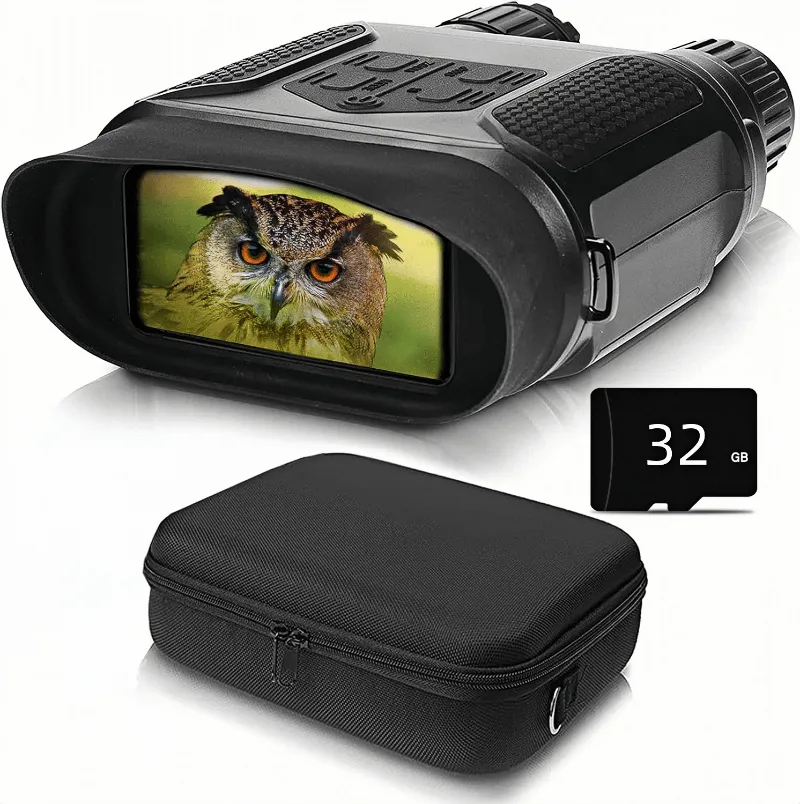
Thermal binoculars and units like the explore scientific g400 series 8×42 binoculars are not designed for helmet mounting, and that is fine. They fill a different role: longer-range observation, scanning a perimeter, or vehicle use where you need both hands free to hold a larger optic.
If you run a helmet-mounted monocular as your primary navigation device, a handheld thermal or high-quality optical binocular as a secondary makes a solid two-layer system. The helmet NVD handles movement; the handheld handles identification at distance.
Care and Maintenance for Your Helmet and Mounted Devices
A fast bump helmet shell needs less maintenance than a ballistic lid, but the mount hardware needs regular attention.
- Inspect the shroud cross-bolt before every use. Vibration and repeated stowing loosen it over time.
- Check the J-arm retention after any impact or drop.
- Clean the shell with mild soap and water. Avoid solvents near the fitband foam.
- Store devices dismounted when not in use to reduce fatigue on the mount interface.
- Replace worn pad sets annually or when compression is noticeable.
Where to Buy and How to Save
US Nighthawk stocks the fast bump helmet alongside compatible NVDs including the nvg30 and nvg50. Before you check out, grab the code at our discount page for 10% off your order. If you are still comparing options or want to see current pricing on bundles, check the latest deals before you commit.
Questions
Does a fast bump helmet work with all NVG mounts?
Most fast bump helmets ship with a standard NVG shroud that accepts common J-arm interfaces like the Wilcox L4. Always verify the shroud pattern on your specific shell matches the mount on your device before purchasing.
What is the difference between the NVG30 and NVG50?
Both the nvg30 and nvg50 use a compatible J-arm interface for helmet mounting. The nvg50 is generally designed for extended use with a larger battery capacity. Check the product pages for current specs and pricing.
Can I mount thermal binoculars on a bump helmet?
Thermal binoculars are handheld observation tools and are not designed for helmet mounting. They are better used as a secondary optic alongside a helmet-mounted monocular.
Is a fast bump helmet bulletproof?
No. An ops-core fast bump is a non-ballistic helmet designed for lightweight equipment integration and impact protection. It is not rated for ballistic protection.
How do I stop my helmet from tipping forward with night vision goggles attached?
Add a counterweight to the rear rail of the helmet to offset the front-heavy load from the night vision goggles. Proper fitband adjustment also helps keep the helmet level under movement.
Where can I find a discount code for US Nighthawk helmets and NVDs?
We maintain a current code on our US Nighthawk discount page that applies to all orders including helmets and night vision devices.
Products in this guide
 Shopping at Usnighthawk? See the discount code
10% OFF All Orders
Shopping at Usnighthawk? See the discount code
10% OFF All Orders
More in this series
How Long Do Night Vision Goggles Last with Proper Care?7 Aug 20265 minExplore Scientific G400 Series 8X42 Binoculars Review: Worth the Investment?7 Aug 20264 minDo Night Vision Goggles Work in Complete Darkness?7 Aug 20264 minNVG30 vs NVG50: Which Night Vision Device Is Right for You?7 Aug 20266 minHow to Choose Between Night Vision and Thermal Binoculars for Hunting7 Aug 20264 min