 A Usnighthawk guide
How to Choose Between Night Vision and Thermal Binoculars for Hunting
Choosing between binoculars night vision binoculars and thermal binoculars comes down to your hunting conditions, budget, and what you actually need to see in the dark.
Binoculars Night Vision Binoculars vs Thermal: What Hunters Need to Know
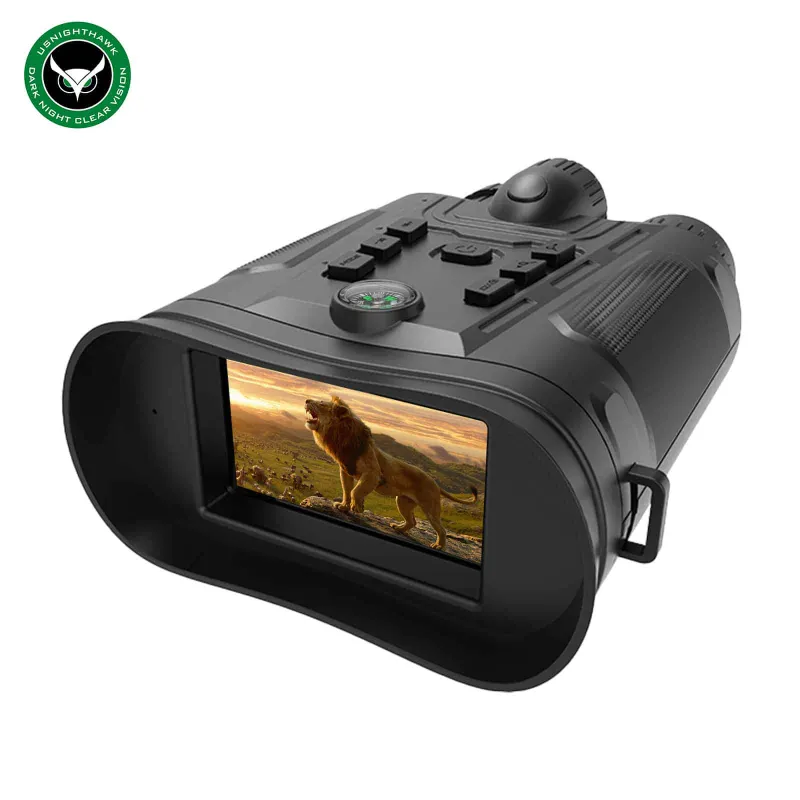
Choosing the right binoculars night vision binoculars for hunting comes down to two fundamentally different technologies, each with a clear use case. Night vision amplifies available light so you see a detailed, real-world image in low-light conditions. Thermal detects heat signatures, making it effective even in total darkness, fog, or through light brush. Get this choice wrong and you’ll be carrying gear that underperforms when it counts. You can find the current code on our Usnighthawk discount code page.
—
How Night Vision Binoculars Actually Work
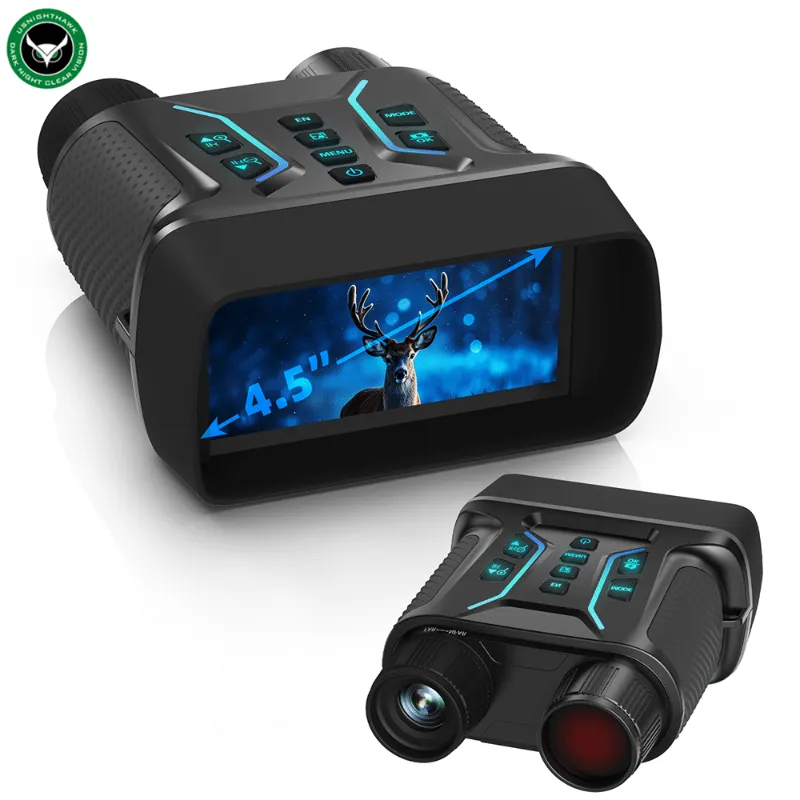
Traditional nite vision binoculars use image intensifier tubes or digital sensors to amplify ambient light, whether from the moon, stars, or an IR illuminator. The result is a green- or black-and-white image with fine spatial detail, letting you read terrain, identify animal species, and judge antler size at distance.
Key things to understand about night vision optics:
- Generation matters. Gen 1 is budget-friendly but has shorter range and more distortion. Gen 2 and Gen 3 offer better resolution and tube life. For a deep look at how the generations stack up, this breakdown of the best digital night vision binoculars covers the specs well.
- IR illuminators extend range in truly dark environments where there’s no ambient light to amplify.
- Digital vs. tube-based. Digital night vision is more affordable and records video, but analog tubes still lead on image clarity and low-light sensitivity.
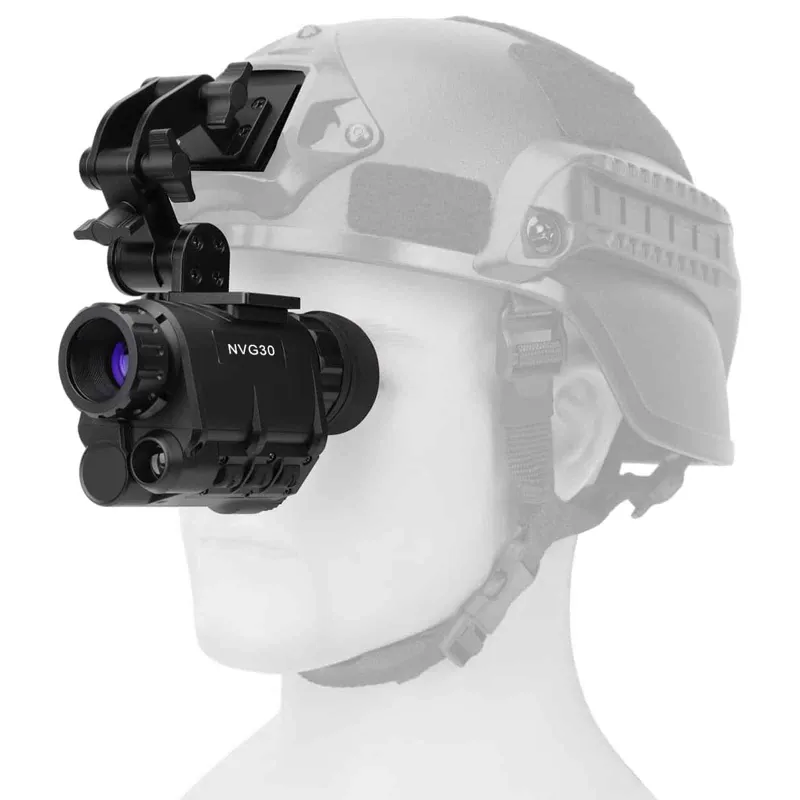
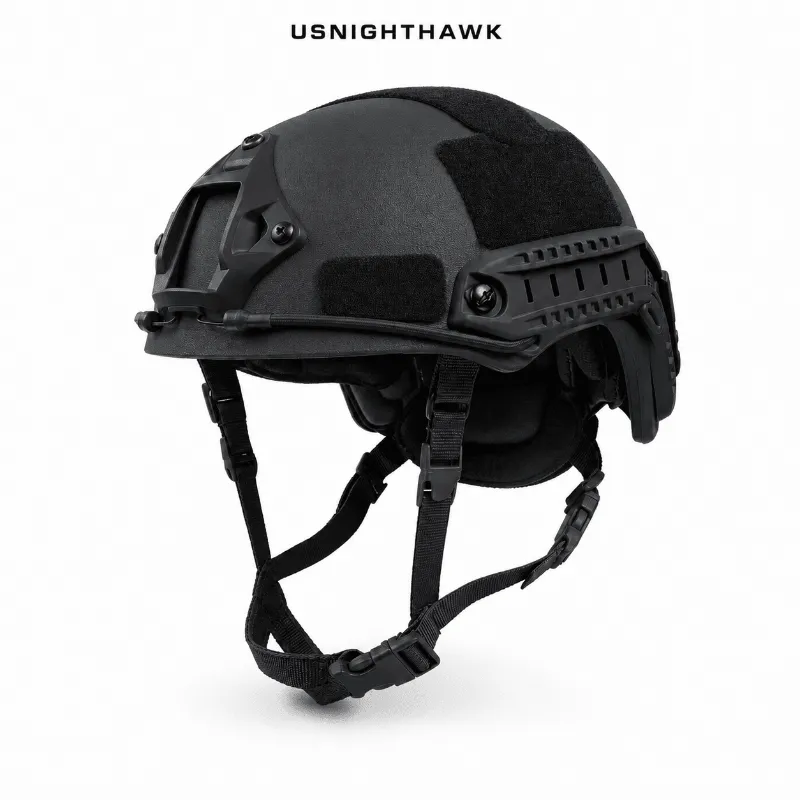
If you want a dedicated nvg night vision device that mounts to a helmet for hands-free use, the nvg50 and nvg30 are purpose-built options worth looking at. Both pair well with a fast bump helmet if you need a head-mounted setup for stalking or predator hunting at night.
—
How Thermal Binoculars Work
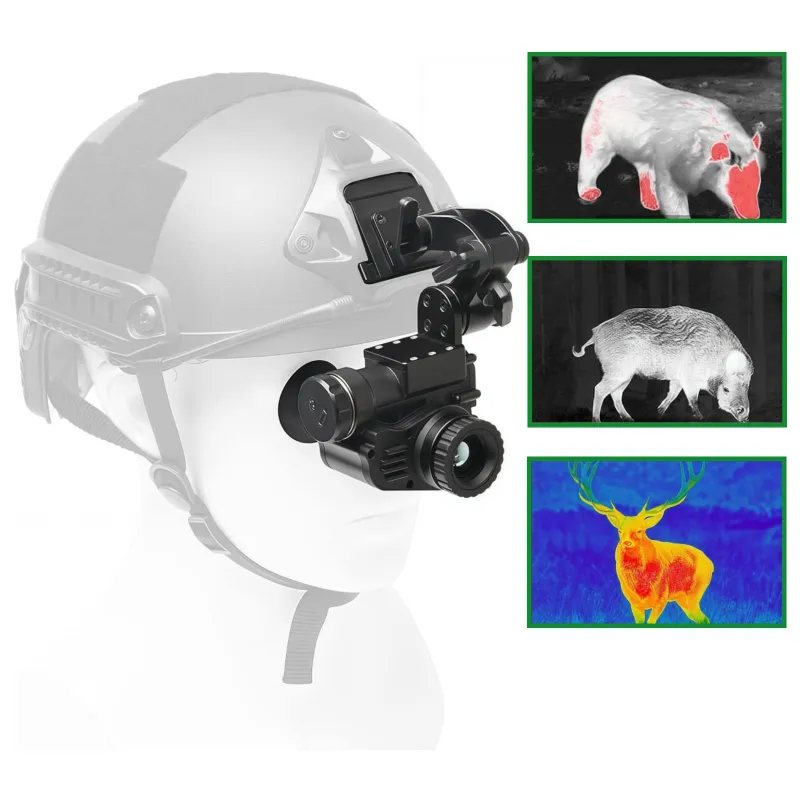
Thermal binoculars read infrared heat radiation rather than reflected light. Every warm-bodied animal glows against the cooler background, day or night, rain or shine. You won’t see fine detail like coat color or exact antler points, but you will spot a deer bedded in a brush pile that night vision might miss entirely.
Why hunters choose thermal:
- Works in complete darkness, no IR illuminator needed
- Cuts through light fog, dust, and haze better than image intensifiers
- Excellent for initial detection and scanning large fields or treelines fast
- Helps with wounded game tracking since blood and body heat both show up
Compare current prices on the store before you choose. With thermal you also lose the natural image detail that lets you positively identify a target.
—
Night Vision vs Thermal: Side-by-Side Comparison
| Factor | Night Vision Binoculars | Thermal Binoculars |
|---|---|---|
| Detection in total dark | Needs IR illuminator | Yes, no light needed |
| Animal ID / detail | High | Low to medium |
| Fog / rain performance | Reduced | Better |
| Typical cost | See store | See store |
| Daytime use | No | Some units, yes |
| Recording / digital features | Check the specs | Check the specs |
If you are scanning large open areas at night for predators or feral hogs, thermal shows heat at a glance. For hunters who need to positively identify a target before shooting, night vision delivers the detail that thermal cannot.
—
Which Setup Suits Which Hunter
Choose night vision if you:
- Hunt in areas with some ambient light (moon, stars, open fields)
- Need to make positive species or target identification
- Are hunting whitetail or elk where shot selection is strict
- Want to compare price points (check the store)
Choose thermal if you:
- Run predator or hog hunts where fast detection matters more than detail
- Hunt in heavily wooded or foggy terrain
- Already own night vision and want to add a detection layer
- Need to track wounded game after dark
You can also run both: thermal to find the animal, night vision to confirm it. Pairing a quality nvg night vision device with a set of thermal binoculars gives you a complete low-light system.
—
What About Standard Daytime Binoculars?
If you’re hunting at dawn or dusk rather than full dark, a high-quality daytime optic with excellent light transmission can be enough. The explore scientific g400 series 8×42 binoculars are worth considering here. The 8×42 configuration balances magnification, field of view, and the large objective lens that pulls in light at first and last light.
For a broader look at how top optics compare across categories, Digital Camera World’s guide to the best night vision goggles and binoculars is an independent reference.
—
Where to Buy Usnighthawk Gear
Usnighthawk carries night vision goggles, dedicated NVG devices, thermal options, and daytime optics, all in one place. Our Usnighthawk store page lists the current code.
—
Quick Buying Checklist
Before you add anything to your cart, run through these:
- What’s your primary use? Detection speed or target ID?
- What’s your terrain? Open fields favor thermal; mixed cover can go either way.
- What’s your budget? Compare current prices on the store for each type.
- Do you need hands-free? If yes, look at helmet-mount NVG options alongside the fast bump helmet.
- Do you want to record? Check the specs for video out before buying.
The right low-light optic makes a real difference in the field. Take the time to match the technology to your actual hunting scenario rather than buying the most powerful or expensive unit available.
Questions
What is the main difference between binoculars night vision binoculars and thermal binoculars for hunting?
Night vision binoculars amplify available or infrared light to produce a detailed image, so you can identify animals and read terrain. Thermal binoculars detect body heat, making them better for detecting animals in complete darkness or through light fog, but they show less fine detail.
Can I use the NVG30 or NVG50 with a fast bump helmet?
Yes, both the NVG30 and NVG50 are designed as head-mountable NVG devices and pair with compatible mounts on a fast bump helmet for a hands-free setup. Check the product pages for specific mount compatibility before ordering.
Is thermal or night vision better for hog and predator hunting?
If fast detection across open ground matters more to you than fine detail, choose thermal. You can also use thermal to locate animals and then switch to night vision for a closer look before taking a shot.
Do night vision binoculars work during the day?
Standard image-intensifier night vision should not be used in daylight as bright light can damage the tube. Check the manufacturer specs for whether a digital unit can be used in daylight. Some thermal units do support daytime use.
Are the Explore Scientific G400 Series 8x42 binoculars suitable for low-light hunting?
The 8x42 format has a large objective lens for dawn and dusk hunting, but it is a standard optical binocular with no night vision or thermal capability. For true night use you would need a dedicated NVG or thermal device.
Is there a discount code for Usnighthawk night vision and thermal products?
You can find the active code and verify current pricing on our Usnighthawk discount code page before you buy.
Products in this guide

 Shopping at Usnighthawk? See the discount code
10% OFF All Orders
More in this series
How Long Do Usnighthawk Night Vision Goggles Last? Warranty and Care7 Aug 20263 minUsnighthawk Night Vision Binoculars: Hunter Model vs 4.5-Inch Screen7 Aug 20263 minHow to Mount Night Vision Devices on a FAST Bump Helmet7 Aug 20264 minDo Night Vision Goggles Work in Complete Darkness?7 Aug 20264 minNVG30 vs NVG50: Which Night Vision Device Is Right for You?7 Aug 20265 min