 A Cactus en Ligne guide
Why Is My Euphorbia Milii Dropping Leaves? Common Problems and Solutions
Euphorbia milii typically drops leaves due to overwatering, cold stress, or sudden environmental changes, but most causes are reversible with proper care adjustments.
Why Is My Crown of Thorns Plant Losing Leaves?
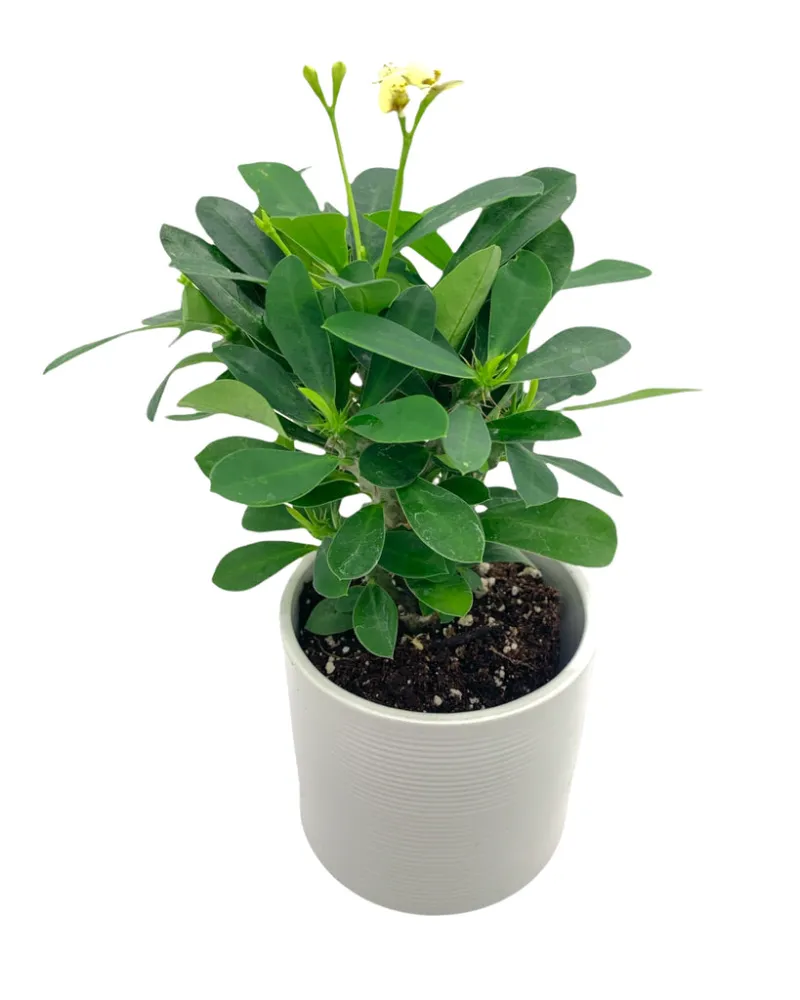
Your euphorbia milii drops leaves when it experiences stress from watering issues, temperature shifts, or light changes. This succulent, commonly known as the crown of thorns plant, evolved in arid Madagascar and signals distress by shedding foliage when conditions stray from its preferred environment. Most leaf drop is reversible once you identify and correct the underlying cause.
Below we walk through each problem, how to spot it, and the exact fix that works.
Overwatering and Root Rot in Euphorbia Milii
Overwatering is the leading cause of leaf drop in crown of thorns plants. When roots sit in soggy soil, they suffocate and rot, cutting off nutrient flow to the stems. The plant responds by dropping leaves to conserve energy.
Signs of overwatering:
- Yellowing leaves that fall off with light touch
- Mushy, blackened stems near the soil line
- Foul smell from the potting mix
- Soil that stays wet for more than a week after watering
How to fix it:
- Remove the plant from its pot and inspect the roots. Healthy roots are white or tan and firm; rotted roots are brown, black, or slimy.
- Trim away all rotted roots with sterilized scissors.
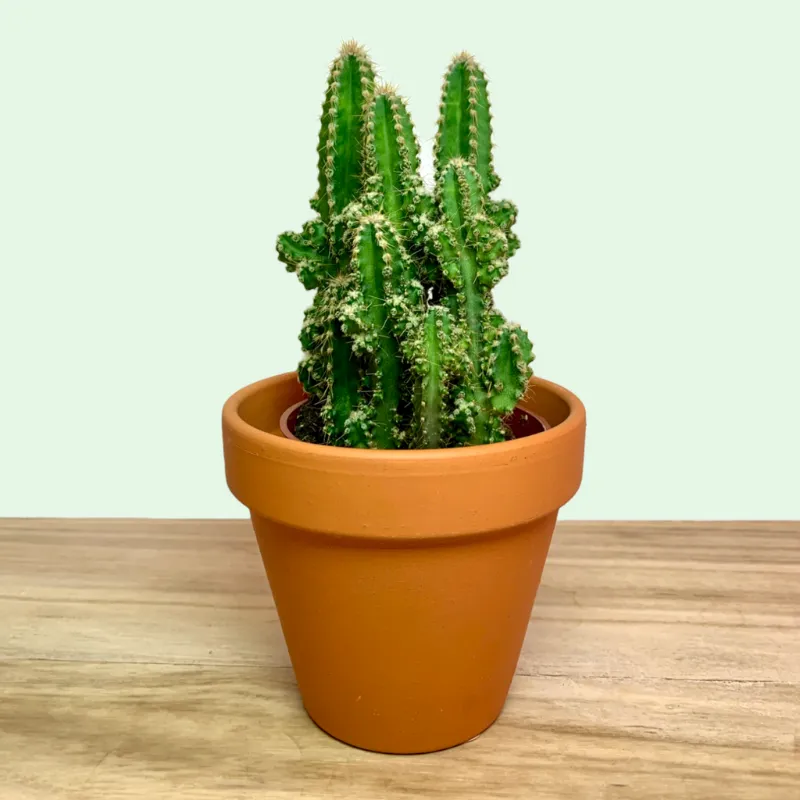
- Repot in fresh, well-draining cactus mix (the same blend works for fairy castle cactus and other succulents).
- Water only when the top two inches of soil are completely dry. In winter, reduce watering to once every three to four weeks.
- Ensure your pot has drainage holes.
According to the Missouri Botanical Garden, Euphorbia milii thrives in dry conditions and tolerates neglect better than excess moisture. If you struggle with watering schedules, check our discount code for moisture meters and well-draining pots.
Cold Stress and Temperature Drops
Euphorbia milii is highly sensitive to cold. Temperatures below 50°F (10°C) trigger immediate leaf drop as the plant enters survival mode. Even a brief cold draft from an open window or air conditioner can cause dozens of leaves to yellow and fall within days.
Cold stress symptoms:
- Sudden leaf drop across the entire plant
- Leaves turn yellow or pale before falling
- Recent exposure to cold drafts, outdoor conditions, or unheated rooms
Prevention and recovery:
- Keep your crown of thorns in a room that stays between 65°F and 85°F (18°C to 29°C) year-round.
- Move plants away from drafty windows, exterior doors, and AC vents.
- If you bought the plant in winter, it may drop leaves from shipping stress. Give it two to three weeks in stable warmth to recover.
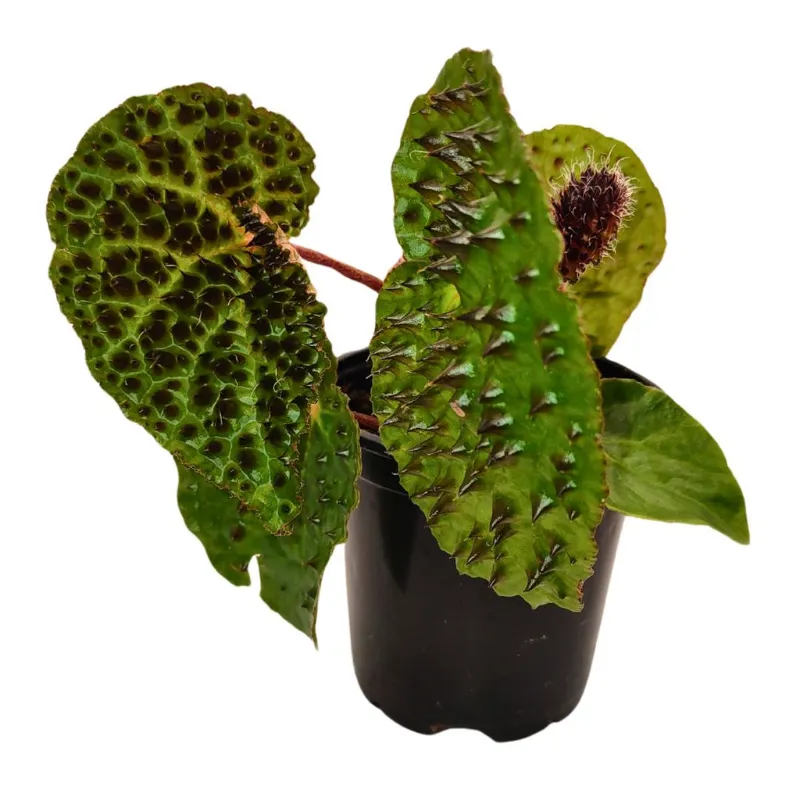
- Avoid placing it near cold-sensitive plants like begonia ferox, which also struggle with temperature swings.
The plant will regrow leaves once it adjusts to consistent warmth, though recovery takes four to six weeks.
Light Changes and Adjustment Period
Sudden shifts in light intensity cause leaf drop, especially when moving a plant from a bright nursery to a dimmer home environment. Euphorbia milii needs strong, direct light to maintain its foliage. Insufficient light triggers the plant to shed older leaves and stretch toward the light source.
Light-related symptoms:
- Gradual leaf loss starting with the oldest, lowest leaves
- New growth appears pale green or spindly
- Plant leans heavily toward the nearest window
How to optimize light:
- Place your euphorbia milii in a south- or west-facing window where it receives at least four to six hours of direct sun daily.
- If natural light is limited, use a full-spectrum grow light positioned 12 to 18 inches above the plant.
- When moving the plant to a brighter spot, acclimate it gradually over one to two weeks to prevent sunburn on the remaining leaves.
- Rotate the pot a quarter turn weekly to ensure even growth.
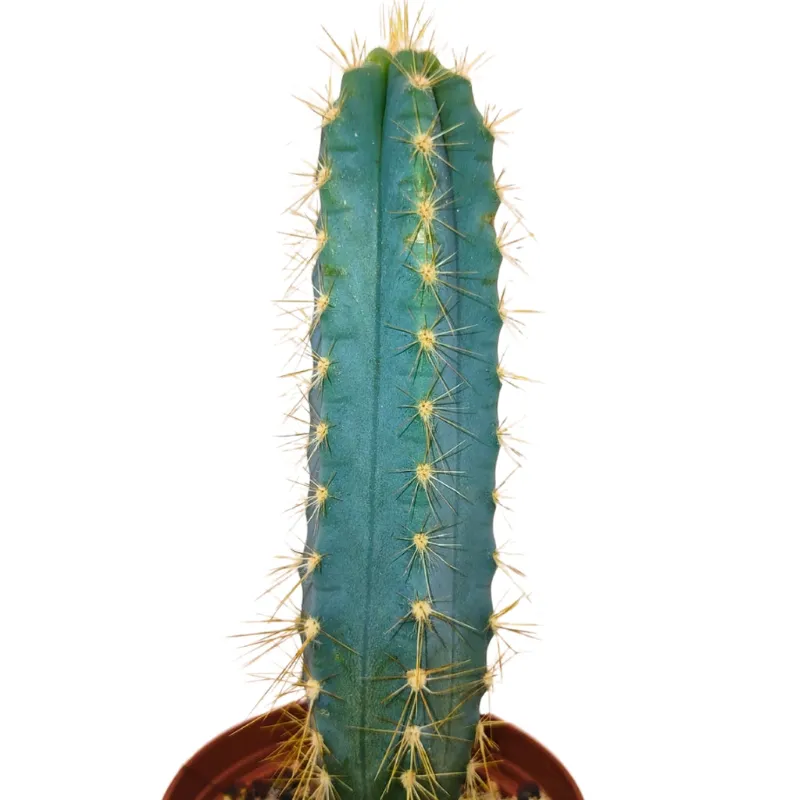
Crown of thorns plants grown in strong light produce more of their colorful bracts (the modified leaves that look like flowers) and maintain denser foliage than those in shade. This same principle applies to other sun-loving succulents like blue torch cactus and dragon fruit cactus.
Pest Infestations That Cause Leaf Drop
Mealybugs, spider mites, and scale insects feed on euphorbia milii sap, weakening the plant and causing leaves to yellow and drop. These pests often hide in leaf axils (where leaves meet the stem) and along the spiny branches.
How to identify pests:
- White cottony clusters (mealybugs) at stem joints
- Fine webbing on leaf undersides (spider mites)
- Brown or tan bumps on stems (scale insects)
- Sticky residue on leaves or nearby surfaces
Treatment steps:
- Isolate the infected plant immediately to protect other succulents.
- Spray the entire plant with a solution of one tablespoon rubbing alcohol mixed with one cup water, or use insecticidal soap.
- Wipe stems and leaves with a cotton swab dipped in rubbing alcohol to remove visible pests.
- Repeat treatment every five to seven days for three weeks.
- Inspect weekly for new infestations.
Catching pests early prevents the severe leaf drop that occurs when colonies establish. Grab our code for 10% off pest control supplies and inspection tools.
Euphorbia Milii How to Grow: Normal Seasonal Dormancy
Not all leaf drop signals a problem. Many euphorbia milii hybrids naturally shed some lower leaves during their rest period, typically in late fall or winter when day length shortens. This dormancy is normal and mimics the dry season in the plant’s native Madagascar habitat.
Normal vs. problematic leaf drop:
| Normal Dormancy | Stress Response |
|---|---|
| Gradual loss of older, lower leaves only | Sudden loss of many leaves across the plant |
| New growth slows or stops | No new growth and stem dieback |
| Plant otherwise looks healthy | Yellowing, wilting, or stem softness |
During dormancy, reduce watering frequency and stop fertilizing until new growth resumes in spring. The North Carolina Extension notes that crown of thorns plants may lose some leaves in winter even under ideal care, then flush with new growth and colorful bracts when temperatures and light levels increase.
Comparing Euphorbia Milii to Other Succulents
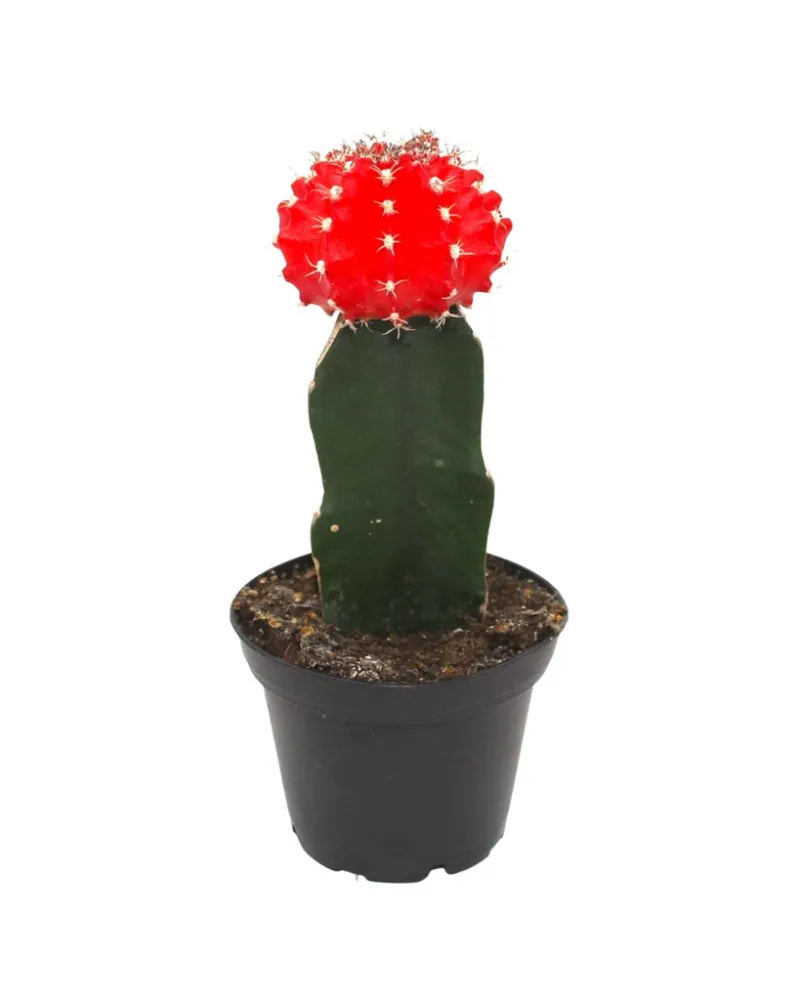
If you grow multiple succulents, understanding how crown of thorns differs from cacti helps prevent care mistakes. While both are drought-tolerant, euphorbia milii is technically a succulent shrub, not a true cactus like moon cactus plant or cactus opuntia ficus.
| Care Factor | Euphorbia Milii | True Cacti (Cereus, Opuntia) |
|---|---|---|
| Cold tolerance | Poor (50°F minimum) | Better (many tolerate 40°F) |
| Light needs | 4-6 hours direct sun | 6-8 hours direct sun |
| Leaf drop | Common stress response | Rare (most don’t have leaves) |
| Watering frequency | Every 10-14 days in summer | Every 14-21 days in summer |
Crown of thorns plants require slightly more attentive care than columnar cacti but reward you with year-round color from their bright bracts. Check the latest price on both species to compare which fits your collection.
Euphorbia Milii Benefits and Long-Term Care
Once you resolve the leaf drop issue, your crown of thorns plant offers impressive benefits. It blooms nearly year-round when given proper light, requires minimal watering, and tolerates neglect better than foliage plants like pink polka dot plant. The colorful bracts last for weeks and come in red, pink, yellow, white, and bi-color varieties depending on the euphorbia milii hybrid you choose.
Long-term success tips:
- Use a balanced liquid fertilizer diluted to half strength once monthly during the growing season (spring and summer).
- Prune leggy stems in early spring to encourage bushier growth. Wear gloves, as the milky sap can irritate skin.
- Repot every two to three years or when roots fill the current pot.
- Watch for signs of stress and adjust care before extensive leaf drop occurs.
The Wikipedia entry details the plant’s history and cultivar development, including thornless varieties and compact hybrids bred specifically for indoor growing. Whether you start from euphorbia milii seeds or buy an established plant, understanding its stress signals keeps your crown of thorns healthy and blooming for years.
Questions
How often should I water my crown of thorns plant to prevent leaf drop?
Water your euphorbia milii every 10 to 14 days during spring and summer, allowing the top two inches of soil to dry completely between waterings. In fall and winter, reduce frequency to once every three to four weeks as the plant enters dormancy.
Will my euphorbia milii regrow leaves after dropping them?
Yes, your crown of thorns will regrow leaves once you correct the underlying stress factor. Recovery typically takes four to six weeks in stable conditions with proper light, temperature, and watering.
Can cold damage cause permanent harm to my crown of thorns?
Brief cold exposure usually causes reversible leaf drop, but prolonged exposure below 40°F can damage stems and roots permanently. Move the plant to warmth immediately and trim any blackened, mushy stems to prevent rot from spreading.
Is it normal for euphorbia milii to lose some leaves in winter?
Yes, many crown of thorns plants naturally shed some lower leaves during winter dormancy when light levels and temperatures drop. This is normal as long as the plant is not losing large amounts of foliage suddenly or showing other stress signs.
What type of soil prevents root rot in euphorbia milii?
Use a well-draining cactus or succulent potting mix that contains perlite, coarse sand, or pumice. The soil should dry within five to seven days after watering and never stay soggy, which suffocates roots and causes leaf drop.
Can I grow euphorbia milii in the same conditions as true cacti?
Crown of thorns needs slightly less intense light and warmer minimum temperatures than most cacti. While cacti like opuntia tolerate temperatures down to 40°F, euphorbia milii suffers leaf drop below 50°F and prefers four to six hours of direct sun rather than eight or more.
Products in this guide
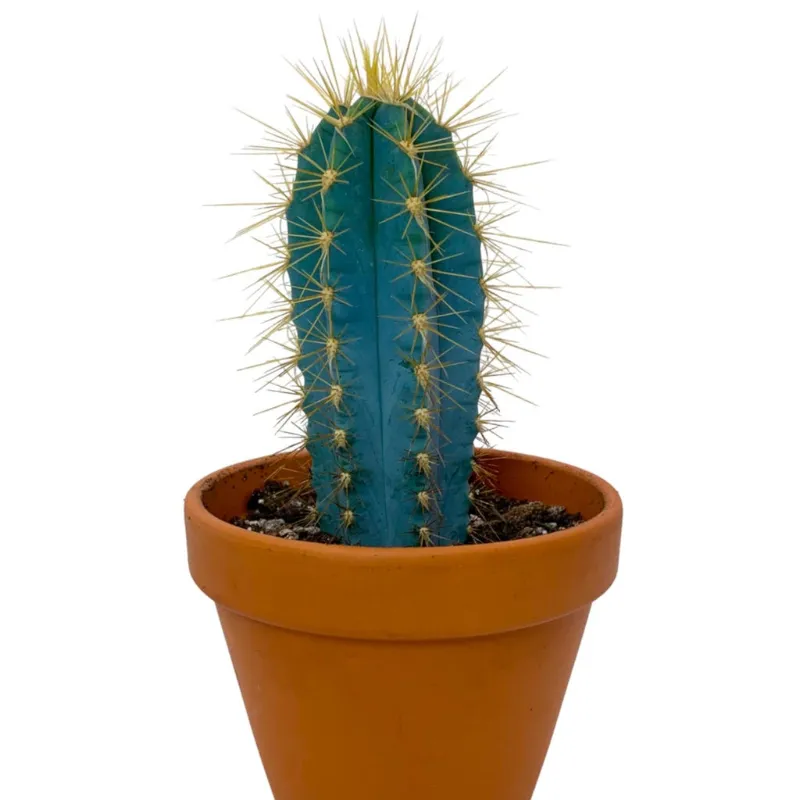
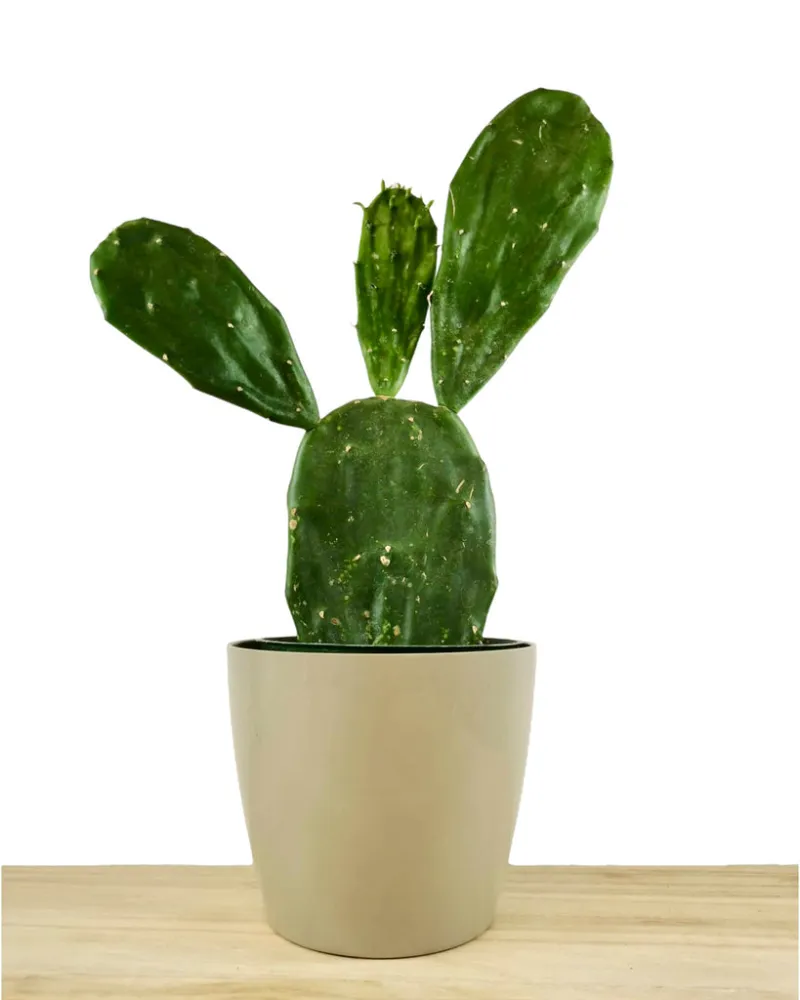
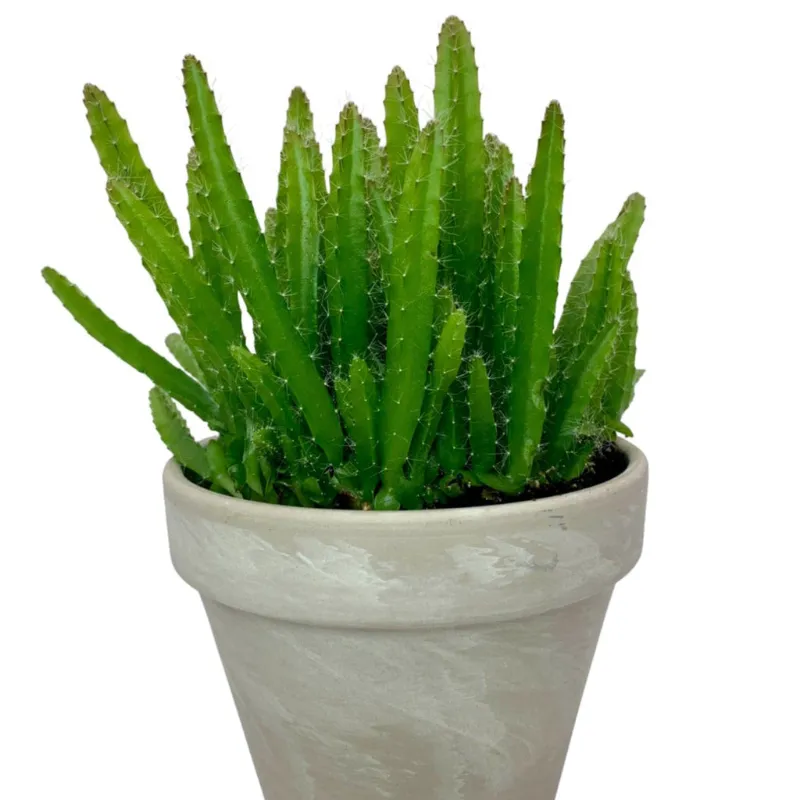 Shopping at Cactus en Ligne? See the discount code
10% OFF All Orders
Shopping at Cactus en Ligne? See the discount code
10% OFF All Orders
More in this series
Do Grafted Moon Cactus Plants Live Long? What to Expect and How to Extend Their Life12 Aug 20264 minBest Substrate for Cacti: When to Use Pine Bark and How to Mix It12 Aug 20264 minCan You Eat Cactus Fruit From Opuntia Ficus Indica? Safety and Preparation Guide12 Aug 20265 minFairy Castle Cactus vs Blue Torch Cactus: Which Columnar Cactus Is Right for You?12 Aug 20265 minHow to Care for a Moon Cactus: Watering, Light, and Lifespan Tips12 Aug 20264 min