 A Cactus en Ligne guide
How to Care for a Moon Cactus: Watering, Light, and Lifespan Tips
A moon cactus plant thrives with bright indirect light, careful watering every 10-14 days, and understanding that its lifespan typically ranges from one to five years.
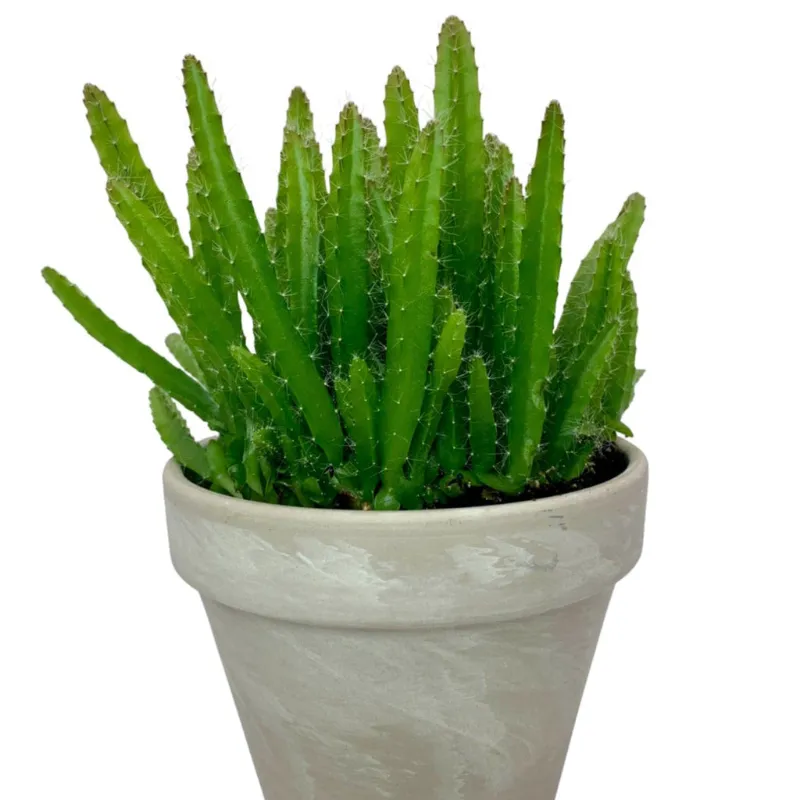
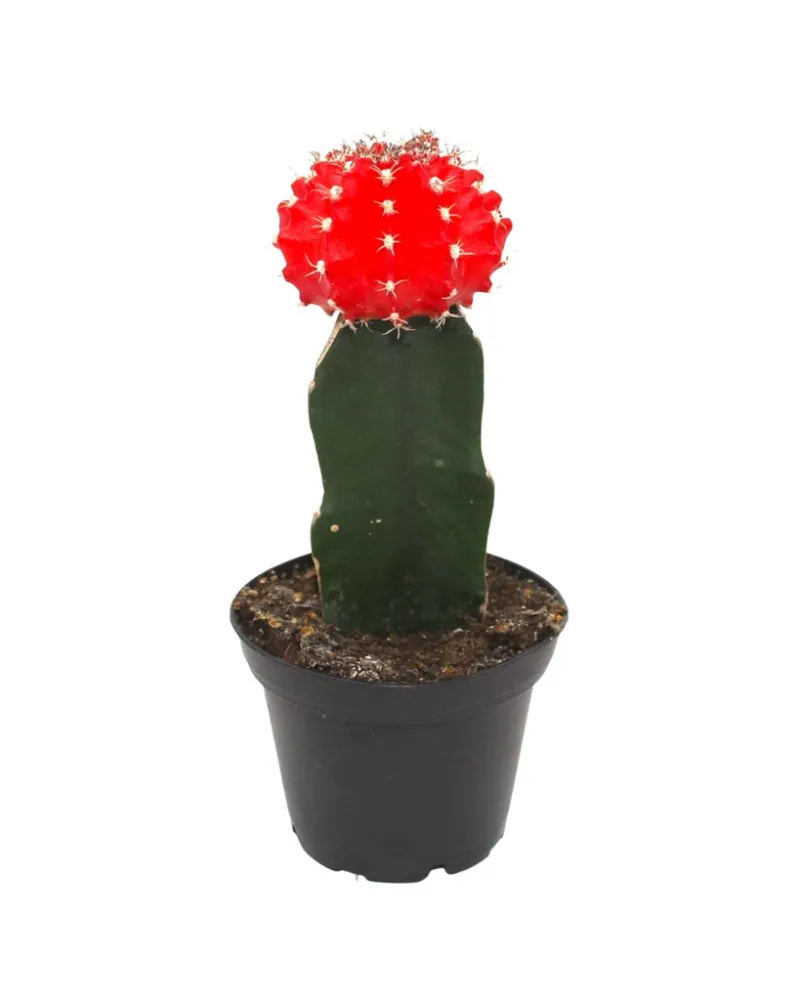
A moon cactus plant needs bright indirect light, watering every 10 to 14 days when the soil is completely dry, and warm temperatures between 65°F and 85°F to stay healthy. These colorful grafted cacti combine a vibrant Gymnocalycium mihanovichii top (the colorful “moon” portion) with a hardy green rootstock like dragon fruit cactus or another cereus variety.
Why Moon Cactus Plants Are Grafted
The colorful top portion of a moon cactus plant lacks chlorophyll, which means it cannot photosynthesize or survive on its own. Growers graft it onto a green host cactus that produces energy for both plants. Common rootstock choices include:
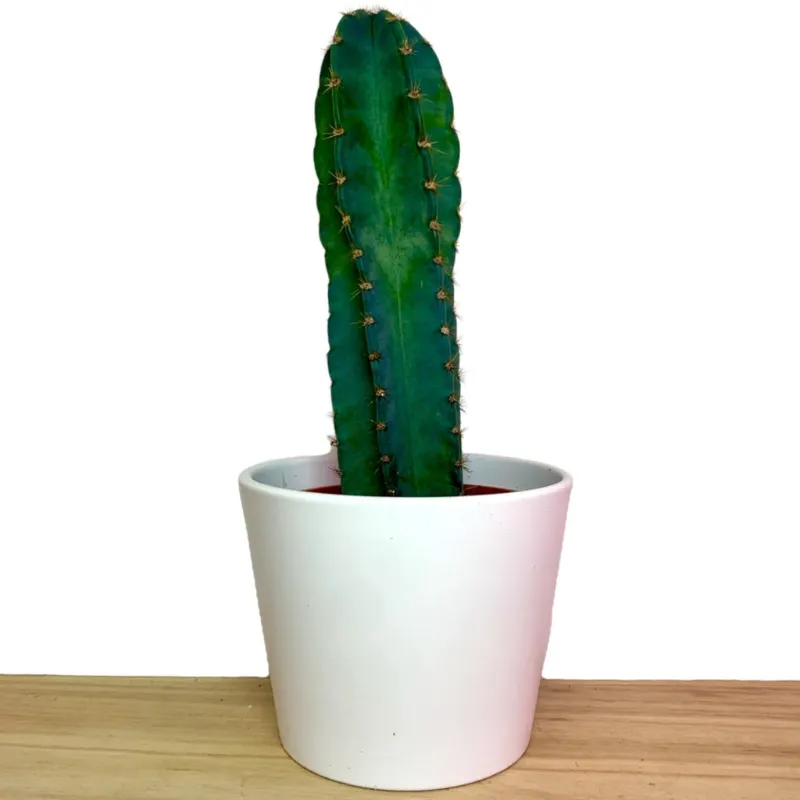
- Dragon fruit cactus (Hylocereus species) for faster growth
- C. peruvianus for sturdy, long-lasting support
- Cereus varieties for balanced vigor
This partnership creates the striking two-tone appearance but also introduces a key limitation: the rootstock and scion must stay compatible. When the rootstock outgrows or outlives the colorful top, the plant declines. That brings us to the moon cactus lifespan question.
Moon Cactus Lifespan and What Affects It
Most moon cactus plants live one to five years, with an average of around two to three years under good indoor conditions. The lifespan depends on three factors:
- Rootstock health: if the base cactus rots, becomes diseased, or grows too vigorously, the graft union fails
- Graft compatibility: mismatched growth rates stress both plants
- Care consistency: overwatering is the top killer, followed by insufficient light
Choose plants with thick, firm rootstock and avoid any hint of soft spots at the graft line for the best chance at a long lifespan. Check current stock and grab our discount code to find fresh, well-grafted options.
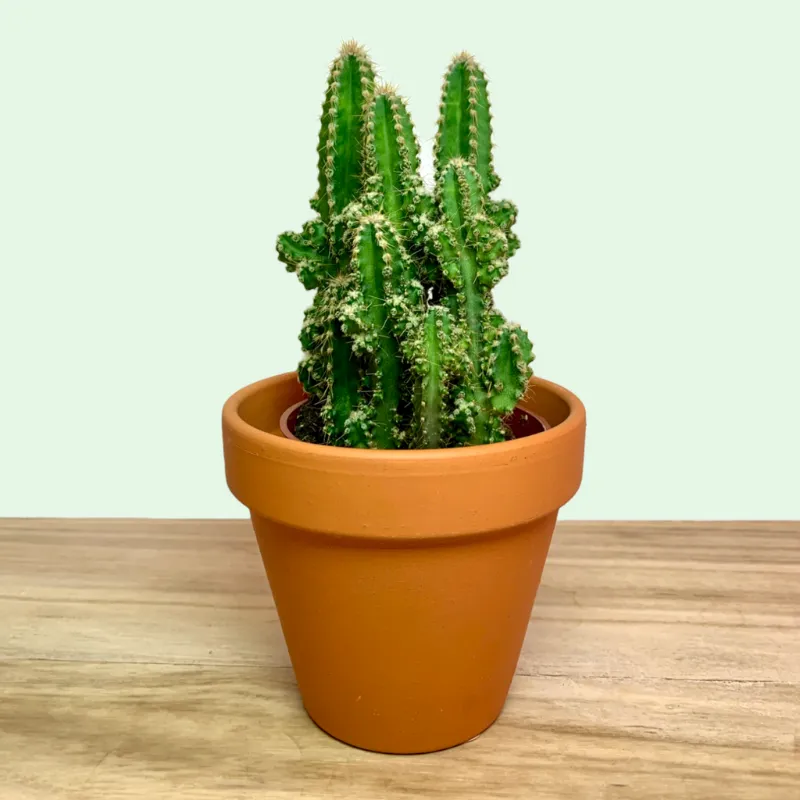
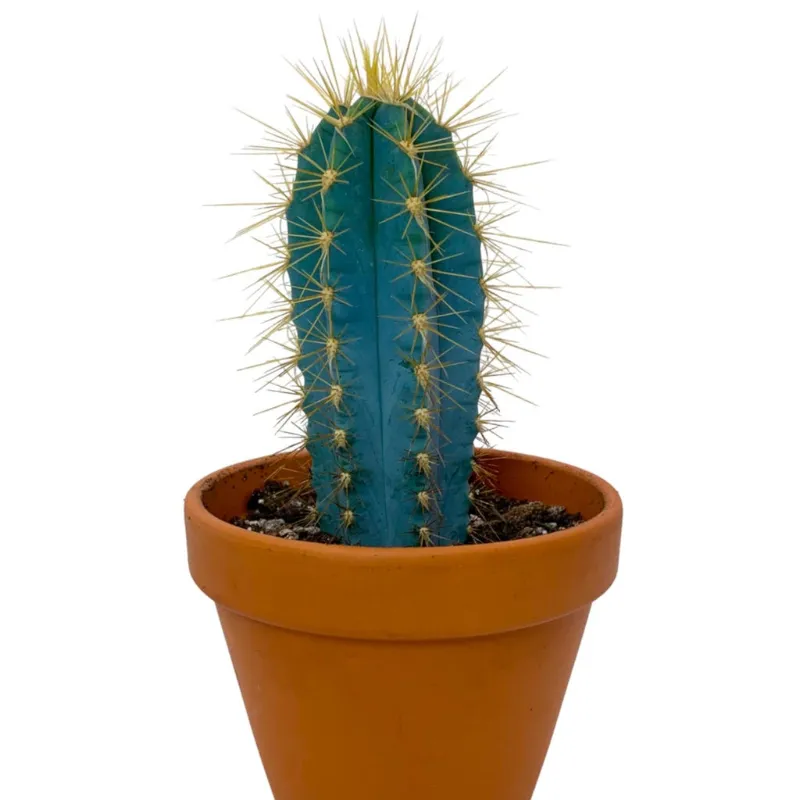
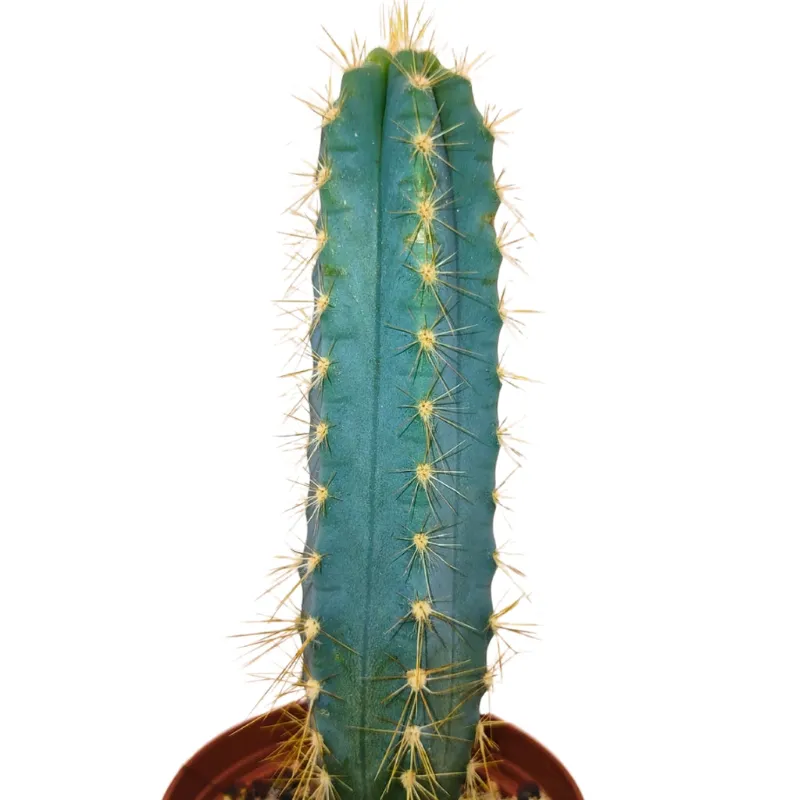
Can moon cactus grow without grafting? No. The colorful Gymnocalycium mutants have zero or near-zero chlorophyll, so they die within days if separated from their host. If you want a self-sufficient cactus with similar care needs, consider a fairy castle cactus or blue torch cactus instead.
How to Water Your Moon Cactus Plant
Watering mistakes account for most moon cactus failures. Follow this schedule:
- Wait for bone-dry soil: stick your finger two inches down; if it feels even slightly damp, wait.
- Water deeply: saturate the soil until water drains from the bottom, then discard any standing water in the saucer.
- Repeat every 10 to 14 days in summer, every 3 to 4 weeks in winter when growth slows.
Use a well-draining cactus mix (50% potting soil, 50% perlite or coarse sand works well). Standard houseplant soil holds too much moisture and rots the rootstock. Moon cactus roots prefer to dry out completely between drinks, similar to care for opuntia ficus indica and other desert species.
Light Requirements for Vibrant Colors
Bright indirect light keeps the colorful crown vivid and the rootstock healthy. Here’s what works:
| Light Condition | Result | Best Placement |
|---|---|---|
| Bright indirect (4-6 hours) | Vibrant color, compact growth | East or west window with sheer curtain |
| Direct sun (hot afternoon) | Sunburn, faded color | Avoid south-facing summer exposure |
| Low light | Etiolation, pale color, weak rootstock | Supplement with grow light |
The Almanac’s moon cactus care guide recommends rotating your plant every few weeks so all sides receive equal light.
Temperature, Humidity, and Seasonal Adjustments
Moon cactus plant care is easiest when you match their native warm, arid conditions:
- Temperature: 65°F to 85°F year-round; avoid drafts and temperatures below 50°F
- Humidity: 30% to 50% is ideal; they tolerate typical indoor humidity without extra misting
- Winter dormancy: reduce watering frequency and skip fertilizer from November through February
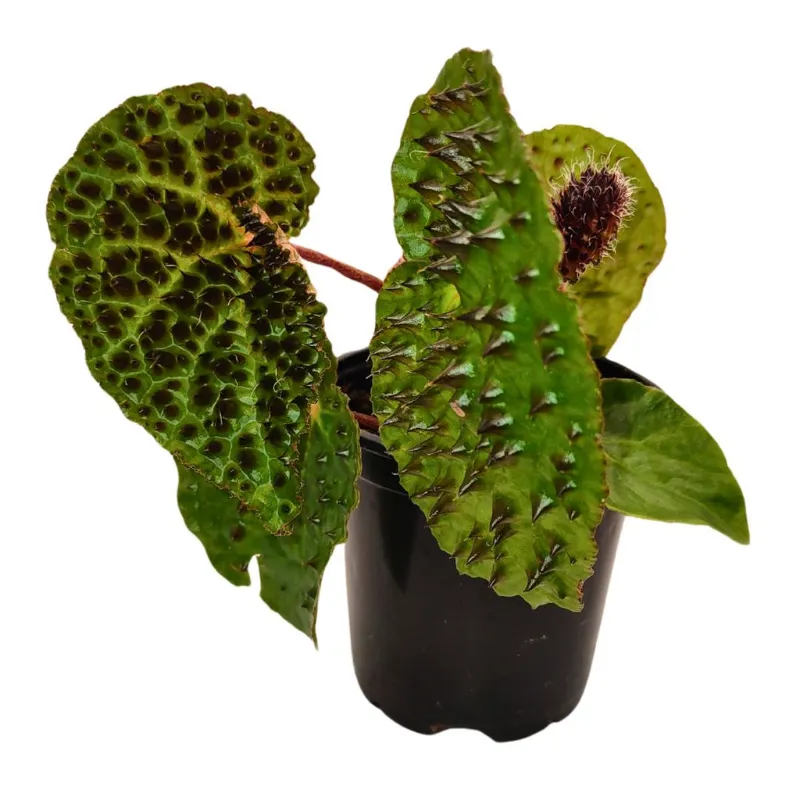
Unlike humidity-loving plants such as begonia ferox or pink polka dot plant, moon cactus plants need no humidifier or pebble tray. Overly moist air can actually encourage fungal issues on the rootstock.
Fertilizing and Repotting Tips
Feed your grafted cactus sparingly:
- Use a balanced liquid cactus fertilizer diluted to half strength
- Apply once in spring and once in early summer during active growth
- Skip fertilizer entirely during fall and winter
Repotting is rarely necessary because of the plant’s limited lifespan, but if the rootstock outgrows its pot, choose a container only one inch larger and refresh the soil mix. Browse restocked grafted varieties if your current plant shows signs of decline rather than struggling with a failing graft.
Do Moon Cactus Flower or Produce Fruit?
Moon cactus flower production is uncommon indoors, but mature plants may produce small blooms from the colorful top during late spring. The flowers are typically white, pink, or pale yellow and last only a day or two. Moon cactus fruit is extremely rare in cultivation because the flowers are seldom pollinated indoors and the plants’ short lifespan limits reproductive maturity.
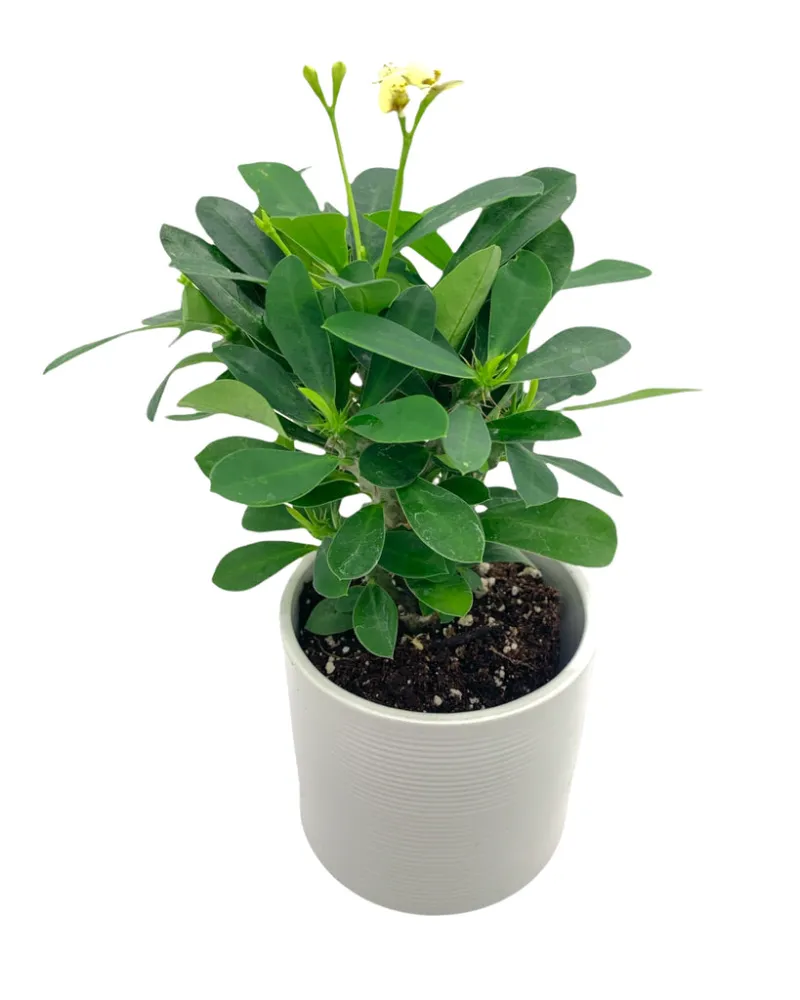
If you want reliable flowering, companion plants like euphorbia milii (crown of thorns) bloom year-round with similar light and water needs, making them excellent shelf neighbors.
Troubleshooting Common Moon Cactus Problems
Soft or brown base: root rot from overwatering. Reduce frequency immediately and check drainage holes.
Faded or pale top: insufficient light. Move closer to a bright window or add a grow light.
Shriveling crown: underwatering or rootstock failure. Increase watering slightly if soil is dry; if the base is soft, the graft is failing.
Lopsided growth: uneven light exposure. Rotate the pot weekly.
The NC State Plant Toolbox entry on Gymnocalycium mihanovichii notes that these plants are sensitive to sudden environmental changes, so avoid moving them frequently once you find a good spot.
Who Should Grow a Moon Cactus Plant
Moon cactus plants suit collectors who want a low-maintenance pop of color and accept a shorter lifespan. They are perfect for:
- Bright desks, shelves, and windowsills where space is limited
- Beginners learning cactus care without a decades-long commitment
- Gift-givers seeking unique, eye-catching plants
If you prefer longer-lived cacti, pair your moon cactus with self-sufficient options like cactus opuntia ficus or ficus opuntia (prickly pear varieties) that thrive for decades with similar light and water.
Questions
How long does a moon cactus plant typically live?
Most moon cactus plants live one to five years, with an average lifespan of two to three years. The lifespan depends on rootstock health, graft compatibility, and consistent care that avoids overwatering.
Can a moon cactus survive without being grafted?
No. The colorful top portion lacks chlorophyll and cannot photosynthesize on its own, so it will die within days if separated from the green rootstock cactus.
How often should I water my moon cactus?
Water every 10 to 14 days during the growing season (spring and summer) and every 3 to 4 weeks in winter. Always wait until the soil is completely dry before watering again to prevent root rot.
Why is my moon cactus losing its bright color?
Faded color usually indicates insufficient light. Move your plant closer to a bright window with indirect light or add a grow light to restore vibrancy.
Do moon cactus plants produce flowers or fruit?
Moon cactus plants occasionally produce small, short-lived flowers indoors during late spring, but fruit is extremely rare because the flowers are seldom pollinated and the plants have a limited lifespan.
What type of soil is best for a grafted cactus?
Use a well-draining cactus mix, ideally 50% potting soil and 50% perlite or coarse sand. Standard houseplant soil retains too much moisture and can cause root rot in the rootstock.
Products in this guide
 Shopping at Cactus en Ligne? See the discount code
10% OFF All Orders
Shopping at Cactus en Ligne? See the discount code
10% OFF All Orders
More in this series
Do Grafted Moon Cactus Plants Live Long? What to Expect and How to Extend Their Life12 Aug 20264 minBest Substrate for Cacti: When to Use Pine Bark and How to Mix It12 Aug 20264 minWhy Is My Euphorbia Milii Dropping Leaves? Common Problems and Solutions12 Aug 20266 minCan You Eat Cactus Fruit From Opuntia Ficus Indica? Safety and Preparation Guide12 Aug 20265 minFairy Castle Cactus vs Blue Torch Cactus: Which Columnar Cactus Is Right for You?12 Aug 20265 min