 A Cactus en Ligne guide
Fairy Castle Cactus vs Blue Torch Cactus: Which Columnar Cactus Is Right for You?
The blue torch cactus and fairy castle cactus are both stunning columnar cacti, but they differ in texture, growth speed, and visual impact.

The blue torch cactus grows faster and features striking blue-green skin with golden spines, while the fairy castle cactus offers intricate branching and a compact castle-like silhouette. Both are low-maintenance columnar cacti that thrive indoors, but your choice depends on whether you want bold color or architectural detail.
This guide walks you through growth habits, light and watering needs, propagation methods, and which cactus suits your space and aesthetic.
Blue Torch Cactus vs Fairy Castle Cactus: Key Differences
Understanding how these two columnar cacti compare helps you match the right plant to your environment and expectations.
| Feature | Blue Torch Cactus | Fairy Castle Cactus |
|---|---|---|
| Growth rate | Moderate to fast (up to 12 inches per year) | Slow (2-4 inches per year) |
| Mature height | 6-15 feet indoors | 3-6 feet indoors |
| Color | Silvery blue-green with waxy bloom | Bright to mid-green |
| Branching | Single column or few branches | Dense, multi-branched clusters |
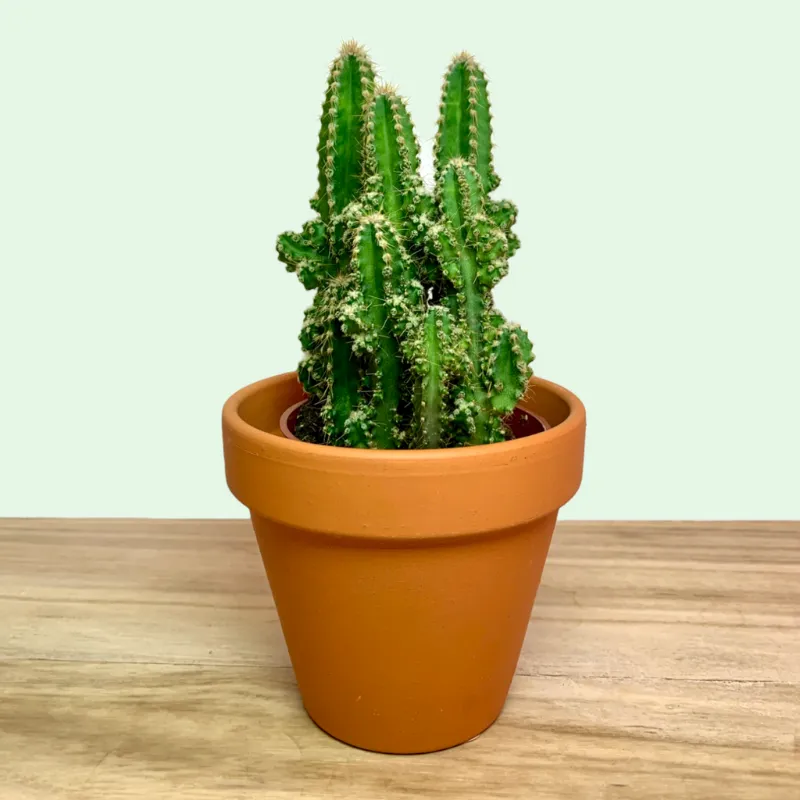
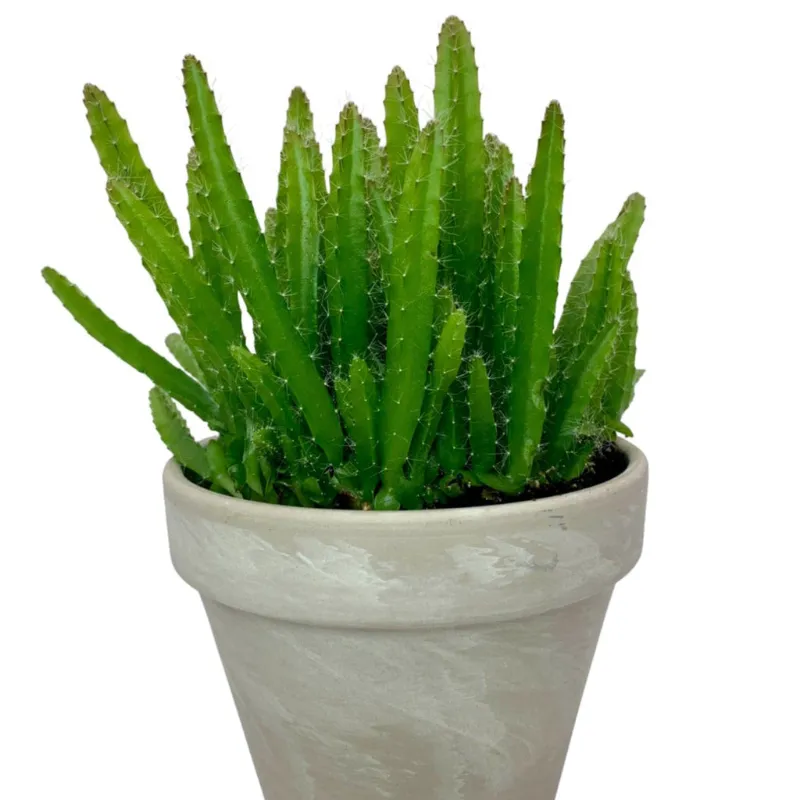
The blue torch cactus stands out for its powdery blue coating and relatively quick vertical growth, making it ideal if you want a statement plant that fills a corner within a few years. The fairy castle variety, by contrast, develops a dense, intricate network of narrow stems that resembles turrets and towers, perfect for smaller spaces or tabletop displays.

Both are members of the cereus family, so they share drought tolerance and similar light preferences, but their silhouettes and scale differ dramatically.
Light, Water, and Temperature Requirements
Both columnar cacti need bright light and infrequent watering, but subtle differences affect their placement.
Light needs
- Both thrive in 4-6 hours of direct sun or bright indirect light
- Blue torch cactus develops deeper blue tones with more sun exposure
- Fairy castle tolerates slightly lower light but grows more slowly in shade
Blue torch cactus watering follows a simple rule: soak the soil completely, then wait until it dries out 2-3 inches down before watering again. In summer that might mean every 10-14 days; in winter, once a month or less. The fairy castle follows the same schedule but uses less water overall due to its smaller root system.
Temperature tolerance
- Blue torch cactus: hardy to 25°F for short periods, prefers 50-90°F
- Fairy castle cactus: sensitive below 40°F, best at 60-85°F
If you live in a climate with cold winters, the blue torch is more forgiving of occasional chills near a drafty window.
For live availability and current pricing on both species, check our Cactus en Ligne discount code for 10% off your order.
Growth Rate and Space Considerations
The blue torch cactus growth rate outpaces the fairy castle by a significant margin, which matters when planning long-term display.
A young blue torch can add 8-12 inches of height per year under optimal conditions, reaching 3-4 feet in as little as three years. This makes it a rewarding choice if you enjoy watching visible progress. The fairy castle, meanwhile, grows 2-4 inches annually and takes five to seven years to reach display size, but its slow pace means less frequent repotting and stable placement.
Space planning tips
- Blue torch: allow 18-24 inches of horizontal clearance for eventual branching
- Fairy castle: fits comfortably in 6-10 inch pots for years
- Both need ceiling clearance if you plan to keep them long-term
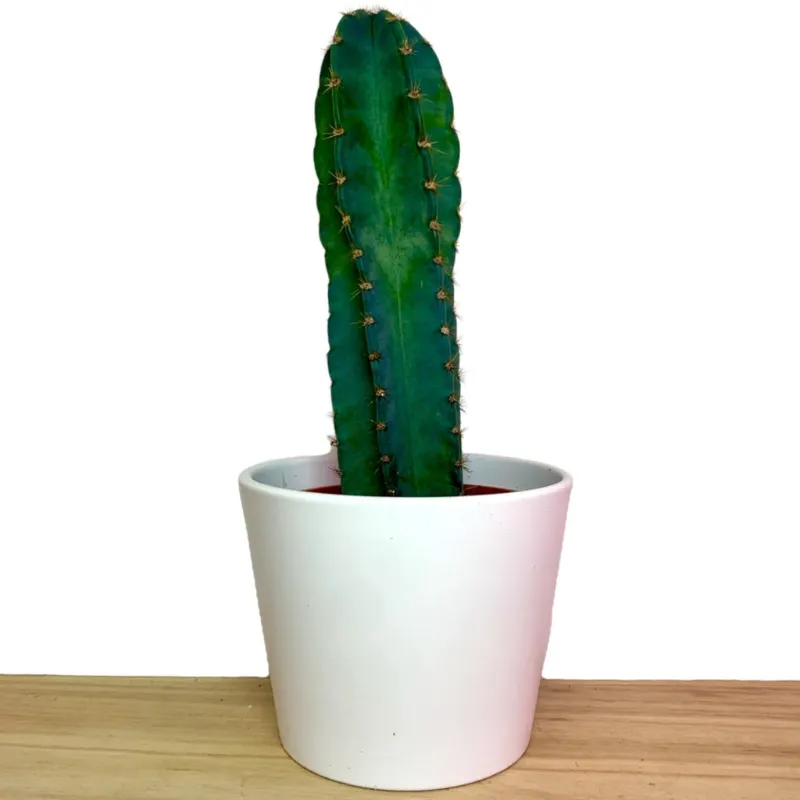
If you want variety in scale, consider pairing a c. peruvianus or dragon fruit cactus with either of these columnar species for a layered desert display.
Blue Torch Cactus Flower and Fruit Potential
Mature blue torch cacti produce stunning nocturnal blooms, typically after reaching 4-5 feet in height. The flowers open at dusk, displaying large white petals with a sweet fragrance, and close by morning. While the blue torch cactus flower is a highlight, it rarely appears on specimens under four years old or in low-light indoor conditions.
Following successful pollination, the plant may develop blue torch cactus fruit, which is edible and mildly sweet, though indoor-grown plants seldom fruit without hand pollination. The woolly blue torch cactus variant (a nickname for older specimens with dense spine clusters) has the same flowering habit but develops more pronounced areoles as it matures.
Fairy castle cacti can also bloom, producing small cream or pink flowers along the stem tips, but flowering is uncommon indoors and the plant is primarily grown for its architectural form rather than floral display.
Propagation: Cuttings and Offsets
Blue torch cactus propagation is straightforward and faster than the fairy castle method.
Blue torch propagation steps
- Use sterilized pruners to cut a 4-6 inch segment from a healthy stem
- Let the cut end callus in a dry, shaded spot for 5-7 days
- Plant the cutting 1-2 inches deep in cactus mix
- Wait 3-4 weeks before watering lightly to encourage roots
Fairy castle propagation follows the same technique but takes longer to root due to the plant’s slower metabolism. Expect 6-8 weeks before new growth appears.
Both species occasionally produce offsets (pups) at the base, which can be separated once they reach 2-3 inches tall. This cloning method preserves the parent’s exact characteristics.
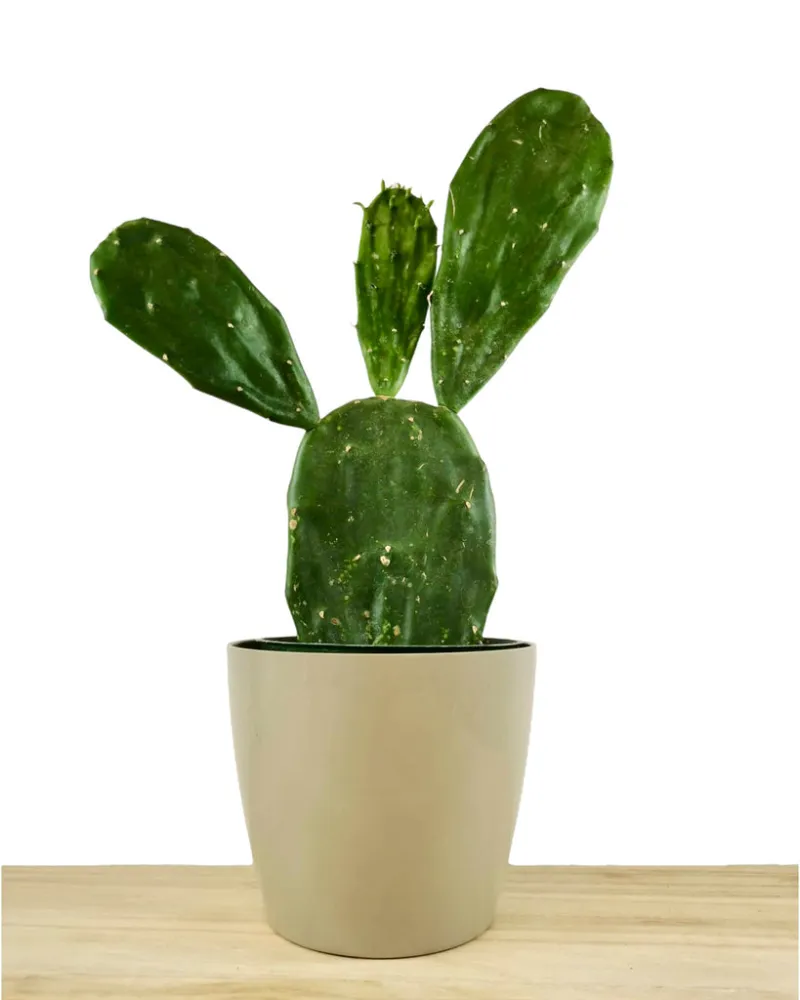
For a broader range of easy-propagating cacti, explore our guides on opuntia ficus indica and ficus opuntia, which root from pads rather than stem cuttings.
Which Columnar Cactus Should You Choose?
Your decision ultimately depends on display goals, patience, and available space.
Choose the blue torch cactus if you want:
- Rapid vertical growth and a bold statement plant
- Striking blue-gray color that contrasts with green foliage
- Potential for impressive night-blooming flowers in 4-5 years
- A larger specimen that anchors a room or outdoor garden bed
Choose the fairy castle cactus if you prefer:
- Intricate, sculptural branching on a compact scale
- A slower-growing plant that stays tabletop-sized for years
- Easier transportation and repotting due to smaller size
- A whimsical, architectural accent for shelves or desks
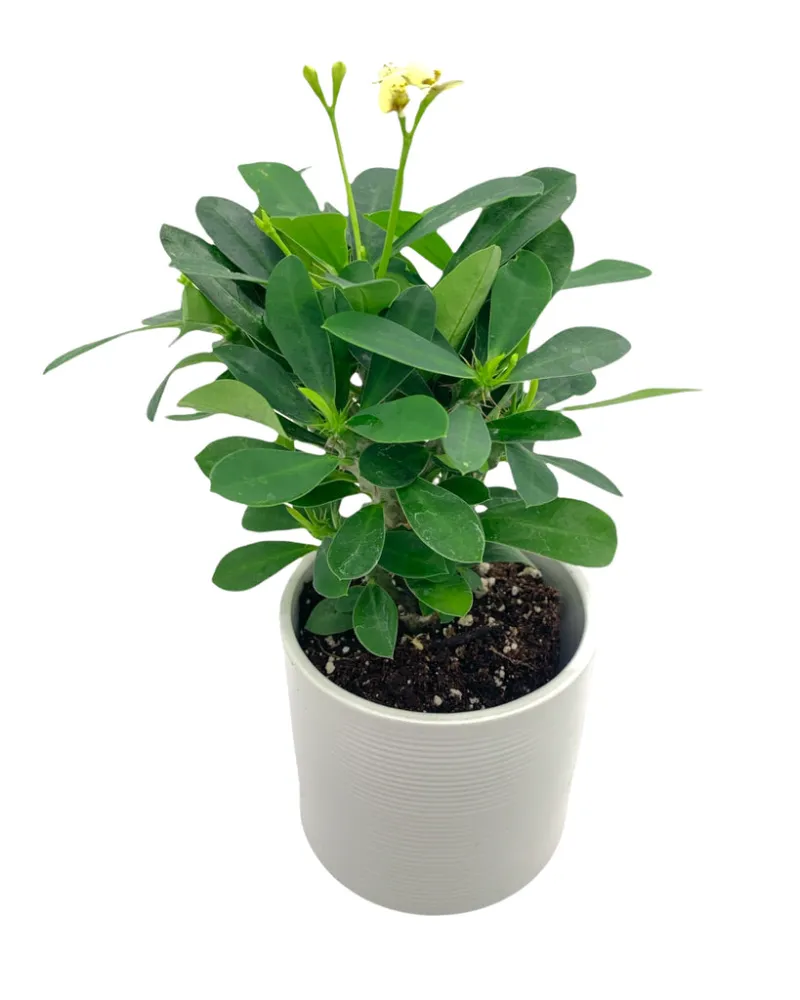
Both cacti pair well with other low-water species like euphorbia milii or foliage plants such as the pink polka dot plant if you want to build a mixed indoor garden with varied textures.
We recommend starting with whichever silhouette excites you most. Both are forgiving of beginner mistakes, and you can always add the other to your collection later. Grab the latest discount to save on either variety, and remember that proper light and restrained watering matter more than which species you choose.
Whether you go bold with the blue torch or intricate with the fairy castle, you’re adding a resilient, low-maintenance sculpture that improves with age.
Questions
How often should I water a blue torch cactus?
Water your blue torch cactus every 10-14 days in summer and once a month or less in winter, only after the top 2-3 inches of soil dry completely. Overwatering causes root rot, so err on the side of underwatering.
Does the fairy castle cactus grow faster than the blue torch?
No, the fairy castle cactus grows much slower, adding only 2-4 inches per year compared to the blue torch's 8-12 inches annually. This makes the blue torch a better choice if you want visible growth.
Can I keep both cacti in the same pot?
You can plant them together if they have identical watering needs and the pot has excellent drainage, but their different growth rates mean the blue torch will quickly overshadow the fairy castle. Separate pots give you better control.
Will my blue torch cactus bloom indoors?
Blue torch cacti can bloom indoors once they reach 4-5 feet tall and receive at least 6 hours of bright light daily. The large white flowers open at night and close by morning, though indoor blooming is less common than outdoors.
Which cactus is better for small apartments?
The fairy castle cactus is better for small spaces because it stays compact and grows slowly, fitting comfortably on shelves or desks for years. The blue torch quickly outgrows tight quarters.
Is the blue torch cactus fruit edible?
Yes, blue torch cactus fruit is edible and mildly sweet, but indoor plants rarely produce fruit without hand pollination and mature size. Outdoor specimens in warm climates are more likely to fruit.
Products in this guide
 Shopping at Cactus en Ligne? See the discount code
10% OFF All Orders
Shopping at Cactus en Ligne? See the discount code
10% OFF All Orders
More in this series
 Do Grafted Moon Cactus Plants Live Long? What to Expect and How to Extend Their Life12 Aug 20264 minBest Substrate for Cacti: When to Use Pine Bark and How to Mix It12 Aug 20264 minWhy Is My Euphorbia Milii Dropping Leaves? Common Problems and Solutions12 Aug 20266 minCan You Eat Cactus Fruit From Opuntia Ficus Indica? Safety and Preparation Guide12 Aug 20265 minHow to Care for a Moon Cactus: Watering, Light, and Lifespan Tips12 Aug 20264 min