 A Cactus en Ligne guide
Can You Eat Cactus Fruit From Opuntia Ficus Indica? Safety and Preparation Guide
Yes, cactus opuntia ficus fruit is entirely edible and packed with vitamins, fiber, and antioxidants when prepared correctly.
Yes, cactus opuntia ficus fruit is entirely edible and safe to eat when you remove the spines and glochids properly. The bright red, orange, or yellow pads produce sweet, juicy tunas that taste like a cross between watermelon and pear.
What Makes Cactus Opuntia Ficus Fruit Edible
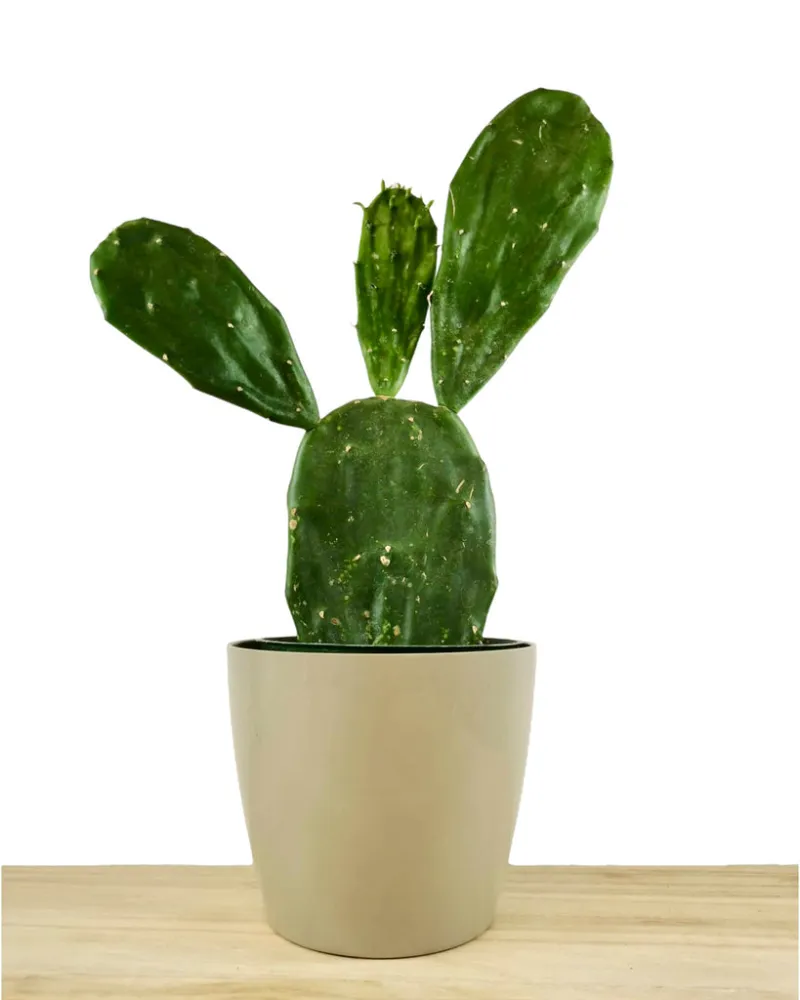
The Opuntia ficus-indica species, commonly called prickly pear, produces barrel-shaped fruits covered in a waxy skin dotted with tiny hair-like spines called glochids. Beneath that protective layer lies a tender, seed-filled pulp rich in vitamin C, magnesium, calcium, and dietary fiber. Commercial growers throughout Mexico, the Mediterranean, and parts of the United States cultivate cactus opuntia ficus specifically for the fruit market, and backyard gardeners in warm climates often harvest their own.
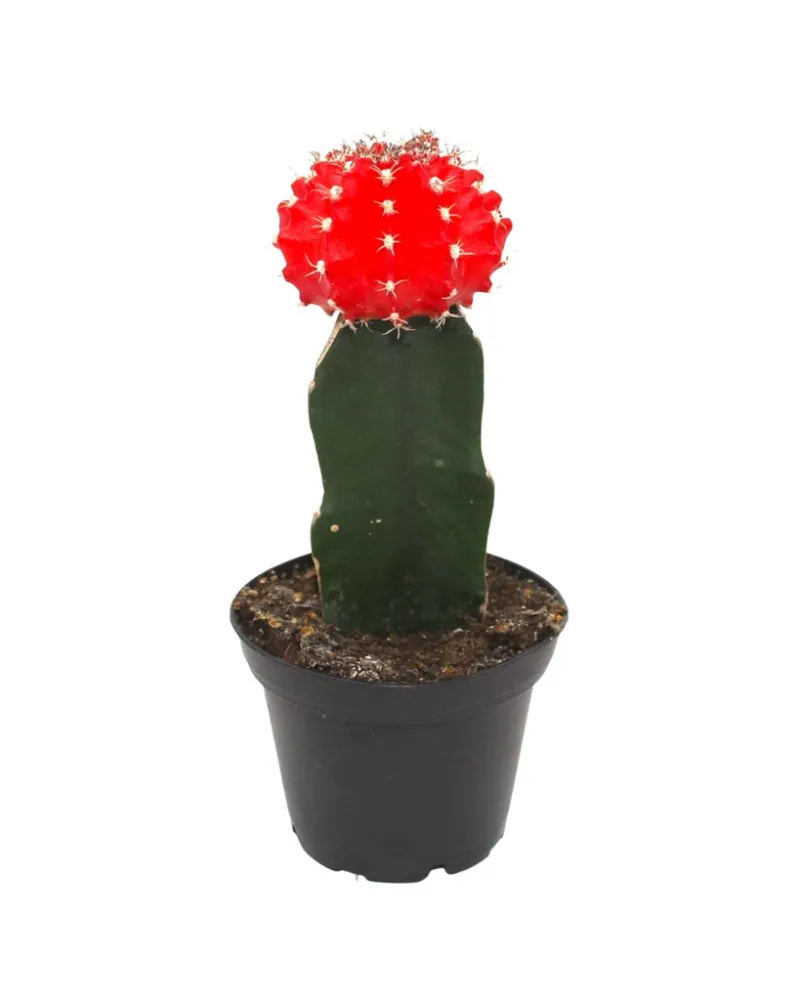
Unlike ornamental cacti such as the moon cactus plant or fairy castle cactus, which are grown for their striking shapes and colors, the prickly pear thrives as a dual-purpose plant. The pads themselves are also edible when young and tender, cooked as nopales in Mexican cuisine.
How to Safely Harvest Prickly Pear Fruit
Timing and tools matter when you pick tunas from your opuntia ficus indica plant. Ripe fruits shift from green to deep red, magenta, orange, or yellow depending on the variety, and they give slightly when pressed with tongs. Never harvest with bare hands.
Harvesting checklist:
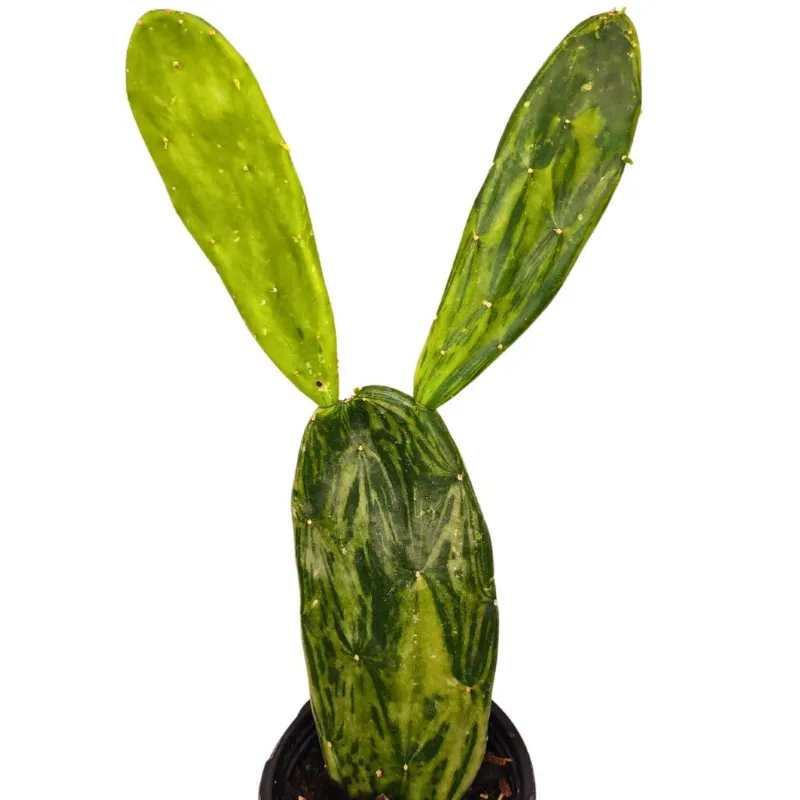
- Wear thick leather gloves or use long metal tongs to twist fruit free from the pad
- Choose fruit with uniform color and no green patches near the base
- Place harvested tunas in a bucket or thick paper bag, never a thin plastic bag
- Harvest in early morning when fruits are coolest and firmest
- Inspect your ficus opuntia pads for new buds, which signal another flush of fruit in 4 to 6 weeks
Once harvested, store unwashed fruit in the refrigerator for up to a week. The glochids remain on the skin, so continue handling with care until you complete the cleaning process.
Removing Spines and Glochids from Opuntia Fruit
The most critical preparation step involves removing every spine and glochid before cutting into the fruit. Even microscopic glochids embed in skin and mucous membranes, causing hours of irritation.
Cleaning methods that work:
- Flame method: Hold each fruit with tongs over a gas burner or camping torch for 10 to 15 seconds, rotating to singe off all glochids. The spines will blacken and curl. Rinse under cold water and scrub gently with a vegetable brush.
- Water method: Fill a large bowl with cold water, add fruit, and swirl vigorously for 2 minutes. Drain, refill, and repeat three times. The glochids float free in the water. Pat dry with paper towels.
- Peel method: Slice off both ends of the fruit with a sharp knife, make one vertical cut through the skin, and peel away the outer layer entirely. This wastes some edible flesh but guarantees zero glochid contact.
After cleaning, cut the fruit in half and scoop out the pulp with a spoon. The small black seeds are edible but hard, so many people strain the pulp through a fine-mesh sieve or cheesecloth to extract seedless juice. Check our current discount if you want to add a prickly pear to your collection.
Nutritional Benefits and Flavor Profile
Prickly pear fruit delivers impressive nutrition for a wild-harvest food. A 100-gram serving provides roughly 40 calories, 3.6 grams of fiber, and one-third of your daily vitamin C requirement. The pulp also contains betalains, the same antioxidant pigments found in beets, which give the fruit its vibrant color and potential anti-inflammatory properties.
The flavor ranges from mildly sweet to intensely fruity depending on ripeness and variety. Early-harvest tunas taste cucumber-like with subtle sweetness, while fully ripe fruits develop a honeyed, tropical note. We compare the texture to a seedy kiwi: soft, juicy, and slightly mucilaginous.
Common culinary uses:
- Fresh juice blended with lime and agave for agua de tuna
- Strained pulp folded into yogurt, smoothies, or sorbet
- Cooked down into jam, syrup, or fruit leather
- Diced raw into salsa or fruit salad for color and tang
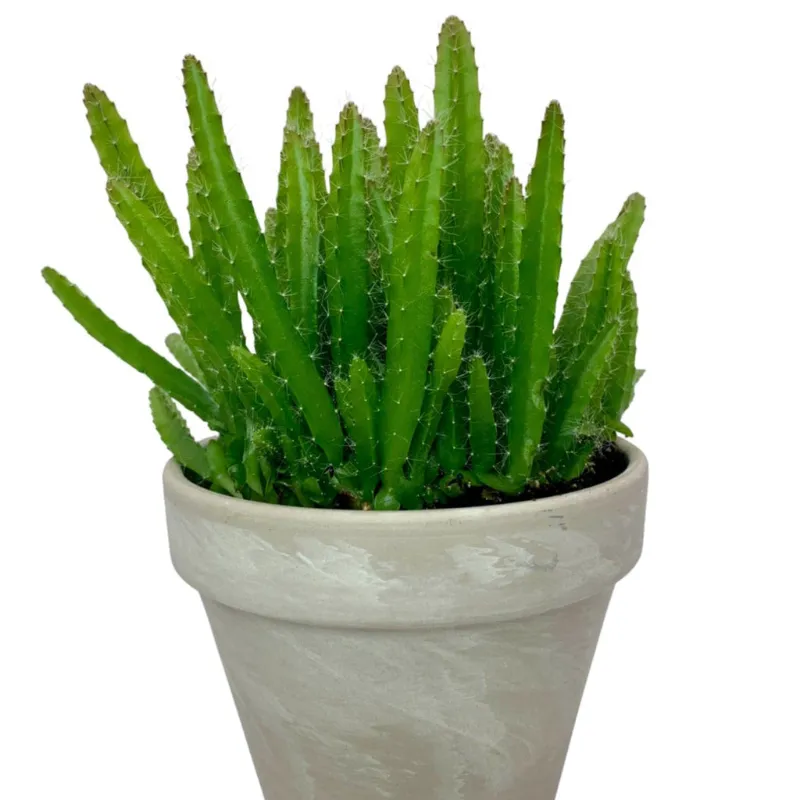
Unlike fruiting cacti such as the dragon fruit cactus, which requires a long growing season and climbing support, the prickly pear fruits reliably in arid climates with minimal water once established.
Growing Your Own Edible Prickly Pear at Home
If you live in USDA zones 9 through 11, you can cultivate opuntia ficus indica outdoors year-round for a sustainable fruit source. The species tolerates poor soil, drought, and blazing sun, but it needs at least 6 hours of direct light daily to set fruit. Container growing works in cooler zones as long as you move plants indoors before the first frost.
Planting and care tips:
- Start with a mature pad cutting or a potted plant from a reputable supplier
- Plant in fast-draining cactus mix or amend garden soil with coarse sand and perlite
- Water deeply every 2 to 3 weeks during the growing season, monthly in winter
- Fertilize once in early spring with a low-nitrogen cactus formula
- Expect flowers in late spring, with fruit ripening 2 to 3 months later
The University of Arizona Arboretum maintains a comprehensive species profile if you want deeper botanical details.
Who Should Avoid or Limit Prickly Pear Fruit
Most people tolerate prickly pear fruit without issue, but a small percentage experience digestive discomfort from the seeds or mucilage. If you have a history of calcium oxalate kidney stones, consult your doctor before adding prickly pear to your diet, as the fruit contains moderate oxalate levels.
Allergic reactions are rare but documented. Start with a small taste (half a fruit or less) and wait 24 hours to confirm no sensitivity. Pregnant and breastfeeding individuals should treat prickly pear as any new food: introduce gradually and monitor for changes.
If you harvest fruit from wild stands or roadsides, verify the area has not been treated with herbicides or pesticides. Cultivated plants from known sources such as those available with our code eliminate that uncertainty and often produce larger, sweeter fruit through selective breeding.
The bottom line: cactus opuntia ficus fruit is a nutrient-dense, delicious addition to your diet when you handle and prepare it with care. Master the spine-removal process, choose ripe specimens, and experiment with fresh and cooked applications to discover why this ancient food remains a staple across desert regions worldwide.
Questions
Can you eat cactus opuntia ficus fruit raw without cooking?
Yes, you can eat prickly pear fruit completely raw once you remove all spines and glochids. The pulp is naturally sweet and requires no cooking, though many people strain out the hard seeds for a smoother texture.
How do you know when opuntia ficus indica fruit is ripe?
Ripe prickly pear fruit shifts from green to a deep, uniform color (red, magenta, orange, or yellow) and gives slightly when pressed with tongs. Avoid fruit with green patches near the base, which indicates under-ripeness.
Are the seeds inside prickly pear fruit safe to swallow?
The small black seeds are edible and safe to swallow, though they are very hard and pass through digestion unbroken. Many people prefer to strain them out for juice or purees.
What happens if you touch cactus fruit glochids?
Glochids embed in skin and cause persistent itching, burning, and irritation for hours. Remove them with tweezers or duct tape pressed firmly and peeled away, then wash the area thoroughly.
Can you grow opuntia ficus indica indoors for fruit?
You can grow prickly pear in containers indoors, but fruiting requires at least 6 hours of direct sun daily, which is difficult to achieve without supplemental grow lights or a very bright south-facing window.
How long does it take for a prickly pear cactus to produce fruit?
Established opuntia plants typically flower in late spring and produce ripe fruit 2 to 3 months later. New cuttings or young plants may take 2 to 3 years to reach fruiting maturity.
Products in this guide
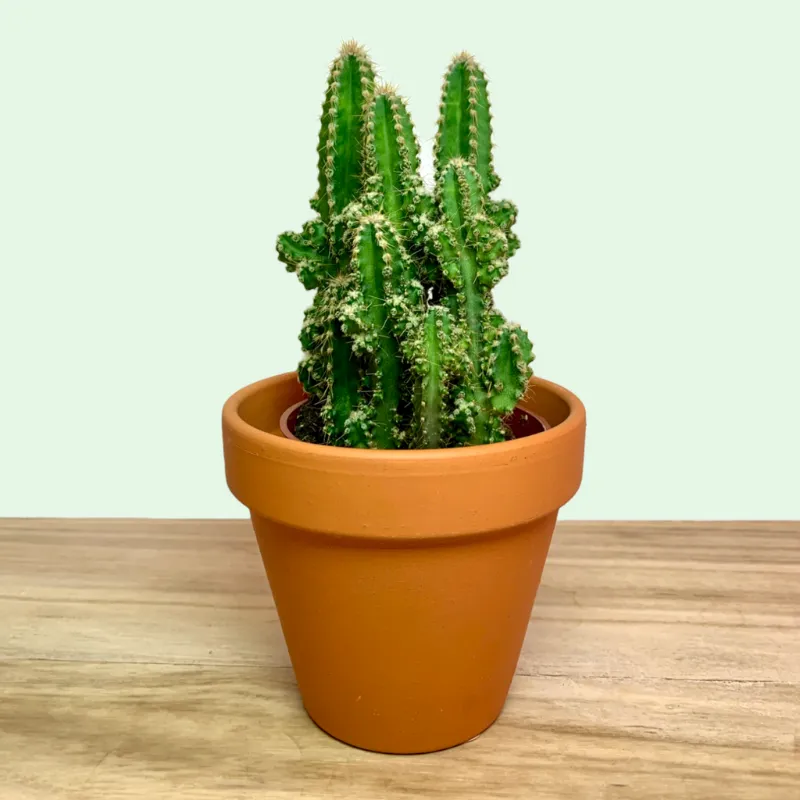
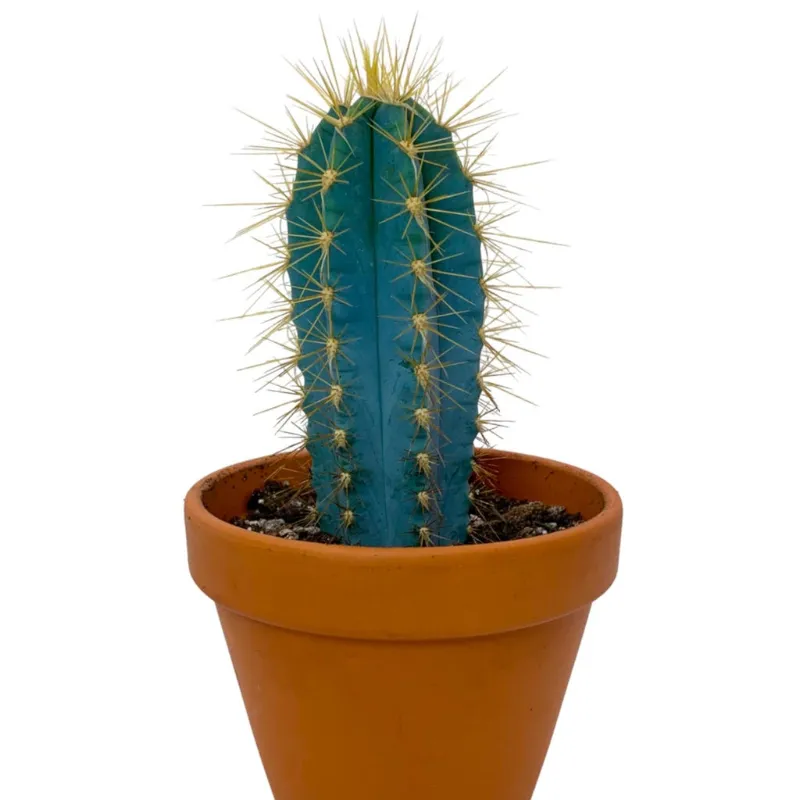
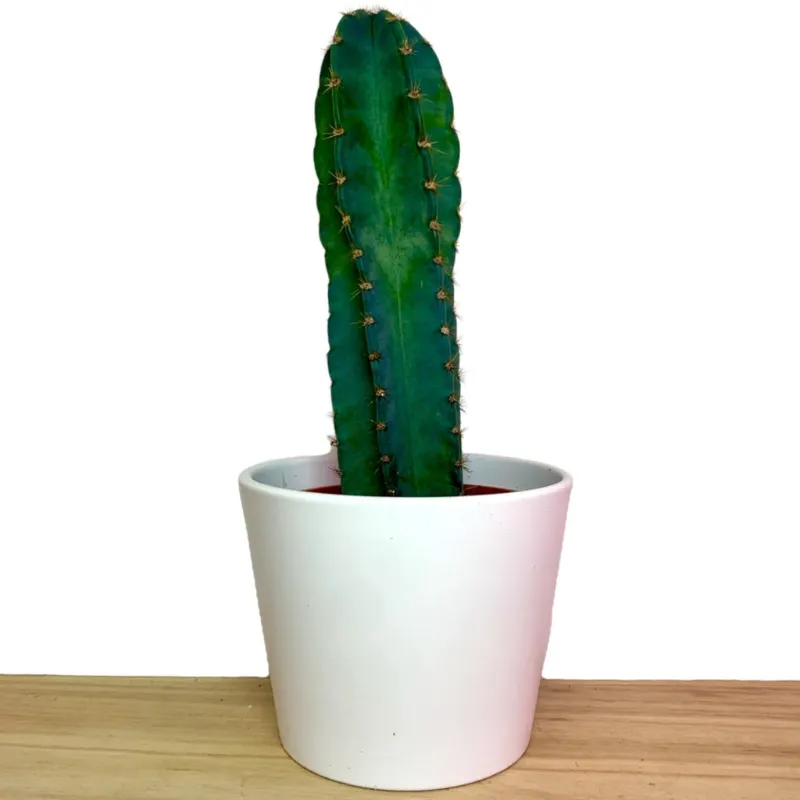 Shopping at Cactus en Ligne? See the discount code
10% OFF All Orders
Shopping at Cactus en Ligne? See the discount code
10% OFF All Orders
More in this series
Do Grafted Moon Cactus Plants Live Long? What to Expect and How to Extend Their Life12 Aug 20264 minBest Substrate for Cacti: When to Use Pine Bark and How to Mix It12 Aug 20264 min Why Is My Euphorbia Milii Dropping Leaves? Common Problems and Solutions12 Aug 20266 min
 Fairy Castle Cactus vs Blue Torch Cactus: Which Columnar Cactus Is Right for You?12 Aug 20265 minHow to Care for a Moon Cactus: Watering, Light, and Lifespan Tips12 Aug 20264 min