 A Cactus en Ligne guide
Do Grafted Moon Cactus Plants Live Long? What to Expect and How to Extend Their Life
A moon cactus plant typically lives 1 to 3 years due to its grafted nature, though proper care can extend its lifespan significantly.
A moon cactus plant typically lives between 1 and 3 years, though with attentive care you can push some specimens to 5 years or occasionally longer. The colorful top (a Gymnocalycium mihanovichii mutant) lacks chlorophyll and depends entirely on the rootstock cactus beneath it, creating an inherent vulnerability that limits the moon cactus lifespan compared to non-grafted cacti.
Why Grafted Cacti Have Shorter Lifespans
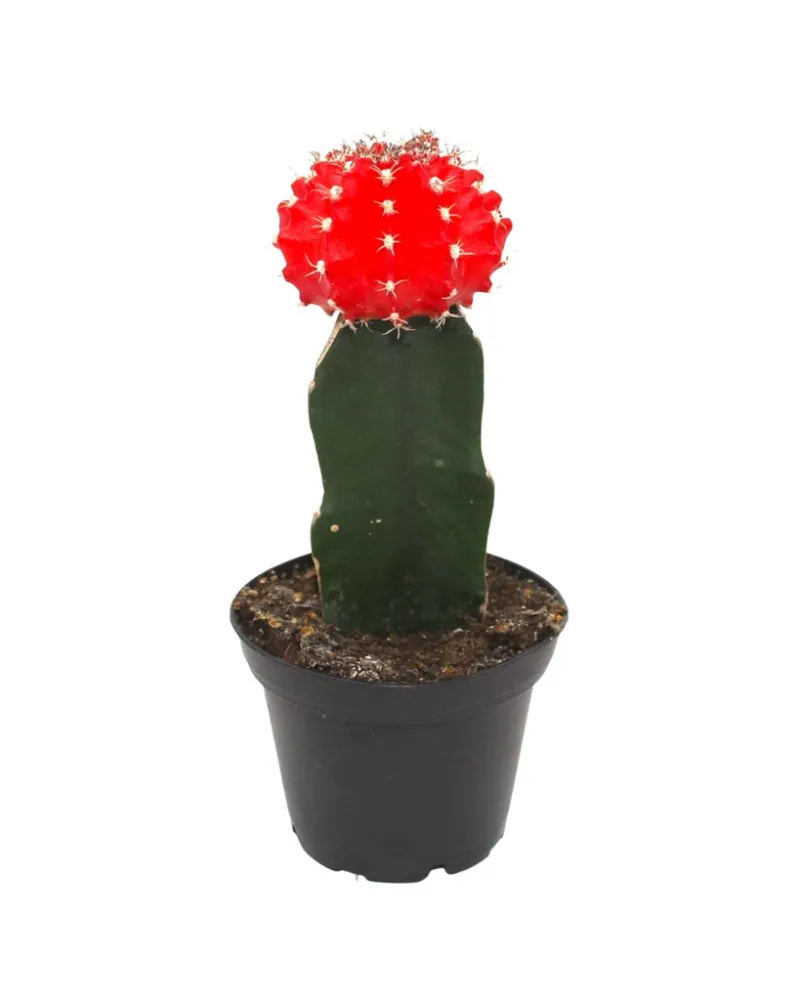
The moon cactus plant you see in stores is actually two cacti fused together. The brightly colored top cannot photosynthesize on its own, so growers graft it onto a green base (often a dragon fruit cactus or cereus rootstock). This relationship works beautifully at first, but several factors shorten the overall lifespan:
- Growth rate mismatch: The rootstock and scion grow at different speeds, creating structural stress over time that eventually breaks the graft union.
- Rootstock exhaustion: The base cactus supplies all nutrients and energy, gradually weakening under the constant demand.
- Graft rejection: As both plants age, compatibility issues can trigger a slow rejection process where tissue dies at the graft site.
- Top-heavy imbalance: The colorful Gymnocalycium often outgrows its base, making the plant unstable and prone to snapping.
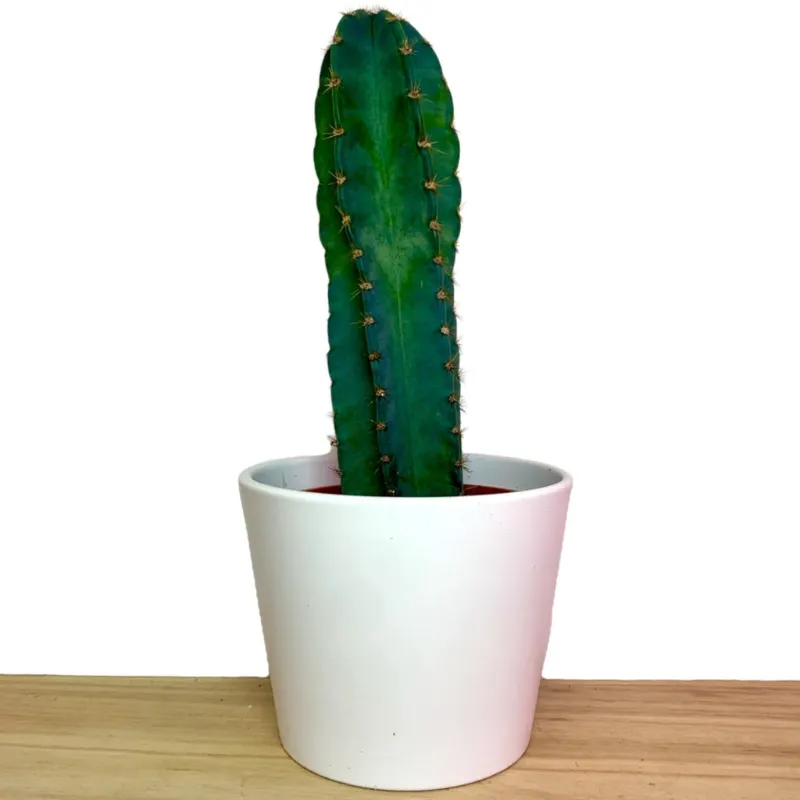
A c. peruvianus base tends to outlast softer, faster-growing dragon fruit rootstocks by six months to a year.
Moon Cactus Plant Care to Maximize Longevity
Proper care cannot eliminate the biological clock of a grafted cactus, but it can meaningfully delay decline. Follow these evidence-backed practices:
Watering: Allow the soil to dry completely between waterings. Overwatering rots the rootstock and kills the entire plant within weeks. In summer, water every 10 to 14 days; in winter, stretch it to 3 to 4 weeks.
Light: Provide bright, indirect light for 4 to 6 hours daily. Direct midday sun can scorch the colorful top, while too little light weakens the rootstock. An east-facing window works well year-round.
Soil and drainage: Use a true cactus mix or amend standard potting soil with 50% perlite or coarse sand. The rootstock must never sit in moisture.
Temperature: Keep the plant between 65°F and 80°F. Cold stress below 50°F damages the graft union and accelerates decline.
Feeding: Apply a diluted (half-strength) cactus fertilizer once in spring and once in early summer. Overfertilizing pushes the scion to grow too quickly, stressing the graft.
For complete seasonal guidance, the Almanac’s moon cactus care tips cover temperature adjustments and repotting timing in detail.
Can Moon Cactus Grow Without Grafting?
No, the colorful moon cactus cannot survive on its own. The red, yellow, orange, or pink varieties are chlorophyll-deficient mutants that cannot produce energy through photosynthesis. Without a green rootstock supplying sugars and nutrients, the scion dies within days to weeks.
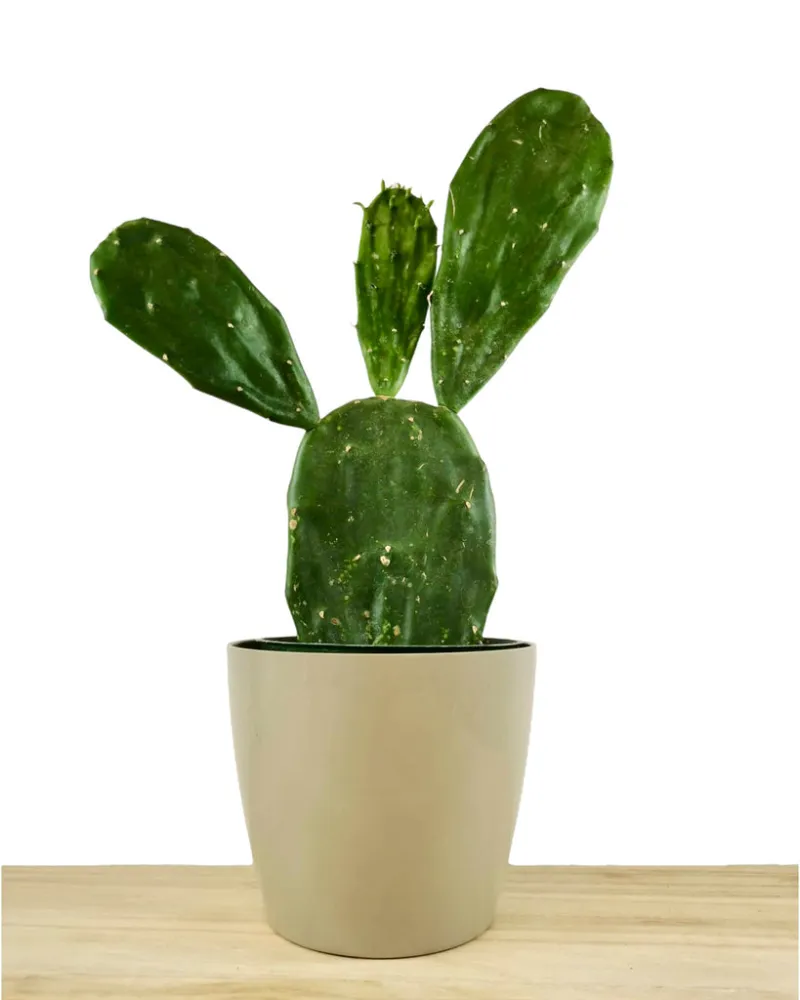
Some sellers experiment with grafting moon cacti onto hardier bases like opuntia ficus indica or fairy castle cactus, but these combinations rarely improve lifespan because growth habits differ too drastically. Stick with traditional columnar rootstocks for the best results.
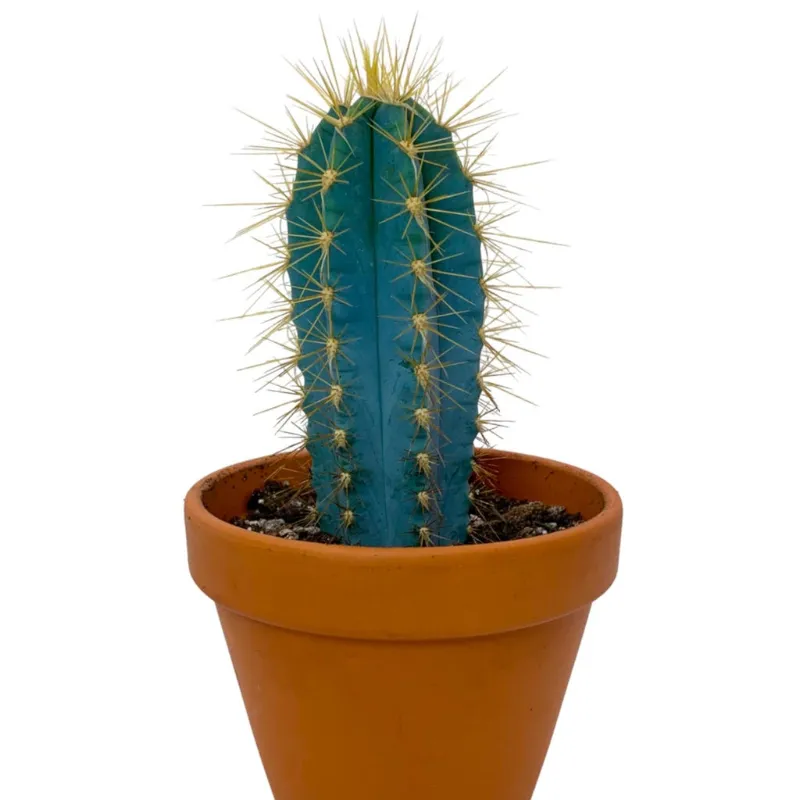
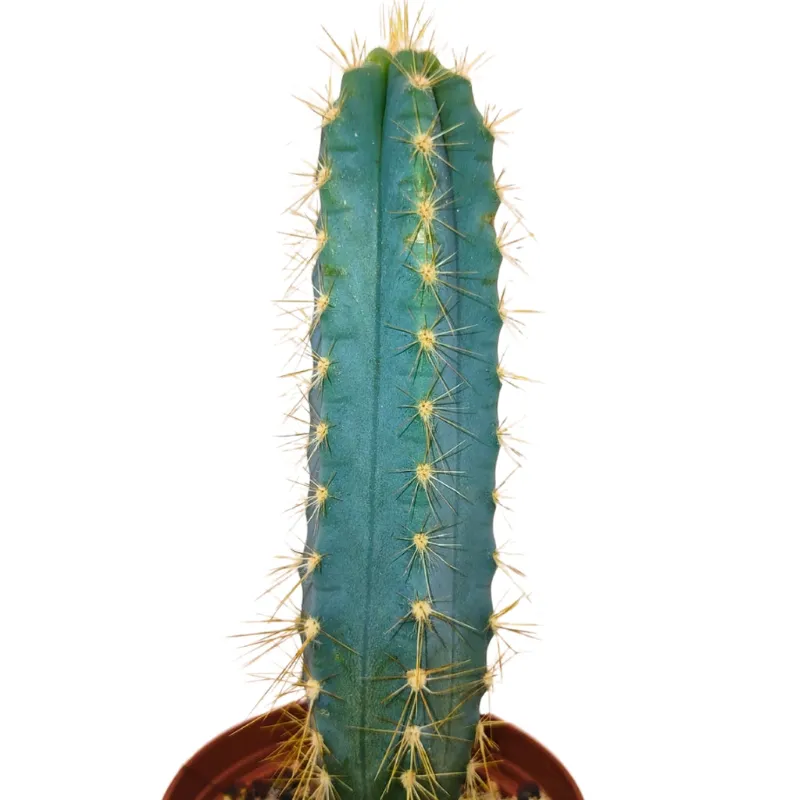
If you want a long-lived cactus without grafting complications, consider a standalone blue torch cactus or ficus opuntia, both of which thrive for decades with minimal intervention.
Signs Your Moon Cactus Is Declining and What to Do
Watch for these indicators that your plant is nearing the end of its natural lifespan:
- Yellowing or softening at the graft junction (the point where top meets base)
- Leaning or wobbling as the graft union weakens
- Shriveling of the colorful top even with proper watering
- Brown, mushy spots on the rootstock, signaling rot
- Pups or offsets sprouting from the rootstock base, diverting energy away from the scion
When the graft fails, you have two options. First, you can attempt to re-graft the colorful top onto a fresh rootstock if the scion tissue is still firm and healthy. This requires a sterile knife, a compatible base like cactus opuntia ficus, and patience, but we have successfully extended plants by another year this way.
Second, you can let the rootstock live on. Many dragon fruit and cereus bases continue growing for years after the colorful top dies. They will not produce the vibrant moon cactus flower (which is rare even on healthy grafts), but they make perfectly fine standalone cacti.
Check current pricing and grab our discount code before ordering a replacement or a hardier alternative.
Comparing Lifespan: Moon Cactus vs. Other Popular Cacti
Understanding how moon cactus lifespan stacks up against other options helps set realistic expectations:
| Cactus Type | Typical Lifespan | Grafting Required |
|---|---|---|
| Moon cactus (grafted) | 1 to 3 years | Yes |
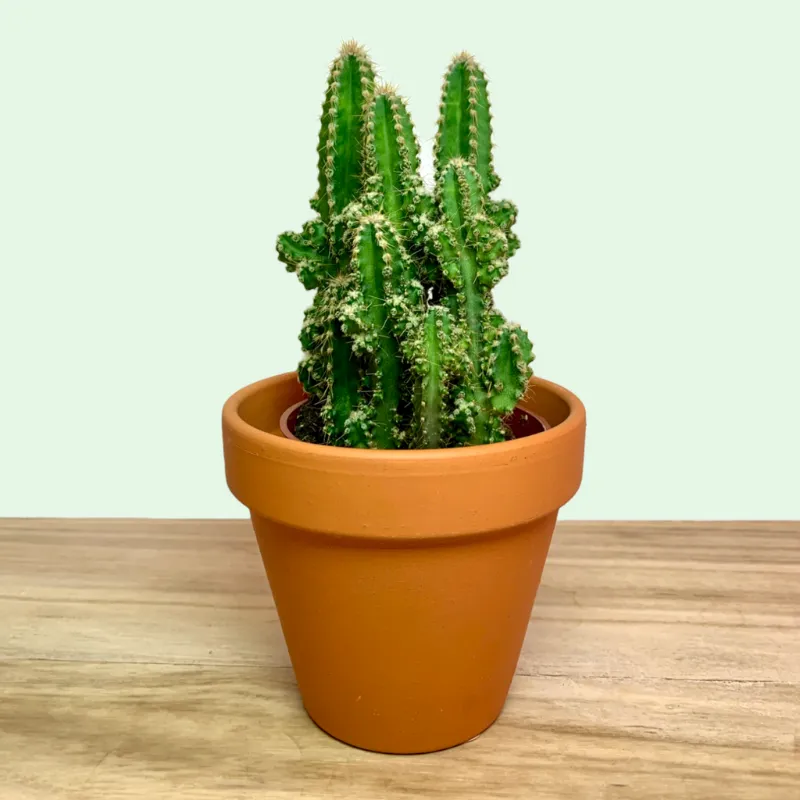
| Fairy castle cactus | 10 to 20 years | No |
| Blue torch cactus | 20 to 30 years | No |
| Dragon fruit cactus | 20+ years | No |
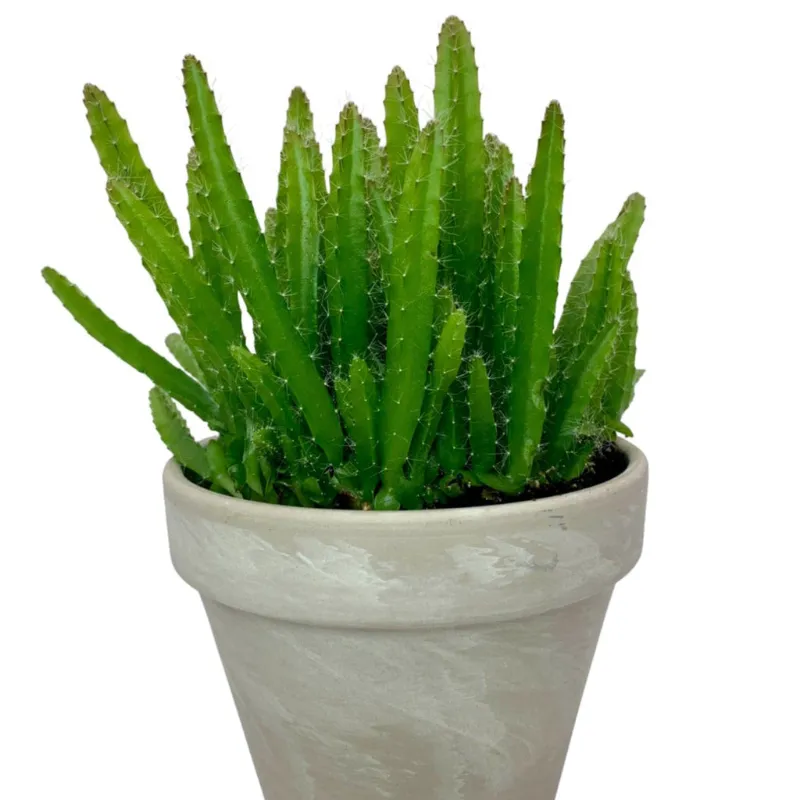
Non-grafted cacti like the fairy castle cactus or blue torch cactus live dramatically longer because they grow on their own roots without the metabolic burden of supporting a parasitic scion. If longevity is your priority, these are better investments, though they lack the neon colors that make moon cacti so popular.
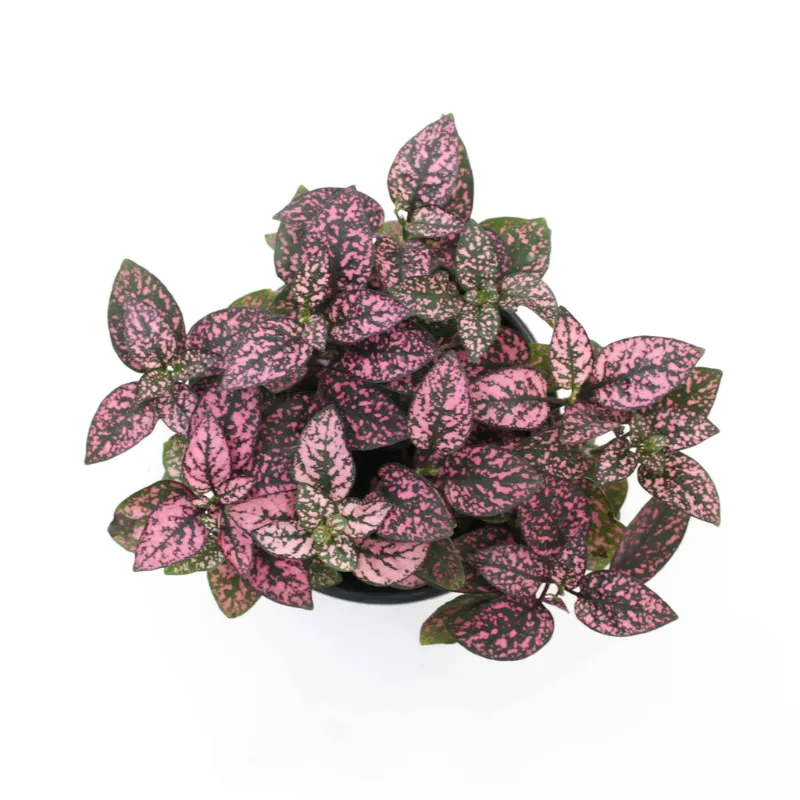
For variety beyond cacti, the pink polka dot plant and begonia ferox offer bold foliage without grafting complications, and the euphorbia milii delivers vibrant blooms with decades of life ahead.
Getting the Most Value from Your Grafted Cactus
We recommend treating a moon cactus plant as a colorful, medium-term accent rather than a permanent collection piece. Buy one when you want a pop of vivid red, yellow, or pink, enjoy it for a year or two, and then replace it or let the rootstock continue on its own.
To stretch your investment, visit our Cactus en Ligne discount code page for current offers on moon cacti and longer-lived alternatives. Pair your grafted cactus with a non-grafted backup like cereus or opuntia ficus indica so you always have a thriving cactus on display.
Despite their limited moon cactus lifespan, these plants deliver unmatched color intensity and require less space than sprawling columnar varieties. With realistic expectations and consistent moon cactus plant care, you will enjoy every month of their vibrant, albeit brief, life.
Questions
How long does a grafted moon cactus typically live?
Most grafted moon cacti live 1 to 3 years, with exceptional care sometimes extending lifespan to 5 years. The graft union eventually weakens as the two cacti grow at different rates.
Can I regraft a moon cactus when the original graft fails?
Yes, if the colorful top is still firm and healthy, you can cut it cleanly and graft it onto a fresh rootstock like dragon fruit or cereus. This can add another year or more of life.
Do moon cacti ever produce flowers or fruit?
Moon cactus flowers are rare and small, usually appearing only on very healthy, mature specimens. The plant does not produce edible moon cactus fruit because the colorful scion is a sterile mutant.
Why is my moon cactus turning brown at the base?
Browning at the graft junction or rootstock signals rot from overwatering, graft failure from age, or infection. Reduce watering immediately and check that the soil drains freely.
What happens to the rootstock after the colorful top dies?
The rootstock (often dragon fruit or cereus) usually continues growing as a normal green cactus. You can keep it as a standalone plant or use it to graft a new colorful scion.
Are there any moon cactus plant benefits beyond appearance?
Moon cacti are compact, require minimal water, and tolerate indoor conditions better than many houseplants. However, their primary benefit is their vivid, unnatural coloration, which no other cactus offers.
Products in this guide
 Shopping at Cactus en Ligne? See the discount code
10% OFF All Orders
Shopping at Cactus en Ligne? See the discount code
10% OFF All Orders
More in this series
Best Substrate for Cacti: When to Use Pine Bark and How to Mix It12 Aug 20264 min Why Is My Euphorbia Milii Dropping Leaves? Common Problems and Solutions12 Aug 20266 minCan You Eat Cactus Fruit From Opuntia Ficus Indica? Safety and Preparation Guide12 Aug 20265 minFairy Castle Cactus vs Blue Torch Cactus: Which Columnar Cactus Is Right for You?12 Aug 20265 minHow to Care for a Moon Cactus: Watering, Light, and Lifespan Tips12 Aug 20264 min