 A Cactus en Ligne guide
Best Substrate for Cacti: When to Use Pine Bark and How to Mix It
Pine bark is one of the best organic amendments for cactus substrate when you need improved aeration and slower water retention than pure mineral mixes.
Why Pine Bark Works Well for Cactus Substrate
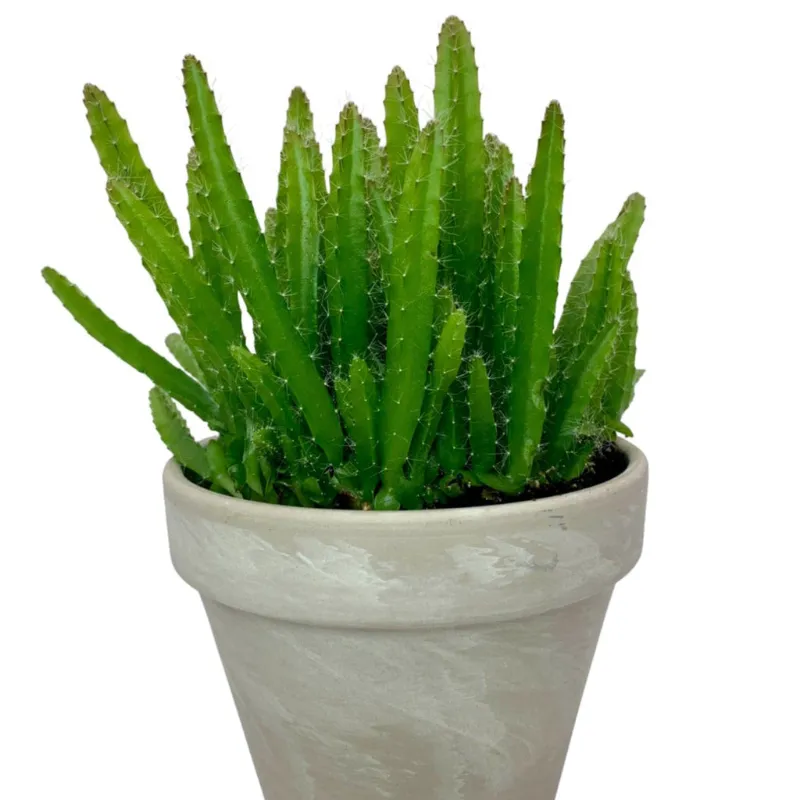
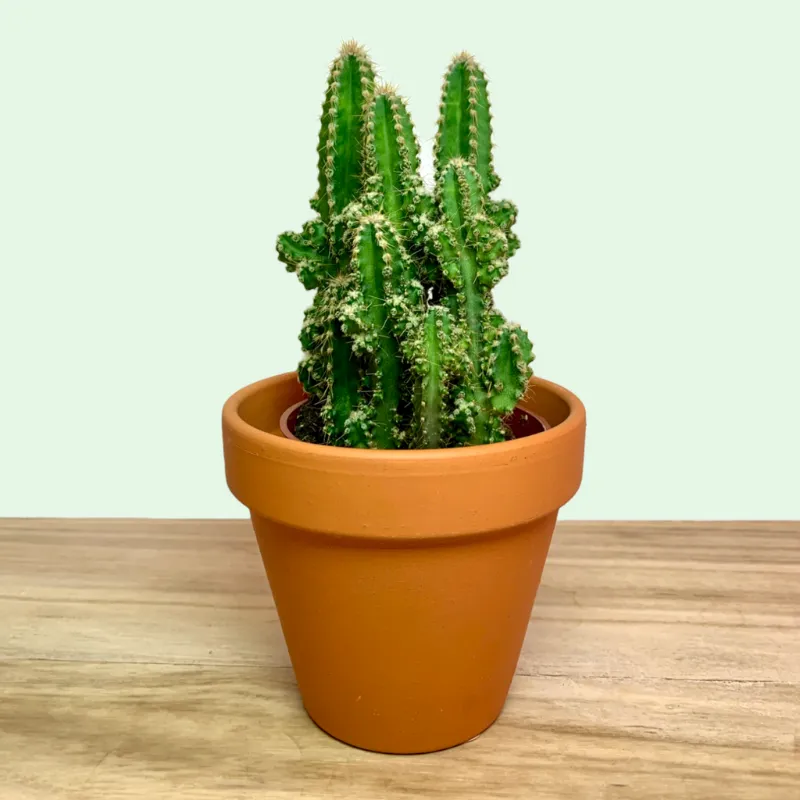
Pine bark is one of the best organic amendments for cactus substrate when you need improved aeration and slower water retention than pure mineral mixes. It resists compaction better than peat or coconut coir, maintains air pockets around roots, and breaks down slowly enough to last multiple growing seasons. We recommend it for columnar and epiphytic cacti that appreciate slightly more moisture retention than desert species, including dragon fruit cactus, cereus, and fairy castle cactus.
Most growers use pine bark in combination with pumice, perlite, or coarse sand rather than alone. The bark provides structure and some nutrient exchange while mineral components ensure fast drainage. Research from the USDA Agricultural Research Service confirms that aged pine bark maintains porosity and supports root health in container mixes better than many alternatives.
Which Cacti Benefit Most from Pine Bark Mixes
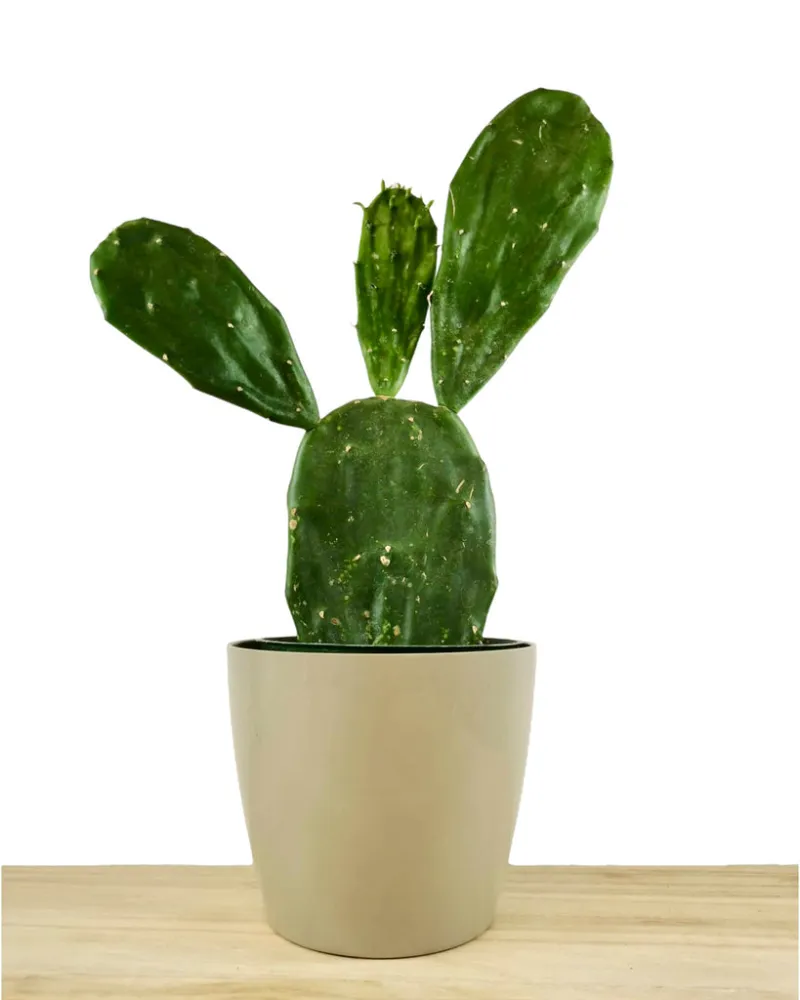
Not every cactus thrives with pine bark. Desert-native species such as opuntia ficus indica and cactus opuntia ficus prefer faster-draining, mineral-heavy substrates with minimal organic matter. These prickly pears evolved in arid environments where water drains within minutes, so too much bark can hold moisture against their roots and invite rot.
Cacti that benefit from moderate pine bark content include:
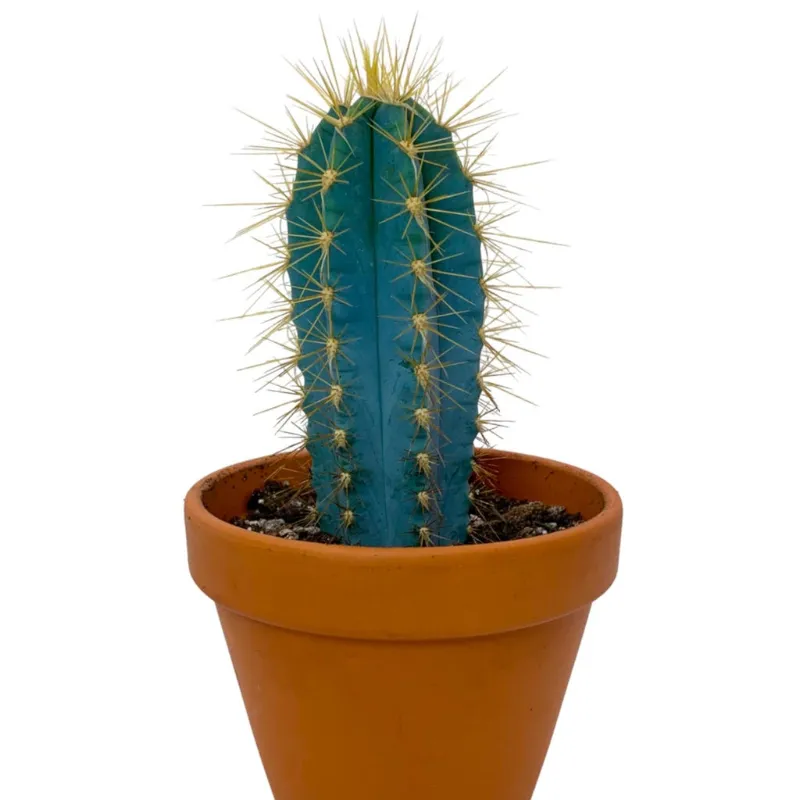
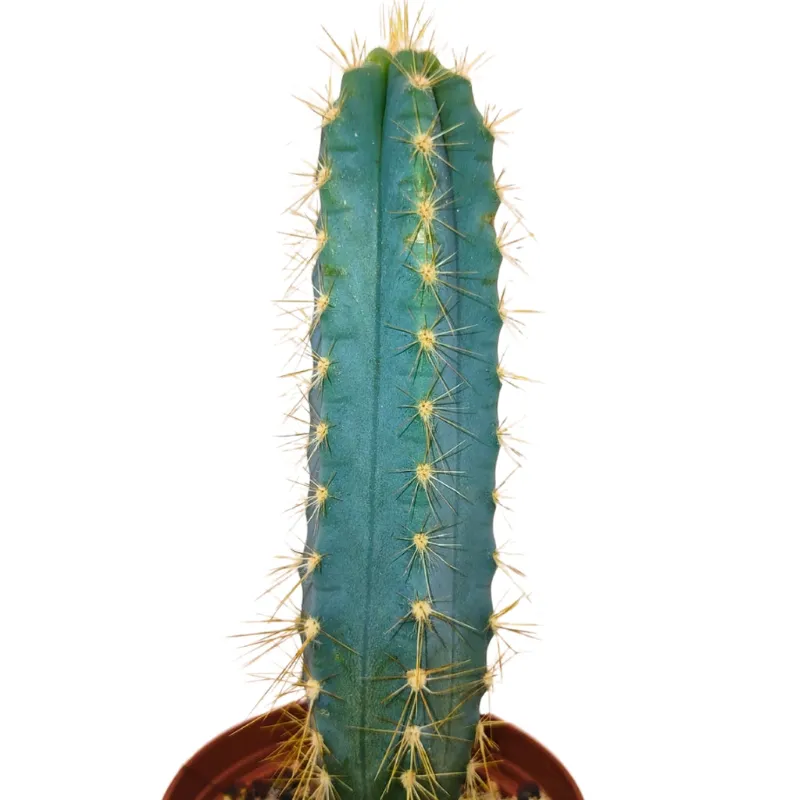
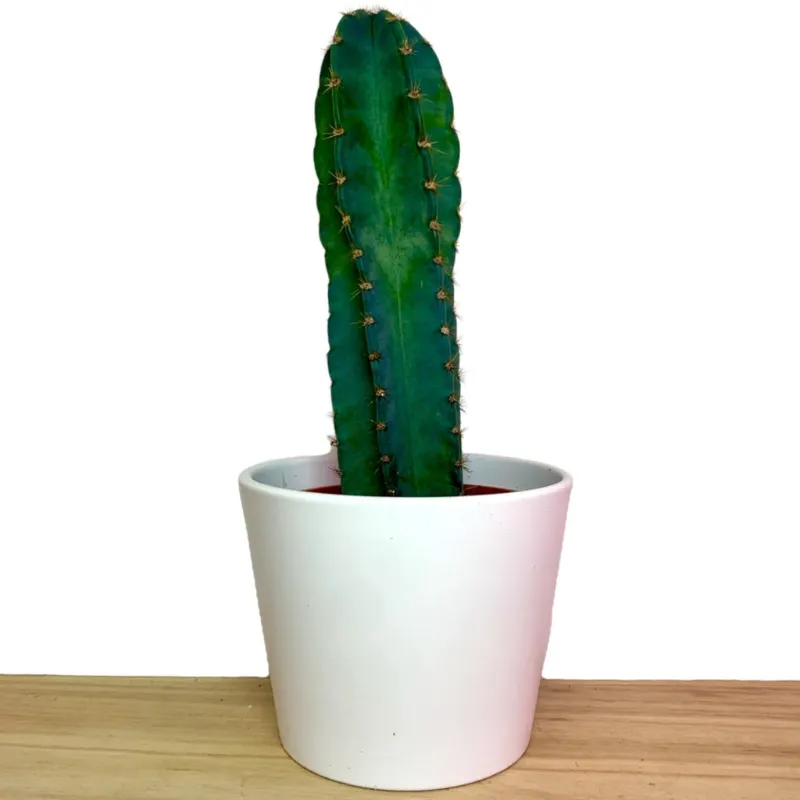
- Columnar cacti like blue torch cactus and c. peruvianus, which tolerate brief moisture retention
- Epiphytic cacti such as holiday cacti and some dragon fruit cactus varieties that naturally grow on trees
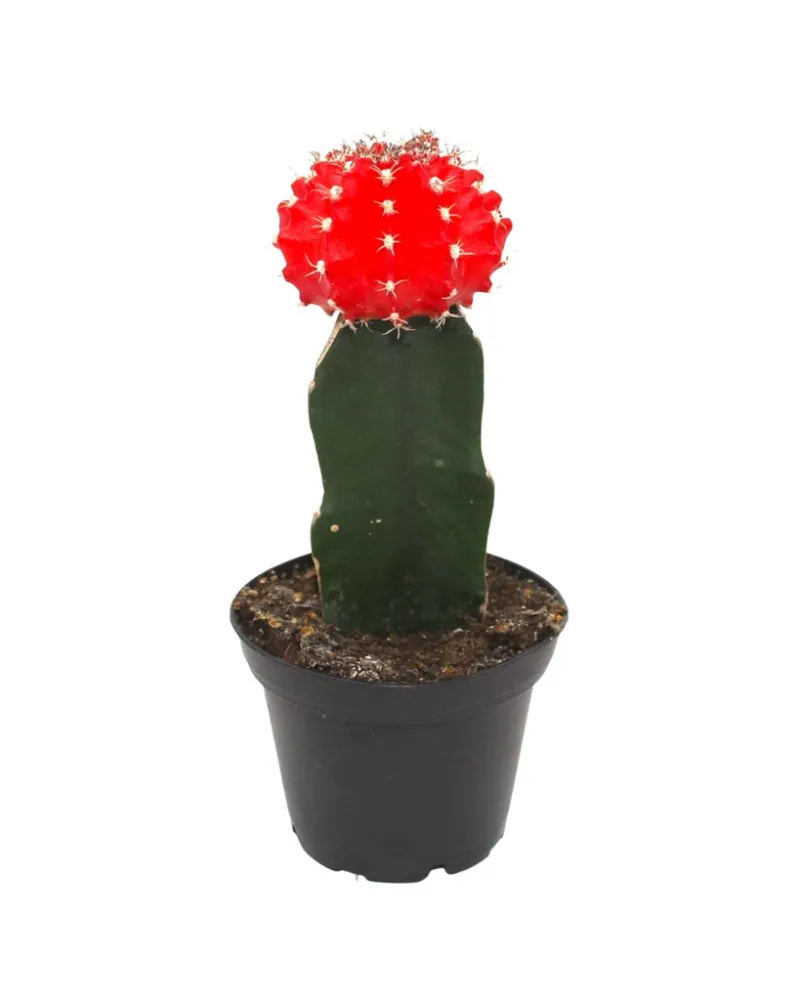
- Grafted specimens like moon cactus plant, where the rootstock often appreciates a richer mix
- Young seedlings and cuttings that benefit from the bark’s ability to hold just enough moisture during root establishment
If you are growing a mix of species, check current pricing and grab our discount code to save on multiple plants and experiment with substrate ratios for each type.
Pine Bark Sizing and Types for Cacti
The size of your pine bark nuggets or chips matters as much as the percentage you use. We recommend 3 to 8 mm particles for most cactus mixes. Anything larger creates air gaps that are too large and dries roots out unevenly, while finer pine bark mulch behaves more like compost and retains too much water.
Pine bark nuggets sold as mulch at garden centers often come in sizes suited for landscaping, not containers. Look for horticultural-grade bark labeled for potting or orchid mixes. Bark marketed for orchids is usually sized between 6 and 12 mm, which works for larger cacti but should be screened for smaller pots.
Where to buy pine bark suitable for cacti:
- Orchid supply retailers (pre-sized and aged)
- Specialty nurseries carrying bonsai or succulent supplies
- Online horticultural suppliers that list particle size
- Local garden centers if you can inspect and sift the product yourself
Avoid fresh or uncomposted bark. Fresh pine bark can tie up nitrogen as it decomposes and may contain resins that inhibit root growth. Aged bark that has weathered for six months or longer is safer and more stable.
How to Mix Pine Bark Into Cactus Substrate
We use pine bark as 10 to 30 percent of the total volume, depending on the species and climate. A standard mix for columnar cacti looks like this:
| Ingredient | Percentage | Purpose |
|---|---|---|
| Pumice or perlite | 40-50% | Primary drainage and aeration |
| Pine bark (aged) | 20-25% | Structure and moisture buffer |
| Coarse sand | 20-25% | Weight and drainage |
| Potting soil | 10-15% | Nutrient base |
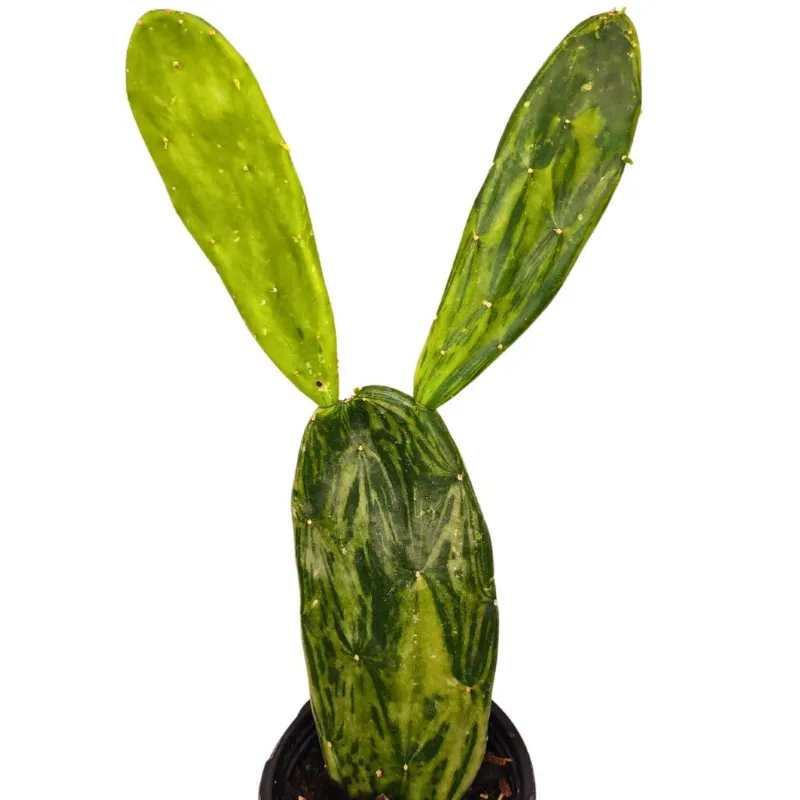
For desert species like ficus opuntia, reduce pine bark to 10 percent or eliminate it entirely in favor of additional pumice. For moisture-loving cacti such as dragon fruit cactus, you can push bark content to 30 percent and reduce sand.
Mixing instructions:
- Rinse pine bark to remove dust and fine particles that clog drainage
- Combine all dry ingredients in a large tub or bucket
- Mix thoroughly until components are evenly distributed
- Moisten lightly before potting so the bark does not float during the first watering
- Test drainage by watering a sample pot; water should flow through in under 10 seconds
If you are potting multiple cacti at once, use our discount code to stock up on plants like fairy castle cactus and cereus and customize mixes for each.
Pine Bark Mulch Pros and Cons for Container Cacti
Using pine bark for plants in containers offers clear benefits, but it is not ideal for every situation.
Advantages:
- Resists compaction over time, maintaining air circulation around roots
- Provides slow-release tannins and trace minerals as it ages
- Lightweight compared to sand or gravel, reducing pot weight
- Sustainable and widely available in most regions
- Buffers pH slightly acidic, which suits many cacti
Drawbacks:
- Breaks down faster in hot, humid climates and may need replacement every two years
- Can retain too much moisture for true desert cacti
- Quality varies widely; some commercial pine bark mulch contains dyes or additives
- Floats to the surface if not pre-moistened before potting
- May attract fungus gnats if kept consistently wet
Pine bark mulch benefits are well-documented for garden beds, but container culture demands finer sizing and careful moisture management.
Alternatives and Complementary Amendments
If pine bark is not available or does not suit your climate, consider these alternatives:
- Coconut husk chips offer similar structure with faster wetting and drying cycles
- Pumice alone in a 50/50 mix with potting soil for ultra-fast drainage
- Perlite as a lighter, mineral alternative that never decomposes
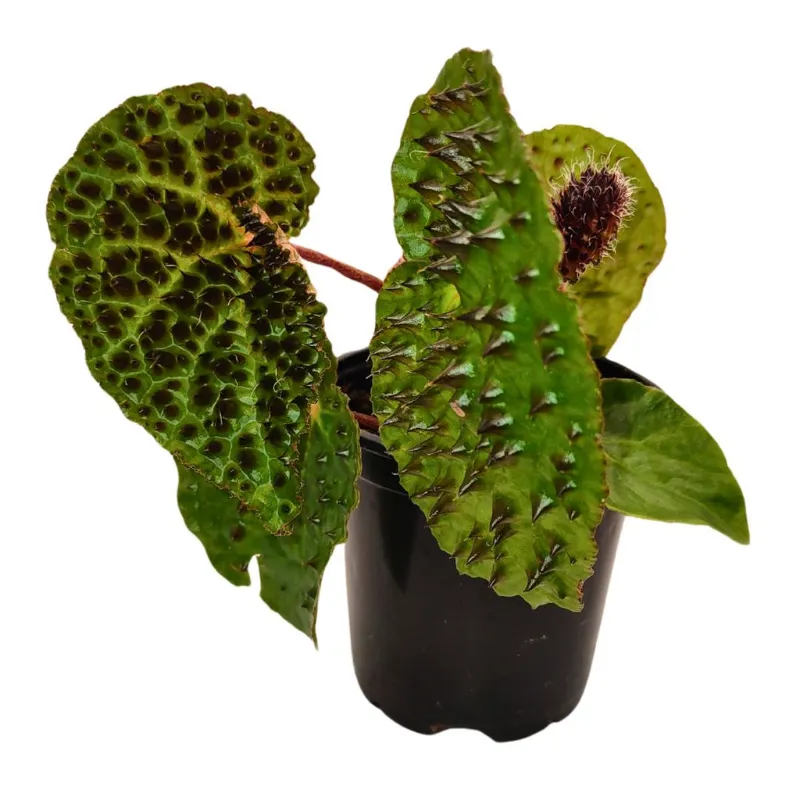
- Composted hardwood bark for species like begonia ferox or pink polka dot plant that prefer richer mixes
You can also layer pine bark on the soil surface as a top dressing to slow evaporation and reduce soil splash during watering. This works especially well for taller columnar species such as blue torch cactus and c. peruvianus.
For the best results, match your substrate to your watering habits and local humidity. Growers in dry climates can use more bark safely, while those in humid regions should lean toward mineral-heavy mixes. Check the latest pricing and order a variety of cacti to test which ratios work best in your conditions.
Questions
Can I use pine bark mulch from a hardware store for my cactus mix?
You can if the mulch is untreated and you sift it to remove pieces larger than 8 mm. Avoid dyed or chemically treated products, and rinse thoroughly before mixing to remove dust and fine particles that reduce drainage.
How much pine bark should I add to cactus soil?
Use 10 to 30 percent pine bark by volume depending on the species. Columnar and epiphytic cacti tolerate 20 to 30 percent, while desert cacti like opuntia do best with 10 percent or none at all.
Does pine bark lower the pH of cactus substrate?
Aged pine bark lowers pH slightly, creating a mildly acidic mix around 5.5 to 6.5. Most cacti tolerate this range well, and you can add a small amount of lime if you need to raise the pH.
How long does pine bark last in a cactus pot before breaking down?
Aged pine bark typically lasts two to three years in containers before decomposing enough to require replacement. In hot, humid climates it may break down faster, while cooler, drier conditions extend its lifespan.
Is pine bark better than perlite for dragon fruit cactus?
Pine bark and perlite serve different roles. Use both together for dragon fruit cactus, with bark providing structure and slight moisture retention while perlite ensures fast drainage and aeration.
Where can I buy small-sized pine bark for potting cacti?
Look for orchid bark at specialty nurseries, bonsai suppliers, or online horticultural retailers. These sources carry pre-sized bark in the 3 to 8 mm range ideal for cactus containers.
Products in this guide
 Shopping at Cactus en Ligne? See the discount code
10% OFF All Orders
Shopping at Cactus en Ligne? See the discount code
10% OFF All Orders
More in this series
Do Grafted Moon Cactus Plants Live Long? What to Expect and How to Extend Their Life12 Aug 20264 min Why Is My Euphorbia Milii Dropping Leaves? Common Problems and Solutions12 Aug 20266 minCan You Eat Cactus Fruit From Opuntia Ficus Indica? Safety and Preparation Guide12 Aug 20265 minFairy Castle Cactus vs Blue Torch Cactus: Which Columnar Cactus Is Right for You?12 Aug 20265 minHow to Care for a Moon Cactus: Watering, Light, and Lifespan Tips12 Aug 20264 min