 A Langy Energy guide
Why Is My Attic Gable Fan Not Working? Common Troubleshooting Tips
An attic gable fan that stops working typically suffers from a tripped breaker, blocked blades, a faulty thermostat, or worn motor bearings.
An attic gable fan that stops working usually has one of four culprits: no power reaching the unit, obstructed or damaged blades, a malfunctioning thermostat, or a worn-out motor. We testventilation equipment year-round, and most failures trace back to these issues rather than catastrophic breakdowns.
Gable fans mount in the triangular end wall of your attic and pull hot air out through that opening. When they quit, your attic temperature can spike 20 to 30 degrees, stressing your HVAC system and shortening shingle life. The good news is that most problems are easy to diagnose and fix without calling an electrician.
Check Power Supply and Circuit Breaker First
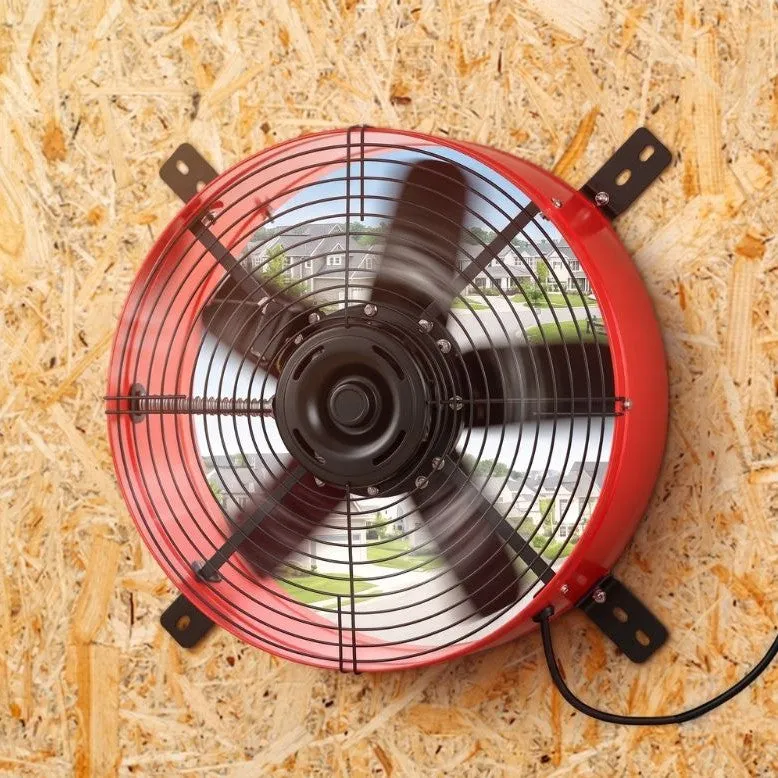
Before you climb into the attic, walk to your electrical panel and confirm the breaker for the attic gable fan is in the ON position. A tripped breaker is the single most common cause we see. Reset it and listen for the fan to spin up.
If the breaker trips again immediately, you likely have a short circuit in the wiring or motor. Leave the breaker off and inspect the unit more closely. If the breaker stays on but the fan still does not run, check these next:
- Disconnect switch: many gable fans have a dedicated switch near the unit or in the attic. Make sure it is flipped to ON.
- Fuse or inline breaker: some models include a small fuse in the junction box. Pop the cover and look for a blown fuse or tripped inline breaker.
- Voltage at the fan: if you own a multimeter, test for 120V at the fan terminals with the breaker on. No voltage means a wiring fault between the panel and the fan.
If you are shopping for a replacement or a second unit, grab the code to save 5% on your order at Langy Energy.
Inspect the Fan Blades and Louvers
Blocked or damaged blades will prevent startup or cause loud vibration. Climb into the attic with a flashlight and examine the fan housing.
- Debris: birds, wasps, leaves, and insulation scraps often wedge into the louvers or blades. Clear everything away and try spinning the blades by hand. They should rotate freely with minimal resistance.
- Bent blades: if a blade is warped or cracked, the fan may wobble or stall. Small bends can sometimes be straightened, but cracked blades require a replacement fan or blade assembly.
- Jammed louvers: exterior louvers should open when the fan runs and close when it stops. If they are stuck shut, air cannot escape and the motor will labor or overheat.
After clearing obstructions, restore power and listen. A humming noise without blade movement usually means a seized motor bearing or capacitor failure.
Test and Replace the Thermostat or Humidistat
Most gable fans run automatically via a thermostat that triggers when attic temperature crosses a set point, typically 90 to 110°F. A failed thermostat leaves the fan silent even when the attic is sweltering.
| Symptom | Likely Cause | Quick Test |
|---|---|---|
| Fan never starts | Thermostat set too high or broken | Bypass the thermostat wires and connect fan direct to power |
| Fan runs nonstop | Thermostat stuck closed or set too low | Check set point or replace thermostat |
| Intermittent operation | Loose thermostat wire or corroded contact | Tighten connections and clean terminals |
To bypass the thermostat, disconnect the two thermostat wires and twist them together (power off first). Restore power. If the fan runs, the thermostat is the problem. You can replace a plug-in thermostat for $15 to $30, and installation takes five minutes.
Some units also use a humidistat to trigger the fan when moisture builds up. Test it the same way. If you need help identifying the right replacement part, check the latest price on our store page where current specs and compatibility details are listed.
Diagnose Motor and Capacitor Problems
If power reaches the fan, blades spin freely, and the thermostat works, the motor or starting capacitor is likely failing.
- Humming but not spinning: the capacitor gives the motor its initial kick. A bad capacitor hums but cannot start the blades. Capacitors are inexpensive and mount inside or near the motor housing. Match the microfarad (µF) rating printed on the old capacitor.
- No sound at all: the motor windings may be burned out. Use your multimeter to check continuity across the motor terminals. Infinite resistance means the motor is dead and the entire fan assembly needs replacement.
- Overheating and shutting off: motors have a thermal overload switch that cuts power when the unit gets too hot. This can happen if the attic is extremely hot, the fan is undersized, or the motor is clogged with dust. Clean the motor housing and ensure the attic has adequate intake vents to supply fresh air.
A worn motor bearing will also cause noise, vibration, and eventual failure. If you hear grinding or squealing, lubricate the bearing with electric motor oil (if the bearing has oil ports) or plan for a replacement.
Consider Upgrading to a Solar Attic Fan
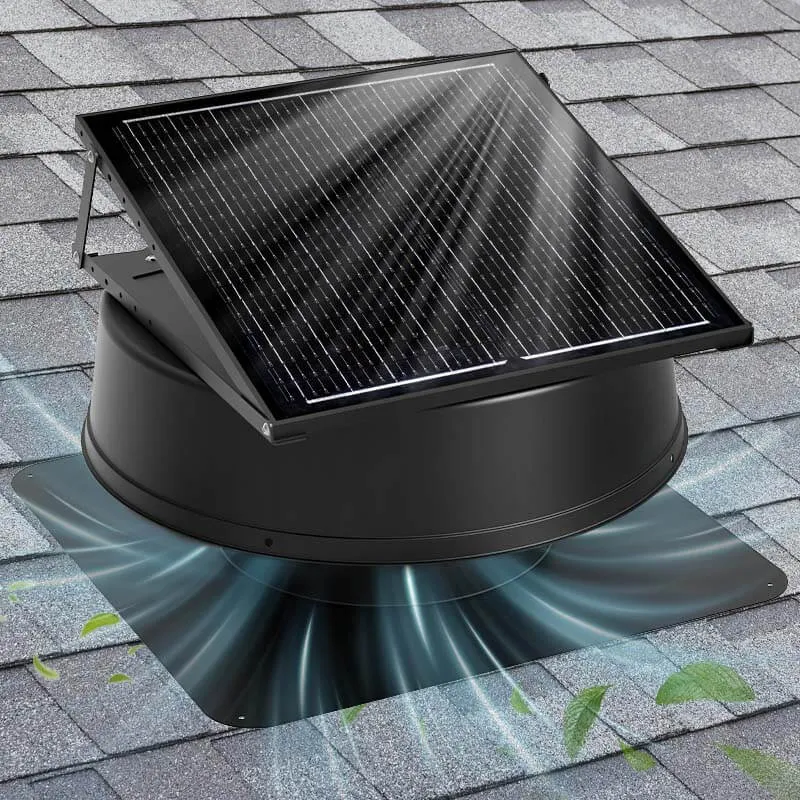
If your wired gable fan is old or you are tired of electrical troubleshooting, a solar attic fan can be a smart alternative. Solar models mount on the roof or gable, require no wiring, and run whenever the sun shines, which coincides perfectly with peak attic heat.
Solar fans eliminate thermostat failures and electrical shorts, though they depend on sunlight and will not run at night or during heavy cloud cover. For whole-house cooling, a traditional gable fan with reliable wiring and a quality thermostat still offers the best performance.
When to Call a Professional
Most attic gable fan repairs are DIY-friendly if you are comfortable working with basic electrical components. However, call an electrician or HVAC technician if you encounter any of these:
- Sparking, burning smell, or scorched wiring
- Repeated breaker trips even after clearing obstructions
- No voltage at the fan despite a live breaker
- Structural damage to the gable vent or fan mounting
We also recommend a professional inspection if your attic fan is more than 15 years old. Motors and thermostats degrade over time, and a full replacement may cost less than chasing multiple small repairs. For current pricing and to apply our exclusive discount, visit the Langy Energy discount code page before you order.
Questions
Why does my attic gable fan hum but not spin?
A humming sound without blade movement usually indicates a failed starting capacitor. The capacitor provides the initial electrical boost to start the motor, and when it fails the motor draws current but cannot overcome inertia. Replace the capacitor by matching the microfarad rating on the old unit.
How do I know if my attic fan thermostat is broken?
Bypass the thermostat by disconnecting its two wires and twisting them together with the power off, then restore power. If the fan runs continuously, the thermostat was preventing operation and should be replaced. If the fan still does not run, the problem lies elsewhere.
Can I run my gable fan without a thermostat?
Yes, but you will need to control it manually with a wall switch, which means the fan will not respond automatically to attic temperature. Most homeowners prefer a thermostat for set-it-and-forget-it convenience and energy savings.
What causes an attic fan to trip the breaker repeatedly?
Repeated breaker trips point to a short circuit in the wiring, a failing motor drawing excessive current, or a ground fault. Inspect the fan wiring and motor for damage or corrosion, and replace any compromised components before resetting the breaker.
How often should I clean my attic gable fan?
Inspect and clean your gable fan at least once a year, ideally in early spring before cooling season. Remove dust, insulation fibers, and debris from the blades, louvers, and motor housing to maintain airflow and prevent overheating.
Is a solar attic fan as powerful as a wired gable fan?
High-quality solar attic fans can move 500 to 1,500 CFM, which matches many wired gable fans. However, solar models only run when sunlight is available, so they will not ventilate at night or on overcast days. For 24-hour control, a wired fan with a thermostat remains the best choice.
Products in this guide
Shopping at Langy Energy? See the discount code
5% OFF All Orders
More in this series
 How Long Do Bug Zappers Actually Last Before Replacement?20 Aug 20265 min
 UFO High Bay Light Buying Guide: Lumens, Coverage, and Warehouse Use20 Aug 20266 min
 Do Solar Street Lights Last Through Winter? Longevity and Performance20 Aug 20265 minMosquito Zapper vs Bug Zapper: What Is the Difference?20 Aug 20265 minHow to Install a Solar Attic Fan: Step-by-Step Guide for DIYers20 Aug 20266 min