 A Langy Energy guide
How Long Do Bug Zappers Actually Last Before Replacement?
Bug zappers typically last 1 to 3 years depending on bulb quality, weather exposure, and how often you maintain the electrical grid.
Bug zappers typically last between one and three years before you need to replace key components or the entire unit. The UV bulb is usually the first thing to go, losing effectiveness after 3,000 to 8,000 hours of use, while the electrical grid and housing can survive much longer with proper care.
Understanding what wears out first helps you plan replacements and avoid wasting money on a new zapper when all you need is a fresh bulb.
What Determines Bug Zapper Lifespan
Three core components control how long your unit will serve you, and they fail at different rates.
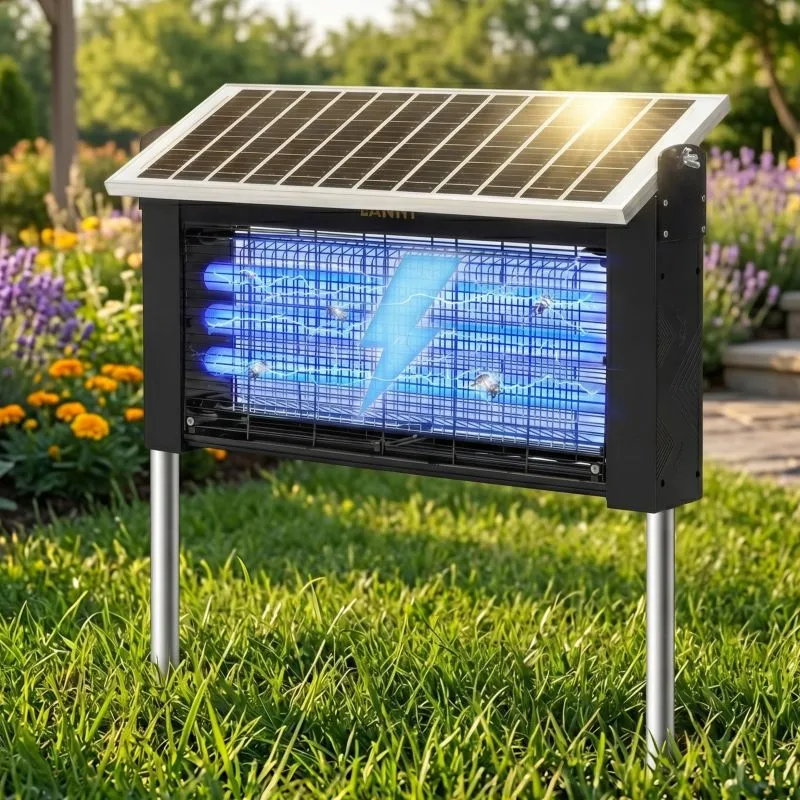
UV bulb degradation is the most common limit. Fluorescent UV-A bulbs lose 30 to 50 percent of their output after 2,000 hours, even though they still glow. LED bulbs in newer bug zappers can run 20,000 hours or more before dimming, but they cost more upfront.
Electrical grid wear happens when debris, corrosion, or repeated arcing damages the high-voltage mesh. Stainless steel and aluminum grids outlast cheap galvanized wire, especially in humid climates. We’ve seen grids corrode through in under a year near saltwater, while inland units with covered housings can go five years.
Housing and weatherproofing matter most for outdoor models. Plastic UV-stabilized cases resist sun damage better than untreated ABS, and units with IPX4 or higher ratings keep rain from shorting circuits. If you’re mounting a mosquito zapper on a porch or patio, look for weatherproof seals around the bulb socket and power cord entry.
When to Replace the Bulb vs. the Whole Unit
You don’t always need a new zapper. Start by diagnosing which part has failed.
Replace the bulb if:
- Insects fly near the light but don’t get zapped (the UV output has faded)
- The bulb still glows but catches half as many bugs as it used to
- You’ve run the unit nightly for an entire season (roughly 1,500 hours)
- The grid sparks and zaps when you test it with a screwdriver
Most fluorescent UV bulbs cost $8 to $15 and unscrew or clip out in under five minutes. Check your model number and order the exact wattage and base type. Running a weak bulb wastes electricity and lets mosquitoes ignore the unit.
Replace the entire zapper if:
- The grid has visible rust, broken wires, or no longer sparks
- The housing is cracked and lets moisture into the electronics
- The power supply or transformer has failed (no hum, no zap)
- Replacement bulbs cost more than half the price of a new unit
We recommend upgrading to an LED model when your old fluorescent unit dies. LED bug light units run cooler, last three to five times longer, and draw less power. Check the latest price to compare replacement bulbs against a new zapper with a warranty.
How Usage and Maintenance Extend Lifespan
Run time and cleaning schedules directly impact how many seasons you’ll get.
- Clean the grid every two weeks during peak bug season. Dead insects, pollen, and spider webs insulate the wires and reduce zapping efficiency. Unplug the unit, brush out debris with a nylon brush, and wipe the grid with a damp cloth.
- Turn off the zapper during the day unless you’re targeting daytime flies. UV bulbs have a rated hour count, so running 24/7 cuts lifespan in half compared to dusk-to-dawn operation.
- Store indoor units during winter to avoid freeze-thaw cycles that crack housings and corrode connections. Outdoor-rated models can stay mounted, but we still pull the bulb and store it inside.
- Use a surge protector to guard against lightning spikes if you’re in a storm-prone area. We’ve seen transformers blow out after a nearby strike even when the unit was turned off.
Proper care can push a quality unit from two years to four or more. Neglected zappers fail early no matter how much you paid.
Comparing Bug Zapper Bulb Types and Longevity
Not all bulbs age the same way. Here’s how the main types stack up.
| Bulb Type | Average Lifespan | Pros | Cons |
|---|---|---|---|
| Fluorescent UV-A | 2,000 to 4,000 hours | Cheap to replace, bright output | Loses effectiveness fast, fragile glass |
| LED UV | 15,000 to 25,000 hours | Long life, energy efficient, durable | Higher upfront cost, fewer retrofit options |
| Mercury vapor | 5,000 to 8,000 hours | Intense UV, works in cold weather | Contains mercury, harder to dispose of safely |
LED models have become our top pick for anyone buying a new unit. The initial price gap has narrowed, and you’ll recover the difference in bulb replacements and electricity savings within two seasons. If you’re already running a fluorescent bug zappers system, replacing the bulb annually keeps it effective without the cost of a full upgrade.
For current deals and our exclusive discount code, grab the code before you order. Langy Energy offers a 5% discount on all orders, which stacks up when you’re replacing multiple units or stocking spare bulbs.
Who Should Replace Early and Who Can Wait
Your replacement schedule depends on how you use the zapper and what you’re targeting.
Replace more often if you:
- Live in a high-humidity or coastal environment where corrosion accelerates
- Run the unit every night from April through October
- Need maximum effectiveness for outdoor dining, patios, or events where mosquitoes ruin the experience
- Notice a sharp drop in the number of zapped insects even after cleaning
You can wait longer if:
- The unit is under a covered porch or eave with minimal rain exposure
- You only run it a few nights a week or during gatherings
- The bulb is LED and still attracts insects reliably
- The grid and housing show no rust, cracks, or wear
We replace bulbs on a calendar schedule (every 12 months for fluorescent, every 3 years for LED) rather than waiting for total failure. A dim bulb still draws power but stops attracting bugs, so you’re paying to run an ineffective device.
Final Tips for Maximizing Your Investment
Track your bulb hours if your model doesn’t have a built-in timer. A simple outlet timer or smart plug lets you automate dusk-to-dawn operation and count total run time. When you hit 3,000 hours on a fluorescent bulb or 20,000 on an LED, plan the replacement even if the light still looks bright.
Keep a spare bulb on hand during peak mosquito season. Bulbs can blow unexpectedly, and waiting a week for shipping means a week of bites. We also recommend buying from brands that stock replacement parts for at least three years after the model launches. Nothing is more frustrating than a perfectly good zapper you can’t get a $12 bulb for.
If you’re shopping for a new unit, prioritize UV bulb accessibility, weatherproof ratings, and grid material over maximum coverage claims. A well-built bug light that lasts four years beats a cheap model you replace every summer.
Questions
How often should I replace the UV bulb in my bug zapper?
Replace fluorescent UV bulbs every 2,000 to 4,000 hours or once per season if you run the unit nightly. LED bulbs last 15,000 to 25,000 hours and typically need replacement every three to five years.
Can I just clean the grid instead of replacing the bulb?
Cleaning the grid removes debris and restores zapping power, but it won't fix a dim or faded UV bulb. If the light still glows but catches fewer insects, the bulb has lost UV output and needs replacement.
Do bug zappers wear out faster in humid climates?
Yes. Humidity and salt air accelerate corrosion on the electrical grid and internal components. Stainless steel grids and IPX4-rated housings last longer in coastal or high-humidity areas.
Is it worth repairing an old bug zapper or should I buy a new one?
Replace the bulb if the grid and housing are intact. Buy a new unit if the grid is corroded, the housing is cracked, or replacement bulbs cost more than half the price of a new zapper with a warranty.
How long do LED bug zappers last compared to fluorescent models?
LED bug zappers last three to five times longer than fluorescent units, typically 15,000 to 25,000 hours versus 2,000 to 4,000 hours. LED models also use less power and are more durable.
What shortens the lifespan of a mosquito zapper the most?
Running the unit 24/7, skipping regular grid cleaning, and exposing it to direct rain without weatherproofing are the top factors. UV bulbs also degrade faster in extreme heat or freezing temperatures.
Products in this guide
Shopping at Langy Energy? See the discount code
5% OFF All Orders
More in this series
 UFO High Bay Light Buying Guide: Lumens, Coverage, and Warehouse Use20 Aug 20266 min
 Why Is My Attic Gable Fan Not Working? Common Troubleshooting Tips20 Aug 20265 min
 Do Solar Street Lights Last Through Winter? Longevity and Performance20 Aug 20265 minMosquito Zapper vs Bug Zapper: What Is the Difference?20 Aug 20265 min
 How to Install a Solar Attic Fan: Step-by-Step Guide for DIYers20 Aug 20266 min