 A Langy Energy guide
Mosquito Zapper vs Bug Zapper: What Is the Difference?
A mosquito zapper targets specific biting insects with attractants, while a bug zapper kills any flying insect drawn to UV light.
A mosquito zapper adds a chemical attractant, such as octenol or CO2, to a UV light in order to lure biting insects specifically, while a standard bug zapper relies on UV light alone to draw in any flying insect nearby. The distinction matters because mosquitoes are not strongly drawn to UV light on their own, so a UV-only zapper can kill plenty of moths and beetles while missing many of the mosquitoes you actually want gone.
How a mosquito zapper differs from a standard bug zapper
The core difference is target specificity. A mosquito zapper combines UV light with a chemical lure, an octenol cartridge or a CO2 canister, that mimics the cues mosquitoes use to find a host. This dual-attractant approach is built to pull in mosquitoes, biting flies and no-see-ums while drawing in fewer beneficial insects than a light-only design.
A standard bug zapper uses only ultraviolet light to attract insects, and the electrified grid kills whatever lands on it, mosquito or not. Research on UV-only zappers generally finds that most insects killed are non-biting species like moths, beetles and midges, so if your goal is mosquito control specifically, a UV-only unit can rack up a body count without solving the biting problem.
Key design distinctions:
- Attractant delivery. A mosquito-specific design includes a cartridge or tank for a chemical lure; a plain bug zapper has none.
- Maintenance. A mosquito zapper needs the lure refilled on a schedule; a bug zapper needs only periodic grid cleaning.
- Ongoing cost. A mosquito zapper’s lure refills are a recurring cost that a UV-only zapper does not have.
If you have a genuine mosquito problem near standing water or a shaded yard, the targeted approach makes more sense. For general flying-insect nuisance around a garage door or workshop entrance, a standard zapper does the job without the added lure cost.
A note on this store’s current listing
Langy Energy’s current product listing for a solar outdoor zapper is a single UV-light unit, the kind of model described above as a standard bug zapper rather than a dedicated mosquito-specific design with a chemical lure. If you specifically want the octenol or CO2 attractant approach described in this guide, confirm with the current listing whether that feature is included, since a UV-only solar zapper will behave like the standard category described here, not the mosquito-specific one.
Which type suits outdoor living spaces
A mosquito-specific zapper is generally the better choice in spaces where people gather after dusk, such as decks, patios and poolside seating near wooded edges or standing water.
Good fit for a mosquito-specific zapper:
- Patios and decks near wooded edges or standing water
- Outdoor dining areas where you want fewer bites without sprays
- Yards with known mosquito breeding sites, such as ponds or rain barrels
- Camping or RV sites in humid or marshy areas
Good fit for a standard bug zapper:
- Workshop or garage entryways where moths and beetles cluster around a light
- Barns or stable areas with general flying-insect pressure
- Open carports where you want fewer insects overall, not a specific pest
- Commercial spaces that need broad, general insect control
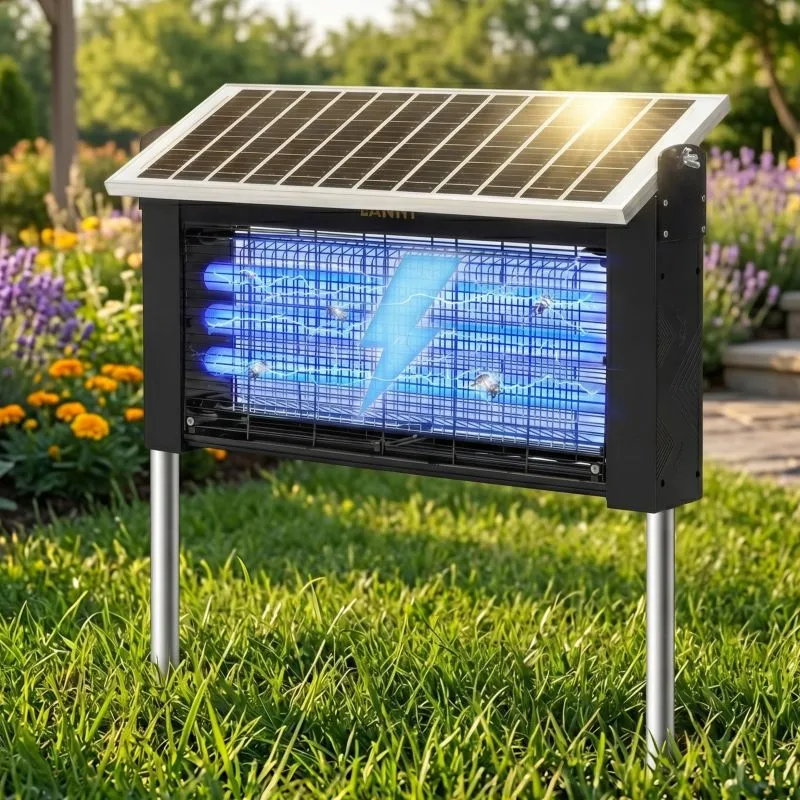
Match the tool to the actual pest you are trying to manage. For current pricing on Langy Energy’s solar zapper, see the current Langy Energy discount code.
Features, coverage and running costs
| Feature | Mosquito zapper | Bug zapper |
|---|---|---|
| Primary attractant | UV light plus a chemical lure | UV light only |
| Target pests | Mosquitoes, biting flies, no-see-ums | All flying insects |
| Maintenance | Lure refills plus grid cleaning | Grid cleaning only |
Running costs differ noticeably. A mosquito-specific zapper adds an ongoing lure or cartridge cost across a season. A standard bug zapper has no consumables beyond an occasional replacement bulb.
Installation is similar for both types: mount it off the ground and a reasonable distance from seating areas, so insects are intercepted before reaching people. Avoid placing either type directly above food prep or dining areas, since falling insect debris is unpleasant no matter the species.
Check the latest Langy Energy pricing before committing to a multi-unit setup, especially over a large property where any consumable costs multiply.
Who should choose a mosquito zapper over a bug zapper
A mosquito zapper makes sense if you have identified mosquitoes specifically as your main nuisance and are willing to keep up with a refill routine. It tends to suit:
- High mosquito pressure zones. Properties near wetlands, marshes, retention ponds or heavily irrigated lawns.
- Health-conscious households. Families who want to minimize DEET or permethrin use, especially around children or pets.
- Outdoor entertaining. Hosts who run evening gatherings and want reliable bite reduction without citronella smoke or plug-in repellents.
A standard bug zapper is the better pick if:
- You face a mixed insect problem, moths, beetles, flies and occasional mosquitoes
- You want a set-it-and-forget-it solution with no consumables
- Your priority is keeping insects away from doorways, barns or work areas rather than protecting a lounging space
- You are on a tighter budget and do not want ongoing lure costs
Tips for maximizing effectiveness
Whichever type you choose, placement and timing drive results.
Placement:
- Position the unit upwind of seating areas, so insects encounter it before reaching people
- Keep it a reasonable distance from gathering spots, since placing it too close can draw insects toward people before they are caught
- Mount it at a height that matches the flight zone of most night-flying insects
- Turn off competing light sources nearby, such as porch or yard lighting, so insects are not drawn elsewhere
Timing and operation:
- Run the unit from dusk to dawn during peak insect activity, generally late spring through early fall
- Clean the electrified grid on a regular schedule to maintain voltage and prevent buildup from bridging the contacts
- Replace the UV bulb per the manufacturer’s guidance, even if it still glows, since UV output degrades over time
- If using a mosquito-specific model, refill attractant cartridges on the schedule the manufacturer recommends rather than waiting until you notice reduced catches
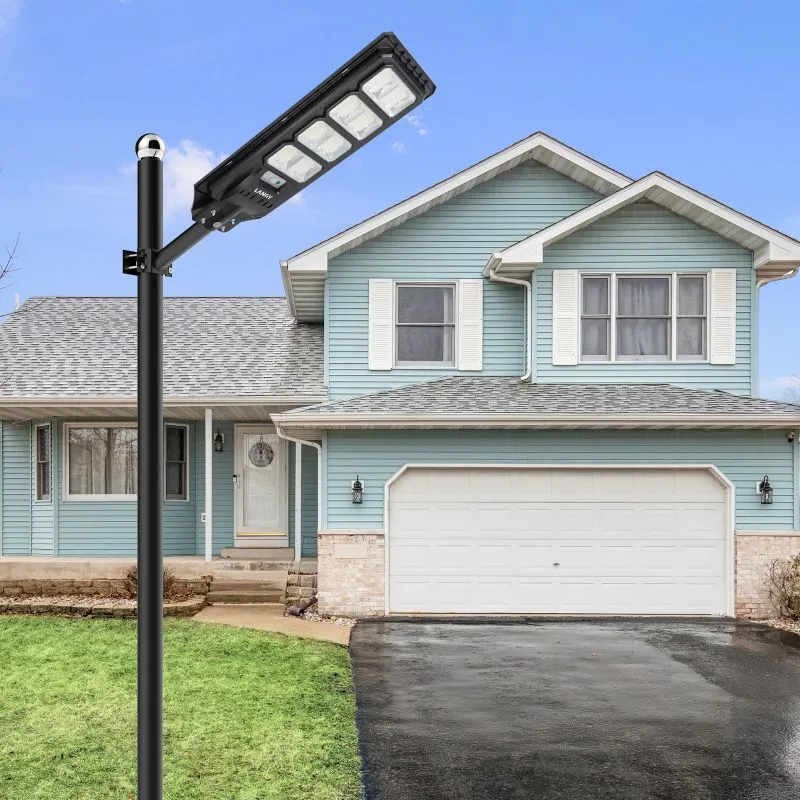
For those managing insect control across multiple outdoor zones or looking to bundle with other Langy Energy products like a solar street light for pathway lighting, check the discount code page to save across your order.
Our recommendation
If mosquitoes are your main concern and you are willing to keep up with lure refills, a dedicated mosquito zapper is generally worth the extra cost and effort. If your concern is general insect control in a garage, barn or workshop, a standard bug zapper offers better value with less maintenance, even though it will not solve a serious mosquito problem on its own. Choose based on your primary pest, your willingness to maintain consumables, and whether you are protecting people or simply managing overall insect volume.
Questions
Can a regular bug zapper kill mosquitoes effectively?
A regular bug zapper can kill mosquitoes that happen to fly near the UV light, but it is generally less effective at mosquito control than a mosquito-specific model, since mosquitoes respond more to CO2 and body-odor cues than to UV light alone. Most insects a standard zapper catches tend to be non-biting species.
How often do I need to replace attractant cartridges in a mosquito zapper?
Follow the manufacturer's recommended schedule for your specific cartridge or lure type, and replace it on that schedule rather than waiting until you notice fewer insects caught, since effectiveness tends to drop before the cartridge is fully spent.
Do mosquito zappers work during the daytime?
They can work around the clock, but they tend to be most effective at dusk and dawn when mosquitoes are actively searching for a host. Daytime catch rates are generally lower since many mosquito species rest in shaded areas during peak sun.
Which type uses more electricity?
Both types draw a broadly similar amount of power for their size. The bigger ongoing cost difference for a mosquito zapper tends to come from attractant refills, not from electricity use.
Can I use a mosquito zapper indoors?
Most mosquito zappers are designed for outdoor use because of their chemical attractants and the mess from falling insect debris. For indoor mosquito control, look for a smaller unit specifically rated for indoor spaces.
Will a bug zapper attract more insects to my yard?
A bug zapper does draw insects from the surrounding area toward its light, but it is built to kill most arrivals rather than let them disperse. Placing it a reasonable distance from seating areas intercepts insects before they reach people.
Products in this guide
Shopping at Langy Energy? See the discount code
5% OFF All Orders
More in this series
How Long Do Bug Zappers Actually Last Before Replacement?20 Aug 20265 min UFO High Bay Light Buying Guide: Lumens, Coverage, and Warehouse Use20 Aug 20266 min
 Why Is My Attic Gable Fan Not Working? Common Troubleshooting Tips20 Aug 20265 minDo Solar Street Lights Last Through Winter? Longevity and Performance20 Aug 20265 min
 How to Install a Solar Attic Fan: Step-by-Step Guide for DIYers20 Aug 20266 min