 A Magidome guide
How Long Does a Geodesic Dome Last Outdoors? Durability and Weather Resistance Explained
Geodesic dome connectors and their frames can last 10 to 50+ years outdoors depending on materials, climate, and maintenance practices.
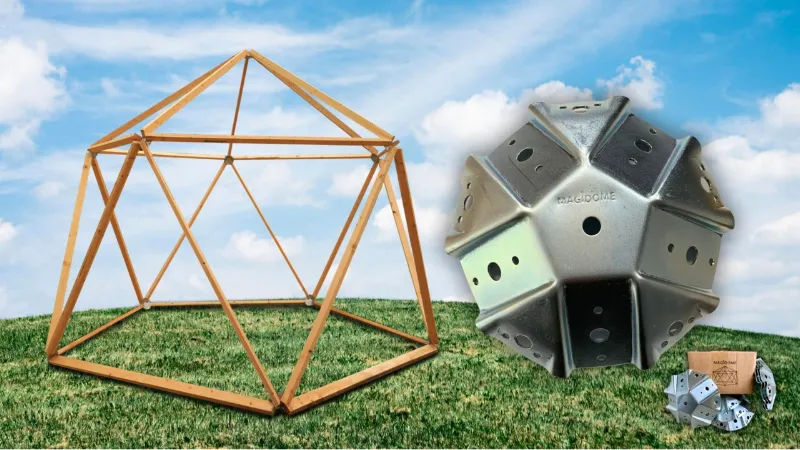
Geodesic dome connectors and their frames typically last 10 to 50+ years outdoors, with longevity depending on connector material, frame lumber quality, climate exposure, and how well you maintain the structure. Metal connectors paired with pressure-treated lumber in temperate climates often outlast plastic hubs in harsh UV or freeze-thaw zones. Understanding what drives durability helps you choose the right geodome kit and care routine for decades of service.
What Determines How Long Geodesic Dome Connectors Last
The lifespan of your dome starts with the connector material. Metal geodesic dome connectors made from galvanized steel or powder-coated aluminum resist rust and UV degradation far longer than injection-molded plastic hubs, which can become brittle under intense sunlight or extreme cold. A quality geodesic dome connector kit with corrosion-resistant hardware will outlast budget alternatives by 20 years or more.
Frame material matters just as much. Pressure-treated pine or cedar 2x4s resist rot and insect damage better than untreated softwood, while redwood and composite lumber push the envelope further. Coastal or high-humidity environments accelerate decay, so pair treated lumber with stainless-steel fasteners to avoid galvanic corrosion where metal meets wood.
Climate exposure plays a decisive role. Domes in arid, moderate climates with gentle UV and minimal precipitation often exceed 40 years with basic care. Structures facing salt spray, heavy snow loads, or daily freeze-thaw cycles may need connector inspection and frame touch-ups every 5 to 10 years. Check the latest pricing on weatherproof connector options before committing to a design.
Metal vs Plastic Connectors for Outdoor Domes
Metal connectors dominate long-term outdoor builds. Galvanized steel hubs handle structural loads without flexing, resist UV breakdown, and tolerate temperature swings from subzero winters to scorching summers. Powder-coated or anodized aluminum adds corrosion resistance in coastal zones and sheds water to prevent ice buildup in joints.
Plastic connectors work well for temporary or educational domes and projects like a backyard geo dome you plan to move or replace every few years. High-density polyethylene (HDPE) or ABS hubs are lightweight and rust-proof, but UV exposure degrades polymer chains over time, leading to cracks at stress points. Some builders reinforce plastic hubs with metal sleeves or replace them every 7 to 10 years.
3D-printed hubs fall into the plastic category but with a narrower durability window. PLA and PETG filaments simplify prototyping and DIY geodesic dome connectors for small art installations, yet they rarely survive more than 3 to 5 years outdoors without protective coatings. If you want to experiment, resources like Make your own 3v geodesic dome hubs show fabrication techniques, but plan to upgrade to metal for permanent structures.
| Connector Type | Typical Outdoor Lifespan | Best Use Case |
|---|---|---|
| Galvanized steel | 30 to 50+ years | Permanent greenhouses, shelters |
| Powder-coated aluminum | 25 to 40 years | Coastal or high-UV climates |
| HDPE / ABS plastic | 7 to 15 years | Seasonal domes, educational builds |
| 3D-printed (PLA/PETG) | 3 to 5 years | Prototypes, temporary art projects |
Frame Lumber and Cover Material Impact on Longevity
Even bulletproof geodesic dome connectors will fail if the struts rot or the cover tears. Pressure-treated 2x4s rated for ground contact (.40 retention or higher) resist fungal decay and termite damage for 20 to 30 years in most climates. Cedar and redwood contain natural oils that repel moisture, adding another 10 to 15 years without chemical treatment, though they cost more upfront.
Composite or aluminum struts eliminate rot entirely but add weight and expense. We see composite lumber in high-end greenhouse domes where zero maintenance justifies the premium. Aluminum struts pair beautifully with metal connectors for ultra-lightweight touring domes or installations in corrosive environments.
Cover longevity varies just as widely. Marine-grade vinyl and reinforced polyethylene tarps rated for UV resistance last 5 to 10 years under full sun, while cheaper greenhouse plastic may degrade in 2 to 3 seasons. Polycarbonate panels and tempered glass push the cover lifespan to 20+ years but require robust framing to support the weight. Replacing a worn cover every decade is normal and far cheaper than rebuilding the frame, so budget for periodic re-skinning.
Maintenance Practices That Extend Dome Lifespan
Inspect connector joints annually for rust, cracks, or loose bolts. Tighten hardware, apply rust inhibitor to steel connectors, and replace any cracked plastic hubs before they fail under load. A quick grab the discount code and order spare connectors so you have replacements on hand when you spot wear.
Seal or stain wooden struts every 3 to 5 years, especially end grain where moisture wicks into the lumber. Clear water repellent or exterior-grade stain extends pressure-treated wood from 20 to 35+ years. Remove debris like leaves and snow buildup promptly to prevent localized moisture traps and excess structural load.
Ventilate covered domes to reduce condensation, which accelerates rust on metal connectors and mold on wood. Even greenhouses and storage sheds benefit from passive vents near the apex. For DIY builders, projects like Engineering for Kids: Straw Geodesic Dome & Sphere illustrate how airflow prevents moisture damage, principles that scale up to full-size structures.
Choosing the Right Connector Frequency for Durability
Connector frequency (2v, 3v, 4v, and beyond) affects both structural strength and the number of joints exposed to weather. A 2v geodesic dome uses fewer, longer struts and fewer connectors, reducing the total number of potential failure points. This simplicity suits small garden domes or cupola kit projects where ease of assembly and minimal maintenance matter most.
3v geodesic dome connectors create more triangles and distribute loads more evenly, making the structure stronger against wind and snow. The tradeoff is more joints to inspect and maintain. We recommend 3v designs for permanent greenhouses, workshops, or glamping domes in climates with significant weather exposure.
Higher frequencies (4v, 5v) deliver even smoother curves and better load distribution but multiply the connector count and assembly complexity. Unless you need a large-diameter dome or architectural aesthetics justify the effort, 2v or 3v strikes the best balance between durability and practicality for most backyard and small commercial builds.
Real-World Dome Longevity and What Owners Report
Owners of well-maintained metal-connector domes in temperate zones routinely report 30 to 40 years of service with only cover replacements and occasional strut touch-ups. One greenhouse builder in the Pacific Northwest shared that his galvanized-steel 3v dome reached 35 years before he replaced connectors proactively, not because they failed.
Plastic-connector domes see shorter lifespans but still deliver value for temporary or budget-conscious projects. A community garden in Arizona replaced HDPE hubs at the 12-year mark after UV embrittlement caused two to crack, yet the frame remained sound. For DIY builders exploring geodesic dome connectors for sale, understanding these real-world timelines helps set realistic expectations and maintenance budgets.
Harsh climates compress every timeline. Coastal salt spray, alpine UV intensity, and desert temperature swings all accelerate wear. Plan for more frequent inspections and proactive part replacement, and consider investing in marine-grade connectors and hardware from the start to avoid rebuilding prematurely.
When to Repair vs Replace Your Dome Structure
Repair individual connectors and struts as they wear rather than replacing the entire dome. A geodesic dome connector kit with modular design lets you swap out a cracked hub or rotted strut in under an hour without disassembling surrounding sections. Stock a few spare connectors and pre-cut replacement struts to make field repairs fast.
Replace the dome when connector corrosion or frame rot affects more than 20 to 30 percent of the structure, repair costs approach half the price of a new build, or you want to upgrade to a larger or more durable design. At that point, salvage any sound connectors and hardware for future projects, then start fresh with modern materials and lessons learned.
Lifespan data and Geodesic Capital case studies show that thoughtful material choices and consistent maintenance routinely push dome structures past the 40-year mark, turning what might seem like a novelty into a multi-generational asset.
Questions
How long do metal geodesic dome connectors last outdoors?
Metal connectors made from galvanized steel or powder-coated aluminum typically last 30 to 50+ years outdoors with minimal maintenance. Corrosion resistance and UV stability make them the best choice for permanent structures.
Do plastic dome connectors hold up in cold climates?
Plastic connectors can become brittle in repeated freeze-thaw cycles and usually last 7 to 15 years in cold climates. Metal connectors are more reliable for year-round outdoor use in areas with harsh winters.
What lumber works best with geodesic dome connectors for outdoor use?
Pressure-treated pine rated for ground contact (.40 retention or higher), cedar, or redwood resist rot and last 20 to 30+ years. Pair treated lumber with stainless-steel fasteners to prevent corrosion at connector joints.
How often should I inspect my geodome kit for wear?
Inspect connectors, fasteners, and frame joints at least once a year, and after major storms or heavy snow. Tighten loose bolts, check for rust or cracks, and replace worn parts promptly to prevent larger failures.
Can I use 3D-printed connectors for a permanent outdoor dome?
3D-printed PLA or PETG connectors typically last only 3 to 5 years outdoors due to UV degradation and temperature stress. They work for prototypes or temporary projects, but metal connectors are necessary for long-term durability.
When should I replace the cover on my geodesic dome?
UV-resistant polyethylene or vinyl covers last 5 to 10 years under full sun, while polycarbonate panels can exceed 20 years. Replace covers when you notice tears, brittleness, or significant light transmission loss.
Products in this guide
Shopping at Magidome? See the discount code
5% OFF All Orders
More in this series
What Size Geo Dome Do I Need for a Backyard Greenhouse?17 Sep 20265 minIs a Cupola Kit Worth Adding to a Magidome Dome?17 Sep 20264 minDo Geodesic Dome Connectors Work with Standard PVC Pipe?17 Sep 20266 minGeodome Kit vs. Buying Connectors Separately: Which Option Saves You More?17 Sep 20264 minHow to Build a Geodesic Dome: Step-by-Step Assembly Guide for Beginners17 Sep 20265 min