 A COOSPO guide
How Long Does a COOSPO Cadence Sensor Battery Last?
A cadence sensor from COOSPO typically runs 300 to 500 hours on a single CR2032 battery, depending on usage patterns and Bluetooth activity.
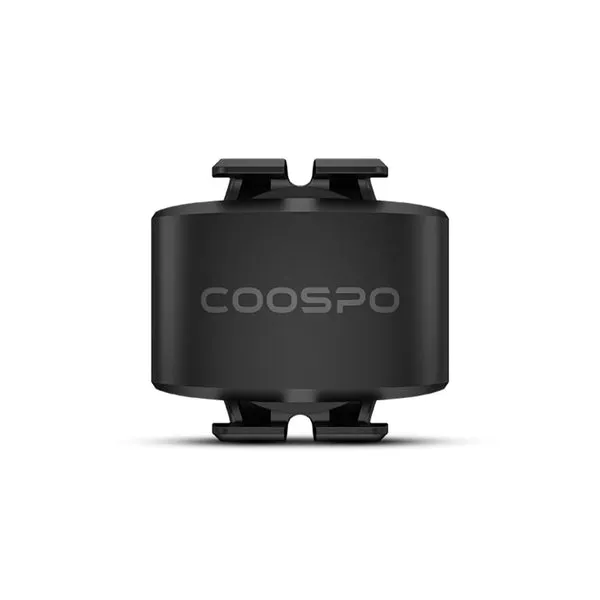
A COOSPO cadence sensor typically runs 300 to 500 hours on a single CR2032 coin-cell battery, depending on how often you ride and how long your sessions last. Most riders get eight to twelve months of regular use before needing a replacement. The battery drains faster if you pair the sensor with multiple devices or leave Bluetooth active between rides, but normal usage keeps power consumption low enough that you won’t think about it often.
What Type of Battery Does a COOSPO Cadence Sensor Use?
COOSPO cadence sensors run on a single CR2032 lithium coin battery, the same type used in many bike computers and small electronics. This 3-volt cell is widely available at grocery stores, pharmacies, and online retailers, so you can grab a spare without hunting down specialty suppliers. The CR2032 format delivers stable voltage over its lifespan, which keeps the sensor broadcasting reliably until the battery is nearly depleted.
Unlike rechargeable units, a coin-cell design means you never need to carry a charging cable or plan around dock time. You swap the battery in under a minute and ride immediately. Keep a few spares on hand and replace the battery once the low-battery warning appears on your bike computer or paired app.
Factors That Affect Cadence Sensor Battery Life
Several variables influence how quickly your sensor drains its battery:
- Ride frequency and duration: A sensor that wakes for an hour three times a week lasts longer than one broadcasting daily for multi-hour training blocks.
- Number of paired devices: Connecting to a bike computer, smartphone, and smartwatch simultaneously increases Bluetooth activity and power draw.
- Temperature extremes: Cold weather reduces lithium-cell efficiency, so winter riders may see shorter runtimes.
- Storage habits: If you leave the sensor on your bike in a humid garage, condensation can accelerate internal corrosion and drain the battery faster.
- Firmware efficiency: COOSPO updates occasionally improve power management, so keeping firmware current can extend battery life slightly.
Most of these factors are minor. The biggest driver remains total hours of active broadcast time, so tracking your ride volume gives you a rough estimate of when to expect a replacement cycle.
How to Tell When Your COOSPO Cadence Sensor Battery Is Low
COOSPO sensors broadcast a low-battery flag over ANT+ and Bluetooth, which your bike computer or app will display as a notification or warning icon. You’ll usually see this message when 10 to 20 hours of runtime remain, giving you enough notice to finish a ride and order a fresh battery.
If you miss the warning, the sensor may drop connection intermittently or fail to wake when you start pedaling. At that point the battery is nearly dead and should be replaced immediately. We recommend swapping the battery as soon as you see the alert rather than pushing your luck on a long route.
Some riders check battery status manually through the COOSPO app or their head unit’s sensor menu. This is useful if you’re planning a multi-day tour or century ride and want to confirm you have enough reserve.
How to Replace the Battery in a COOSPO Cadence Sensor
Replacing the CR2032 is straightforward and requires no tools:
- Remove the sensor from the crank arm: Slide it off the rubber mount or unclip the strap, depending on your model.
- Twist the back cover counterclockwise: The cap unscrews by hand; no coin or screwdriver needed.
- Pop out the old battery: Note the orientation of the plus (+) symbol facing up.
- Insert the new CR2032: Match the polarity, press it flat into the socket.
- Screw the cover back on clockwise: Tighten until snug, but don’t over-torque the plastic threads.
- Reattach the sensor and pair: Your bike computer or app should reconnect automatically.
The entire swap takes under 60 seconds. Keeping a small ziplock bag with two spare CR2032 cells in your saddle bag means you’re never caught short on a ride. Check the latest price on multi-packs when you order; buying a five-pack costs less per cell than singles.
Maximizing Battery Life Between Replacements
A few habits help stretch runtime:
- Unpair unused devices: If you only ride with a bike computer, disconnect your phone from the sensor to reduce Bluetooth chatter.
- Store indoors in moderate temperatures: Avoid leaving the sensor in freezing or sweltering conditions when not in use.
- Turn off the sensor after rides: While the sensor auto-sleeps when motion stops, removing it from the bike and storing it indoors ensures it fully powers down.
- Update firmware: COOSPO occasionally releases updates that optimize power draw; install them through the COOSPO app when prompted.
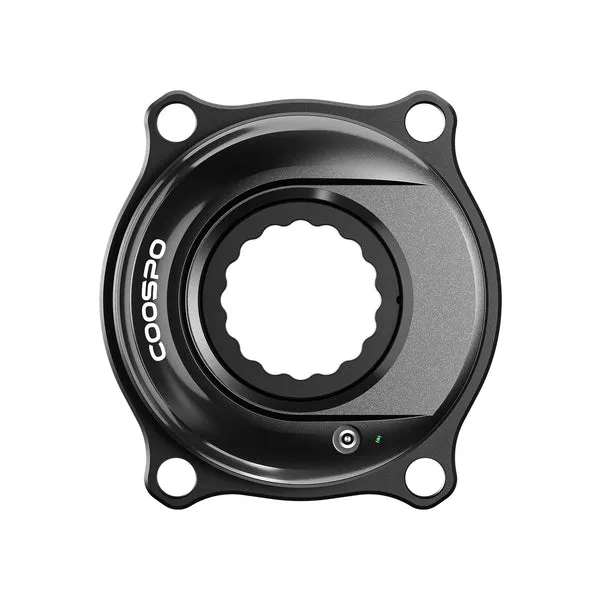
Even without these steps, most riders get a full season or more from a single battery. If you pair your cadence sensor with a cycling power meter or heart rate monitor chest strap, you’ll have multiple devices to track, so setting a calendar reminder every six months to check all sensors keeps your setup reliable.
COOSPO Cadence Sensor vs Wahoo and Garmin Battery Performance
COOSPO sensors match or exceed the battery life of comparable cadence sensor bike units from Wahoo and Garmin. Wahoo RPM sensors also use the CR2032 and advertise roughly 12 months of runtime, while Garmin cadence sensors quote a similar range. COOSPO units use the same coin-cell battery format as premium alternatives, at a lower upfront cost.
The real advantage is that all three brands use the same widely available battery type, so you’re never locked into proprietary cells. Whether you run COOSPO, a cadence sensor Garmin, or a cadence sensor Wahoo unit, you can swap batteries in seconds and keep riding. Grab the code for 10% off COOSPO sensors and stock up on spares when you order.
Who Should Consider a COOSPO Cadence Sensor?
A COOSPO cadence sensor suits riders who want reliable pedal-stroke data without the expense of a full cycling power meter. If you’re tracking training zones, improving pedaling efficiency, or syncing workouts to Strava, cadence is one of the most useful metrics after heart rate and speed. The long battery life and simple replacement process mean you spend more time riding and less time troubleshooting connectivity or charging cables.
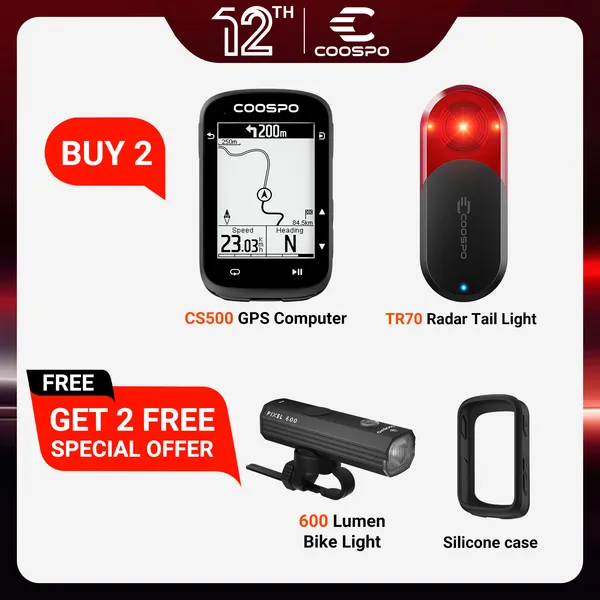
Pairing a COOSPO sensor with a bike computer or the CS 500 gives you real-time cadence display, while connecting to your smartphone lets you log data in apps like Strava or TrainingPeaks. The battery lasts long enough that you can set it and forget it for months, making it ideal for recreational riders, commuters, and serious trainers alike.
Questions
How often do I need to replace the battery in a COOSPO cadence sensor?
Most riders replace the CR2032 battery every 8 to 12 months with regular use. Heavy trainers who ride daily may need to swap it every 6 months, while casual riders can stretch it beyond a year.
Will my COOSPO sensor warn me before the battery dies?
Yes, COOSPO sensors broadcast a low-battery alert to your bike computer or app when about 10 to 20 hours of runtime remain. This gives you time to order and install a fresh CR2032 before the sensor stops working.
Can I use any brand of CR2032 battery in my COOSPO cadence sensor?
Yes, any standard CR2032 lithium coin cell works. Name-brand batteries from Panasonic, Energizer, or Duracell tend to last slightly longer than generic cells, but all meet the 3-volt spec the sensor requires.
Does cold weather affect COOSPO cadence sensor battery life?
Cold temperatures reduce lithium battery efficiency, so you may see shorter runtime during winter rides. Storing the sensor indoors between rides and keeping it warm in your pocket until you start helps minimize the impact.
How do I know if my cadence sensor battery is dead or if the sensor has failed?
If your bike computer or app showed a low-battery warning recently, the battery is likely dead. If the sensor never connected or stopped working suddenly without a warning, try replacing the battery first. If a fresh CR2032 doesn't fix it, the sensor may need warranty support.
Can I extend battery life by unpairing my COOSPO sensor between rides?
The sensor auto-sleeps when it detects no motion, so unpairing isn't necessary. However, disconnecting unused devices reduces Bluetooth chatter and can add a few extra hours of total runtime over the battery's lifespan.
Products in this guide
 Shopping at COOSPO? See the discount code
10% OFF All Orders
Shopping at COOSPO? See the discount code
10% OFF All Orders
More in this series
Chest Strap vs Arm Heart Rate Monitor: Which Is Better for Cycling?24 Aug 20264 minCOOSPO CS500 Review: Is This Budget Bike Computer Worth It?24 Aug 20264 minDo You Need a Cadence Sensor for Indoor Cycling Training?24 Aug 20266 minCOOSPO Power Meter vs Garmin Rally: How Do They Compare?24 Aug 20264 minHow to Pair a COOSPO Heart Rate Monitor with Your Bike Computer24 Aug 20265 min