 A COOSPO guide
COOSPO CS500 Review: Is This Budget Bike Computer Worth It?
The COOSPO CS500 is a budget bike computer that pairs GPS tracking with ANT+ sensor support, making it a compelling choice for riders who want data without the premium price tag.
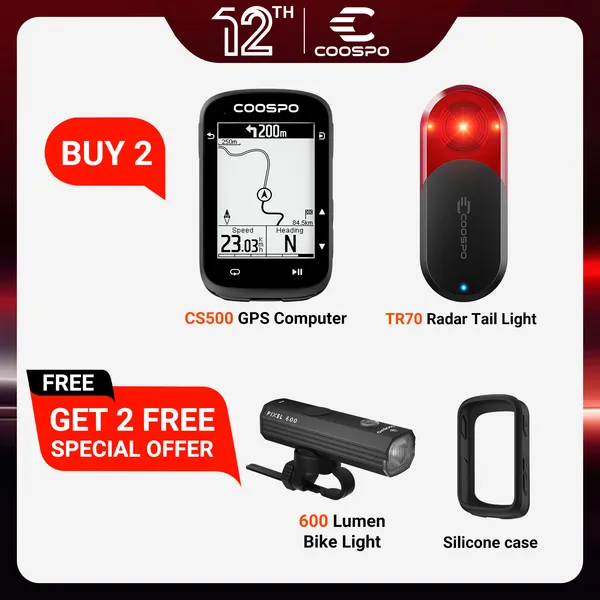
The COOSPO CS500 is a budget bike computer that pairs GPS tracking with ANT+ sensor support, making it a compelling choice for riders who want data without the premium price tag. The CS500 makes deliberate trade-offs to hit its price point, covering the core functionality most riders need.
What You Get With the COOSPO CS500 Bike Computer
The CS500 arrives as a no-frills package: the head unit, a stem mount, USB charging cable, and a quick-start guide. The 2.4-inch monochrome screen is perfectly readable in direct sunlight, something backlit color displays often struggle with. The interface uses four side buttons for navigation, and while it takes a ride or two to memorize the button layout, the system becomes intuitive quickly.
GPS acquisition typically locks in under 30 seconds when you have a clear view of the sky. The unit supports GPS and BeiDou satellite systems, which improves accuracy in areas with tree cover or tall buildings.
Battery life stretches to roughly 28 hours of continuous GPS tracking, which means multi-day tours or ultra-distance events are feasible without a mid-ride recharge. A full charge takes about two hours via USB.
Sensor Pairing and Data Metrics
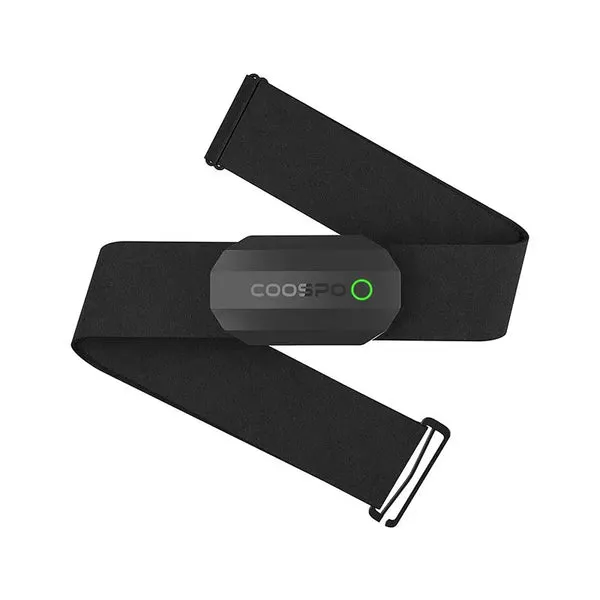
The CS500 connects to ANT+ sensors, so it works seamlessly with a heart rate monitor chest strap, cadence sensor, and cycling power meter. Pairing each sensor takes seconds through the settings menu, and the unit auto-reconnects on subsequent rides.
Real-time data fields include:
- Speed (current, average, max)
- Distance and ride time
- Elevation and grade percentage
- Heart rate zones and cadence
- Power output (watts, normalized power, intensity factor)
- Temperature
You can customize up to eight data fields per screen and toggle between multiple screen layouts during a ride. The CS500 stores up to 90 hours of ride data internally, and you upload activities via USB to the COOSPO app or export.FIT files to Strava, TrainingPeaks, or other platforms.
Best Budget Bike Computer Performance: Where It Excels
For riders who prioritize function over features, the CS500 nails the essentials. The GPS bike computer tracks your route accurately, the screen never washes out, and ANT+ compatibility means you are not locked into proprietary sensors.
The unit carries an IPX7 waterproof rating.
The CS500 uses GPS-based elevation rather than a barometric altimeter, which is common at this price point.
Bike Computer vs Phone: What the CS500 Lacks
To hit its budget price point, COOSPO omitted several features that premium units and even some bike computer apps provide:
- No turn-by-turn navigation. You can upload a route and see a breadcrumb trail, but the CS500 will not alert you to upcoming turns or reroute you if you stray off course.
- No touchscreen. Button navigation works fine, but requires more clicks to access sub-menus.
- Limited smartphone integration. You get basic call and text notifications if you pair via Bluetooth, but no live tracking, weather overlays, or Strava Live Segments.
- No maps. The unit shows your route as a line, not roads or terrain context.
Compared to using your phone with a bike computer app, the CS500 offers far better battery life, screen visibility, and ruggedness. But if you rely on real-time navigation or want to race virtual segments, a phone or a higher-tier unit will serve you better.
Who Should Buy the COOSPO CS500
The CS500 suits three rider profiles particularly well:
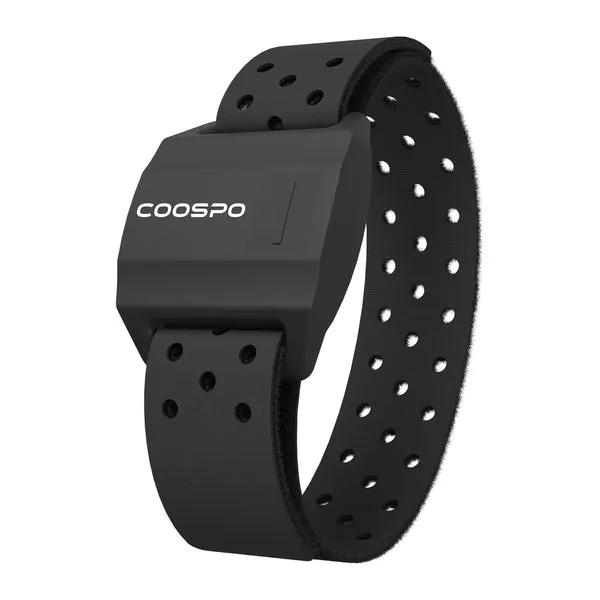
Training-focused cyclists who already know their routes and want accurate data for intervals, zone work, and performance tracking. Pair it with an arm heart rate monitor or chest strap and a power meter, and you have a complete training setup.
Commuters and fitness riders who want ride stats without the complexity or cost of premium systems. The CS500 logs your mileage and averages reliably, which is often all you need for consistent training or simple record-keeping.
Budget-conscious buyers exploring their first dedicated bike computer. If you are transitioning from a phone mount or basic cyclometer, the CS500 delivers a meaningful upgrade in durability and battery life without requiring a steep investment. Grab the code to save 10% on your order.
| Feature | COOSPO CS500 | Premium GPS Units |
|---|---|---|
| GPS tracking | Yes | Yes |
| ANT+ sensors | Yes | Yes |
| Turn-by-turn nav | No | Yes |
| Color touchscreen | No | Yes |
| Battery life | ~28 hours | 15-40 hours |
Setup Tips and Getting the Most From Your Unit
Mount the CS500 where you can glance at it without adjusting your hand position. The stem mount works for most setups, but consider an out-front mount if you prefer the computer ahead of your handlebars.
Before your first ride, update the firmware via the COOSPO app. Updates improve GPS performance and occasionally add features. Also set your wheel size, weight, and FTP (if using a power meter) in the profile settings, this ensures accurate speed and training zone calculations.
Customize your data screens based on ride type. For endurance rides, we recommend speed, distance, time, and heart rate on the main screen. For interval sessions, swap in power, cadence, and lap time.
The CS500 auto-pauses when you stop at lights or regroup, but you can disable this in settings if you prefer continuous recording. Export your.FIT files regularly to avoid filling the internal memory, though 90 hours gives you plenty of buffer.
If you are building a complete sensor ecosystem, COOSPO’s own cadence sensor and heart rate monitor chest strap pair flawlessly and maintain the same budget-friendly approach. Cross-brand ANT+ sensors work just as well, giving you flexibility as your needs evolve.
Final Verdict: A Smart Entry Point
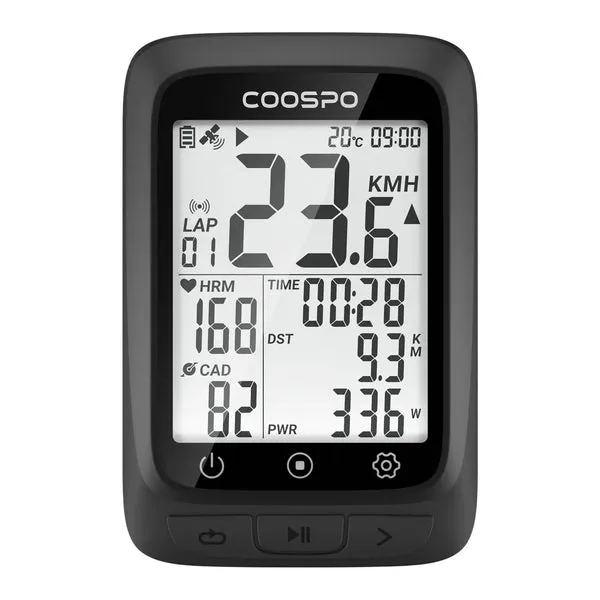
The COOSPO CS500 proves that a best budget bike computer does not have to mean compromised performance. It tracks accurately, pairs with pro-level sensors, and survives real-world abuse. The lack of navigation and advanced features will frustrate some riders, but for training, commuting, or simply logging miles, it delivers exactly what matters. Visit our discount page to see the current offer and decide if this no-nonsense bike computer fits your riding style.
Questions
Does the COOSPO CS500 work with Garmin or Wahoo sensors?
Yes, the CS500 uses ANT+ protocol, so it pairs with any ANT+ heart rate monitor, cadence sensor, speed sensor, or power meter regardless of brand. Garmin, Wahoo, and other ANT+ devices work seamlessly.
Can I upload routes to the CS500 for navigation?
You can upload a route and follow a breadcrumb trail on screen, but the CS500 does not provide turn-by-turn directions or audio cues. It is best for riders who know their routes or want to retrace a GPS track.
How does the CS500 compare to using a phone as a bike computer?
The CS500 offers much longer battery life (around 28 hours vs. a few hours on a phone), better screen visibility in sunlight, and greater durability. Phones provide navigation and app integrations the CS500 lacks.
Is the COOSPO CS500 waterproof enough for rainy rides?
Yes, the CS500 has an IPX7 waterproof rating, meaning it can handle heavy rain and wet conditions without issue.
What data does the CS500 record during a ride?
The CS500 records speed, distance, time, elevation, heart rate, cadence, power, and temperature. You can customize which metrics appear on screen and export ride files to Strava or other platforms.
Does the CS500 bike computer require a subscription?
No, the CS500 has no subscription fees. All features are included with the purchase, and you can sync data to free apps like Strava or the COOSPO app without additional costs.
Products in this guide
 Shopping at COOSPO? See the discount code
10% OFF All Orders
Shopping at COOSPO? See the discount code
10% OFF All Orders
More in this series
How Long Does a COOSPO Cadence Sensor Battery Last?24 Aug 20265 minChest Strap vs Arm Heart Rate Monitor: Which Is Better for Cycling?24 Aug 20264 minDo You Need a Cadence Sensor for Indoor Cycling Training?24 Aug 20266 minCOOSPO Power Meter vs Garmin Rally: How Do They Compare?24 Aug 20264 minHow to Pair a COOSPO Heart Rate Monitor with Your Bike Computer24 Aug 20265 min