 A COOSPO guide
Chest Strap vs Arm Heart Rate Monitor: Which Is Better for Cycling?
A heart rate monitor chest strap delivers the most accurate data for cyclists, but arm monitors offer convenience that many riders prefer for everyday training.
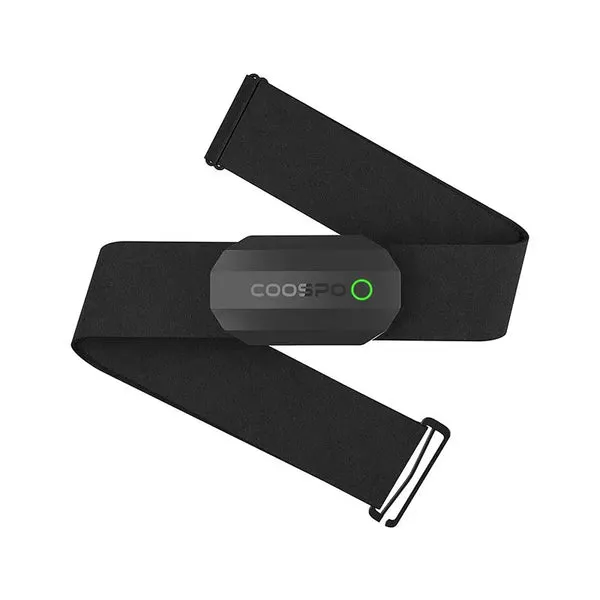
A heart rate monitor chest strap delivers the most accurate heart rate data for cyclists who need precise zone training, while an arm heart rate monitor offers greater comfort and convenience for casual riders. The decision comes down to how you balance accuracy, comfort, and the devices you already own.
Accuracy: Where Chest Straps Win
Chest straps measure electrical signals directly from your heart using ECG (electrocardiogram) technology, the same method hospitals use. This delivers beat-by-beat precision even during high-intensity intervals, sprints, and rapid heart rate changes.
Arm monitors rely on optical sensors that detect blood flow through your skin. While modern optical sensors have improved dramatically, they still lag during:
- Hard efforts above threshold when blood vessels constrict
- Cold weather when circulation to extremities drops
- Rapid transitions between zones during interval training
- Very high cadence or rough terrain that causes sensor movement
For structured training, race prep, or working with a coach who relies on precise heart rate zones, chest straps remain the gold standard. The 6 Best Heart Rate Monitors of 2026: Tested consistently rank chest models higher for accuracy across all intensities.
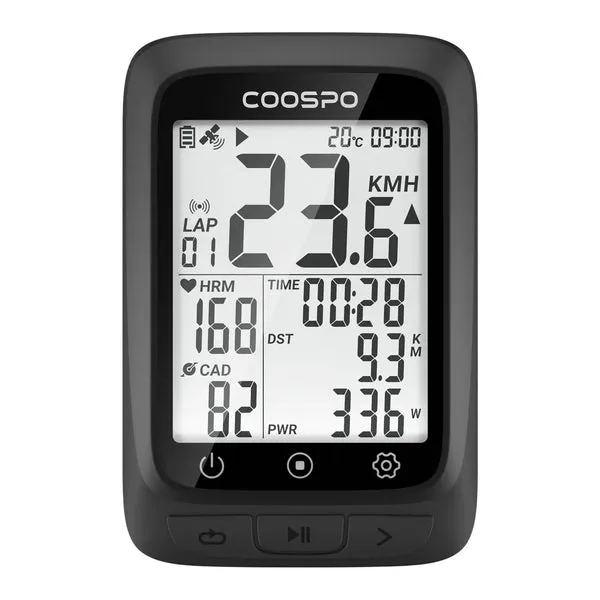
If you pair your heart rate data with a bike computer or cycling power meter, the chest strap’s superior accuracy helps you nail training zones and track fitness gains over time.
Comfort and Convenience: Arm Monitors Take the Lead
Many cyclists find chest straps uncomfortable, especially on longer rides. Common complaints include:
- Chafing around the rib cage
- The tight elastic band feeling restrictive during deep breathing
- Slippage when you sweat heavily
- The need to wet the electrodes before each ride
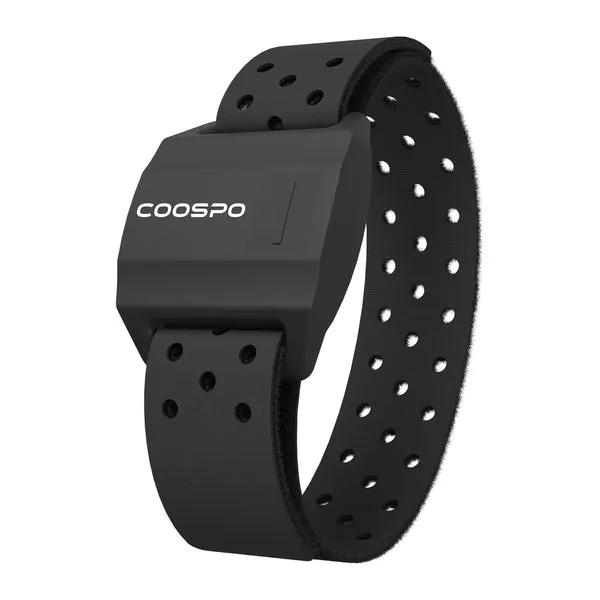
Arm monitors eliminate these friction points. You strap the sensor around your forearm or upper arm, and it stays put without the chest pressure. Most riders forget they’re wearing one after the first few minutes.
Convenience also favors arm sensors. They work immediately without wetting, they’re faster to put on, and you can wear them over a base layer in cold weather without sacrificing signal quality. For recovery rides, endurance miles, or commuting where precision matters less than consistency, an arm monitor delivers enough accuracy with far less hassle.
Check the latest price on both styles to see which fits your budget.
Compatibility: Connecting to Your Devices
Both chest and arm monitors broadcast over ANT+ and Bluetooth, so they pair with nearly every bike computer, cycling app, and smartwatch on the market. However, a few nuances matter:
| Feature | Chest Strap | Arm Monitor |
|---|---|---|
| ANT+ support | Yes (most models) | Yes (most models) |
| Bluetooth connections | 1-2 simultaneous | 1-2 simultaneous |
| Apple Watch pairing | Limited native support | Better optical overlap |
| Garmin compatibility | Excellent | Excellent |
If you already own Garmin, Wahoo, or Polar devices, both sensor types integrate seamlessly. Some riders appreciate that chest straps like those from Garmin store workout data internally when you swim or forget your head unit, though this feature is less common on arm models.
For multi-sport athletes who want one sensor for cycling, running, and gym work, chest straps offer more versatility. Arm monitors work well for cycling but can shift during running or other high-impact activities.
Battery Life and Maintenance
Chest straps typically use coin-cell batteries (CR2032) that last six to twelve months depending on use. When the battery dies, you swap it out in seconds. The elastic strap itself needs occasional washing to prevent salt buildup, which can degrade electrode contact. Most manufacturers recommend replacing the strap every one to two years.
Arm monitors use rechargeable batteries that last 15 to 30 hours per charge. You’ll plug them in every few weeks, but you never buy replacement batteries. The optical sensor window needs a quick wipe after sweaty rides to maintain accuracy.
Long-term cost and hassle slightly favor arm monitors since you avoid strap replacements, though both options remain affordable over their lifespan. Grab the code for 10% off either style and you’ll save even more upfront.
Fit and Sizing Considerations
Chest straps come in small, medium, and large sizes based on chest circumference. Most adjust from around 26 to 40 inches, covering nearly all riders. A proper fit sits snugly just below your chest muscles (or sports bra band), tight enough to stay put but loose enough to breathe comfortably. Too loose and the electrodes lose contact; too tight and you’ll hate every minute.
Arm monitors are less size-sensitive. Most use a single adjustable band that fits forearms or upper arms from about 9 to 16 inches in circumference. You’ll know it’s right when it feels secure without cutting off circulation. Some riders find upper arm placement more stable, while others prefer the forearm for easier access to check the LED status light.
If you’re between sizes or unsure about fit, chest straps are harder to get wrong since the elastic provides more give. Arm monitors require a bit more experimentation to find the sweet spot where the sensor stays planted without sliding.
Which Sensor Fits Your Cycling Style?
Choose a heart rate monitor chest strap if you:
- Train with structured intervals or power zones
- Race or compete where every watt and beat matters
- Work with a coach who needs precise data
- Want the absolute best accuracy during hard efforts
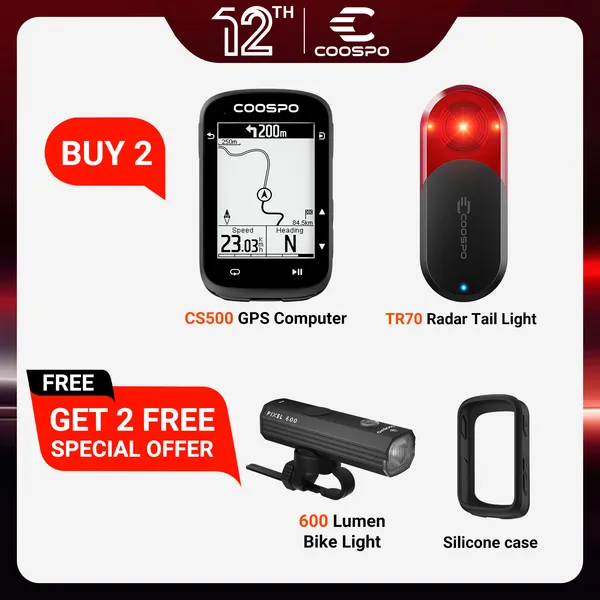
- Already own a cs 500 or similar head unit that pairs perfectly with ANT+ sensors
Choose an arm heart rate monitor if you:
- Ride mostly endurance or recovery pace
- Value comfort over the last 1-2% of accuracy
- Want a sensor you can throw on without prep
- Dislike anything tight around your chest
- Prefer rechargeable devices over replaceable batteries
Many serious cyclists own both and choose based on the day’s workout. Hard intervals and races get the chest strap; easy miles and commutes get the arm band. Neither choice is wrong, and both will elevate your training beyond guessing effort by feel alone.
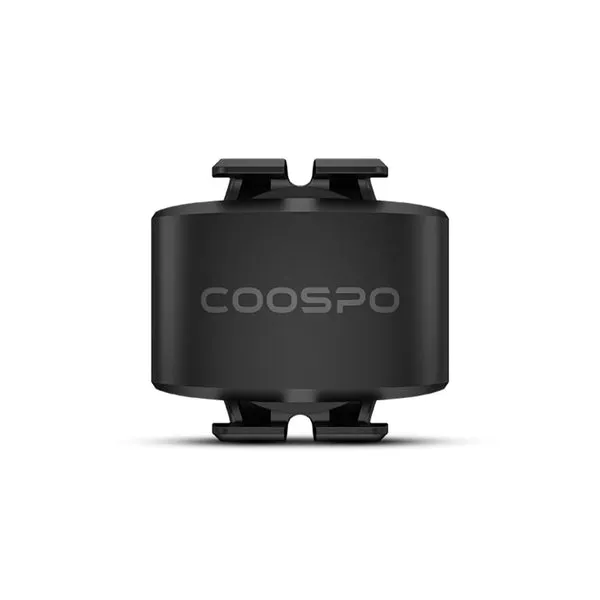
For riders who also use a cadence sensor or other accessories, having reliable heart rate data completes the picture of your performance. The best heart rate monitor is the one you’ll actually wear, so prioritize what keeps you consistent. Visit our discount page to save on whichever style matches your needs.
Questions
Is a chest strap more accurate than an arm heart rate monitor?
Yes, chest straps use ECG technology to measure electrical signals directly from your heart, delivering better accuracy during high-intensity efforts, rapid heart rate changes, and cold conditions compared to optical arm sensors.
Can I use a heart rate monitor chest strap with my Garmin or Apple Watch?
Most chest straps pair seamlessly with Garmin devices via ANT+ or Bluetooth. Apple Watch has limited native support for external chest sensors, but third-party apps can bridge the connection for cycling workouts.
Do arm heart rate monitors work well for interval training?
Arm monitors work reasonably well for moderate intervals, but they can lag during very hard efforts or rapid zone transitions. For precise interval work, chest straps remain more reliable.
How long do chest strap batteries last compared to rechargeable arm monitors?
Chest strap coin-cell batteries last six to twelve months, while rechargeable arm monitors need charging every 15 to 30 hours of use. Both are low-maintenance over the long term.
Which is more comfortable for long rides, chest or arm?
Most cyclists find arm monitors more comfortable for long rides since they avoid chest pressure, chafing, and the tight band feeling. Chest straps can become uncomfortable after several hours, especially in hot weather.
Do I need to replace the chest strap band over time?
Yes, the elastic strap typically needs replacement every one to two years as salt and sweat degrade the material and electrode contact. The sensor pod itself lasts much longer with just a battery swap.
Products in this guide
 Shopping at COOSPO? See the discount code
10% OFF All Orders
Shopping at COOSPO? See the discount code
10% OFF All Orders
More in this series
How Long Does a COOSPO Cadence Sensor Battery Last?24 Aug 20265 minCOOSPO CS500 Review: Is This Budget Bike Computer Worth It?24 Aug 20264 minDo You Need a Cadence Sensor for Indoor Cycling Training?24 Aug 20266 minCOOSPO Power Meter vs Garmin Rally: How Do They Compare?24 Aug 20264 minHow to Pair a COOSPO Heart Rate Monitor with Your Bike Computer24 Aug 20265 min