 A COOSPO guide
COOSPO Power Meter vs Garmin Rally: How Do They Compare?
A cycling power meter delivers objective training data, and we compared COOSPO and Garmin Rally head-to-head to see which offers better accuracy and value.
A cycling power meter measures your output in watts and helps you train with target zones instead of guesswork. COOSPO and Garmin Rally are both pedal-based power meters, and the choice between them comes down to features and budget more than a clear accuracy winner, since both are built and marketed to a similar accuracy standard.
How Power Meters Measure Accuracy
Power meter accuracy is usually described as a percentage variance from a lab reference. Manufacturers publish their own accuracy rating for each model, so check the current product listing for the exact figure the maker claims rather than relying on one number that supposedly applies to every unit.
Real-world accuracy also depends on how a meter is used:
- Calibration. A zero offset calibration before each ride keeps the reading accurate as temperature and tension change.
- Single vs dual-sided measurement. A single-sided meter measures one leg and doubles the number, which works well if your pedal stroke is fairly even. A dual-sided meter measures both legs independently and can reveal a left-right imbalance.
- Mounting and pedal wear. A loose cleat or worn pedal body can affect readings regardless of how accurate the sensor itself is.
COOSPO Power Meter Features
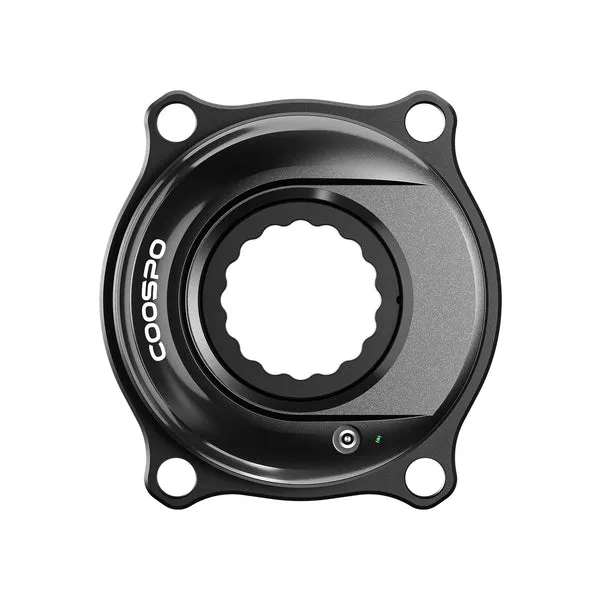
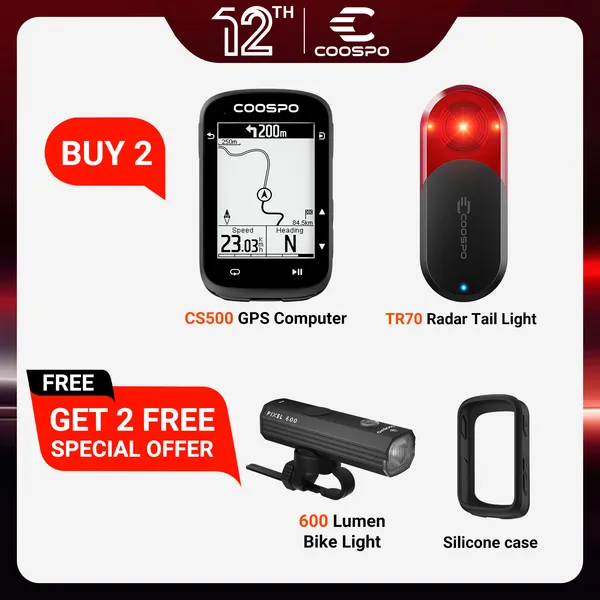
The cycling power meter from COOSPO is a pedal-based, single-sided unit, measuring the left leg and doubling the reading for total power. It broadcasts over ANT+ and Bluetooth, so it pairs with a bike computer such as the cs 500, a sports watch, or training apps like Zwift and TrainerRoad. Check the current listing for the maker’s stated accuracy rating and battery life, since those are the numbers worth comparing directly.
Single-sided measurement suits most riders with a fairly even pedal stroke. If you have a known left-right imbalance from an old injury, or want to refine pedaling technique with left-right data, a dual-sided meter gives you more to work with.
Garmin Rally Features
Garmin Rally pedals are sold in single-sided and dual-sided versions, and the dual-sided models measure power from each leg independently. Garmin also adds cycling dynamics on compatible head units, such as seated versus standing time and platform center offset, aimed at riders who want to refine technique rather than just track average power.
A distinguishing feature is swappable pedal bodies: the power-measuring internals move between road cleats (SPD-SL, Look Keo) and gravel cleats (SPD) without buying a second power meter. Rally also broadcasts over ANT+ and Bluetooth, and integrates closely with Garmin’s own head units and the Garmin Connect app.
Choosing Between Single and Dual-Sided Power Meters
| Feature | COOSPO | Garmin Rally |
|---|---|---|
| Measurement | Single-sided (left leg, doubled) | Single or dual-sided options |
| Cycling dynamics | Not offered | Yes, on compatible head units |
| Swappable pedal bodies | No | Yes (road and gravel cleats) |
| Connectivity | ANT+ and Bluetooth | ANT+ and Bluetooth |
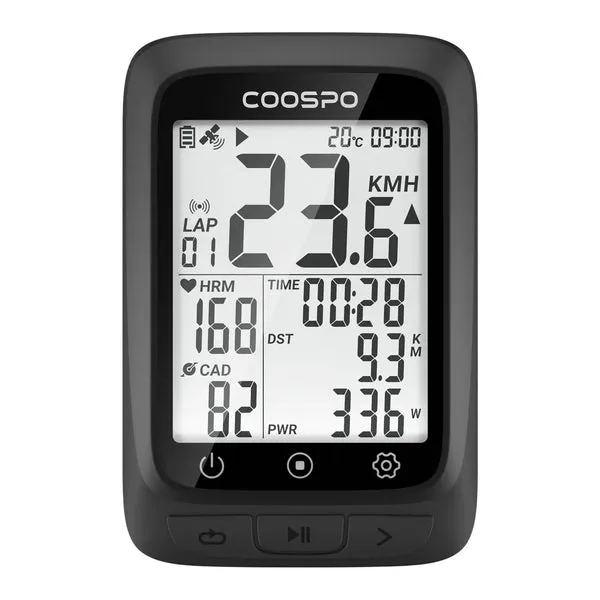
COOSPO suits you if you want power data for structured training, FTP testing and zone-based workouts without paying for features you will not use. It pairs with the cs 500 head unit or any ANT+ bike computer.
Garmin Rally suits you if you race, want left-right balance data, or already use Garmin devices and want everything in one ecosystem. The swappable pedal bodies add flexibility if you ride more than one bike or switch between road and gravel.
Check current pricing for both before you decide, since power meter pricing changes and a dual-sided meter typically costs more than a single-sided one from the same brand.
Pairing Your Power Meter with Other Sensors
A cycling power meter pairs well with complementary sensors to build a fuller training picture.
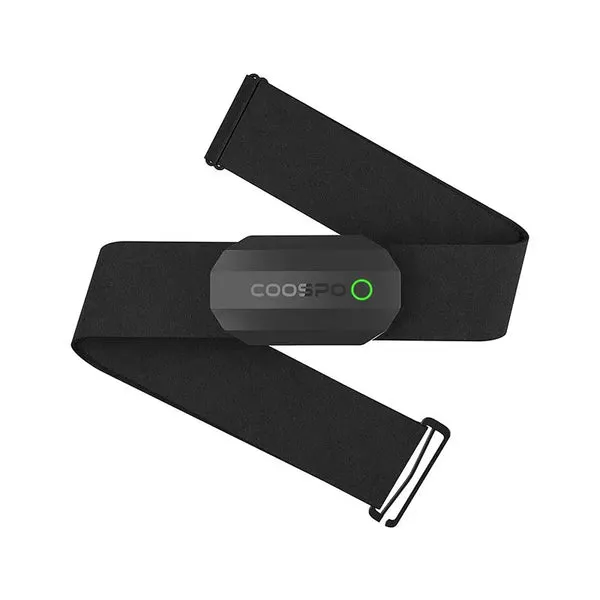
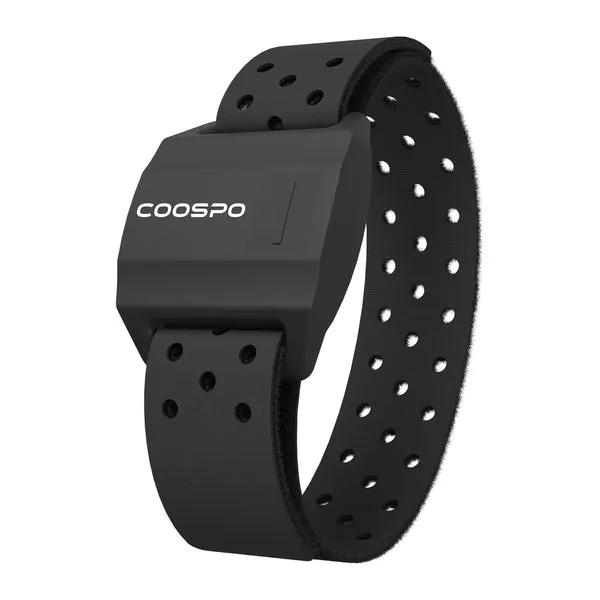
- Heart rate monitors to correlate power zones with cardiovascular response. A heart rate monitor chest strap tends to give more consistent HR data than a wrist sensor, though an arm heart rate monitor is more comfortable for some riders.
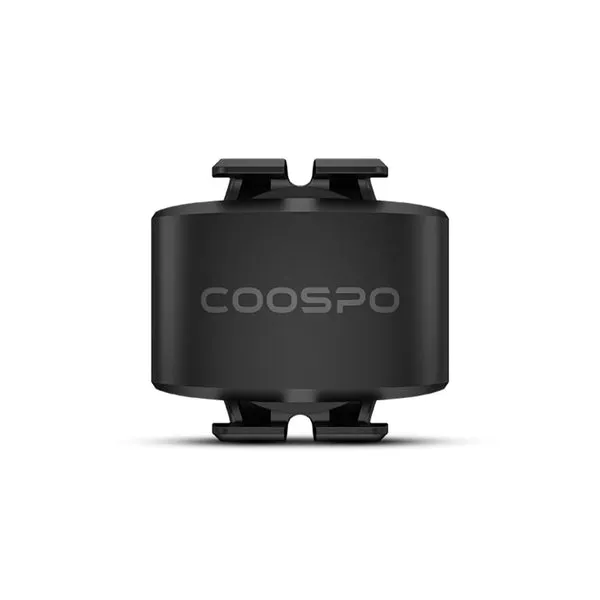
- Cadence sensors, such as a cadence sensor, to check the power meter’s built-in cadence reading against a dedicated sensor.
- Speed sensors for indoor trainer data when GPS is not available.
If you are building a sensor setup from scratch, a power meter and a heart rate monitor are the two that drive the most useful training data. Add a dedicated cadence or speed sensor only if your power meter does not already track them.
Setting Up and Calibrating Your Power Meter
Both systems need a zero offset calibration before each ride to account for temperature and tension changes. The process is quick:
- Clip into the pedals with the cranks horizontal
- Open your bike computer’s sensor menu
- Select “Calibrate” and wait for the confirmation tone
- Start pedaling
COOSPO’s app, which is optional and not required for daily use, lets you update firmware and check battery status. Garmin’s Connect app adds power balance graphs and cycling dynamics trends if you want to dig deeper into the data.
Where to Buy and What to Check Before You Order
COOSPO sells direct and ships globally, and you can save with our discount code when you check out. Garmin Rally is widely available through bike shops and online retailers. Check the current listed price for each model before you decide, since pricing and promotions change.
If you are also comparing crank-arm-based meters, such as 4iiii or Assioma, keep in mind that pedal-based meters like COOSPO and Rally generally swap between bikes faster than crank-arm meters, which need more tools and bike-specific compatibility checks.
Both systems are built for structured training, FTP work and indoor apps like Zwift and TrainerRoad. COOSPO is the simpler, single-sided option, and Garmin Rally adds dual-sided data and cycling dynamics for riders who will actually use them.
Questions
Is the COOSPO cycling power meter accurate enough for serious training?
COOSPO markets the meter as accurate enough for FTP testing, interval training and tracking fitness gains over time. Check the current listing for the manufacturer's stated accuracy rating before you buy, since exact figures can change between models.
Do I need a dual-sided power meter or is single-sided good enough?
Single-sided meters like the COOSPO work well for most cyclists with a fairly even pedal stroke. Dual-sided meters help if you have a noticeable left-right imbalance from injury or want to refine pedaling technique with advanced metrics.
Can I use a COOSPO power meter with my Garmin bike computer?
Yes, both COOSPO and Garmin Rally broadcast over ANT+ and Bluetooth, so they pair with any compatible bike computer, watch, or training app like Zwift and TrainerRoad regardless of brand.
How often do I need to calibrate my power meter?
Run a zero offset calibration before each ride, which takes about five seconds. This is standard practice for pedal-based power meters generally, not just these two, and it keeps the reading accurate as temperature and tension change.
Which power meter offers better value for the accuracy you get?
That depends on what you need. Garmin Rally adds dual-sided measurement and cycling dynamics, which matter for racing and technique work. If you only need solid data for FTP testing and zone training, a single-sided meter like COOSPO covers that without paying for features you may not use. Compare current prices for the specific models before deciding.
Do power meters work with indoor training apps?
Yes, both the COOSPO and Garmin Rally connect to Zwift, TrainerRoad, and other platforms via ANT+ or Bluetooth.
Products in this guide
 Shopping at COOSPO? See the discount code
10% OFF All Orders
Shopping at COOSPO? See the discount code
10% OFF All Orders
More in this series
How Long Does a COOSPO Cadence Sensor Battery Last?24 Aug 20265 minChest Strap vs Arm Heart Rate Monitor: Which Is Better for Cycling?24 Aug 20264 minCOOSPO CS500 Review: Is This Budget Bike Computer Worth It?24 Aug 20264 minDo You Need a Cadence Sensor for Indoor Cycling Training?24 Aug 20266 minHow to Pair a COOSPO Heart Rate Monitor with Your Bike Computer24 Aug 20265 min