 A MOKiN guide
What to Know Before Buying a 240W USB4 Cable for High-Power Devices
The belkin 240w usb4 cable delivers the highest power and data throughput available in a single USB-C cable, but not every device needs it.
The belkin 240w usb4 cable supports the highest power delivery and data speeds currently available over USB-C, making it ideal for charging power-hungry laptops and connecting Thunderbolt or USB4 peripherals. But before you invest in this premium cable, you need to understand whether your devices can actually use that 240W capacity and what else sets USB4 apart from older USB-C standards.
Here’s what matters.
Who Needs 240W Power Delivery and USB4 Speed
Most laptops and phones charge at far less than 240W. A typical MacBook Pro draws around 96W to 140W, and most Windows ultrabooks sit between 45W and 100W. Even a gaming laptop rarely exceeds 180W over USB-C. The 240W spec exists for the next generation of mobile workstations and as future-proofing for high-performance devices that haven’t yet hit the market.
You’ll benefit from a 240W-rated cable if you own or plan to buy one of these:
- High-end gaming or workstation laptops with 140W+ USB-C power adapters
- Multi-device charging hubs that distribute power across several ports
- Docking stations that pass through maximum power to your laptop while powering peripherals
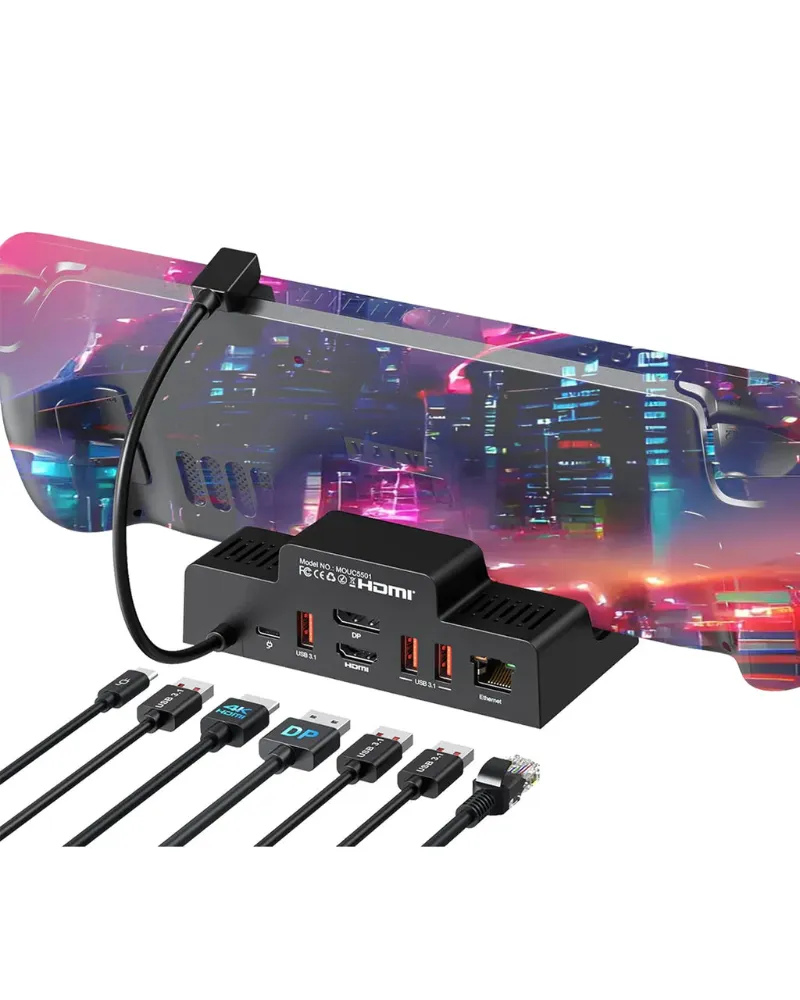
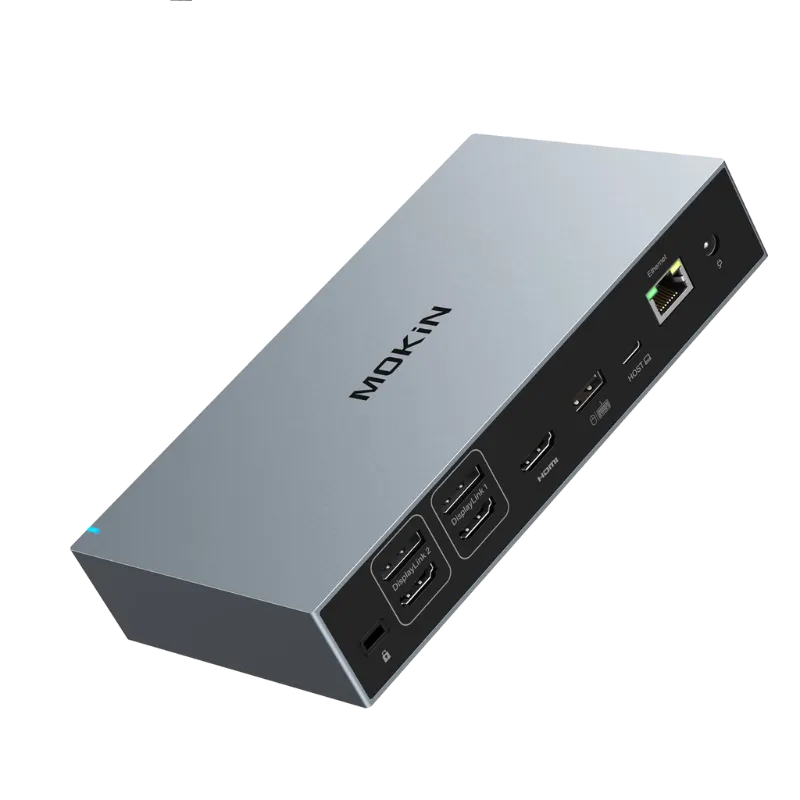
If your current laptop charges at 65W or 100W, a standard USB-C cable rated for that wattage will work fine. But if you’re building a setup around a steam deck dock or displaylink docking station, pairing it with a cable that can handle peak power delivery prevents bottlenecks.
USB4 brings 40 Gbps bidirectional bandwidth, double the 20 Gbps that USB 3.2 Gen 2×2 offers. This speed matters for external SSDs, 4K or 5K displays, and daisy-chaining Thunderbolt peripherals. For basic charging or connecting a usb c adapter, you won’t notice the difference.
Belkin 240W USB4 Cable: What Sets It Apart
Belkin’s implementation pairs Extended Power Range (EPR) certification with full USB4 Gen 3 compliance, which means it handles both 240W charging and 40 Gbps data simultaneously. The cable uses a thicker 20 AWG power conductor and an active chipset to maintain signal integrity across longer lengths, typically up to 0.8 meters for passive versions and 2 meters for active versions.
- 240W Extended Power Range (48V at 5A, requires USB-C PD 3.1 EPR on both the charger and device)
- USB4 Gen 3 at 40 Gbps for Thunderbolt 4 and USB4 peripherals
- USB 2.0 backward compatibility for older accessories
- Electronically marked (E-Marker chip) to negotiate power and speed safely
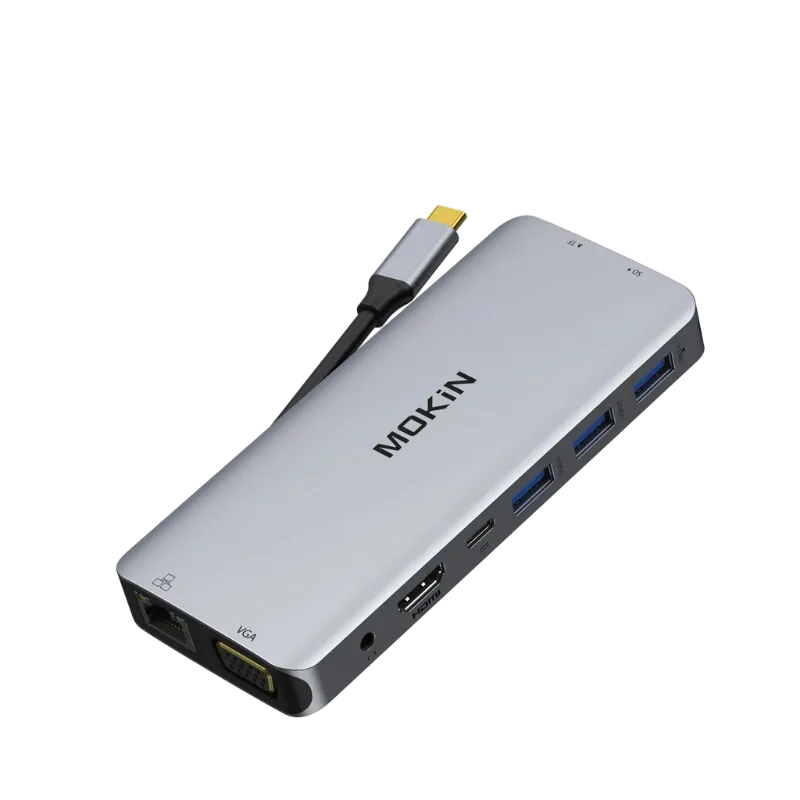
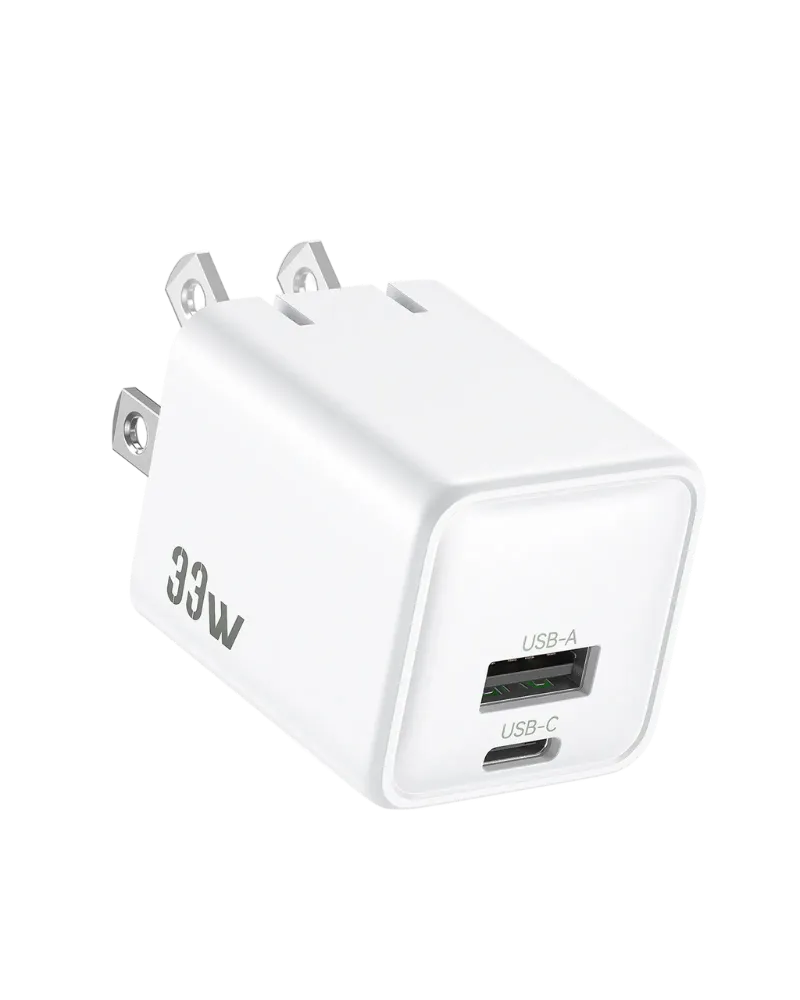
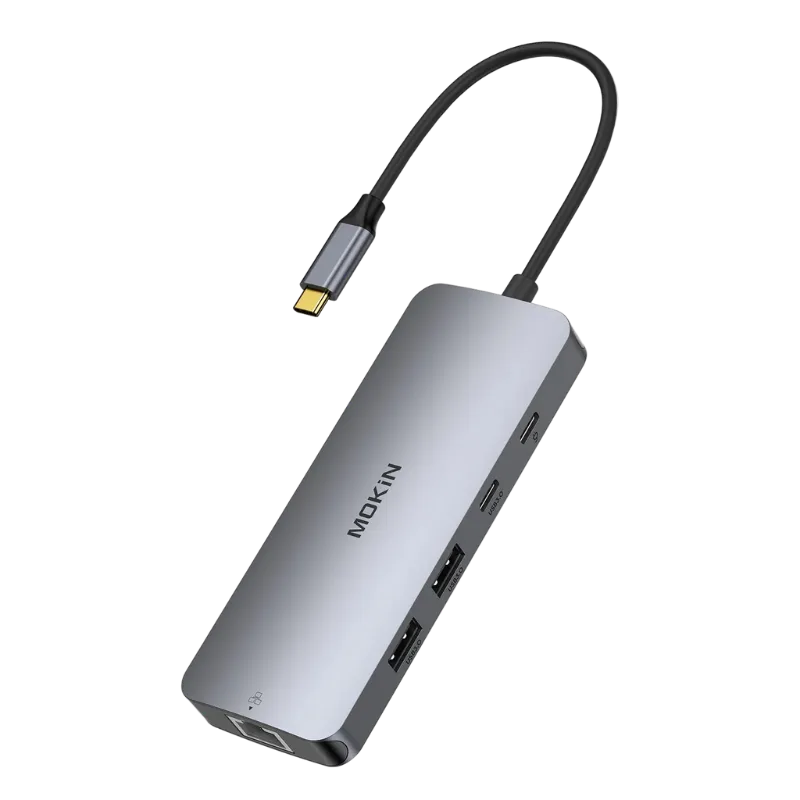
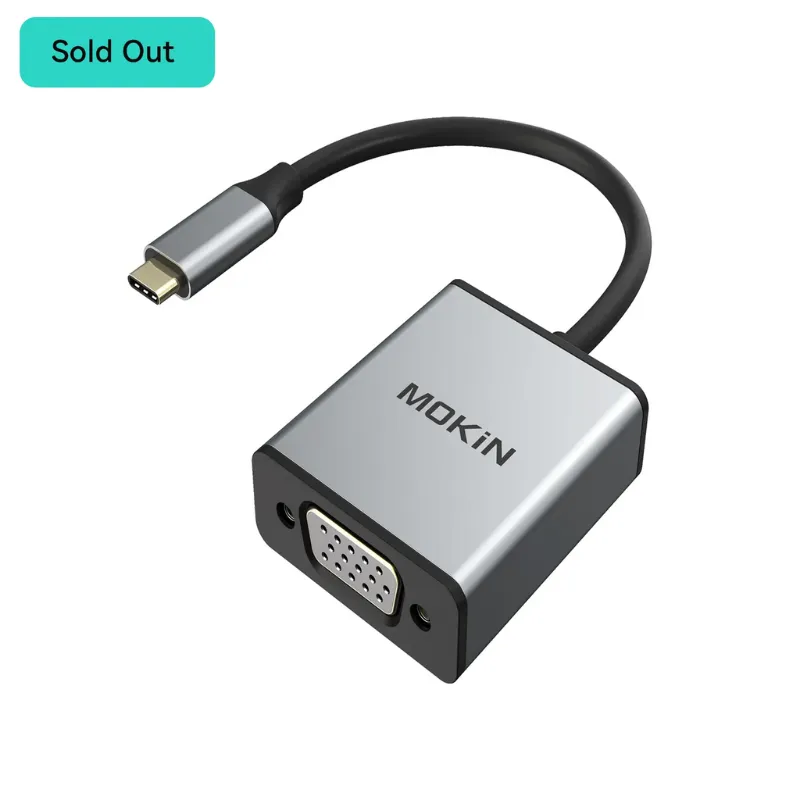
You can check the latest price on similar high-power cables from MOKiN, which also carry EPR and USB4 certification at a lower cost than Belkin’s retail option.
The official Belkin USB4 cable page lists full technical details and certifications if you need to cross-reference compatibility with your specific hardware.
How to Verify Your Devices Support 240W EPR
Buying a 240W cable won’t magically deliver more power to a device that isn’t designed for it. USB Power Delivery negotiates the maximum wattage both ends can handle, and the lower limit wins. Here’s how to check:
- Laptop or device spec sheet: Look for USB-C PD 3.1 with EPR, or a power adapter rated above 140W
- Charger output label: EPR chargers list 28V, 36V, or 48V outputs in addition to the standard 5V, 9V, 15V, and 20V steps
- Cable certification: EPR cables carry a label or spec sheet stating 240W or 48V/5A support
If your laptop charges at 100W via USB-C PD 3.0, plugging in a 240W cable and 240W charger will still deliver only 100W because the laptop’s charging circuitry negotiates that ceiling. The benefit is overhead, future compatibility, and ensuring the cable never becomes the weak link.
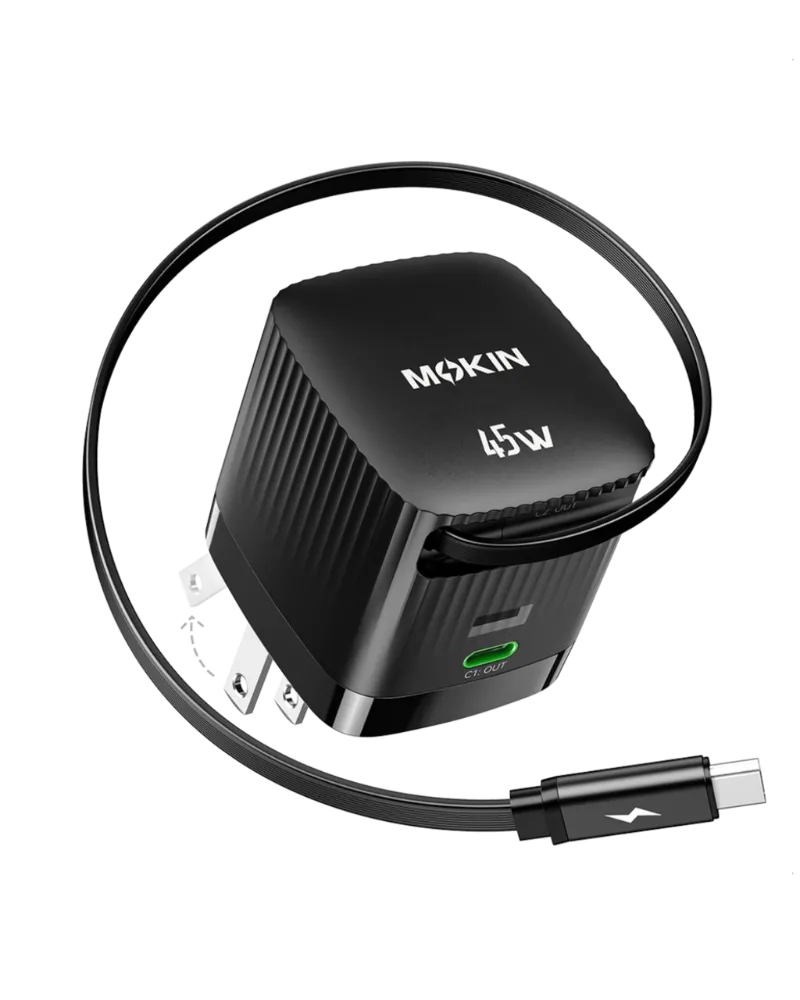
For devices like the iphone charging cable or old iphone charger, 240W capacity is overkill. Those products charge at 20W to 30W maximum, so a standard USB-C to Lightning cable or USB-C to USB-C cable rated for 60W is more cost-effective.
Comparing 240W USB4 Cables to Other USB-C Options
When you’re deciding between cable specs, focus on the real demands of your devices rather than maximum ratings. Here’s how the top tiers compare:
| Cable Type | Max Power | Max Data Speed | Best For |
|---|---|---|---|
| USB4 Gen 3 240W EPR | 240W (48V/5A) | 40 Gbps | Future-proof workstations, high-power docks |
| Thunderbolt 4 | 100W (20V/5A) | 40 Gbps | Most laptops, external GPUs, fast storage |
| USB 3.2 Gen 2 PD 3.0 | 100W (20V/5A) | 10 to 20 Gbps | General laptop charging, standard peripherals |
| USB 2.0 PD 3.0 | 60 to 100W | 480 Mbps | Charging-only or low-speed accessories |
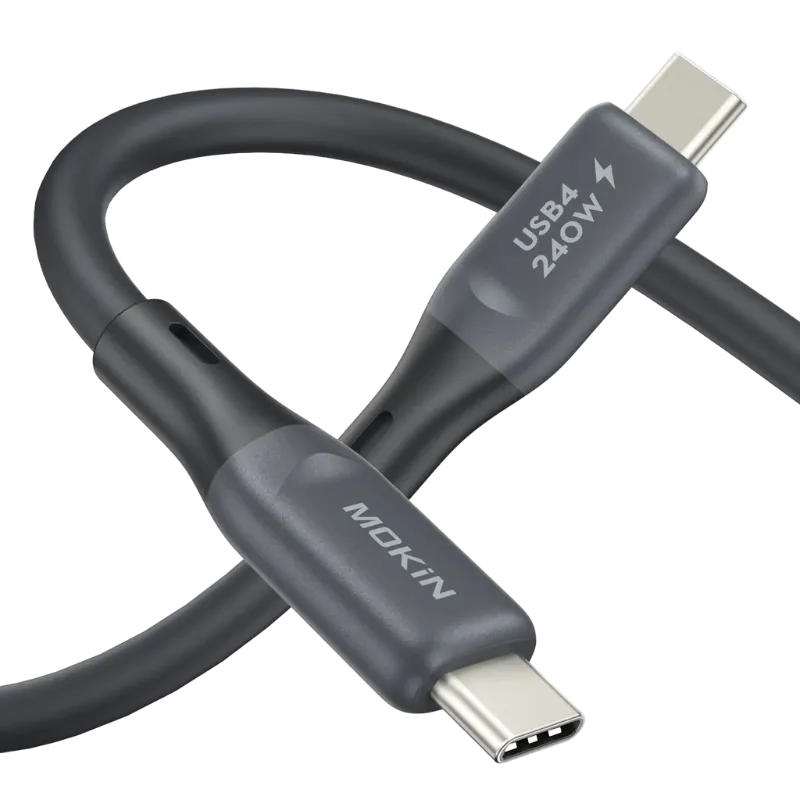
A belkin 240w usb4 cable sits at the top of this hierarchy, but you’ll pay a premium. If your primary need is reliable data transfer for a d-port to hdmi adapter or a mokin usb to hdmi vga driver windows setup, a Thunderbolt 4 or USB 3.2 Gen 2 cable will handle those tasks without the extra cost.
We recommend USB4 240W cables when you’re building a setup that includes a high-power laptop, multiple 4K displays, and fast external storage all running through a single connection. For simpler workflows, save the budget for the dock or adapter itself.
Cable Length, Build Quality, and Certification to Watch For
Longer cables introduce signal loss, especially at 40 Gbps speeds. Passive USB4 cables typically max out at 0.8 meters (about 2.6 feet) for full 40 Gbps performance. If you need 1.5 to 2 meters, look for an active cable with a built-in signal repeater chip. Active cables cost more but maintain speed and power delivery over longer runs.
What to check before you buy:
- USB-IF certification logo: Ensures the cable meets official USB4 and EPR standards
- E-Marker chip: Required for any USB-C cable rated above 60W, allows the cable to communicate its capabilities to the charger and device
- Cable jacket and strain relief: Nylon braiding and reinforced connectors extend lifespan, especially if you connect and disconnect frequently
- Warranty: Premium cables should carry at least a one-year warranty; Belkin and MOKiN both offer coverage
Avoid no-name cables claiming 240W and 40 Gbps at budget prices. Without proper certification, they may lack the E-Marker chip or the correct gauge wiring, which risks overheating or device damage. If you’re shopping for a certified option with a discount, grab the code for 10% off MOKiN accessories that meet the same EPR and USB4 standards.
When to Upgrade and When to Stick With What You Have
You should consider a 240W USB4 cable if you recently bought or plan to buy a laptop with a power adapter rated above 140W, or if you’re investing in a professional docking station that supports multiple high-resolution displays and fast storage. For everyone else, a standard 100W Thunderbolt 4 or USB 3.2 cable will handle charging, video output, and data transfer without the extra cost.
Upgrading makes sense when your existing cable bottlenecks your workflow. If your steam deck dock or displaylink docking station supports USB4 peripherals but your cable maxes out at USB 3.1 speeds, you’re leaving performance on the table. Similarly, if your laptop supports 140W charging but your cable is rated for only 60W, you’ll see slower charge times or the battery draining during heavy workloads.
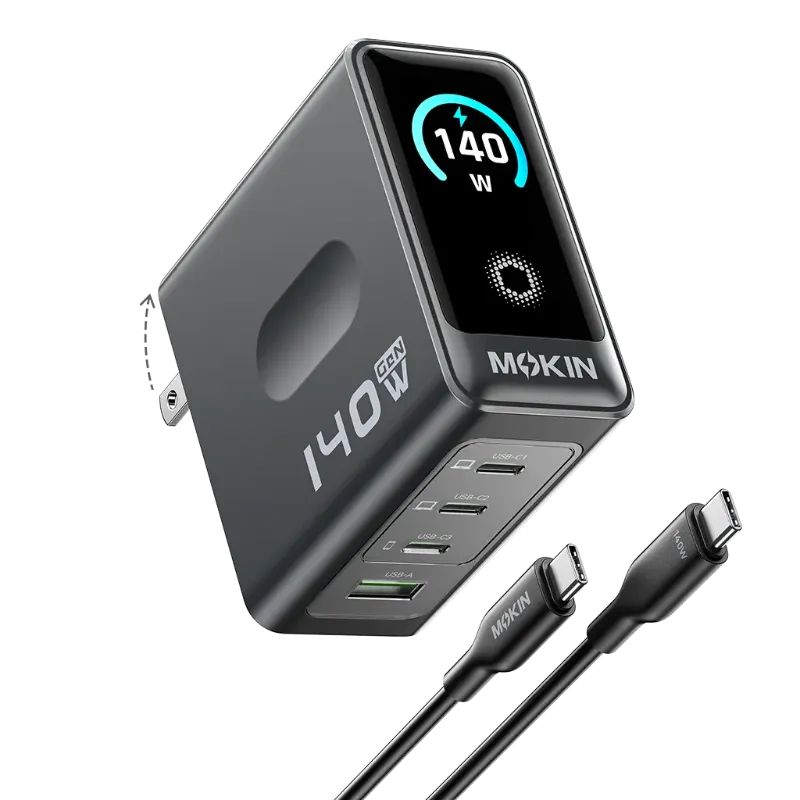
For accessories like a lightning port adapter or basic usb c adapter, the cable wattage and data speed matter far less than connector compatibility and build quality.
The decision comes down to matching your cable to the highest spec in your chain. If any device, charger, or accessory in your setup caps out at 100W or USB 3.2 speeds, a 240W USB4 cable won’t unlock extra performance, but it will future-proof your investment as you upgrade other components over time.
Questions
Does the Belkin 240W USB4 cable work with older USB-C devices?
Yes, it's backward compatible with USB 2.0, USB 3.2, and Thunderbolt 3 devices. The cable will negotiate the highest power and speed both ends support, so you can use it with any USB-C device safely.
Can I use a 240W cable to charge my phone or tablet?
You can, but it's unnecessary. Phones and tablets charge at 20W to 45W maximum, so a standard 60W USB-C cable costs less and works just as well. The 240W rating doesn't force extra power into your device.
What's the difference between passive and active USB4 cables?
Passive cables work up to about 0.8 meters for full 40 Gbps speed, while active cables include a signal repeater chip that maintains performance at lengths up to 2 meters. Active cables cost more but are necessary for longer desktop setups.
Do I need a special charger to get 240W from the cable?
Yes, both your charger and device must support USB-C PD 3.1 Extended Power Range (EPR). Standard PD 3.0 chargers max out at 100W even if you use a 240W cable. Check your power adapter's label for 28V, 36V, or 48V output ratings.
Will a 240W USB4 cable improve display quality on my docking station?
Only if your current cable is limiting bandwidth. USB4's 40 Gbps supports 4K at 120Hz or 5K at 60Hz. If you're already using a Thunderbolt 4 cable, you won't see a display quality difference since both deliver the same 40 Gbps data speed.
How do I know if a cable is genuinely certified for 240W?
Look for the USB-IF certification logo on the packaging and confirm the cable includes an E-Marker chip, which is required for power above 60W. Avoid cables that claim 240W but lack any certification marks or detailed spec sheets.
Products in this guide
 Shopping at MOKiN? See the discount code
10% OFF Sitewide
Shopping at MOKiN? See the discount code
10% OFF Sitewide
More in this series
Troubleshooting Display Issues with DisplayPort to HDMI Adapters1 Aug 20265 minDo Lightning to USB-C Cables Really Charge iPhones Faster Than Old Chargers?1 Aug 20264 minUSB-C Adapter vs DisplayLink Docking Station: Which MOKiN Solution Is Right for You?1 Aug 20265 minHow to Set Up Your Steam Deck Dock for the Best Gaming Experience1 Aug 20265 min