 A Think Robotics guide
Carbon Fibre vs Polycarbonate PC: Choosing Structural Materials for Robot Frames
Carbon fibre elements deliver exceptional strength-to-weight ratios for high-performance robot frames, while polycarbonate PC offers affordability and easy machining for prototypes.
Carbon Fibre Elements vs Polycarbonate PC for Robot Frames
Carbon fibre elements provide unmatched rigidity and weight savings for demanding robotic applications, but polycarbonate PC remains the go-to choice for cost-sensitive builds and rapid prototyping.
Both materials serve distinct roles in modern robotics. Understanding their mechanical properties, machinability, and real-world trade-offs will help you select the best foundation for your next build.
Material Properties: Strength, Weight, and Stiffness
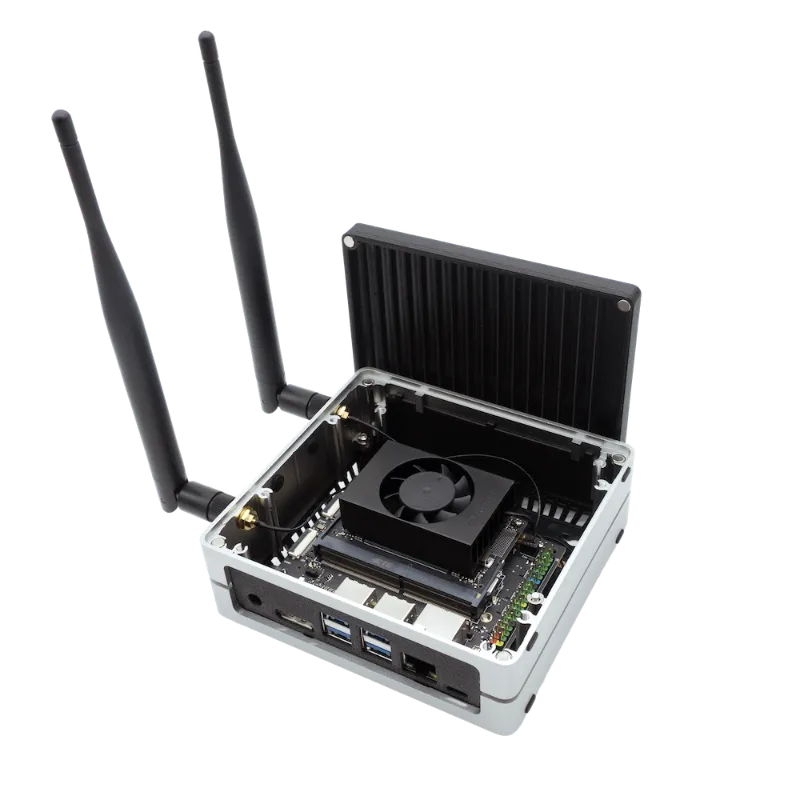
Carbon fibers consist of tightly aligned polymer chains that deliver tensile strengths exceeding steel at a fraction of the weight. Carbon fiber reinforced polymer composites typically achieve tensile moduli between 150 and 600 GPa depending on weave pattern and resin system. This translates to chassis plates that resist flex under load, critical when mounting heavy components like the nvidia jetson orin nano super developer kit or multi-cell battery packs.
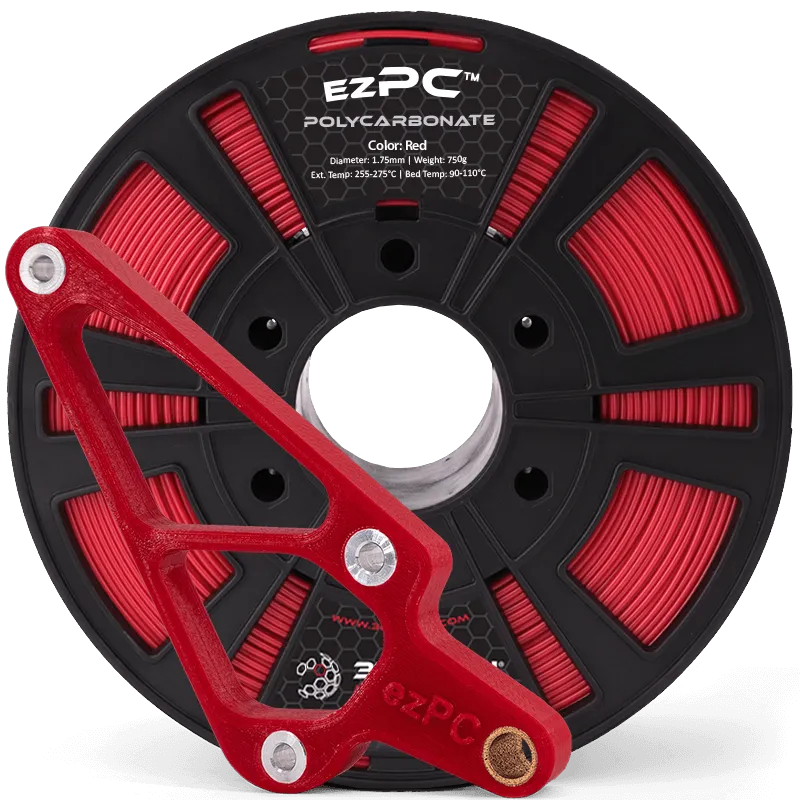
Polycarbonate PC offers moderate strength with excellent impact resistance. Its tensile strength sits around 60-70 MPa, significantly lower than carbon composites, but its ductility absorbs shocks that would crack brittle carbon panels. We’ve found polycarbonate ideal for protective enclosures and frames that experience collisions during testing.
Key comparisons:
- Density: Carbon fibre elements weigh roughly 1.6 g/cm³; polycarbonate sits at 1.2 g/cm³
- Flexural rigidity: Carbon composites resist bending 5-10× better than polycarbonate at equivalent thickness
- Impact tolerance: Polycarbonate absorbs energy through deformation; carbon shatters under point loads
- Thermal stability: Carbon composites maintain stiffness to 150°C; polycarbonate softens around 145°C
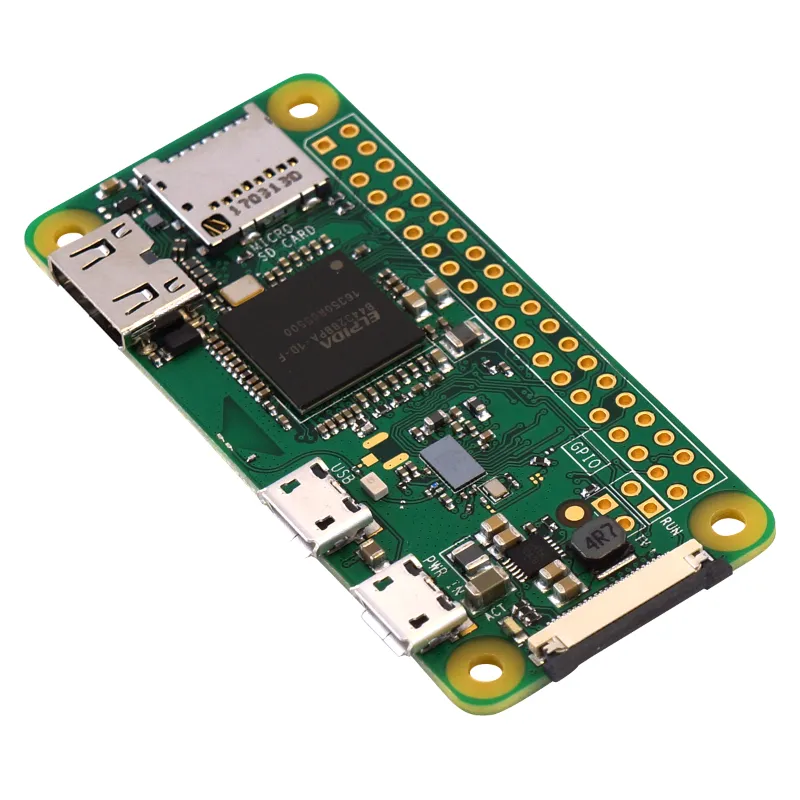
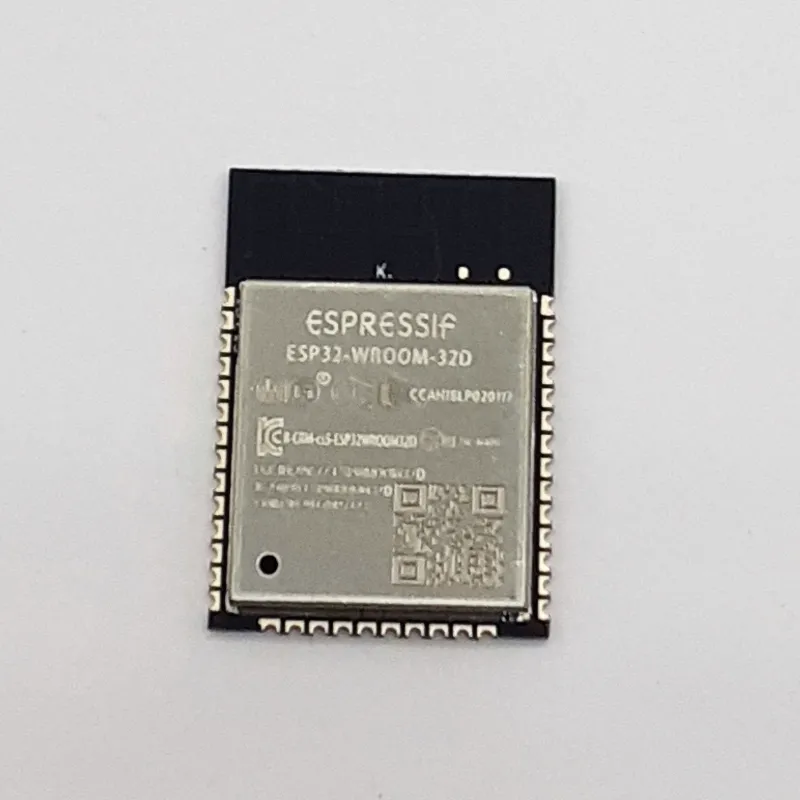
For projects integrating boards like the raspberry pi zero w or esp32-wroom-32, the choice often comes down to whether vibration damping (polycarbonate) or absolute rigidity (carbon) matters more for sensor accuracy.
Cost and Availability Considerations
Is carbon fiber expensive? Yes, compared to thermoplastics. Sheet carbon fibre elements typically cost 8-15× more per square meter than equivalent polycarbonate stock. A 400×500 mm carbon plate with 3 mm thickness runs significantly higher than polycarbonate pc sheets of the same dimensions, and that gap widens with specialized weaves or pre-preg materials.
Check the latest pricing on structural materials to compare current costs for your build size. Our discount code saves 3% on all orders, which adds up quickly on multi-panel chassis kits.
Polycarbonate remains widely stocked at hardware suppliers and makerspaces. You can often source it locally and cut pieces the same day. Carbon sheets require specialty distributors, and lead times stretch when ordering specific layup schedules or thicknesses.
Budget trade-offs:
- Prototyping: Polycarbonate allows fast iteration without financial risk; mistakes cost pennies
- Production runs: Carbon’s durability justifies upfront cost when building multiple identical units
- Hybrid approach: Use carbon for high-stress areas (motor mounts, arm segments) and polycarbonate for secondary structures
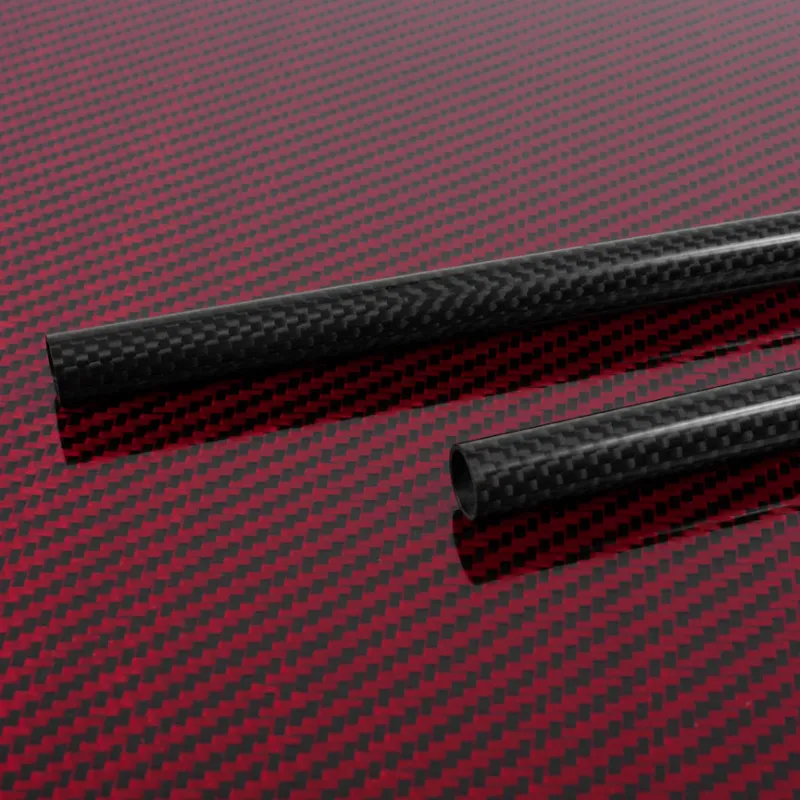
Many builders start with polycarbonate during the design phase, then transition critical components to carbon fibre elements once the geometry is proven.
Machining and Fabrication Methods
Polycarbonate machines beautifully with standard woodworking tools. We’ve cut clean edges on a basic band saw, drilled precise holes with twist bits, and tapped threads directly into 6 mm plates for standoffs. It thermoforms easily with a heat gun, letting you create curved enclosures for seeed studio dev boards or protective cowls around moving mechanisms.
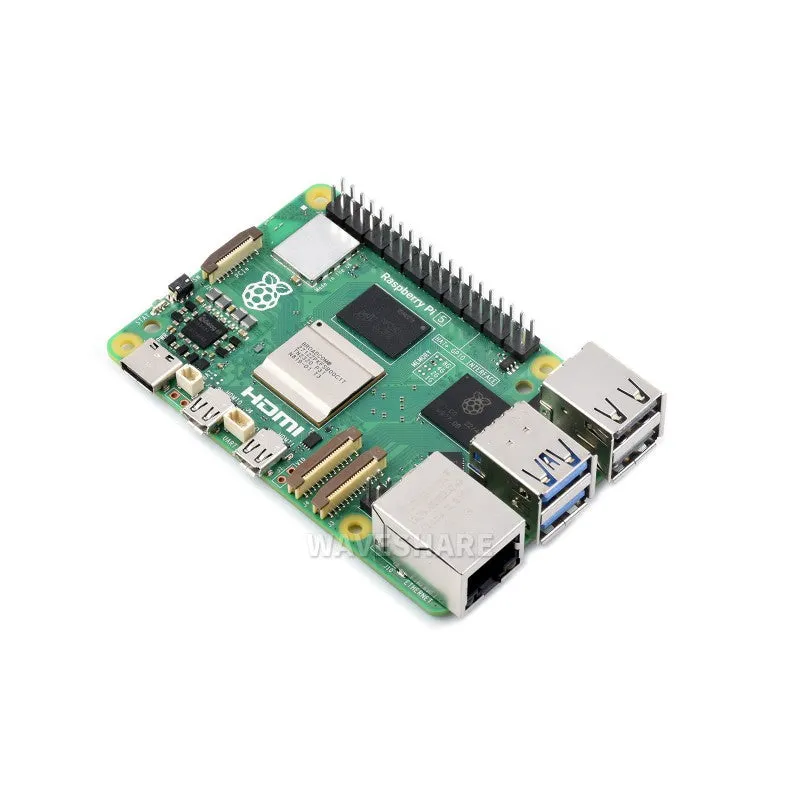
Carbon composites demand different techniques. The abrasive fibers dull standard drill bits within minutes; carbide or diamond-coated tooling is mandatory. Cutting generates fine dust that irritates skin and lungs, requiring proper extraction and PPE. We always use backing boards to prevent exit-side delamination when drilling mounting holes for components like the rasberry pi 5.
Fabrication tools needed:
| Material | Cutting | Drilling | Finishing |
|---|---|---|---|
| Carbon fibre | Carbide blade, low RPM | Diamond bits, peck drilling | Seal edges with resin |
| Polycarbonate PC | Standard saw blade | HSS twist bits | Flame-polish or sand |
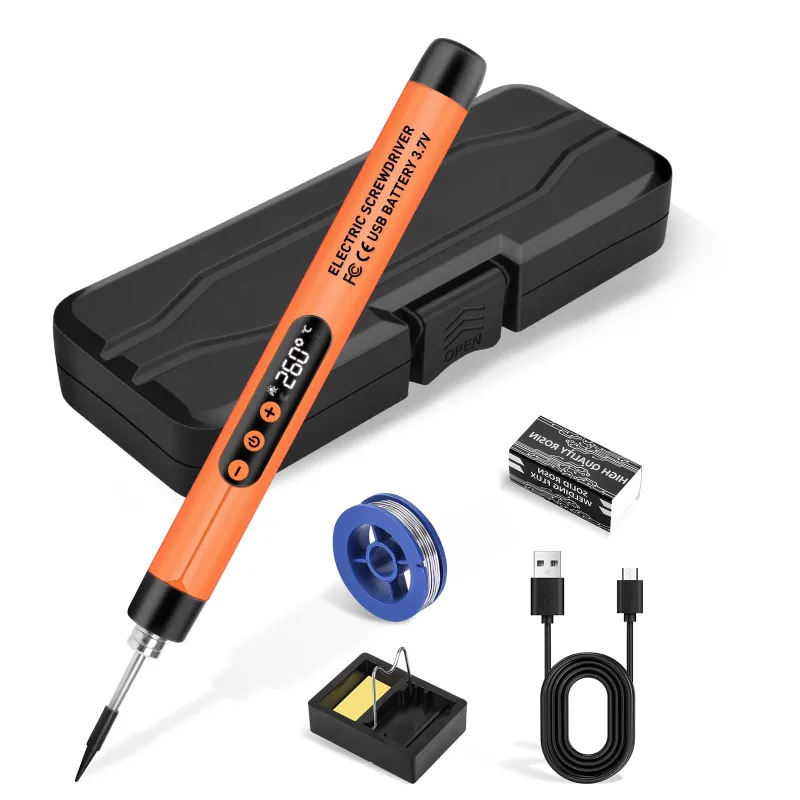
Joining methods differ too. Polycarbonate bonds with solvent cements or mechanical fasteners. Carbon requires epoxy adhesives or through-bolted connections; the material won’t accept solvent welding. For quick assembly during prototyping, polycarbonate wins. When you need a soldering iron kit for electronics and a frame you can adjust on the fly, thermoplastic structures save hours.
Choosing the Right Material for Your Robot Build
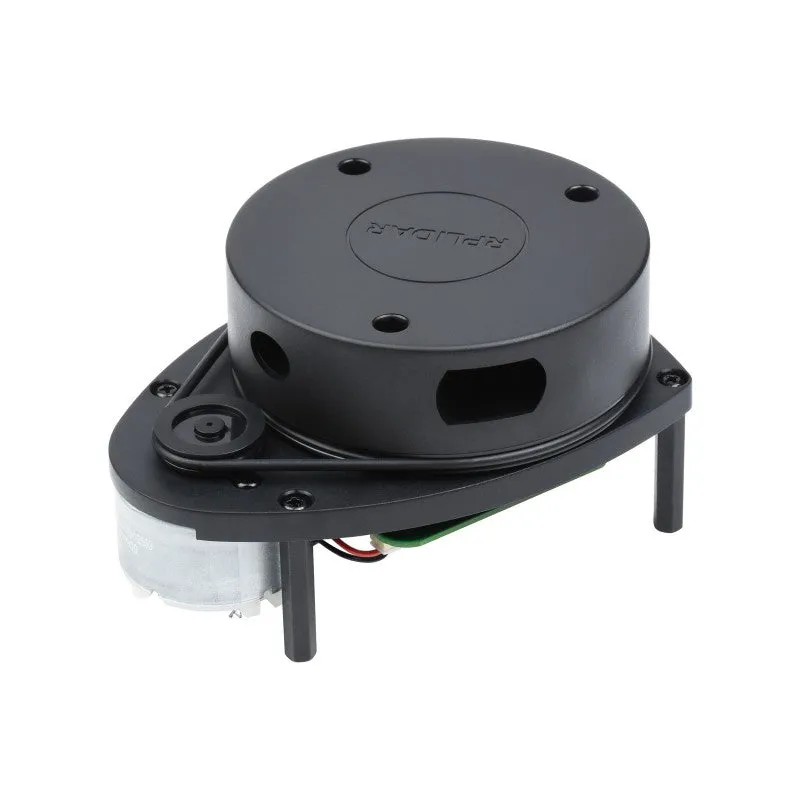
Match material to mechanical demands. If your robot chassis supports a heavy lidar scanner on a cantilevered arm, carbon’s stiffness prevents tip deflection that skews point clouds. Lightweight racing drones and competition bots benefit from every gram saved, making carbon fiber reinforced polymer the only viable choice.
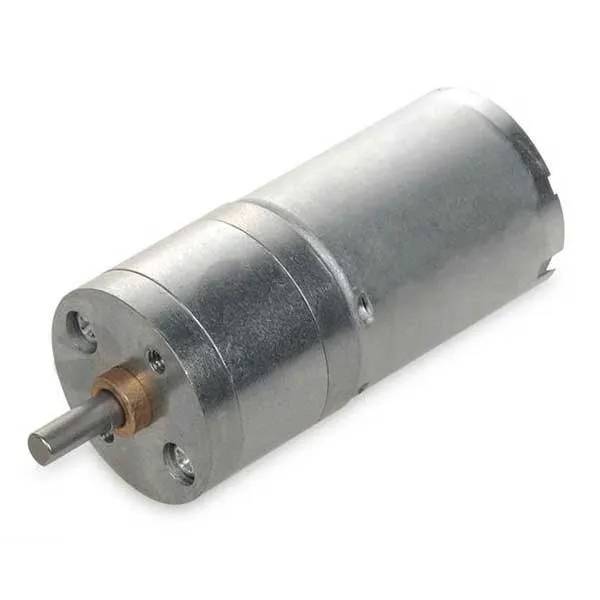
Conversely, educational robots, proof-of-concept prototypes, and indoor service bots rarely need carbon’s performance. A polycarbonate frame holds dc motor dc drives perfectly well for slower-moving platforms, and the cost savings free budget for better sensors or a more capable controller like the nvidia jetson orin nano super developer kit.
When carbon fibre elements make sense:
- High-speed motion with rapid direction changes
- Cantilevered loads exceeding 2 kg
- Outdoor robots exposed to UV and temperature swings
- Competitive events with strict weight limits
When polycarbonate PC is the better pick:
- Budgets under $200 for structural materials
- Designs still in iteration with frequent geometry changes
- Robots operating indoors with controlled environments
- Projects prioritizing impact protection over absolute rigidity
Grab the discount code before ordering either material; the 3% savings stack with bulk pricing on multi-sheet orders.
Hybrid Frame Strategies and Alternative Materials
We’ve built several successful robots combining both materials. A typical hybrid uses carbon fibre elements for the main spine and motor-mount plates where stiffness matters, then switches to polycarbonate for top and bottom covers, electronics trays, and cosmetic panels. This keeps critical structures rigid while cutting 30-40% from the material budget.
Consider 3d printing materials for complex geometries that would waste stock material. Carbon-fiber-filled filaments bridge the gap between pure thermoplastics and composite sheets, though they don’t match the properties of true woven carbon. We print motor brackets and sensor mounts in CF-nylon, then bolt them to carbon or polycarbonate frames.
Aluminum extrusion offers another middle path, delivering good stiffness at moderate weight. Pairing T-slot framing with polycarbonate panels creates adjustable structures ideal for research platforms that evolve over time. The pi zero w fits neatly into 3D-printed mounts that slide along extrusion channels, making electronics relocation trivial.
Test materials early in your design cycle. Order small samples, machine test coupons, and validate fastener pull-out strength before committing to full sheets. Carbon fiber properties vary dramatically between plain weave, twill, and unidirectional layups; polycarbonate grades range from general-purpose to flame-retardant formulations. Matching material to application prevents expensive redesigns after parts arrive.
Maintaining and Repairing Structural Components
Polycarbonate scratches easily but repairs simply. Light abrasions sand out with progressive grits up to 2000, followed by flame-polishing to restore clarity. Cracks propagate slowly, giving visual warning before failure, and you can reinforce damaged areas with acrylic cement and backing plates.
Carbon composites hide internal damage. A hard impact may delaminate inner plies while leaving the surface intact, and the part fails suddenly under subsequent load. Inspect carbon frames regularly for surface cracks or dull spots indicating resin damage. Repairs require epoxy patches and often demand replacing the entire panel to restore original strength.
UV exposure degrades both materials over time. Polycarbonate yellows and becomes brittle after 2-3 years outdoors unless treated with UV-stabilized coatings. Carbon fiber resin systems break down under prolonged sunlight, though the fibers themselves remain stable. We coat outdoor carbon structures with UV-resistant clear coats and shelter polycarbonate robots when not in use.
Clean both materials with isopropyl alcohol and microfiber cloths. Avoid acetone, which attacks polycarbonate and some carbon resins. Store spare panels flat to prevent warping, and keep carbon away from conductive surfaces since the fibers conduct electricity and can short exposed circuits.
Questions
Can you drill holes in carbon fibre elements without cracking them?
Yes, but you must use sharp carbide or diamond-coated bits and drill slowly with a backing board to prevent exit-side delamination. Standard HSS bits dull quickly and create ragged holes that compromise structural integrity.
Is carbon fiber plastic or metal?
Carbon fiber is neither pure plastic nor metal. It's a composite material consisting of carbon filaments embedded in a polymer resin matrix, combining the light weight of plastics with strength approaching metals.
Which material is better for a robot frame with a lidar scanner?
Carbon fibre elements provide superior rigidity for lidar mounts, preventing flex that skews point-cloud data during motion. Polycarbonate works for stationary or slow-moving scanner mounts where cost matters more than stiffness.
How much does polycarbonate PC weigh compared to carbon fiber?
Polycarbonate weighs about 1.2 g/cm³ while carbon fiber composites weigh around 1.6 g/cm³. However, carbon's much higher stiffness lets you use thinner panels, often resulting in lighter overall structures despite the higher density.
Can I use polycarbonate sheets outdoors on a robot?
Standard polycarbonate yellows and weakens after prolonged UV exposure. For outdoor robots, choose UV-stabilized polycarbonate grades or apply protective coatings, and expect to replace panels every few years depending on sun exposure.
What tools do I need to cut carbon fiber reinforced polymer?
You need carbide-tipped saw blades, diamond drill bits, proper dust extraction, and personal protective equipment including respirator and gloves. The abrasive fibers destroy standard woodworking tools and create hazardous dust.
Products in this guide
 Shopping at Think Robotics? See the discount code
3% OFF All Orders
Shopping at Think Robotics? See the discount code
3% OFF All Orders
More in this series
Best Soldering Iron Temperature for ESP32 Camera Module Installation7 Aug 20264 minDo You Need a LiDAR Scanner for Your Robotics Project?7 Aug 20265 minESP32-WROOM-32 Not Connecting to WiFi: Troubleshooting Guide7 Aug 20264 minHow to Set Up the NVIDIA Jetson Orin Nano Super Developer Kit for AI Projects7 Aug 20266 minRaspberry Pi Zero W vs Pi Zero 2 W: Which Single-Board Computer Should You Choose?7 Aug 20265 min