 A CVLIFE guide
How to Zero Your AR15 Scope Using a Bore Sight Laser
A bore sight laser projects a reference dot that aligns your optic with your barrel before firing a single round, saving you time and ammunition at the range.
Why Use a Bore Sight Laser for Your AR15
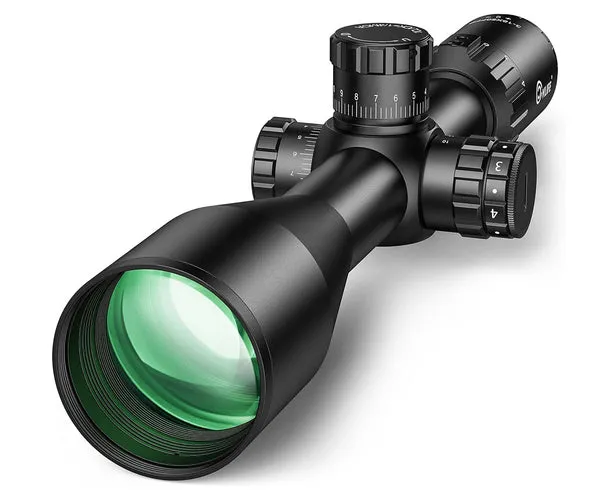
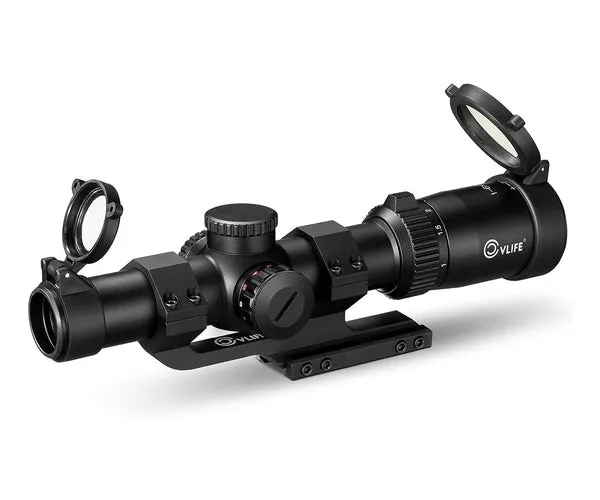
A bore sight laser gets your scope or red dot on paper in minutes instead of burning through boxes of ammo. We insert the laser into the chamber or muzzle, project a dot downrange, and adjust the reticle to match. This pre-zero means your first shots land close to center, so you only need a few rounds to fine-tune. Whether you mount a new ar15 scope, swap an lpvo scope, or re-mount a red dot after cleaning, a bore sight laser cuts setup time in half.
The process works because the laser beam travels the same path your bullet will follow out of the barrel. By matching your reticle to that beam at a known distance, you establish a rough zero before live fire. You still need to confirm and refine at the range, but you skip the frustrating search for impacts that miss the target entirely. Grab our code to save on a complete bore sight kit that covers multiple calibers.
Choosing the Right Bore Sight Laser
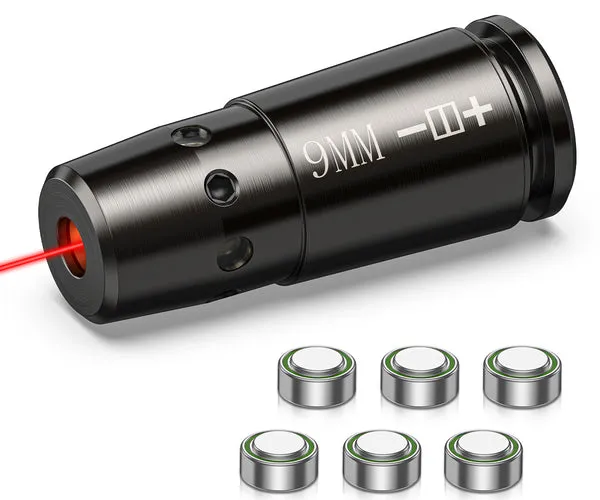
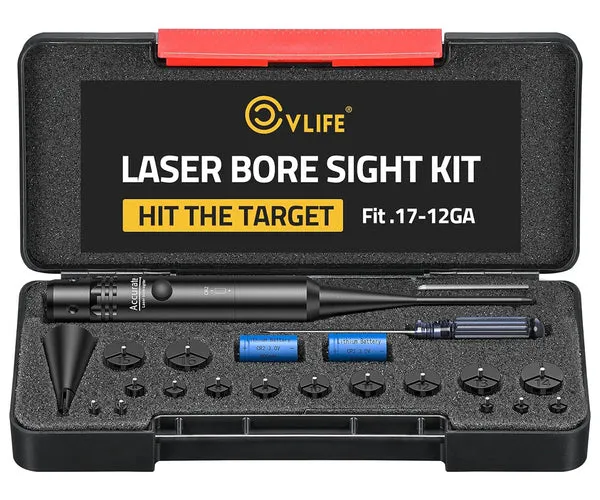
Bore sights come in two main types: chamber-insert models and muzzle-mounted arbors. Chamber lasers slide into the chamber like a dummy round and align with the bore axis automatically. They work best for rifles with accessible chambers and common calibers like.223/5.56.308, and pistol rounds. A 9mm bore sight uses the same principle for handguns and pistol-caliber carbines. Muzzle arbors attach to the crown with magnetic or spring-loaded tips and suit rifles with short or obstructed chambers, though they require careful centering.
We recommend chamber-insert models for AR15 platforms because they seat precisely and eliminate user error in alignment. Many quality units include interchangeable arbors for different calibers, turning one tool into a multi-gun solution. Look for brass or machined-aluminum construction, a bright red or green laser (green shows better in daylight), and a battery compartment you can access without tools. Expert testers at AccurateShooter confirm that chamber designs deliver the most repeatable results across multiple zeroing sessions.
Step-by-Step: Zeroing Your Scope with a Bore Sight
1. Safe your rifle and remove the bolt or charging handle so you can see through the bore. Confirm the chamber is empty and no magazine is inserted.
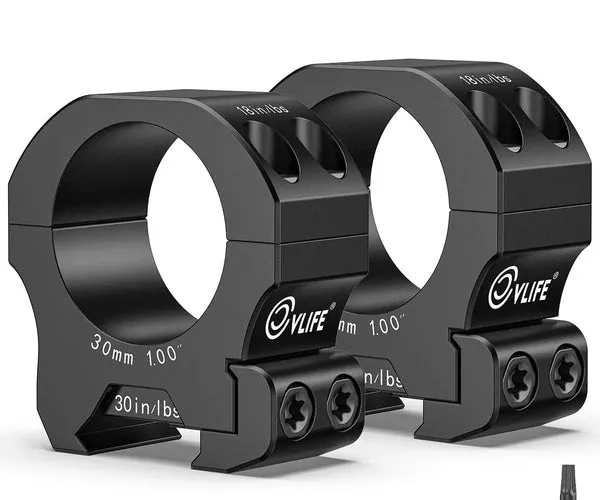
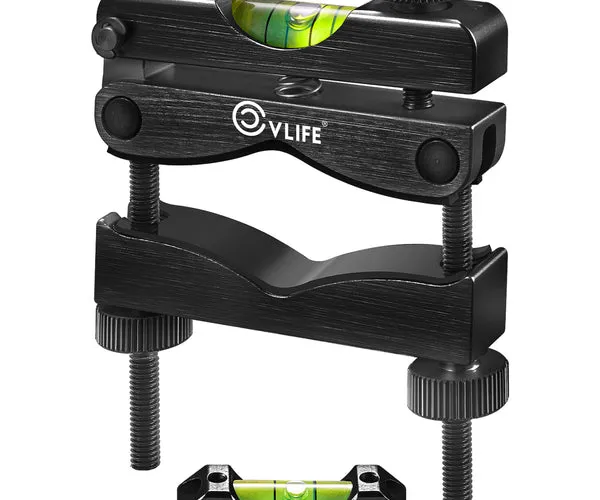
2. Mount your optic securely using quality 30mm scope rings or a cantilever mount. Torque rings to spec and check that the scope sits level with a scope level before proceeding.
3. Insert the bore sight laser into the chamber. For.223/5.56 AR15s, the laser cartridge slides in like a live round. Close the action gently if your model requires it, or leave the bolt open if the laser seats without it.
4. Project the dot on a target 25 yards away. Indoor ranges or a blank wall work fine for initial setup. The laser dot shows where your barrel is aimed.
5. Adjust your reticle to match the laser dot without moving the rifle. Use your scope’s windage and elevation turrets to walk the crosshair onto the dot. Each click moves the reticle a fraction of an inch; most scopes adjust in ¼-MOA increments.
6. Remove the laser and confirm by looking through the bore again. The reticle and bore axis should align when you aim at the same spot.
7. Live-fire confirmation: At the range, fire a three-round group at 25 yards. Measure the offset from your point of aim and adjust turrets accordingly. Check the latest pricing on complete kits that include both the laser and a sturdy carry case.
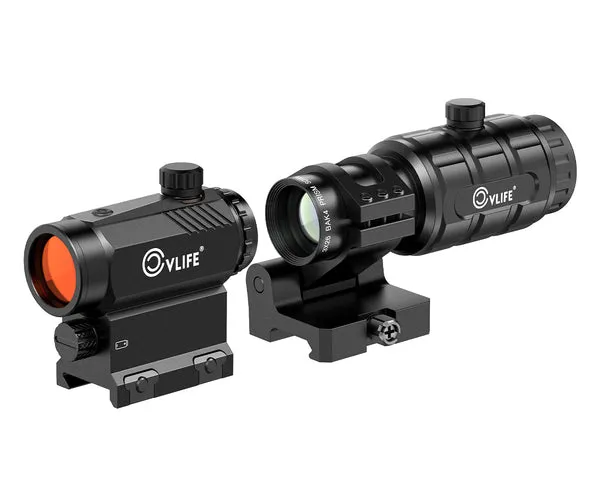
This method works equally well for lpvo scopes, fixed-power optics, and red dot sights. Magnified scopes benefit most because precise crosshair adjustment is easier to see, but even unmagnified dots land on paper faster with a bore sight.
Common Mistakes and How to Avoid Them
| Mistake | Why It Happens | Fix |
|---|---|---|
| Laser wobbles or won’t seat | Wrong caliber arbor or dirty chamber | Match arbor to your caliber; clean chamber before inserting |
| Reticle adjustments don’t move the dot | Moving the rifle instead of the turrets | Secure rifle in a rest or sandbags; turn only the turret knobs |
| Zero drifts after bore sighting | Loose scope rings or mount | Re-torque rings to 15 to 25 in-lbs and apply threadlocker |
| Laser dot too dim to see outdoors | Weak battery or red laser in bright sun | Replace battery; switch to green laser or bore sight indoors |
We also see shooters confuse bore sighting with a final zero. The laser gives you a rough zero that saves ammo, but barrel harmonics, bullet drop, and wind all affect real-world impacts. Always confirm with live fire at your intended zero distance, typically 50 or 100 yards for AR15 rifles. Pew Pew Tactical’s hands-on testing shows that even premium bore sights land you within 2 to 4 inches of center at 100 yards, close enough to adjust in three to five shots instead of twenty.
Bore Sight Laser vs. Other Zeroing Methods
Optical bore sighting (looking through the bore and scope simultaneously) costs nothing but requires removing the bolt and works poorly with AR15s because the charging handle and buffer tube obstruct your view. You also can’t use it with red dot sights that lack magnification.
Box-method zeroing (starting at 10 yards with a huge target) wastes time and assumes you have a private range where close-range shooting is allowed. It still takes a dozen rounds to walk onto paper.
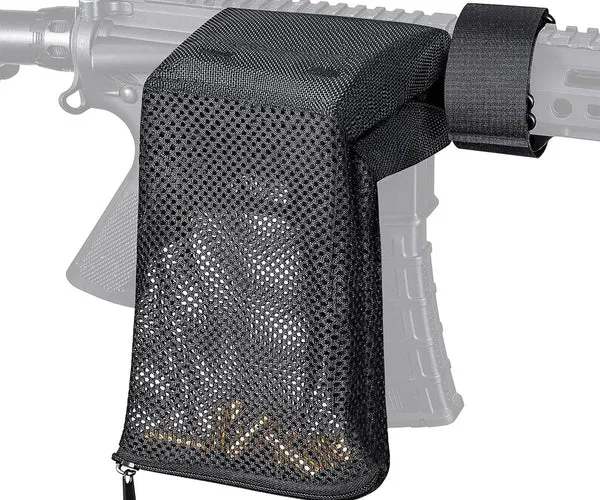
Professional bore sighting machines at gun shops use optical collimators and cost $20 to 40 per session. A quality bore sight kit pays for itself in two visits and lets you zero at home whenever you swap optics or accessories like a shell catcher that might shift your point of impact.
For shooters who run multiple uppers or frequently test gear, owning a bore sight laser is faster and cheaper than any alternative. The same tool works across your entire safe if you buy a multi-caliber kit.
Who Should Use a Bore Sight Laser
We recommend a bore sight for anyone who:
- Mounts a new optic and wants to skip the 20-round box-drill
- Swaps uppers or barrels and needs to re-zero quickly
- Tests multiple scopes for reviews or personal preference
- Shoots at public ranges with limited time or ammo restrictions
- Wants to confirm zero after travel or a hard drop
Even experienced shooters appreciate the time saved. New AR15 owners benefit most because bore sighting builds confidence: your first trigger pull produces a visible hit instead of a mystery miss. Pair your ar15 scope with a quality laser, and you will spend more time shooting groups and less time chasing paper. Visit our discount page to save on the complete setup.
Bore sighting does not replace live-fire confirmation, but it eliminates the guesswork that wastes ammunition and frustrates shooters. We have zeroed dozens of optics this way, and the method works every time when you follow the steps and secure your mounts properly.
Questions
How accurate is a bore sight laser compared to live fire zeroing?
A bore sight laser gets you within 2 to 4 inches of center at 100 yards, close enough that three to five live rounds will finish the zero. It saves ammunition but does not replace final confirmation at your intended distance.
Can I use the same bore sight for my AR15 and 9mm pistol?
Yes, if you buy a multi-caliber kit with interchangeable arbors. A dedicated 9mm bore sight fits pistol chambers, while a.223 arbor fits AR15 rifles. Check that your kit includes both sizes.
Do I need to remove my bolt to use a chamber bore sight?
Most chamber bore sights for AR15s require removing the bolt or pulling the charging handle back so the laser cartridge can seat in the chamber. Check your specific model's instructions.
Why does my laser dot disappear in bright sunlight?
Red lasers wash out in daylight. Bore sight indoors or in shade, or upgrade to a green laser model which is four times more visible to the human eye in bright conditions.
Can I bore sight a red dot or does it only work with magnified scopes?
Bore sighting works perfectly with red dots, holographic sights, and any optic that has windage and elevation adjustments. You adjust the dot to match the laser just like you would a crosshair.
How often should I bore sight my AR15 scope?
Bore sight whenever you remove and remount your optic, swap barrels or uppers, or after a hard impact that might have shifted your zero. Most shooters only need to bore sight once per new scope installation.
Products in this guide
 Shopping at CVLIFE? See the discount code
10 % OFF Sitewide
Shopping at CVLIFE? See the discount code
10 % OFF Sitewide
More in this series
Complete Guide to Choosing the Right Bore Sight Kit for Your Caliber18 Aug 20266 min Why Won’t My Pistol Laser Hold Zero?18 Aug 20264 minCVLIFE 30mm Scope Rings: Installation and Torque Settings18 Aug 20265 minDo Brass Catchers Really Work?18 Aug 20265 minLPVO vs Red Dot Sight: Which Optic Is Right for Your AR15?18 Aug 20265 min