 A CVLIFE guide
Do Brass Catchers Really Work?
A shell catcher can keep your brass from flying everywhere, but only if you pick the right style and mount it correctly for your rifle.
A quality brass catcher works well on rifles and, to a lesser extent, pistols when it is mounted correctly, capturing most of the ejected brass rather than letting it scatter. How well it performs depends on positioning, your firearm’s ejection pattern and how full the pouch is allowed to get.
How a shell catcher for AR platforms performs
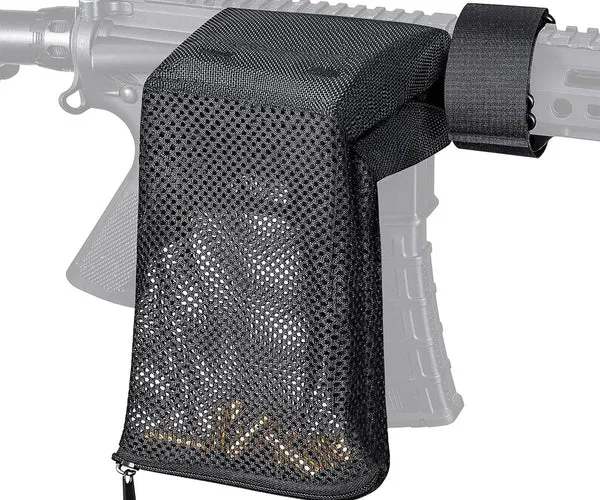
AR-15 and AR-10 rifles eject brass in a fairly predictable arc, which makes them good candidates for a shell catcher. A typical design mounts via a hook-and-loop strap around the handguard or upper receiver, positioning a zippered mesh pouch in the ejection path.
A few factors affect how well a catcher performs:
- Ejection strength. Hot loads and overgassed rifles can throw brass past the pouch opening.
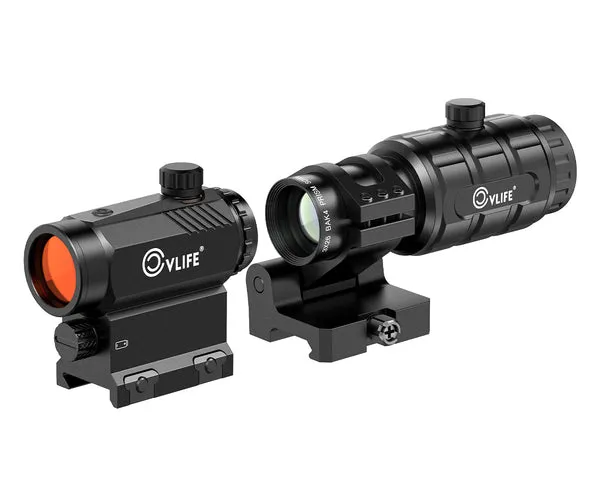
- Optic height. A tall LPVO scope or red dot can interfere with how the catcher sits.
- Bag fullness. Cases drop cleanly at first, but once the bag has a few dozen rounds in it, the added weight can pull the opening out of position.
- Wind. Outdoors, a strong crosswind can deflect lightweight cases before they reach the pouch.
Mount the catcher with the opening positioned just below the ejection port and slightly forward, then run a few test rounds to check where the brass actually lands before you rely on it for a full session.
Shell catcher options for pistols and shotguns
AR-pattern rifles offer the most straightforward mounting, but a shell catcher for a pistol needs a different approach. Semi-auto handguns eject brass upward and to the side, so universal pistol catchers use a clamp or adhesive mount on the slide or frame. Results here tend to be less consistent, since a reciprocating slide and a compact frame leave little room for a stable pouch.
For shotguns, a shell catcher typically clamps to the receiver and catches hulls as they eject from the side port. These work best on gas-operated semi-autos with a consistent ejection pattern, less so on pump actions where the shooter’s racking speed varies. If you reload shotgun shells, a catcher can save time during a session.
Revolvers retain brass in the cylinder until you manually eject it, so a catcher is not necessary there.
Are shell catchers legal and range-friendly?
Brass catchers are legal to use and are considered a convenience accessory rather than a firearm modification. Some indoor ranges encourage or even require them to keep lanes clear and speed up cleanup between shooters. Some outdoor ranges have their own rules about brass collection, so check with the range beforehand.
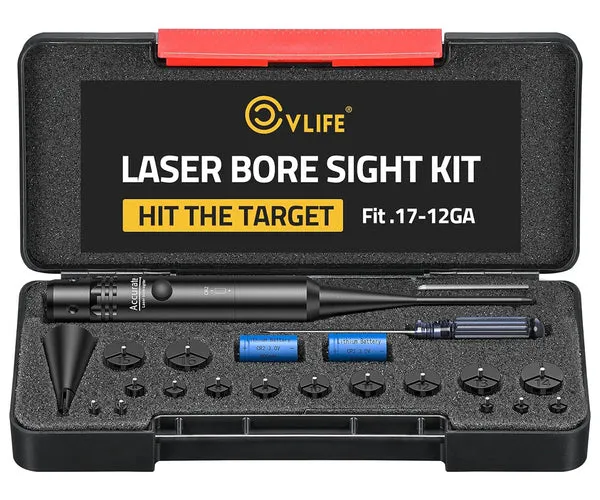
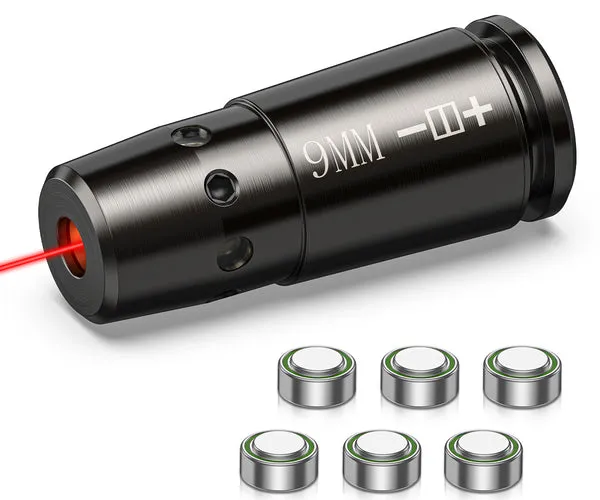
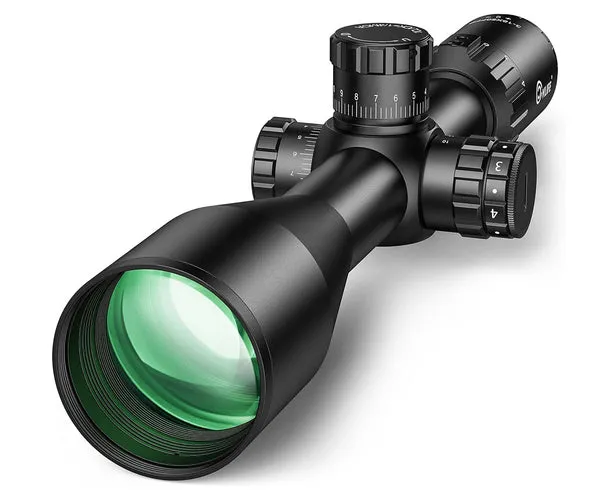
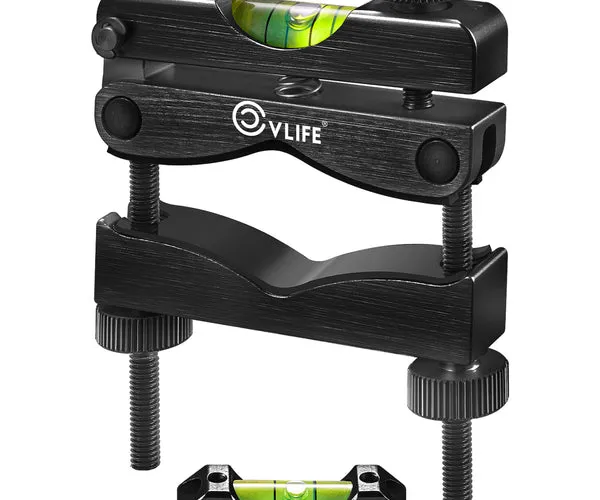
If you are shooting with a bore sight laser or 9mm bore sight during zeroing, make sure your catcher does not block your sight picture or interfere with optic adjustments. Sight in your AR15 scope or check it with a scope level first, then attach the catcher once you are ready for live fire.
According to background on brass catchers, the concept has been used in military contexts for decades to prevent cases from falling into sensitive areas. Civilian versions apply the same idea to sport shooting and reloading.
When a shell catcher makes sense
A brass catcher is worth using in specific situations:
- Reloaders. If you reload your own ammunition, every recovered case has value.
- Grass and gravel ranges. Outdoor ranges with uneven terrain make manual brass recovery tedious, and a catcher keeps everything in one place.
- Indoor lanes. Crowded indoor ranges mean brass can roll under the divider into the next lane, which a catcher prevents.
- Rentals and borrowed guns. Collecting someone else’s brass is courteous and often expected.
On the other hand, a catcher adds weight and bulk. If you run drills involving rapid movement, reloads or transitions, the extra bag can snag on gear or shift your balance, which is why competitive shooters in dynamic disciplines rarely use them.
Materials and fit to check before you buy
Look for a heat-resistant mesh that can handle hot brass without melting or deforming, and a zipper closure built to hold up to repeated opening and dumping. Check the listed mounting strap range against your handguard, buffer tube or receiver diameter before you order, since fit varies by rifle.
Check the listed bag capacity as well. Most catchers hold a set number of cases before the added weight causes the pouch to sag and the catch rate to drop, so plan to empty it periodically during a high-volume session rather than letting it fill completely.
Getting the best catch rate
Position the catcher so the opening sits directly in line with your ejection port and close to the receiver. Run a few test rounds and watch where the brass travels. If cases hit the front edge of the bag and bounce out, shift the catcher forward slightly. If they fly over the top, angle the opening upward.
Some shooters anchor the bottom of the bag with a zip tie or paracord loop to reduce sag as it fills, which helps keep the opening consistent through a session.
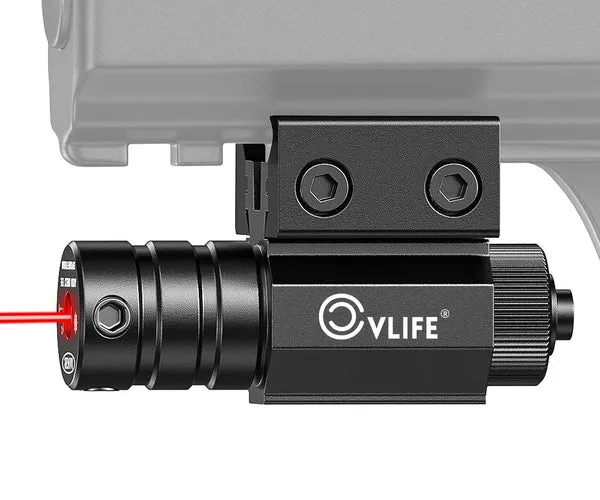
If you are also running a pistol laser or other rail-mounted accessory, make sure the catcher does not obstruct your grip or shooting stance. See the current CVLIFE discount code before you order, and check whether the catcher bundles well with optics like 30mm scope rings or a scope level if you are upgrading your setup at the same time.
Who should skip a brass catcher
If you shoot steel-cased ammunition you do not plan to reload, a catcher adds unnecessary weight and complexity. If your range prohibits brass collection or runs its own buyback program, you may not need one either.
For tactical training or home defense practice, most instructors recommend training with the same rifle configuration you would actually use, which usually means skipping the catcher. The added bulk can also interfere with prone shooting or barricade work.
If you are mainly a pistol shooter, universal handgun catchers tend to be less reliable and often are not worth the hassle unless you are shooting indoors, where every case matters.
For AR shooters who reload or want to keep their spot clean, a well-mounted shell catcher does what it promises. Check the latest CVLIFE pricing and see how it fits your shooting routine.
Questions
Does a brass catcher work well on an AR-15?
Yes, when mounted correctly. AR-15 rifles eject brass in a fairly predictable arc, so a catcher positioned just below and slightly forward of the ejection port tends to perform well. Run a few test rounds to check the opening position before relying on it for a full session.
Will a brass catcher interfere with my optic or red dot?
A properly mounted catcher sits below and behind your optic, so it should not block your sight picture. A taller scope mount may require repositioning the bag slightly rearward to avoid contact.
Can I use a shell catcher on a pistol?
Universal pistol brass catchers exist but tend to be less reliable than rifle models, since handgun slides reciprocate and ejection patterns vary. They work best on full-size frames at indoor ranges.
How many rounds can a brass catcher hold before I need to empty it?
Check the listed capacity for your specific catcher. Once the bag approaches its limit, the added weight can cause it to sag, which lowers the catch rate, so plan to empty it periodically during a high-volume session.
Are brass catchers allowed at public shooting ranges?
They are legal to use and many indoor ranges encourage them. Some outdoor ranges have their own rules about brass collection, so check with the specific range before you rely on one.
What is a realistic catch rate for a good brass catcher?
It depends heavily on mounting, ejection pattern and how full the bag is. A well-positioned catcher on an AR-15 tends to perform noticeably better than a loosely mounted one, but no catcher grabs every single case.
Products in this guide
 Shopping at CVLIFE? See the discount code
10 % OFF Sitewide
Shopping at CVLIFE? See the discount code
10 % OFF Sitewide
More in this series
Complete Guide to Choosing the Right Bore Sight Kit for Your Caliber18 Aug 20266 minWhy Won’t My Pistol Laser Hold Zero?18 Aug 20264 min CVLIFE 30mm Scope Rings: Installation and Torque Settings18 Aug 20265 minLPVO vs Red Dot Sight: Which Optic Is Right for Your AR15?18 Aug 20265 minHow to Zero Your AR15 Scope Using a Bore Sight Laser18 Aug 20265 min