 A CVLIFE guide
Why Won’t My Pistol Laser Hold Zero?
A pistol laser that won't hold zero typically suffers from loose mounting hardware, battery contact issues, or recoil-induced stress—problems you can fix in minutes with the right approach.
A pistol laser that will not hold zero usually suffers from loose mounting hardware, dirty or worn battery contacts, a rail fit mismatch or heat related expansion. Working through these causes in order, rather than assuming the unit itself is defective, solves the problem in most cases.
Common causes of laser zero drift
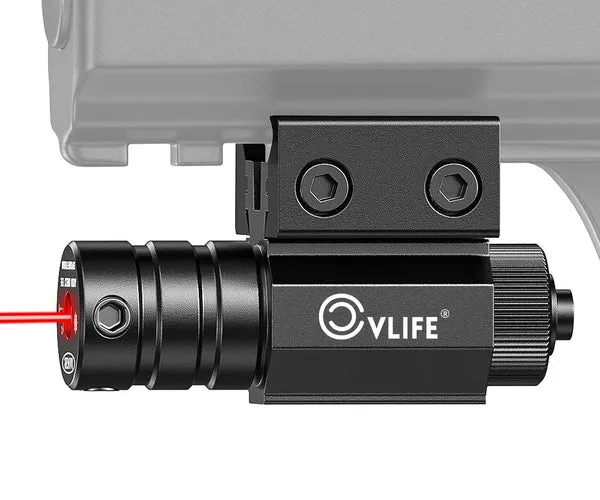
A few recurring issues account for most zero problems on a pistol laser:
- Loose mounting screws that allow micro-movement under recoil
- Worn or contaminated battery contacts that create intermittent power delivery
- Rail adapter mismatch, where the laser body does not seat fully on your specific rail profile
- Internal component wear from extended use
- Thermal expansion when the laser housing heats up during a long range session
Proper installation and routine maintenance resolve most zero issues. A smaller number involve damaged internal optics that need manufacturer service or replacement.
How to diagnose which problem you have
Start by removing the laser and inspecting the mounting surface for burrs, debris or finish damage on both the rail and the laser’s clamp. Clean both surfaces with isopropyl alcohol and a lint-free cloth.
Next, check the battery compartment. Remove the batteries and look at the contacts for corrosion, dirt or the white residue that forms when batteries leak. If you see contamination, clean the contacts with a cotton swab and a little white vinegar, then wipe dry and apply a small amount of dielectric grease.
Reinstall the laser to the torque spec listed in the manufacturer’s manual, using a gunsmithing screwdriver or torque wrench rather than an oversized bit that can strip the screw head. After torquing, mark the screw heads and mounting surface with a paint pen so you can check later whether they have rotated.
Fire a test group, let the gun cool, then fire another. If your zero shifts between sessions, suspect thermal expansion. If it drifts during a single session, suspect loose hardware or a rail fit problem.
Fixes worth trying
Apply threadlocker to mounting hardware
A medium-strength blue threadlocker can help stop screws from backing out under vibration without making removal impossible. Clean the threads, apply a small amount to the screws, and torque to the spec in your manual. Allow the recommended cure time before shooting.
Shim the rail interface
If your laser rocks slightly on the rail even when tightened, the mounting clamp may not match your rail width. A thin shim cut from plastic or an index card, inserted between the clamp and rail, can take up the slack. Retorque after shimming and confirm alignment before heading to the range.
Upgrade your batteries
Cheap batteries can develop higher internal resistance as they discharge, causing voltage sag that affects laser intensity. Quality lithium or alkaline cells tend to perform more consistently. Check your manufacturer’s recommended replacement interval rather than waiting until the laser stops illuminating.
Use a bore sight laser for initial setup
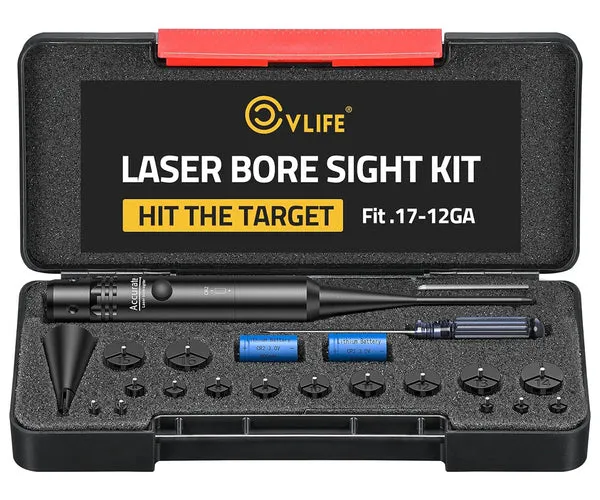
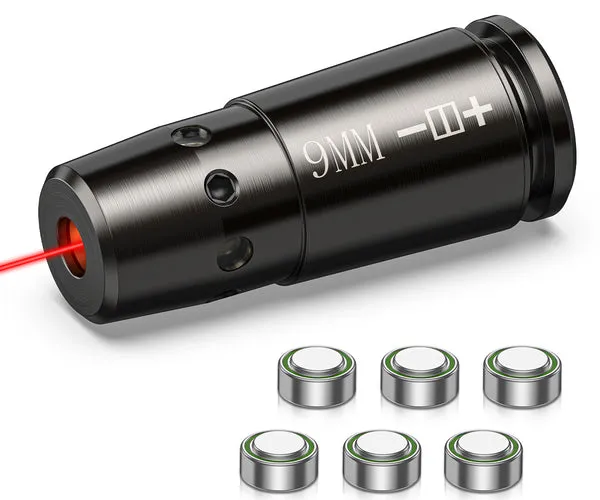
Setting zero with live fire alone uses ammunition and range time you do not need to spend. A bore sight laser or bore sight kit lets you align your pistol laser to the barrel axis at home before firing a shot. For 9mm handguns, a 9mm bore sight drops into the chamber and projects a reference beam you can match with your laser’s windage and elevation adjustments, getting you close before you fine-tune with live fire.
Check for interference from other accessories
If you run a red dot, a weapon light or other rail-mounted gear, verify nothing is pressing against the laser body. A shell catcher or an extended magazine release can sometimes contact the laser housing and torque it under recoil. Remove all accessories, rezero the laser alone, then reattach items one at a time while watching your point of impact.
When to replace vs repair
Internal electronics and laser diodes have a finite lifespan. If the fixes above do not resolve a shifting zero, the unit likely needs manufacturer service or replacement. Established laser sight makers typically offer repair services, though the cost can approach the price of a new unit.
Before buying a replacement, see the current CVLIFE discount code for pricing on pistol laser options.
If you shoot high volume, consider a model with more positive adjustment detents. A more distinct click on windage and elevation screws makes drift from vibration alone less likely. Duty-rated units often use locking adjustment screws that require a tool to move, which is unnecessary for a range gun but useful if the pistol is carried daily.
Maintaining zero over time
Once you have a solid zero, protect it with a few habits:
- Retorque mounting screws on the schedule recommended in your manual, or if the gun has sat idle for a while
- Store with batteries removed to prevent corrosion during long-term storage
- Confirm zero before any defensive shooting class or competition
- Check clearance when holstering to avoid bumping the laser body against the holster mouth
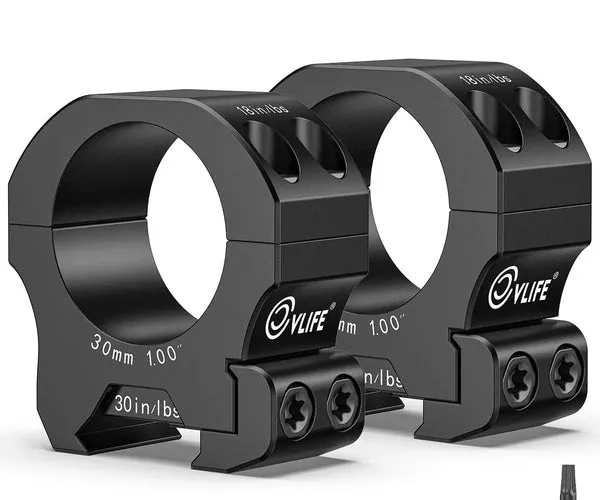
The same principles apply to rifle optics. Proper torque, quality 30mm scope rings and a scope level help prevent zero shift on a LPVO scope or AR15 scope just as effectively as on a pistol.
Final checks before you trust your zero
After making repairs, fire across at least two separate range sessions a few days apart. Temperature and humidity differences between sessions can reveal any remaining instability. Shoot from a few different positions to confirm the laser holds zero regardless of grip.
Keep a simple log of your zero confirmation dates and round counts between checks, so you can spot a developing problem early rather than after it has become a habit.
Check the latest price on CVLIFE’s optics lineup, including bore sight tools that make zero confirmation quicker. With proper installation, quality hardware and consistent maintenance, a pistol laser should hold zero reliably. Take the time to diagnose the actual cause rather than guessing, and you will build confidence in your setup.
Questions
How often should I check my pistol laser's zero?
Check it on a regular schedule, such as after a set number of rounds or before any defensive training or competition. Normal wear and environmental factors can cause drift over time, so a routine check avoids surprises.
Can I use regular threadlocker on laser mounting screws?
Use a medium-strength blue threadlocker rather than a permanent red one. Red threadlocker creates a bond that requires heat to remove and can damage polymer frames or aluminum laser housings.
Why does my laser's zero shift after the gun heats up?
Thermal expansion can cause metal and polymer parts to grow at slightly different rates, which can torque the laser housing. This often points to mounting hardware needing more torque or the rail interface needing a shim to remove play.
Will a bore sight laser work for pistols or just rifles?
Bore sight lasers work for pistols as well as rifles. A model sized for your caliber drops into the chamber and projects a reference beam for initial alignment, which saves ammunition during zero confirmation.
How tight should pistol laser mounting screws be?
Follow the torque specification in your manufacturer's manual and use a torque wrench or gunsmithing screwdriver rather than guessing. Overtightening can strip threads or crack a polymer mounting clamp.
Can I fix a pistol laser that won't hold zero myself?
Most zero issues come from loose hardware, dirty contacts or a poor rail fit, all of which you can address at home with basic tools. Internal optical damage is the exception and typically needs professional repair or replacement.
Products in this guide
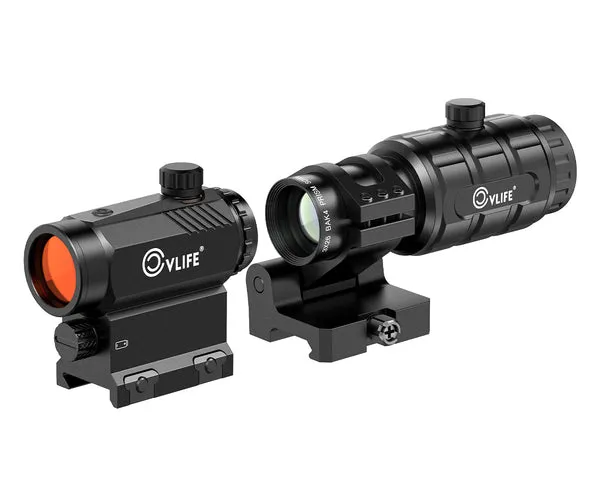
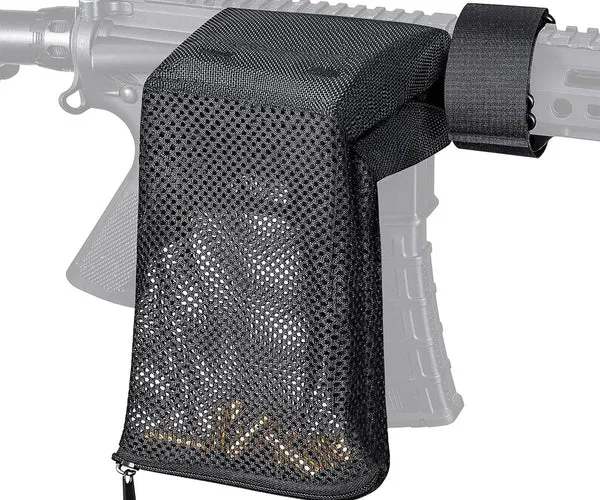
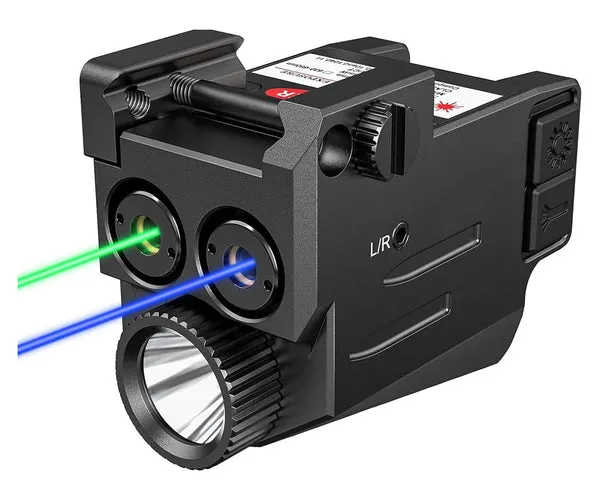 Shopping at CVLIFE? See the discount code
10 % OFF Sitewide
Shopping at CVLIFE? See the discount code
10 % OFF Sitewide
More in this series
Complete Guide to Choosing the Right Bore Sight Kit for Your Caliber18 Aug 20266 minCVLIFE 30mm Scope Rings: Installation and Torque Settings18 Aug 20265 minDo Brass Catchers Really Work?18 Aug 20265 minLPVO vs Red Dot Sight: Which Optic Is Right for Your AR15?18 Aug 20265 min How to Zero Your AR15 Scope Using a Bore Sight Laser18 Aug 20265 min