 A CVLIFE guide
LPVO vs Red Dot Sight: Which Optic Is Right for Your AR15?
The choice between an ar15 red dot and LPVO scope comes down to your shooting distance, speed needs, and whether you value target acquisition over magnified precision.
The choice between an ar15 red dot and LPVO scope comes down to your shooting distance, speed needs, and whether you value target acquisition over magnified precision. Red dot sights excel at close-quarters speed and both-eyes-open shooting, while LPVO scopes offer magnified versatility from zero to several hundred yards.
What Makes a Red Dot Sight Best for AR15 Speed Work
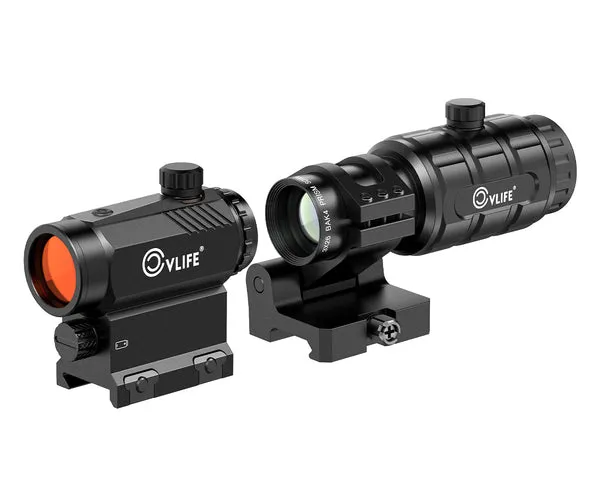
A red dot delivers the fastest target acquisition of any AR15 optic. You keep both eyes open, overlay the illuminated dot on your target, and press the trigger without worrying about eye relief or head position. This simplicity makes red dots the go-to choice for home defense, competition shooting under 100 yards, and any scenario where split-second response matters.
Modern red dot sights run for years on a single battery, survive hard use, and add minimal weight to your rifle. Most shooters mount them on a lower-third or absolute co-witness height so they can still use their backup iron sights. The unlimited eye relief means you can shoulder your rifle from any position and see the dot instantly.
Red dots trade magnification for speed. You will not resolve fine detail past 200 yards, and positive target identification becomes harder as distance grows. If your shooting stays inside 150 yards and you prioritize rapid engagement, a quality red dot is hard to beat.
When an LPVO Scope Outperforms Red Dots
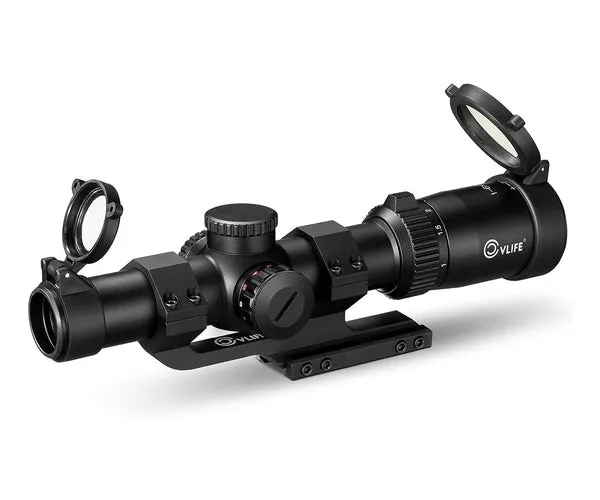
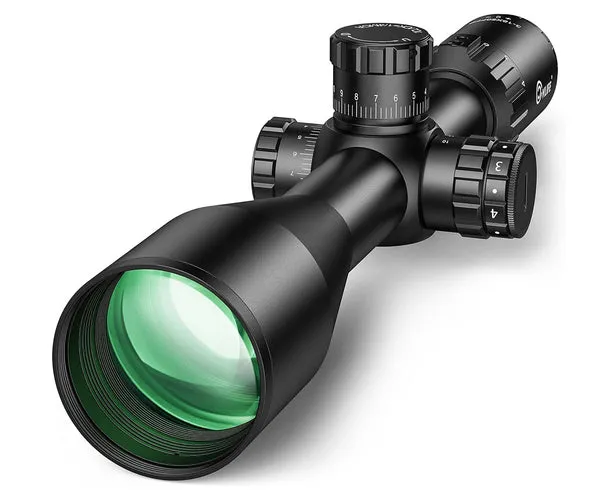
An LPVO scope (Low Power Variable Optic) gives you magnification when you need it and close-range speed when you dial down to 1x. This versatility makes LPVOs popular for three-gun competition, hunting, and precision work where targets appear anywhere from 25 to 500 yards. You get one optic that handles multiple roles instead of swapping between a red dot and magnified scope.
At 1x magnification, a quality LPVO approximates red dot speed if you use an illuminated reticle. Crank the power ring to 6x or 8x, and you can identify threats, judge wind, and place precise shots at distances where a red dot shows only a blurry silhouette. The best LPVO platforms feature true 1x (no fisheye distortion), daylight-bright illumination, and forgiving eye boxes.
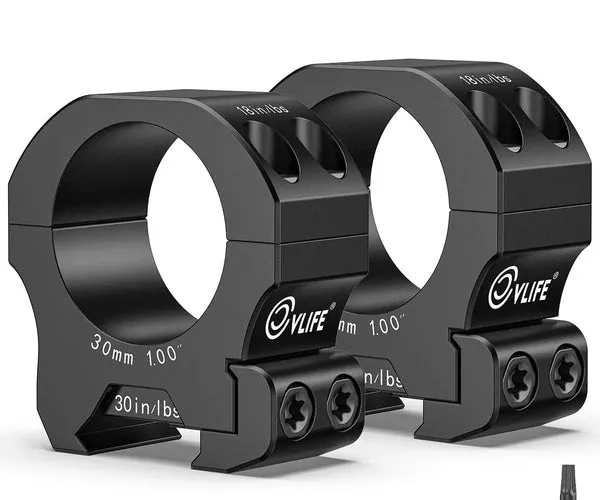
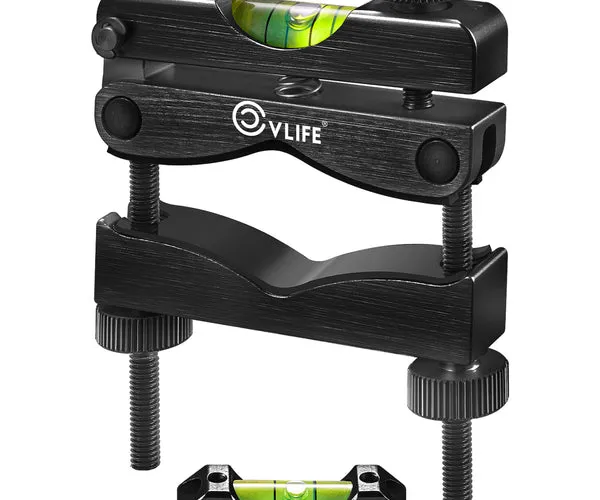
The tradeoffs are real: LPVOs weigh more, cost more, and require proper 30mm scope rings plus often a scope level for precision work. You also need to remember your magnification setting under stress. If you shoot mostly past 200 yards or need one optic for varied terrain, an ar15 scope with variable power makes sense.
Weight, Mounting, and Balance Differences
Red dots typically weigh 4 to 8 ounces and sit low on your rail, keeping the rifle balanced and handy. You can mount a red dot in seconds with no tools, and most use a single Picatinny clamp or quick-detach lever. This simplicity means less to break and faster setup.
LPVOs weigh 16 to 24 ounces and sit higher in scope rings, shifting your rifle’s center of gravity forward. You will need a quality set of rings torqued to spec, and many shooters add a scope level to ensure the reticle stays true at distance. The extra weight matters less on a bench but becomes noticeable during long range sessions or patrol carry.
Comparison of mounting needs:
| Feature | Red Dot | LPVO Scope |
|---|---|---|
| Weight | 4 to 8 oz | 16 to 24 oz |
| Mount complexity | Single clamp | Rings + torque wrench |
| Height over bore | 1.5 to 1.9 in | 1.9 to 2.3 in |
| Setup time | Under 1 minute | 5 to 10 minutes |
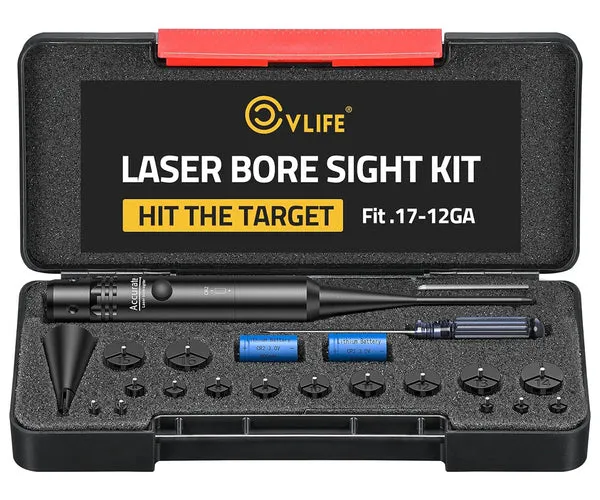
Both optic types benefit from proper zeroing with a bore sight laser or bore sight kit before live fire. This saves ammunition and gets you on paper faster, especially with magnified optics where finding the target at 100 yards can be frustrating without a coarse zero.
Cost and Accessory Ecosystem
Budget red dots start around the cost of a tank of gas and climb to the price of a used optic from a premium brand. You can build a reliable AR15 with a quality red dot for less than the cost of a mid-tier LPVO alone. Check the latest price to see current options across both categories.
LPVOs demand a bigger upfront investment, then add rings, a throw lever for the magnification ring, scope caps, and possibly an anti-cant device. You also may want flip-up lens covers to protect the glass. The total system cost often doubles the optic’s price tag.
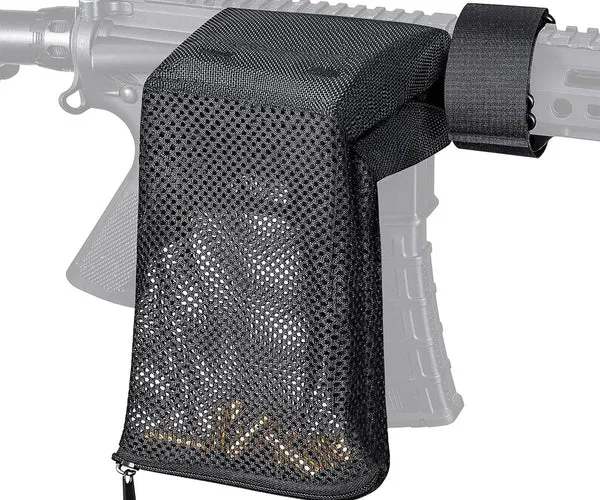
Red dot setups can grow too. Many shooters add a flip-to-side magnifier behind their red dot, giving them 3x to 6x magnification on demand while keeping close-range speed. This combo splits the difference between a pure red dot and LPVO, though you do carry the weight of both units. Other popular accessories include lens covers, riser mounts for heads-up shooting with night vision, and a shell catcher to keep your brass contained during range sessions.
Choosing the Right Optic for Your Shooting Style
Your decision hinges on realistic engagement distance and shooting context. If you train for home defense, run-and-gun competition, or dynamic shooting inside 100 yards, a red dot delivers unmatched speed. The lightweight package keeps your rifle nimble, and you will never lose a target in a narrow field of view. Grab the code for 10% off quality red dot options that won’t break under recoil.
Pick an LPVO if you hunt, compete across varied distances, or shoot tactical matches where targets appear from 50 to 400 yards. The magnification lets you verify your target and place shots with confidence at ranges where a red dot becomes a guessing game. You pay for that versatility in weight and dollars, but one optic replaces multiple specialized sights.
Some shooters run both: a red dot on a short-barrel home-defense rifle and an LPVO on a longer precision build. This approach matches the optic to the mission without compromise. Before you buy, consider renting or borrowing both types to see which reticle picture and handling feel right behind your trigger. Real-world experience beats spec sheets every time.
Practical Installation and Zeroing Tips
Mount your red dot at a height that lets you achieve a natural cheek weld without craning your neck. Lower-third co-witness is the most popular choice, placing the dot just above your iron sights for a clear sight picture with minimal head lift. Torque the mount according to the manufacturer’s spec to prevent shifts under recoil.
For LPVOs, use a two-piece ring set sized for your scope’s tube diameter (most are 30mm). Lap the rings if necessary to ensure even contact, then torque in a cross pattern to avoid stressing the tube. A bore sight laser speeds up the initial zero by aligning your reticle with the bore axis before firing a shot. This tool works with both red dots and magnified optics, saving you time and ammunition at the range.
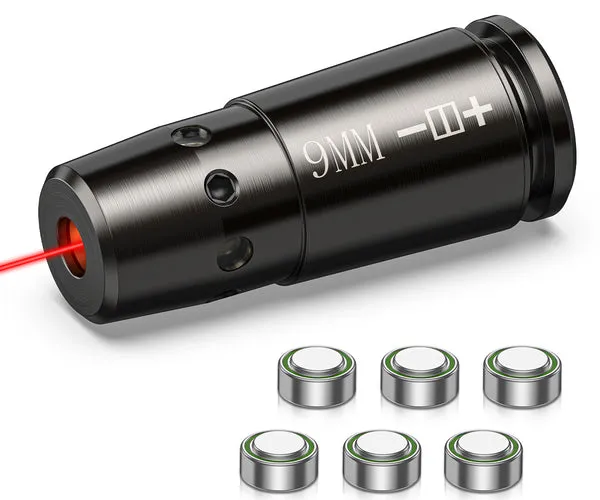
After mounting, confirm your zero at your preferred distance (50 or 100 yards for most AR15 setups). Red dots hold zero reliably once tightened, and quality LPVOs track consistently across the magnification range. Check your zero after hard use or if you remove and remount the optic. A 9mm bore sight helps if you run multiple uppers or switch calibers frequently.
Questions
Can I use the same mount for a red dot and an LPVO scope?
No, red dots typically use single-piece Picatinny clamps while LPVOs require two-piece scope rings sized to the tube diameter. The mounting systems are not interchangeable.
Do I need a magnifier with my ar15 red dot?
A magnifier is optional and depends on your shooting distances. If you regularly engage targets past 100 yards, a flip-to-side magnifier adds 3x to 6x magnification while keeping close-range speed. For strictly close-quarters work, skip the magnifier and save weight.
How much eye relief does an LPVO scope need?
Most LPVOs require 3 to 4 inches of eye relief, meaning your eye should sit that distance behind the ocular lens. Proper scope ring height and stock length of pull ensure you achieve this naturally without straining your neck.
Will an LPVO work for home defense?
Yes, if you keep it dialed to 1x with the illumination on. However, an LPVO is heavier and bulkier than a red dot, which can be a disadvantage in tight spaces. Most home-defense builds favor lightweight red dots for speed and maneuverability.
How long do red dot batteries last compared to LPVO illumination?
Quality red dots often run for 50,000 hours or more on a single battery, sometimes years of continuous use. LPVO illumination drains faster, typically lasting hundreds to a few thousand hours depending on brightness setting. Always keep spare batteries for either optic type.
Can I zero an LPVO scope without a bore sight laser?
Yes, but a bore sight laser or bore sight kit saves time and ammunition by giving you a coarse zero before live fire. Without one, you may need to start at very close range to get on paper, then walk your impacts to the target at distance.
Products in this guide
 Shopping at CVLIFE? See the discount code
10 % OFF Sitewide
Shopping at CVLIFE? See the discount code
10 % OFF Sitewide
More in this series
Complete Guide to Choosing the Right Bore Sight Kit for Your Caliber18 Aug 20266 min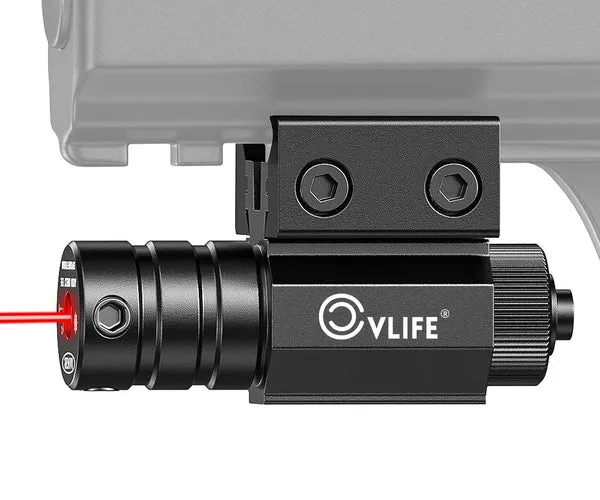 Why Won’t My Pistol Laser Hold Zero?18 Aug 20264 minCVLIFE 30mm Scope Rings: Installation and Torque Settings18 Aug 20265 minDo Brass Catchers Really Work?18 Aug 20265 minHow to Zero Your AR15 Scope Using a Bore Sight Laser18 Aug 20265 min