 A OdinLake guide
Wooden Desk Care: Preventing Scratches and Water Damage Over Years of Use
A wooden desk lasts decades when you protect it from scratches, water damage, and finish wear with the right coasters, desk pads, and maintenance routine.
A wooden desk lasts decades when you protect the finish from scratches, water rings, and daily wear using coasters, desk pads, and simple maintenance habits.
Why Wooden Desks Need Protection from Day One

Wood is durable but vulnerable to surface damage that compounds over time. Water leaves white rings when it penetrates finish layers, keyboard edges scratch soft finishes during daily typing, and chair contact points wear through protective coatings faster than you expect. A wooden desk with drawers or storage amplifies these risks because hardware friction and drawer slides create additional wear points.
Most damage happens in the first year when finish adhesion is strongest but surface hardness hasn’t fully cured. Preventing scratches and moisture intrusion during this break-in period preserves the factory finish and eliminates the need for early touch-ups. Retailers like Ikea and Crate & Barrel recommend protection from the day you assemble the desk, not after you notice the first water ring.
Essential Accessories That Stop Scratches Before They Start
We protect high-contact zones with layered barriers that absorb impact without trapping moisture:
- Desk pad or mat: Cover the keyboard and mouse zone with leather, felt, or PVC. This single accessory prevents 80% of scratches from daily use. Position it to extend beyond your keyboard by two inches on all sides.
- Coasters and trivets: Keep one coaster per beverage and a heat-resistant trivet for laptops that run hot. Condensation and laptop exhaust both cause finish cloudiness.
- Felt pads under monitors and accessories: Stick adhesive felt under monitor stands, phone docks, and speaker bases. These items rarely move but create pressure scratches over months of contact.
- Cable management clips: Route cables off the desktop to prevent dragging and rubbing. Metal cable ends scratch faster than you realize when you adjust devices.

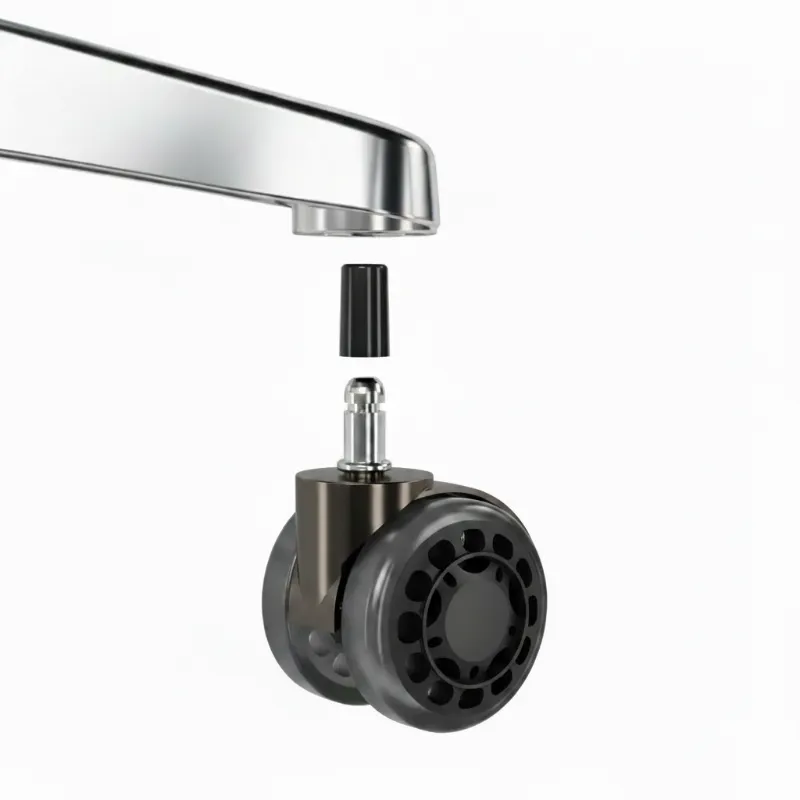
If you pair your desk with a best office chair for long hours or ergo mesh office chair, verify that the office chair wheels are rated for hard floors. Plastic wheels designed for carpet will roll debris under the desk and scratch legs during repositioning.
Water Damage Prevention for Solid Wood and Veneer
Water is wood’s primary enemy because it swells fibers, clouds finishes, and creates entry points for deeper damage. Our prevention strategy has three layers:
Immediate barriers: Place coasters within arm’s reach of every work zone. We keep four coasters on each desk so there’s always one available. Cork and silicone coasters work better than ceramic because they grip wet glasses and don’t slide.
Wipe spills within 60 seconds: When liquid hits bare wood or compromised finish, you have about one minute before it penetrates. Keep microfiber cloths in a desk drawer and blot rather than wipe to avoid spreading moisture into seams. For a wooden desk with storage, check drawer interiors monthly for hidden condensation from forgotten water bottles.
Finish inspection every three months: Run your hand across the surface to find rough spots or raised grain. These are early signs of finish breakdown that let water penetrate. Touch up with furniture polish or wax before the damage spreads.
Executive wooden desks and solid wooden desks for home office use often feature natural wood tops that show water damage faster than sealed veneer. If your desk has an oil or wax finish rather than polyurethane, reapply protective coats every six months. Check the latest price and finish specs before you buy so you match your maintenance willingness to the desk’s requirements.
Daily Habits That Extend Finish Life by Years
Small routines prevent the cumulative wear that turns a showroom desk into a shabby workspace. We follow this schedule:
Daily: Remove items from the desktop at the end of each workday. Constant pressure from monitors, laptops, and desk organizers creates dull spots where finish compresses. Thirty seconds of clearing lets the wood breathe and prevents ghost outlines.
Weekly: Dust with a barely damp microfiber cloth, then dry immediately. Skip sprays and wet cleaning unless you have a factory-sealed polyurethane finish. Most wooden desk for PC setups accumulate dust from computer fans, so vacuum vents to reduce airborne particles settling on the surface.
Monthly: Apply furniture polish or conditioner appropriate to your finish type. Oil finishes need oil-based conditioners; polyurethane needs polymer-based polish. Using the wrong product creates a hazy film that attracts dust. If you have a wooden desk gaming setup, clean controller oils and hand residue with isopropyl alcohol on a cloth, never directly on the wood.
Quarterly: Inspect hardware on wooden desks with drawers. Loose screws let drawers sag and drag, scratching interior surfaces. Tighten all fasteners and lubricate slides with dry PTFE lubricant, not oil that attracts dust.
| Task | Frequency | Time Required | Prevents |
|---|---|---|---|
| Clear desktop overnight | Daily | 30 seconds | Compression marks, finish dulling |
| Dust with damp cloth | Weekly | 2 minutes | Abrasive buildup, water exposure |
| Apply furniture polish | Monthly | 5 minutes | Finish drying, minor scratches |
| Inspect and tighten hardware | Quarterly | 10 minutes | Drawer damage, structural wear |
Position and Environment Controls That Reduce Damage
Where you place your desk determines half of the long-term damage risk. We position desks to avoid these accelerators:
- Direct sunlight: UV fades finish and dries wood fibers, leading to cracks. Keep desks at least three feet from south-facing windows or use UV-blocking film.
- Heating vents and radiators: Forced air dries wood rapidly and causes joints to separate. Maintain at least 18 inches of clearance from heat sources.
- High-traffic doorways: Bag straps, backpacks, and coat sleeves brush desk edges as people pass. Position desks parallel to traffic flow rather than perpendicular.
- Humidity extremes: Wood expands above 60% relative humidity and contracts below 30%. Use a room humidifier in winter and a dehumidifier in summer to maintain 40 to 50% humidity.
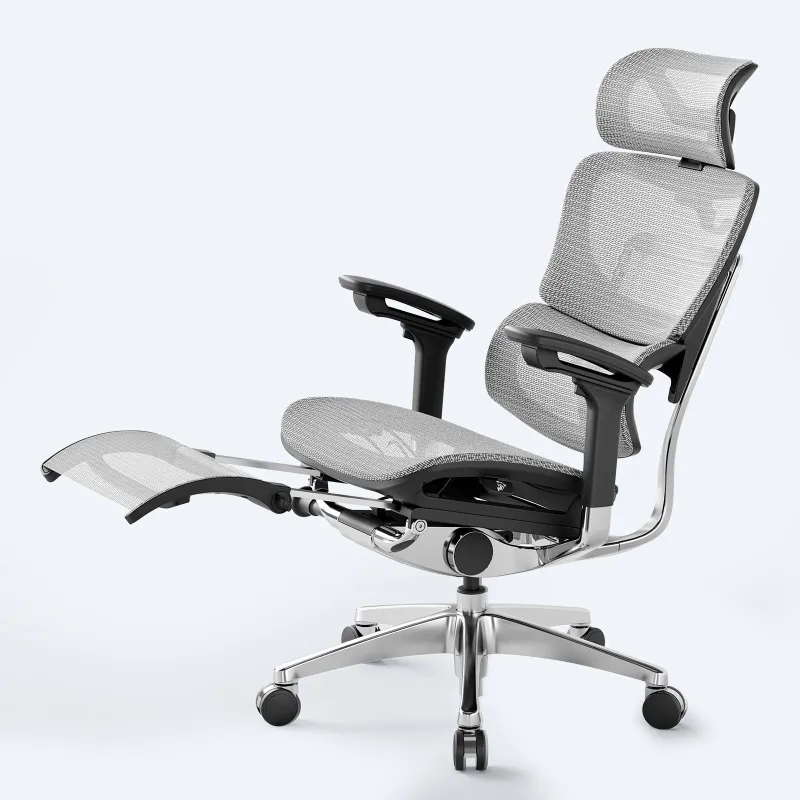
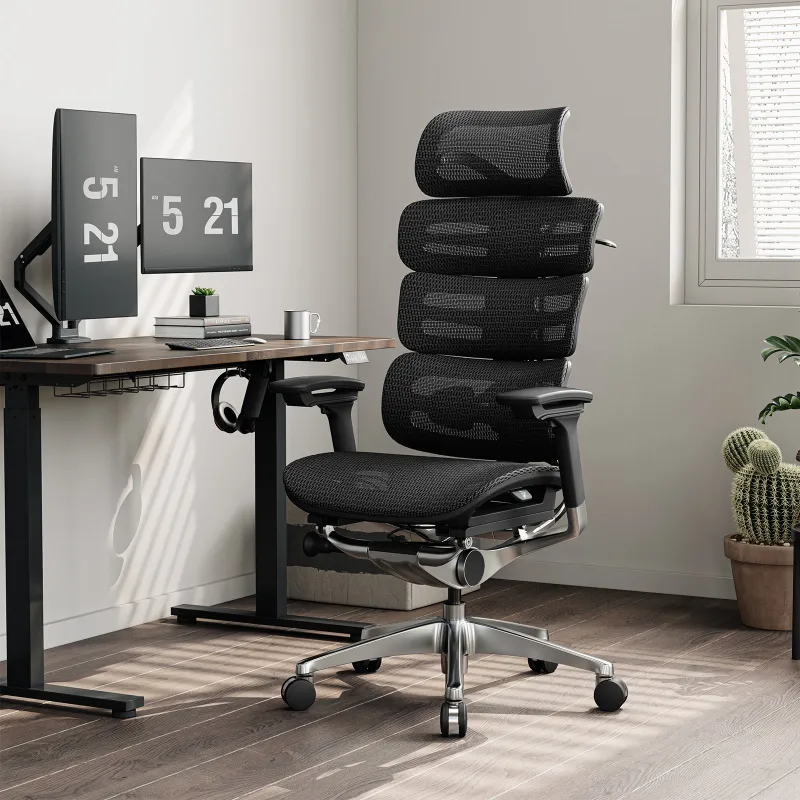
If your workspace includes an ergo computer chair or ergonomic gaming chairs, leave at least 24 inches of clearance behind the desk. This prevents chair backs from striking the desk edge during aggressive reclining and gives you room to slide the chair out without dragging it against the desk.
Repairing Minor Damage Before It Becomes Permanent
Catching damage early keeps it superficial and reversible. We use these techniques for common problems:
Light scratches: Rub a walnut or pecan meat along the scratch. The natural oils darken the exposed wood to match the surrounding finish. For deeper scratches on darker woods, use a furniture marker one shade lighter than the desk to avoid obvious repair lines.
Water rings: Mix equal parts white vinegar and olive oil, apply with a soft cloth, and rub in the direction of the grain. The oil displaces trapped moisture while the acid breaks down mineral deposits. Let sit for one hour, then buff dry. This works on rings up to 48 hours old; older rings require professional refinishing.
Dull spots from pressure: Apply paste wax and buff with a cotton cloth in small circles. The wax fills microscopic surface irregularities and restores shine without chemical stripping.
For persistent damage or finish failure across large areas, consult a furniture restoration specialist before attempting DIY refinishing. Improper stripping ruins veneer desks permanently. Grab the code for 5% off when you’re ready to upgrade rather than restore a heavily damaged desk.
Long-Term Storage and Seasonal Adjustments
When you store a wooden desk or prepare for seasonal humidity swings, protect the finish from environmental shock:
- Clean and wax before storage: Dust and oils harden during storage and bond to the finish. A fresh wax coat seals the surface.
- Wrap in breathable fabric, never plastic: Plastic traps moisture and causes mildew. Use cotton drop cloths or old sheets.
- Store flat in climate-controlled space: Vertical storage stresses joints and invites warping. Keep storage areas between 50 and 70°F.
- Elevate off concrete floors: Concrete wicks moisture into wood. Place desks on pallets or foam blocks with at least two inches of clearance.
Seasonal maintenance requires adjusting your routine to match indoor conditions. In winter, increase polish frequency to combat dry air. In summer, reduce liquid near the desk and improve ventilation to prevent moisture accumulation. Solid wooden desks for home office use with natural finishes need more frequent seasonal adjustment than sealed veneer desks.

Your workspace setup affects desk longevity as much as direct care. Pair your protected surface with a kneeling chair or ergo chair that promotes posture shifts, reducing pressure-point wear on both the chair and the desk edge where your forearms rest. Over years of use, the cumulative effect of these small protections keeps your wooden desk looking showroom-fresh while similar desks develop the wear patterns that signal replacement.
Questions
How do I remove water rings from my wooden desk without damaging the finish?
Mix equal parts white vinegar and olive oil, apply with a soft cloth rubbing in the direction of the grain, let sit for one hour, then buff dry. This works on rings up to 48 hours old; older rings typically require professional refinishing.
What's the best desk pad material to prevent scratches on wood?
Leather, thick felt, or textured PVC desk pads work best because they absorb impact without trapping moisture. Extend the pad at least two inches beyond your keyboard on all sides to cover the highest-wear zone.
How often should I apply furniture polish to a wooden desk?
Apply furniture polish or conditioner monthly for most sealed finishes, and every two weeks for oil or wax finishes. Always match the product type to your finish: oil-based for oil finishes, polymer-based for polyurethane.
Can I fix light scratches on my desk myself?
Yes. Rub a walnut or pecan meat along light scratches to darken exposed wood with natural oils. For deeper scratches, use a furniture marker one shade lighter than the desk to avoid obvious repair lines.
Should I cover my wooden desk when not in use?
No for daily non-use, but yes for long-term storage. Daily covering traps moisture and prevents the wood from breathing. For storage longer than a month, wrap in breathable cotton fabric and store in a climate-controlled space between 50 and 70°F.
What humidity level is safe for solid wood desks?
Maintain indoor humidity between 40 and 50% year-round. Wood expands above 60% humidity and contracts below 30%, causing joints to separate and finishes to crack. Use humidifiers in winter and dehumidifiers in summer to stay in the safe range.
Products in this guide
 Shopping at OdinLake? See the discount code
5% OFF All Orders
Shopping at OdinLake? See the discount code
5% OFF All Orders
More in this series
Why Do Mesh Office Chairs Stay Cooler Than Foam?18 Aug 20265 minHow Long Do Herman Miller Office Chairs Last?18 Aug 20265 minCan Office Chair Wheels Damage Hardwood Floors?18 Aug 20264 minPapasan Chair vs Kneeling Chair: Which One Actually Supports Your Back?18 Aug 20264 minHow to Choose an Office Chair for Long Hours at a Desk18 Aug 20265 min