 A OdinLake guide
Can Office Chair Wheels Damage Hardwood Floors?
Office chair wheels can damage hardwood floors if they're the wrong type, but switching to soft polyurethane casters protects your floors from scratches and dents.
Office chair wheels can damage hardwood floors when hard plastic or nylon casters grind trapped dirt and debris into the finish, leading to scratches, scuffs and eventually small indentations over time.
Why standard office chair wheels scratch hardwood
Most chairs ship with hard plastic or nylon casters designed for low-pile carpet, where grip matters more than smoothness. On a hard surface like finished oak, that same grip works against the floor, catching and scraping rather than rolling cleanly.
The damage generally comes from three causes:
- Grit accumulation: hard wheels trap dust, sand and other debris in the tread, so each roll works a little like a pass of sandpaper across the floor
- Point pressure: a small contact patch concentrates the chair’s weight into a narrow line, which can dent a softer wood like pine or fir
- Static friction: hard plastic tends to stick and slip rather than roll smoothly, which digs into a finish instead of gliding over it
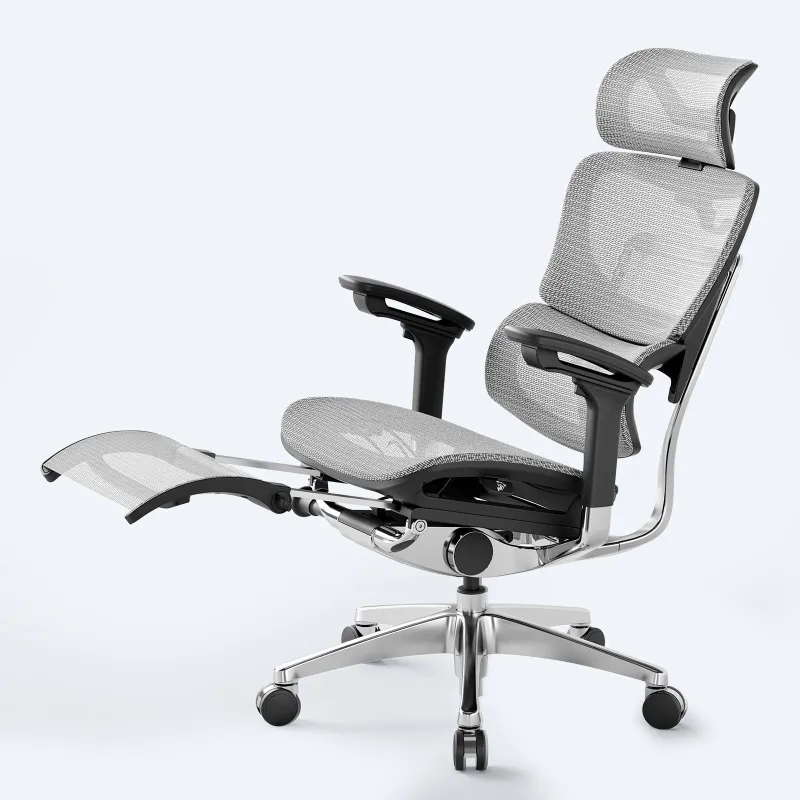
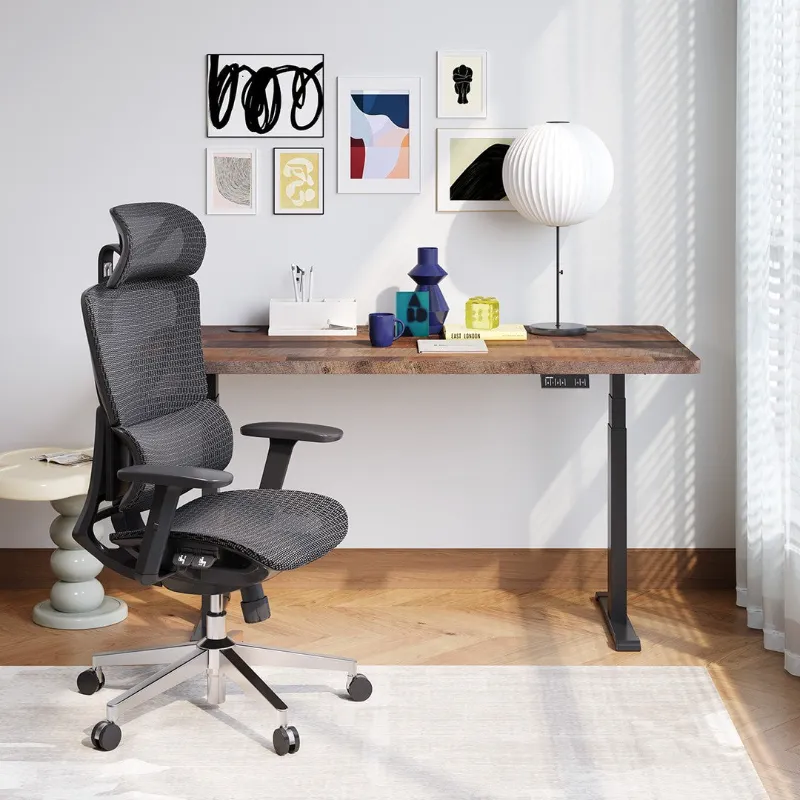
Even a lighter ergo mesh office chair can leave visible tracks on hardwood with standard wheels. A chair mat with a textured underside can make this worse, since it collects more abrasive particles against the floor.
How wheel material affects floor protection
Wheel material makes the biggest difference in how much protection a floor gets. Soft polyurethane wheels, often sold as rollerblade or inline-skate style casters, generally offer the best protection because their wider, cushioned contact patch spreads weight more evenly and does not trap grit the way hard plastic does.
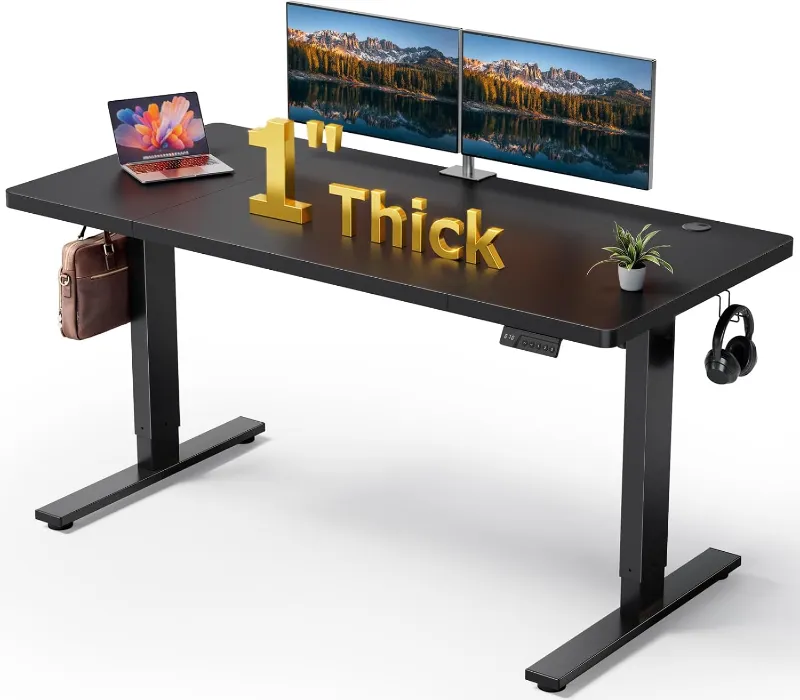
A rubber hybrid wheel tends to sit in the middle: better than stock hard plastic, but still capable of leaving faint marks on a softer finish over time. If you are protecting an investment floor, or working from a wooden desk in a home office, polyurethane is generally the safer choice.
Choosing the right office chair wheels replacement
When shopping for replacement casters, match the wheel material to your floor type and confirm the stem size fits your chair base. Most office chairs use a 7/16-inch or 11mm grip-ring stem, though some older models use a threaded post instead.
For hardwood, laminate, tile and vinyl floors:
- Soft polyurethane wheels, generally a durometer of 75A to 85A, offer the best scratch protection
- A 2 to 3 inch diameter tends to roll smoothly and spread weight well
- Twin-wheel designs spread load better than a single-wheel caster
- Ball-bearing hubs reduce friction and roll more quietly
For carpet and mixed surfaces:
- Hard nylon or plastic wheels grip low-pile carpet without bogging down
- Office chair wheels made for carpet typically have a narrower profile to cut through the pile
- Dual-locking wheels help prevent rolling on an uneven surface
Some manufacturers also offer office chair wheels with a lock feature, letting you switch between free-roll and stationary as needed. Check the current OdinLake discount code for pricing on replacement sets.
How to install and maintain protective wheels
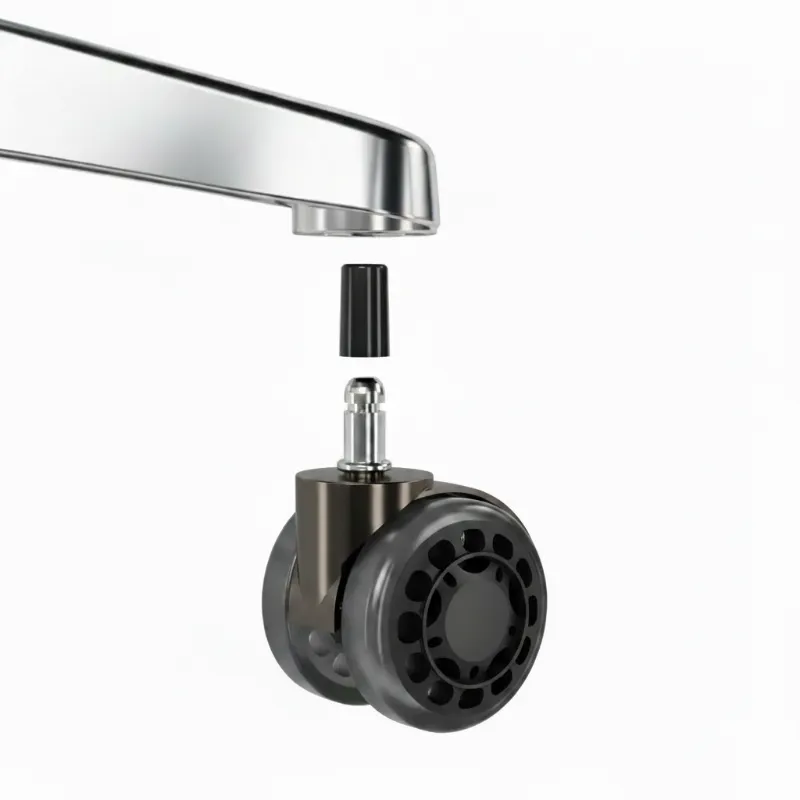
Swapping casters is usually a quick job and needs no tools for grip-ring stems. Flip your ergo chair upside down, pull the old wheels straight out of the base sockets, and press the new stems in until they click into place. For threaded stems, unscrew counterclockwise and hand-tighten the replacement.
Maintenance steps that help prevent floor damage:
- Clean the wheels periodically, removing hair, dust and grit from the surface and axle with a damp cloth or small brush
- Check for flat spots, since a wheel that sits in one position for a long stretch can develop a flat area that rolls unevenly
- Move your chair occasionally to avoid wearing a divot into the same spot on the floor
- Use entry mats to trap sand and dirt at doorways before it reaches your workspace
A thin felt pad or adhesive protector under any fixed chair feet, in addition to the wheels, is also worth adding to prevent scratches when you tilt back or shift weight.
Alternative floor protection options
If replacing the wheels is not practical right now, a chair mat gives immediate scratch protection. A clear polycarbonate mat rated for hard floors, not the spiked carpet version, works under any chair type and covers a larger area.
Other options worth considering:
- Area rugs: a natural fiber or low-pile synthetic rug cushions the rolling motion and catches debris before it reaches bare wood
- Furniture sliders: adhesive felt pads on the wheel treads offer temporary protection, though they wear out fairly quickly under regular use
- Floor finish upgrades: a fresh polyurethane top coat or hardwood sealer adds a sacrificial layer that resists scratching a little longer
Pairing office chair wheels built for hard surfaces with routine floor cleaning works well together. Sweeping or vacuuming regularly removes abrasive particles, and wiping up spills quickly keeps a finish from softening and becoming more vulnerable.
Who should upgrade their chair wheels
Switching to soft wheels tends to help most if you work long hours on hardwood, have recently refinished your floors, or rent a space where floor damage could affect a deposit. Engineered hardwood and luxury vinyl plank generally scratch more easily than solid oak or maple, so those floors benefit the most.
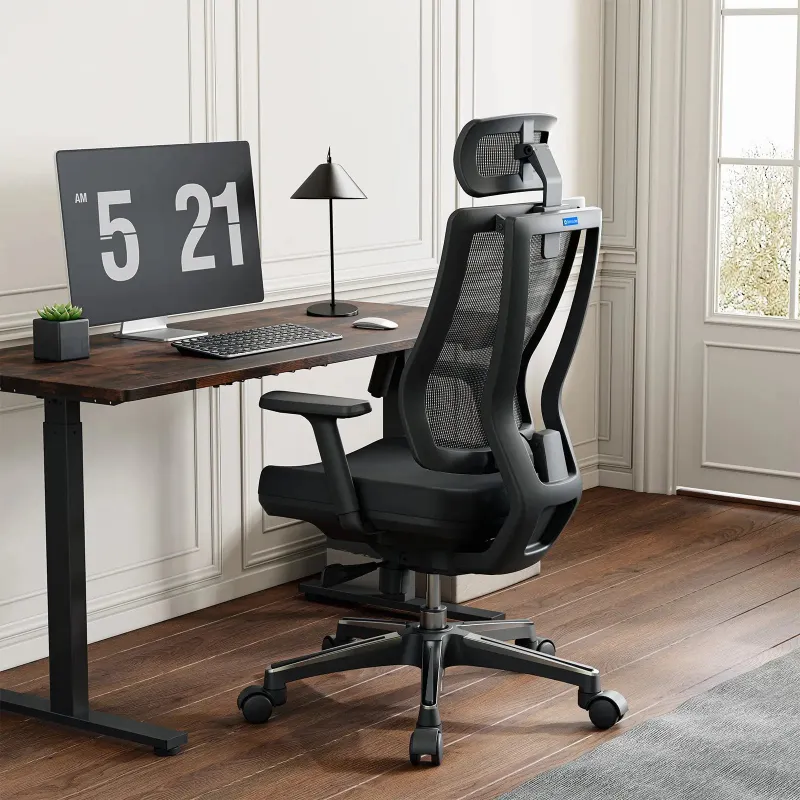
Upgrading is worth prioritizing for anyone using a heavy best office chair for long hours or ergonomic gaming chairs that tends to stay in one spot most of the day, since the combination of weight and static pressure creates the deepest marks.
Even without visible damage yet, replacing worn wheels ahead of time generally costs far less than refinishing an entire floor. Check the current price on replacement casters and factor the swap into your workspace setup. Soft polyurethane wheels also tend to roll more quietly and smoothly, which is a reasonable bonus on top of the floor protection.
Questions
What type of office chair wheels are best for hardwood floors?
Soft polyurethane wheels, sometimes called rollerblade-style casters, are generally best for hardwood because they spread weight evenly, do not trap abrasive debris and roll smoothly without scratching. A durometer rating around 75A to 85A is a reasonable target.
Can I use a chair mat instead of replacing my wheels?
Yes, a polycarbonate chair mat rated for hard floors gives immediate scratch protection without replacing the wheels. Choose a smooth-backed mat, not the spiked carpet version, so it does not trap dirt underneath that could scratch the floor.
How do I know if my chair wheels are damaging my floor?
Look for visible scratch lines, scuff marks or small indentations where your chair rolls most often. Running a hand across the area can reveal a rough texture, and dull streaks under angled light are another sign of wheel damage.
Do office chair wheels with locks prevent floor damage?
Locking wheels stop rolling but do not prevent damage on their own if the wheel material is still hard plastic. For scratch protection, the wheel material needs to be soft, regardless of whether it locks.
How often should I clean my chair wheels?
Cleaning the wheels weekly, removing hair, dust and debris with a damp cloth, helps prevent the grit buildup that acts like sandpaper against the floor and keeps the wheels rolling smoothly.
Will heavy duty office chair wheels work on hardwood?
Heavy duty wheels support more weight, but they can still damage hardwood if made from hard plastic or nylon. Look for heavy duty wheels made specifically from polyurethane to get both the weight capacity and the floor protection.
Products in this guide
 Shopping at OdinLake? See the discount code
5% OFF All Orders
Shopping at OdinLake? See the discount code
5% OFF All Orders
More in this series
Wooden Desk Care: Preventing Scratches and Water Damage Over Years of Use18 Aug 20266 minWhy Do Mesh Office Chairs Stay Cooler Than Foam?18 Aug 20265 minHow Long Do Herman Miller Office Chairs Last?18 Aug 20265 minPapasan Chair vs Kneeling Chair: Which One Actually Supports Your Back?18 Aug 20264 minHow to Choose an Office Chair for Long Hours at a Desk18 Aug 20265 min