 A OdinLake guide
Papasan Chair vs Kneeling Chair: Which One Actually Supports Your Back?
A papasan chair offers cradled lounging comfort, while a kneeling chair forces upright posture—but neither delivers the active lumbar support most backs need for desk work.
Which Chair Really Supports Your Back?
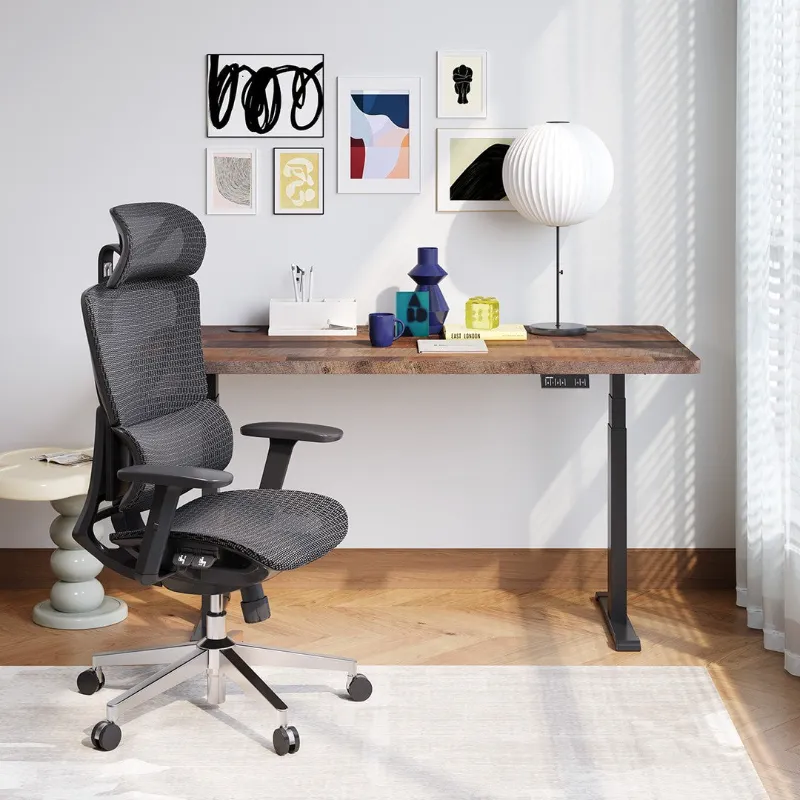
A papasan chair cradles you in a bowl-shaped cushion designed for relaxation, not desk work, while a kneeling chair tilts your pelvis forward to straighten your spine but offers zero backrest. Neither is built for the active lumbar support and adjustability that long work sessions demand, yet both have loyal fans.
How a Papasan Chair Affects Your Spine
The classic papasan chair is a rounded rattan or metal frame holding a single thick cushion that curves around your body. Because the papasan chair cushion sits in a deep bowl, your hips sink below your knees and your spine rounds into a C-curve. That reclined position feels cozy for reading or watching TV, but it collapses lumbar lordosis (the natural inward curve of your lower back) and pushes your head forward.
The papasan chair frame angle, usually 45 to 60 degrees, makes typing or mouse work awkward. Your arms hang without armrest support, and leaning forward to reach a keyboard flattens the cushion unevenly. A double papasan chair offers more surface area but the same bowl geometry, so the posture trade-offs remain.
What papasan chairs do well:
- Deep, enveloping comfort for short lounging sessions
- Aesthetic appeal in living rooms and cozy corners
- Affordable papasan chair cushion replacements when the original flattens
Where they fall short for desk work:
- No lumbar support or adjustable backrest
- Rounded posture strains neck and shoulders during screen time
- Cushion depth makes it hard to sit upright without sliding
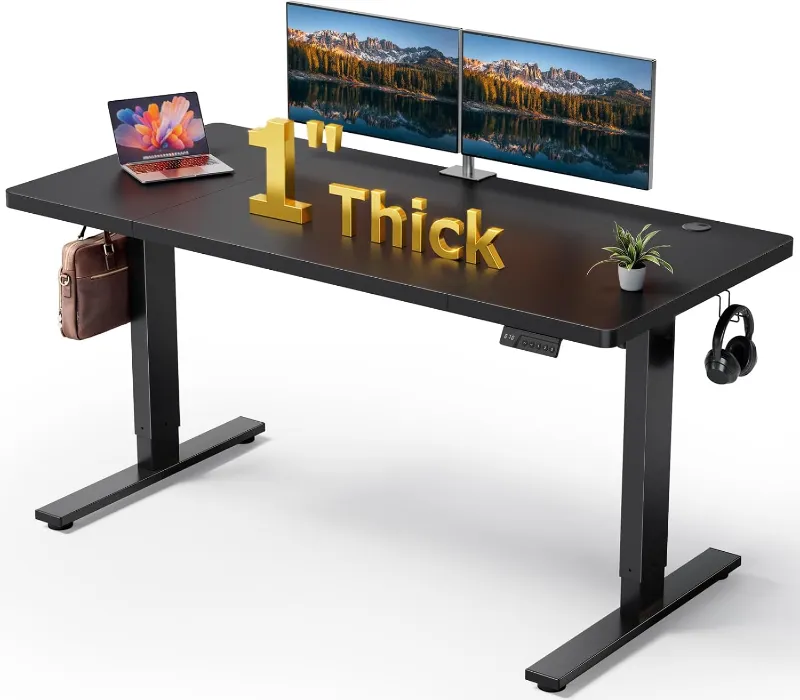
If you love the papasan chair look, reserve it for breaks and reading. For actual work hours, pair it with an ergo chair at your wooden desk and grab the code to save on ergonomic options.
How a Kneeling Chair Changes Your Posture
A kneeling chair replaces a traditional seat pan with a forward-tilted cushion and a padded knee rest below. Your shins press into the lower pad, your hips tilt forward, and your spine straightens without a backrest. This open hip angle (around 120 degrees instead of 90) can reduce lower-back compression and encourage upright posture automatically.
The catch: kneeling chairs shift weight from your glutes to your knees and shins. After 30 to 60 minutes, knee and shin discomfort is common, and many people want to stand or switch chairs. The lack of a backrest also means your core muscles must stabilize your torso continuously, which builds strength but causes fatigue if you’re not used to it.
Benefits of kneeling chairs:
- Promotes upright spine alignment without a backrest prompt
- Reduces slouching by design
- Compact footprint under a desk
Limitations:
- Knee and shin pressure during long sessions
- No back support when you need to rest
- Limited adjustability (most models offer only seat-height changes)
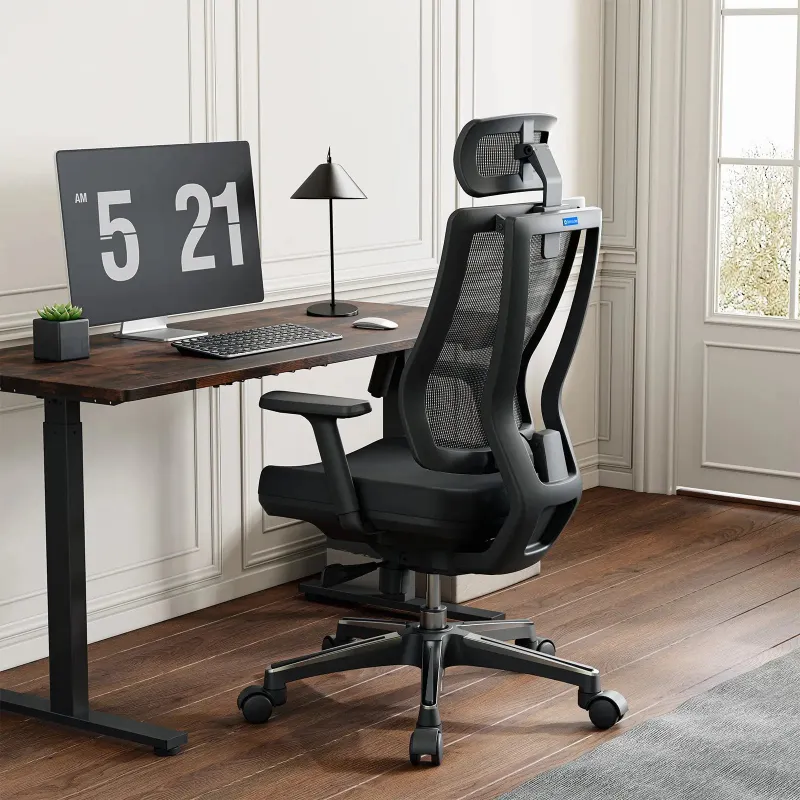
Kneeling chairs work best in rotation. Use one for 30 to 90 minutes, then switch to a best office chair for long hours with full lumbar and armrest support. Some users alternate between a kneeling chair and an ergo mesh office chair throughout the day.
Comparing Papasan and Kneeling Chairs for Desk Work
| Feature | Papasan Chair | Kneeling Chair |
|---|---|---|
| Lumbar support | None (rounds spine) | None (relies on active posture) |
| Adjustability | Cushion depth only | Seat height, occasionally knee-pad angle |
| Best session length | 15 to 30 min (lounging) | 30 to 90 min (active sitting) |
| Desk compatibility | Poor (reclined angle, no arm support) | Good (upright posture, fits under desk) |
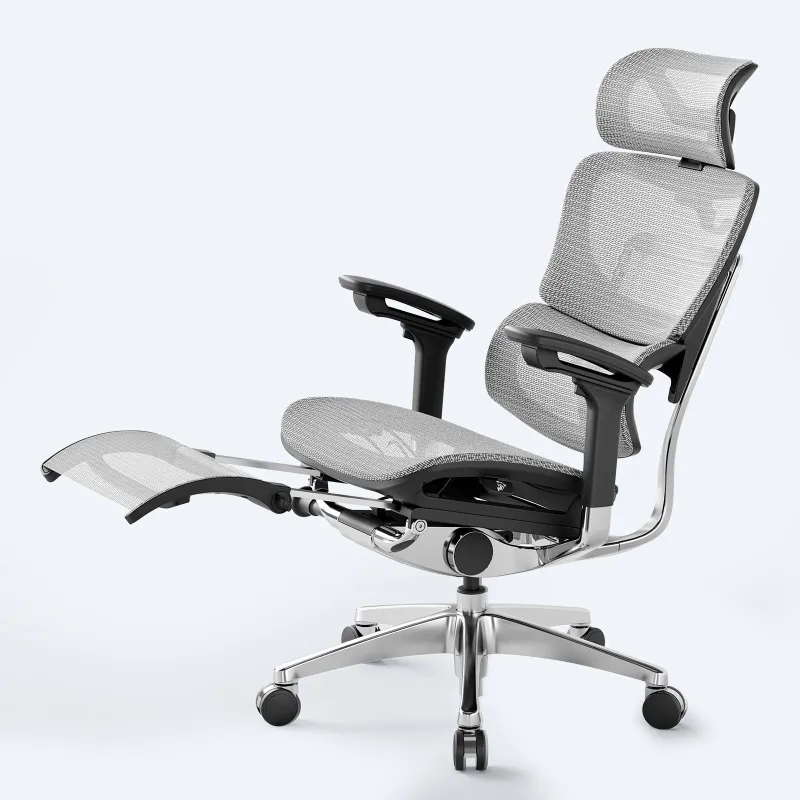
Neither chair provides the adjustable backrest, seat depth, or armrests that evidence-based ergonomic guidelines recommend. If your goal is genuine back support during full workdays, a dedicated ergo computer chair or ergonomic gaming chairs will outperform both by letting you dial in lumbar height, armrest position, and recline tension.
Who Should Choose Which Chair
Choose a papasan chair if:
- You want a cozy reading or meditation spot away from your desk
- You value aesthetic and comfort over ergonomic structure
- You plan to sit for 20 minutes or less at a time
Keep a papasan chair cover handy to protect the cushion from dust and sun, and check the papasan chair base regularly, loose bolts in the rattan or metal frame can shift the angle unexpectedly.
Choose a kneeling chair if:
- You already struggle with slouching in a standard chair
- You want to strengthen core muscles and vary your sitting posture
- You can rotate between chairs every hour
- You have healthy knees and shins (avoid kneeling chairs if you have knee injuries or circulation issues)
Choose a true ergonomic chair if:
- You sit at a desk for four or more hours a day
- You experience lower-back pain, neck strain, or shoulder tension
- You need adjustable lumbar support, armrests, and seat depth
Check the latest price to see current discounts on ergonomic chairs that deliver measurable back support.
Practical Tips for Better Sitting Posture
Whichever chair you choose, these habits protect your back:
- Set your monitor at eye level so you don’t crane your neck forward, whether you’re in a papasan chair or a kneeling chair.
- Use a footrest or adjust seat height so your thighs are parallel to the floor and your feet rest flat.
- Take micro-breaks every 30 minutes to stand, stretch, or walk a few steps.
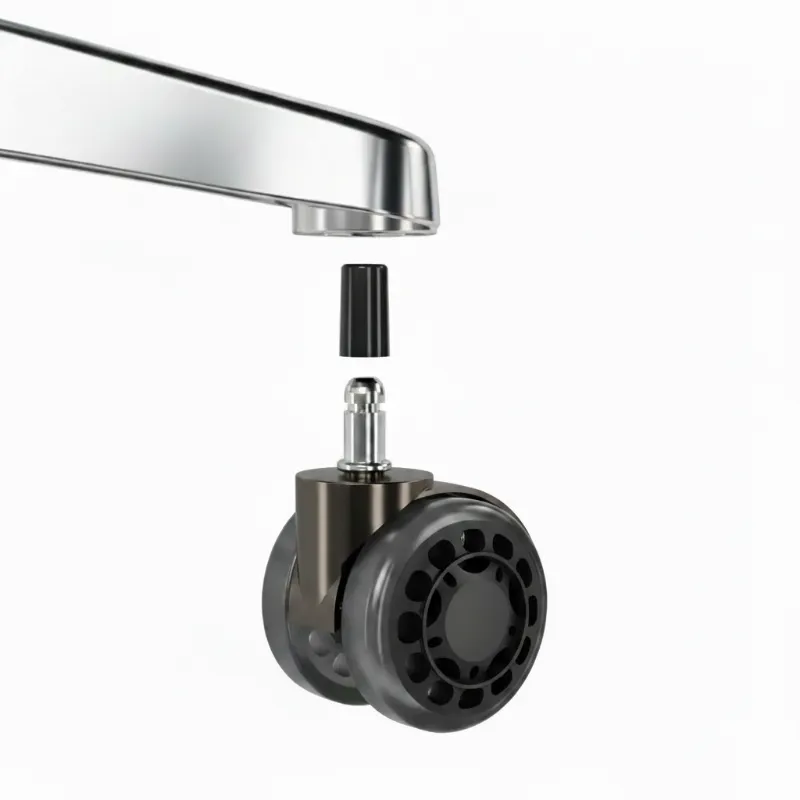
- Upgrade your chair wheels with smooth-glide office chair wheels to reduce strain when you reposition.
- Switch chairs or positions throughout the day to avoid overloading any single muscle group.
No single chair solves posture for everyone. Rotating between a kneeling chair, a standing desk, and a proper ergonomic chair gives your spine the variety it needs.
The Bottom Line on Papasan vs Kneeling Chairs
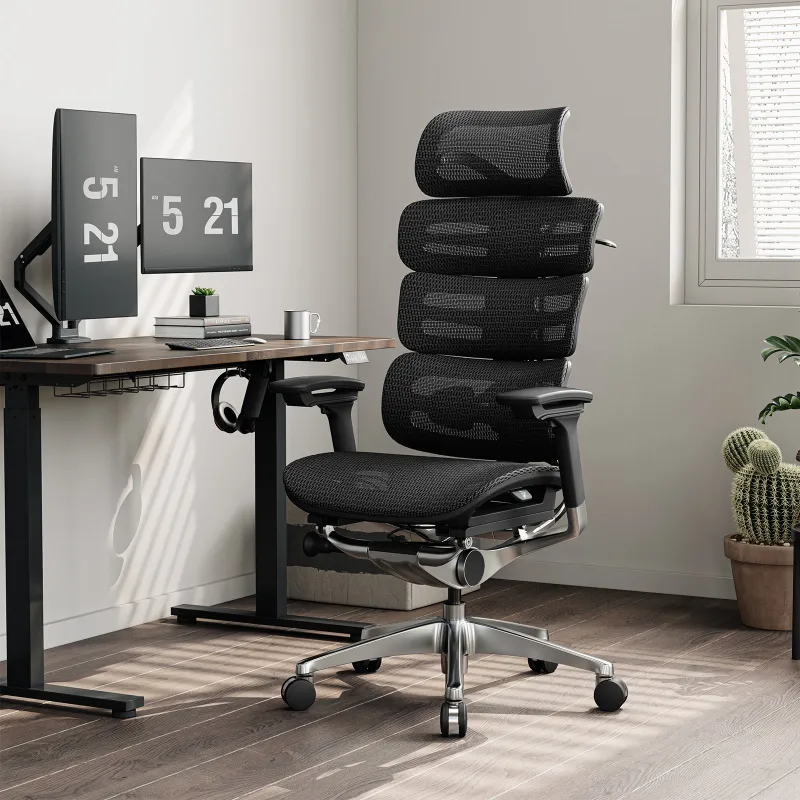
A papasan chair excels as a cozy corner seat for short breaks but offers no lumbar structure for desk work. A kneeling chair promotes upright posture and works well in rotation but can’t replace a fully adjustable ergonomic chair for long hours. If back support is your priority, invest in an ergo mesh office chair or similar model with lumbar adjustment, then use a kneeling chair or papasan chair for variety and breaks. That combination gives you comfort, flexibility, and the active support your spine actually needs.
Questions
Can a papasan chair be used as an office chair?
Papasan chairs are not designed for desk work. The deep bowl shape rounds your spine and positions your hips too low for proper typing posture. Reserve papasan chairs for reading, relaxing, or short breaks away from your desk.
How long can you sit in a kneeling chair?
Most people can sit comfortably in a kneeling chair for 30 to 90 minutes before knee and shin pressure becomes uncomfortable. Rotate to a traditional ergonomic chair or take standing breaks to avoid overloading your knees.
Do kneeling chairs really improve posture?
Yes, kneeling chairs tilt your pelvis forward and open your hip angle, which naturally straightens your spine. However, they provide no backrest and require continuous core engagement, so they work best when alternated with other seating.
What should I look for in a papasan chair cushion?
Choose a cushion at least four inches thick with high-density foam or a blend that resists flattening. Check that the cushion ties or clips securely to the frame, and consider a washable papasan chair cover to extend its life.
Which chair is better for lower back pain?
Neither a papasan chair nor a kneeling chair offers adjustable lumbar support, which is essential for managing lower back pain during long sitting sessions. A dedicated ergonomic chair with lumbar adjustment is the better choice for chronic back issues.
Can I use a kneeling chair with a standing desk?
Kneeling chairs are designed for seated desk height, not standing-desk height. For sit-stand setups, pair a height-adjustable ergonomic chair with your standing desk and use the kneeling chair only when the desk is lowered to sitting position.
Products in this guide
 Shopping at OdinLake? See the discount code
5% OFF All Orders
Shopping at OdinLake? See the discount code
5% OFF All Orders
More in this series
Wooden Desk Care: Preventing Scratches and Water Damage Over Years of Use18 Aug 20266 minWhy Do Mesh Office Chairs Stay Cooler Than Foam?18 Aug 20265 minHow Long Do Herman Miller Office Chairs Last?18 Aug 20265 minCan Office Chair Wheels Damage Hardwood Floors?18 Aug 20264 minHow to Choose an Office Chair for Long Hours at a Desk18 Aug 20265 min