 A Jump USA guide
Why Weighted Basketballs Are Better Than You Think for Jump Training
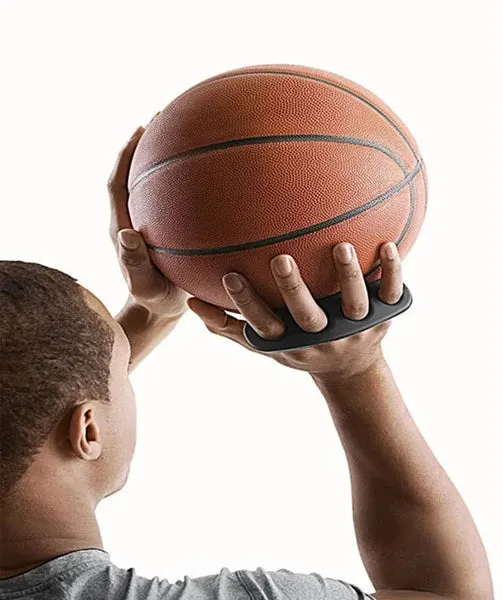
A training basketball with hands painted training aid builds explosive power and hand strength faster than standard shooting practice.
A training basketball with hands painted training aid builds explosive power and hand strength faster than standard shooting practice. Most athletes overlook weighted basketballs because they think of them as niche tools, but they’re actually one of the most direct ways to increase vertical jump and ball control simultaneously. We’ll walk you through how they work, which ones deliver results, and how to pair them with other jump training gear for maximum gains.
How Weighted Basketballs Improve Your Vertical Jump
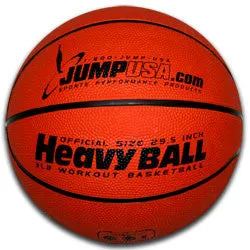
The core benefit is simple: resistance training works. A weighted basketball or heavy basketball forces your stabilizer muscles to work harder with every pass, catch, and shot. This builds strength in your shoulders, wrists, and core without the joint stress of heavy lifting.
When you train with extra weight, your nervous system adapts. After a few weeks of handling a heavier ball, a standard basketball feels lighter and faster in your hands. That translated speed and control directly transfers to jumping mechanics, better ball handling means cleaner footwork and a more explosive release.
The training basketball with hands painted training aid takes this further by marking your hand placement. The painted guide shows you exactly where your fingers should be for proper shooting form. This prevents bad habits from creeping back in during high-reps, so every rep reinforces correct mechanics under load.
Pairing Weighted Basketballs with Other Jump Training Tools
Weighted basketballs aren’t a standalone solution. Real vertical jump gains come from combining several training methods. Here’s what works together:
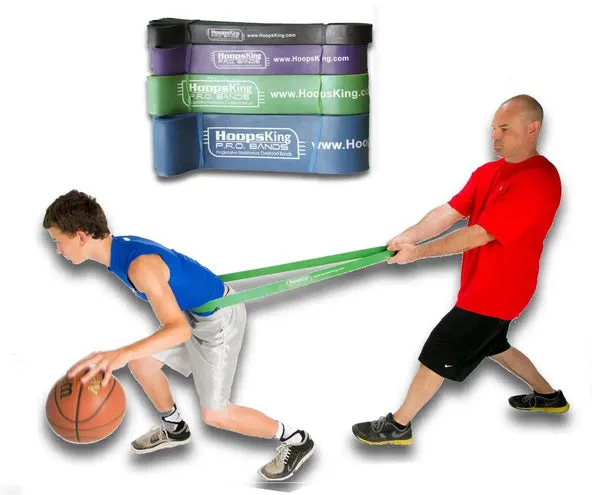
- Resistance bands: A champion sports stretch training band or overload bands adds lower-body resistance while you shoot or move laterally. The combination of upper and lower-body load forces your whole kinetic chain to fire together.
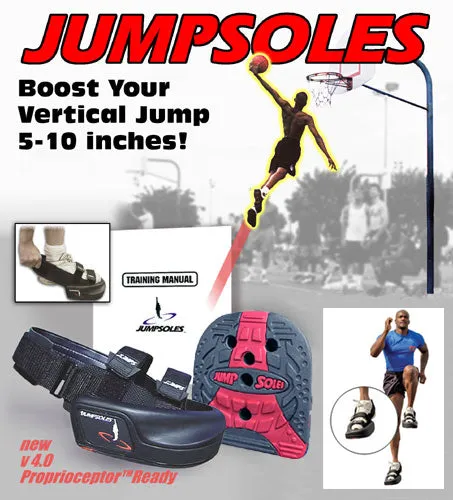
- Plyometric footwear: Plyometric jump higher shoes or jump shoes increase ground contact tension, making your calf and quad explosiveness kick in immediately. Pair them with a weighted basketball for a full-body stimulus.
- Medicine ball work: A med ball handles explosive rotational training that a basketball can’t. Throw, catch, and rotate with a medicine ball 2x per week to build the explosive torso power that drives vertical jump.
- Strength shoes: Strength shoes and shoes for jump shift your weight forward and increase calf activation. Wearing them during weighted ball drills amplifies the overload effect.
Training Plan: Weighted Ball Drills That Work
Start with 2 to 3 sessions per week. Each session should last 20 to 30 minutes, split between footwork and upper-body work.
Footwork drills (10 minutes):
- Lateral shuffles while holding a weighted ball, focusing on staying low and quick.
- Forward and backward sprints while dribbling a heavier ball. Start slow and build speed once form is solid.
- Box jumps while holding the weighted basketball. Keep it at chest height and use it for balance, not as a thrower.
Upper-body drills (15 minutes):
- Overhead passes against a wall. Set a target and make rapid-fire passes, resting 30 seconds between sets of 12.
- Catch and shoot from multiple spots on the court. Use the hand-painted guide on the training basketball with hands painted training aid to verify form on each rep.
- Rotational slams (like a medicine ball slam, but with a weighted basketball). This builds explosive core power and wrist stability.
Rest 48 hours between intense sessions. On off days, wear your plyometric jump higher shoes and do light footwork or mobility work to prep your body for the next session.
Materials and Weight: What Makes a Training Basketball Effective
The best training basketballs sit between 3 to 5 pounds. Anything lighter won’t create enough resistance; anything heavier risks form breakdown. Most are made of rubber or synthetic leather with a solid rubber core filled with sand or metal pellets.
A heavy basketball typically uses an even weight distribution so it feels balanced in your hands. This prevents compensation injuries and keeps your mechanics honest. The training basketball with hands painted training aid adds a bonus layer by showing you where to grip, so you’re never guessing about hand placement under fatigue.
Synthetic rubber grip is best because it stays tacky and doesn’t degrade quickly. Real leather absorbs sweat and can deteriorate within a season if not maintained. Check the cover material before buying; durability matters when you’re doing high-rep training.
Sizing and Fit: Getting the Right Basketball for Your Hand
Weighted basketballs come in standard size 7 (official size) and sometimes size 6. The painted guidelines on a training basketball with hands painted training aid are sized to that specific ball, so make sure the ball matches your hand size and the court you’re training on.
If your hands are smaller, a size 6 is easier to control, but it provides less grip surface for the painted guide. Size 7 is universal and works for most high school and college athletes. If you’re unsure, measure your hand span against both sizes before committing.
The weight should feel heavy enough that you notice it immediately, but not so heavy that you’re struggling to catch it clean. A good test: if you can make 20 consecutive chest passes against a wall with good form, the weight is right. If you’re compensating or losing control, go lighter.
Who Should Train with Weighted Basketballs
Weighted basketballs work best for athletes who already understand basic shooting form. Beginners should nail fundamentals first on a standard ball, then add weight once their mechanics are solid.
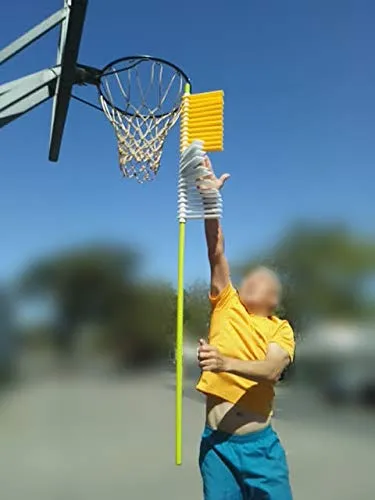
Players aiming for a significant vertical jump (3+ inches in 8 to 12 weeks) need multiple tools. Pair your weighted basketball with plyometric jump higher shoes, a vertical jump tester to track progress, and consistent footwork drills. The combination multiplies results.
Guards and wings see the biggest benefit because they shoot more and handle the ball constantly. Big men can use weighted basketballs for footwork and post moves, but post players often get more from medicine ball work and lower-body resistance training.
Where to Buy and Get a Deal
Jump USA carries a full lineup of weighted basketballs and complementary jump training gear. Check the latest price and grab their 10% OFF code on all orders, including the training basketball with hands painted training aid, champion sports stretch training band, and overload bands.
If you’re building a complete jump training system, buy the weighted ball alongside plyometric jump higher shoes and strength shoes to maximize your gains. Most athletes see results within 3 to 4 weeks if they train consistently and track progress with a vertical jump tester.
The key is consistency and progression. Start light, master the drills, then add weight or reps each week. A training basketball with hands painted training aid is one tool in a complete system, but it’s one of the most underrated for building real explosiveness and control.
Questions
How much heavier should a training basketball be compared to a standard ball?
Training basketballs typically weigh 3 to 5 pounds, compared to a standard ball at 22 ounces. Start at the lower end if you're new to weighted equipment, and progress upward once your form stays clean under fatigue.
Can I use a training basketball with hands painted training aid for regular games?
No. Weighted basketballs are for training only. They're too heavy for actual play and will throw off your timing in games. Use them in practice, then switch to a standard ball for scrimmages and competition.
How often should I train with a weighted basketball?
Train 2 to 3 times per week, with at least 48 hours rest between sessions. More frequent training risks overuse injuries. Pair your sessions with lighter footwork drills or mobility work on off days.
What's the difference between a weighted basketball and a heavy basketball?
They're essentially the same thing. 'Heavy basketball' and 'weighted basketball' are used interchangeably to describe balls in the 3 to 5 pound range designed for resistance training.
Do the painted hand guides on a training basketball with hands painted training aid actually help?
Yes. The painted guide shows correct finger placement and prevents form breakdown during high-rep sets when fatigue sets in. It's a simple visual cue that reinforces mechanics under load.
Should I wear plyometric jump shoes while training with a weighted basketball?
Yes, pairing plyometric jump higher shoes with weighted ball drills amplifies lower-body activation and creates a full-body overload stimulus that drives faster vertical jump gains than either tool alone.
Products in this guide
 Shopping at Jump USA? See the coupon code
10% OFF All Orders
Shopping at Jump USA? See the coupon code
10% OFF All Orders
More in this series
How Long Do Jump Shoes Last? Durability and Performance Over Time1 Sep 20264 minThe Complete Guide to Medicine Ball Exercises for Basketball Players1 Sep 20265 minDo Plyometric Jump Higher Shoes Increase Your Vertical?1 Sep 20264 minChampion Sports Stretch Training Band vs. Overload Bands: Which Builds Explosive Power?1 Sep 20264 minHow to Improve Your Vertical Jump: Tools for Training and Tracking1 Sep 20264 min