 A Jump USA guide
How to Improve Your Vertical Jump: Tools for Training and Tracking
A vertical jump tester lets you measure your actual progress, and the right training tools make real gains possible.
A vertical jump tester lets you measure your actual progress, and the right training tools make real gains possible. Whether you’re an athlete, coach, or just someone who wants to dunk, knowing how to test and train your vertical jump is the foundation of real improvement.
Why a Vertical Jump Tester Matters
A Vertical Jump Test is more than a novelty. It gives you a baseline, tracks progress week to week, and keeps you honest about whether your training is actually working. Without measurement, you’re guessing. A portable vertical jump tester makes it easy to test at home, at the gym, or on the court, so you can repeat tests under the same conditions and spot real gains.
The vertical jump tester name varies depending on the model, but most work the same way: you jump, reach as high as you can, and the tool records your max height. Some are simple wall-mounted designs; others are portable and affordable. The best ones are consistent, easy to use, and don’t require setup every time. Check our current 10% off code to get started with quality gear without overspending.
The Best Training Tools to Build Explosive Power
Once you’ve got your baseline, you need the tools to actually improve. Here’s what works:
Weighted Equipment Builds Strength
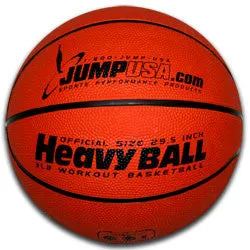
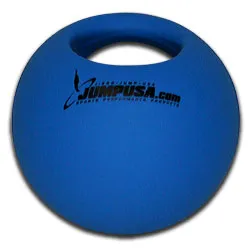
Heavy resistance creates the muscle foundation for jumping higher. A weighted basketball or heavy basketball forces your legs, core, and upper body to work harder than normal. Start with a heavier ball for controlled strength work, not game speed. A medicine ball is a classic for a reason. Medicine ball throws and slams build explosive core power that transfers directly to vertical jump. You can do seated throws, side throws, and slam work.
Specialized Jump Shoes Amplify Your Mechanics
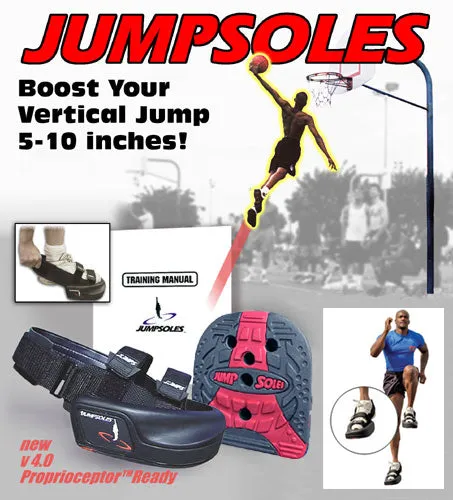
Plyometric jump higher shoes and strength shoes are built to train your calf and ankle mechanics under load. These shoes force you to work from the balls of your feet and build elastic recoil. Wear them during controlled plyometric drills, not during full-speed game work. Jump shoes and shoes for jump designed for training put you in the right biomechanical position to maximize your results. They’re not everyday shoes; they’re training tools.
Bands and Resistance Add Progressive Overload
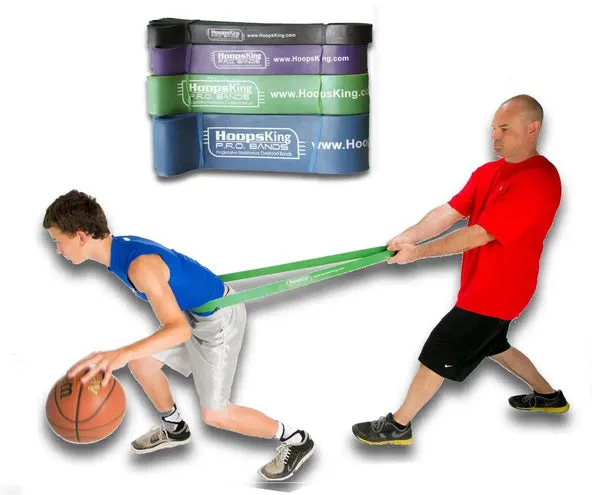
A champion sports stretch training band lets you add resistance to squats, lunges, and jump prep. Overload bands work the same way. Loop one around your knees during warm-up or use it to limit knee cave during landing. Bands also work for upper body and core prep to build the full-body power that vertical jump tests measure.
Choosing the Right Vertical Jump Tester for Your Setup
Not every vertical jump tester works for every athlete or space. Here’s how to pick:
| Feature | Wall-Mounted | Portable | DIY Option |
|---|---|---|---|
| Cost | Moderate | Budget-friendly | Cheap |
| Space | Needs wall | Fits anywhere | Minimal |
| Accuracy | High | Good | Variable |
| Setup | One-time | Fast | Each use |
A wall-mounted tester gives you consistency. A portable vertical jump tester is ideal if you move between gym and home. A vertical jump tester DIY option (like marking your reach and measuring on a wall) costs nothing but loses precision. For serious tracking, a real vertical jump tester pays for itself in confidence and data. Grab your 10% discount and pick a model that fits your training space.
Training Protocol: Test, Train, Retest
Start with a baseline. Use your vertical jump tester to record your standing reach and max jump height. Do this on the same day each week under the same conditions (same shoes, same warm-up, same time of day if possible). Train hard for 4 to 6 weeks with your tools: jump shoes on plyometric days, weighted basketballs for strength work, bands for activation and stability.
Then retest. Even small gains prove the method works. Most athletes see 1 to 3 inches of improvement in 6 to 8 weeks with consistent training. The vertical jump tester shows you that progress in real time.
Combining Tools for Complete Training
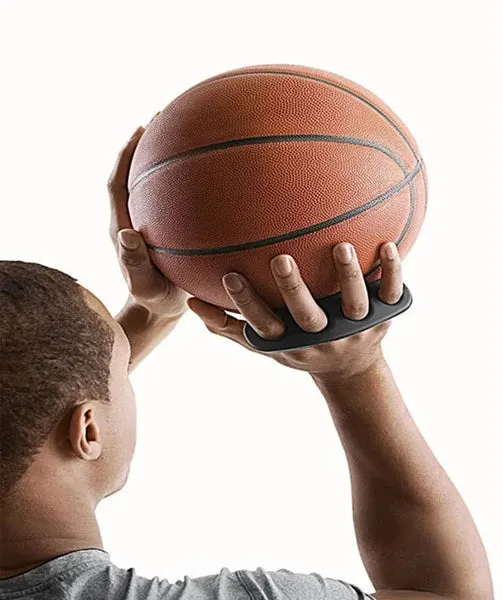
The best athletes don’t rely on one tool. Use a training basketball with hands painted training aid for game-speed ball handling work, then finish with weighted basketball strength sets. Warm up with a champion sports stretch training band, then do explosive work. Add in medicine ball throws and calf raises in jump shoes. Measure every few weeks with your vertical jump tester. This kind of variety builds balanced power and keeps training fresh.
Who Should Use These Tools
If you play basketball, volleyball, or any sport that rewards vertical explosiveness, these tools work. If you’re recovering from an ankle or calf injury, specialized jump shoes and bands help rebuild mechanics safely. If you’re just competitive with yourself and want to know if you’re actually getting better, a vertical jump tester is the honest answer. Age doesn’t matter much; what matters is consistent training and real measurement. Check current pricing and grab the code to start your program without the premium price tag.
The real gains come from training smart, measuring honestly, and using tools that match your goals. A vertical jump tester is the measurement side. Weighted basketballs, jump shoes, bands, and medicine balls are the training side. Put them together, stay consistent, and your vertical jump will improve.
Questions
What exactly does a vertical jump tester measure?
A vertical jump tester measures the distance between your standing reach and your highest jump reach. This tells you how many inches of vertical lift you're getting, which is the standard way to track jumping ability and compare athletes fairly.
How often should I test my vertical jump?
Test once every 4 to 6 weeks under the same conditions. Testing too often (weekly) won't show real progress and can mask the actual gains you're making. Consistency in testing time, warm-up, and shoes matters more than frequency.
Do I need both jump shoes and weighted basketballs?
No, but they serve different purposes. Jump shoes and plyometric shoes train your mechanics and ankle stiffness. Weighted basketballs and medicine balls build lower-body strength. Using both gives you balanced training and faster results.
Can I wear plyometric jump higher shoes every day?
No. Plyometric shoes and strength shoes are training tools, not everyday footwear. Wear them 2 to 3 times per week during controlled drills, then switch to regular shoes for game play and other workouts to avoid overuse stress.
What's the cheapest way to set up vertical jump testing at home?
Mark your standing reach on a wall with tape, jump and mark your peak, then measure the distance. A portable vertical jump tester is affordable and more reliable, especially if you want to track progress over months.
How do overload bands help my vertical jump?
Overload bands add resistance to squat and jump movements, building strength. They also work during landing prep to reinforce good knee alignment and prevent injury, which keeps your training consistent and safe.
Products in this guide
 Shopping at Jump USA? See the coupon code
10% OFF All Orders
Shopping at Jump USA? See the coupon code
10% OFF All Orders
More in this series
How Long Do Jump Shoes Last? Durability and Performance Over Time1 Sep 20264 minWhy Weighted Basketballs Are Better Than You Think for Jump Training1 Sep 20265 minThe Complete Guide to Medicine Ball Exercises for Basketball Players1 Sep 20265 minDo Plyometric Jump Higher Shoes Increase Your Vertical?1 Sep 20264 minChampion Sports Stretch Training Band vs. Overload Bands: Which Builds Explosive Power?1 Sep 20264 min