 A Jump USA guide
Do Plyometric Jump Higher Shoes Increase Your Vertical?
Plyometric jump higher shoes won't automatically make you jump higher, but they're a solid tool when paired with actual training.
Plyometric jump higher shoes can support a higher vertical jump, but only as one part of a structured training program. On their own they do not add height. They make your calves and ankles work harder on every jump, and that extra strength pays off only when you are already doing regular jump and strength work.
Do plyometric jump higher shoes increase your vertical?
Partly, and indirectly. These shoes (also sold as strength shoes or jumpsoles) put a raised platform under the ball of the foot, so your heel has nothing underneath it. You train on your forefoot, and your calves work through a longer range on every rep. Over time that overload can build calf and ankle strength, which is one piece of a bigger vertical.
The rest of a jump comes from your hips, thighs, technique and timing, and the shoes do not change any of those. Research on plyometric training shows that overload training works when combined with progressive strengthening. The shoes supply the overload. You still need the program: regular plyometrics, strength work and steady practice. Treat them as a training tool, not a shortcut.
How the shoes work
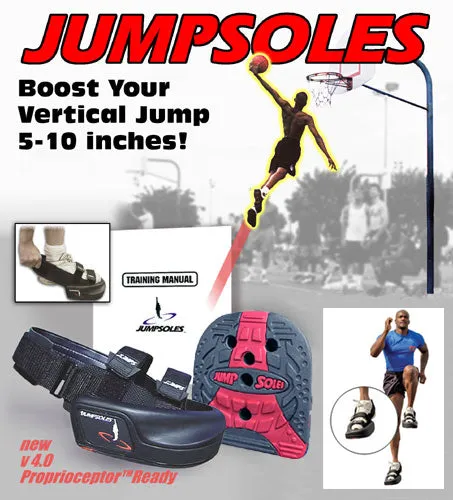
The design is simple. Strength shoes and similar plyometric jump shoes keep your weight on the front of the foot. Because the heel hangs lower than the platform, your lower leg has to lift you through a longer stretch every time you jump or land. This is a form of progressive overload.
The mechanism in short:
- The platform keeps your heel off the ground, so you stay on the ball of your foot
- Your calf and soleus muscles work through a longer stretch on each rep
- Repeated overload builds strength in the calf, ankle and foot
- Stronger lower legs can add force at the ankle during takeoff
The shoes do not change your technique or leverage in a way that adds height directly. They condition the lower leg to produce more force, which is why they belong alongside other vertical training, not in place of it.
Other tools that support vertical training
Jump shoes train one area. Most jump programs also build the core, hips and upper body, and track progress over time. Here is how the rest of the Jump USA range fits in:
| Tool | What it trains | Who it suits |
|---|---|---|
| Plyometric jump shoes | Calf and ankle strength | Athletes who already jump regularly |
| Weighted basketball | Arm and core strength | Basketball players adding strength to ball work |
| Medicine ball | Core and explosive power | Beginners building a base before jump shoes |
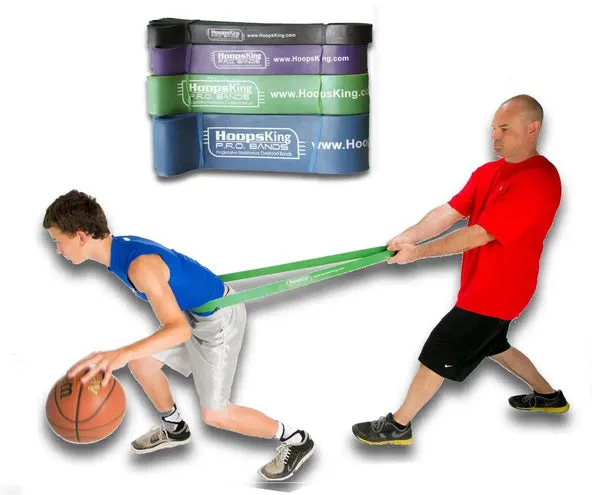
| Overload bands | Progressive resistance | Adding resistance to drills and controlled landings |
| Stretch training band | Flexibility and warm-up | Anyone preparing calves and hips before jump work |
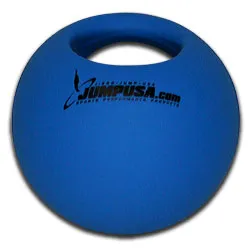
A medicine ball is a sensible first purchase for beginners, because it builds core strength and hip drive without the extra calf load. Bands are useful for eccentric work, which means controlling the lowering or landing part of a movement. In most programs, several tools together do more than any single one.
Who should use plyometric jump higher shoes
They suit athletes who already jump regularly and want to build lower-leg strength specifically.
Good fit:
- Basketball and volleyball players with a training base
- Athletes who have hit a plateau and want a new stimulus
- Players whose calves are a clear weak point
- Anyone ready to commit to a structured program
Less ideal for:
- Complete beginners (build base strength first with a medicine ball and bodyweight plyometrics)
- People with current ankle or calf injuries, or a history of ankle sprains
- Athletes looking for a shortcut without training
- People with very tight calves

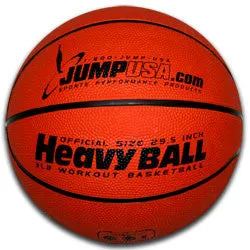
We suggest measuring your starting jump with a vertical jump tester before you add the shoes, so you can see later whether your program is working. A heavy basketball and regular plyometric drills pair well with them.
Sizing and comfort
Fit matters. A loose shoe on a raised platform makes you less stable, and poor balance lowers the quality of every rep.
- Follow the size chart on the product page
- Wear athletic socks, not thin dress socks
- Your forefoot should feel snug but not cramped
- Ease in with a few short, light sessions before full training
- Check the exchange policy before you order, in case you need a different size
If your feet or calves stay painful after the first few sessions, the fit or the training load is likely off. Exchange for a better size or scale back, rather than pushing through pain.
How to use plyometric jump higher shoes safely
How you wear them matters as much as whether you wear them. We would build up in three stages:
- Start light. Wear them for warm-ups and easy plyometrics only, with no maximum-effort jumps.
- Add them to part of a session. Do some of your jump work in them and the rest in regular shoes.
- Move to harder work. Once they feel stable, use them for calf-focused work, box jumps and explosive drills.
Keep them for planned sessions, not casual wear, and rest your calves between sessions. If you have any history of ankle or calf problems, talk to a coach or physical therapist before you start.
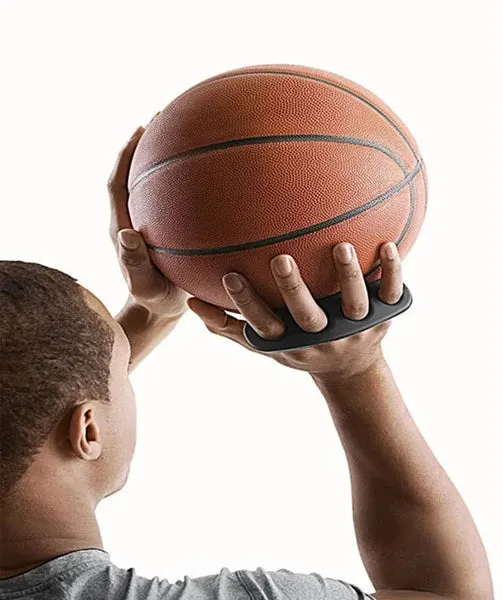
Pair them with the tools that cover what the shoes do not. Re-measure with the vertical jump tester at regular points, use a medicine ball for core and hip power, and use overload bands for landing control. A training basketball with painted hand positions helps with grip and hand placement for players who shoot as well as jump.
Before you order, see the current Jump USA coupon code for jump shoes and training gear.
Questions
Do plyometric jump higher shoes increase your vertical jump?
They can help as part of a structured program, because they build calf and ankle strength. On their own they add nothing. How much any athlete gains depends on their starting point, their program and how consistently they train, so we do not give an inch figure.
Can I wear plyometric jump higher shoes for casual basketball or everyday activity?
We would not. The raised platform changes how you stand and move, and the shoes are built for focused training sessions. Wear them for planned jump work, then switch back to regular shoes for games and daily wear.
Do I need the strength shoes or can I just use a weighted basketball and med ball?
Both approaches work, in different ways. A weighted basketball and a medicine ball build upper body, core and hip power. Strength shoes target the calves and ankles. If you are new to jump training, we suggest starting with the medicine ball and weighted basketball and adding the shoes once you have a base.
How long does it take to see results with plyometric jump higher shoes?
There is no honest fixed timeline. It depends on your age, training history, program and consistency. Measure your jump before you start and re-measure at regular points, so you can judge your own progress instead of guessing.
Are plyometric jump higher shoes safe for athletes with weak ankles?
Start with caution. The shoes add load to the ankles and calves. If you have a history of ankle sprains or calf strains, build stability first with band work, using overload bands or a stretch training band, and speak to a coach or physical therapist before starting a full program.
What's the difference between strength shoes and regular jump shoes?
Strength shoes are training tools with a raised platform under the forefoot, built for overload work. Regular athletic and basketball shoes are built for comfort, support and landing protection during play. Use strength shoes for set training sessions and regular shoes for everything else.
Products in this guide
 Shopping at Jump USA? See the coupon code
10% OFF All Orders
Shopping at Jump USA? See the coupon code
10% OFF All Orders
More in this series
How Long Do Jump Shoes Last? Durability and Performance Over Time1 Sep 20264 minWhy Weighted Basketballs Are Better Than You Think for Jump Training1 Sep 20265 minThe Complete Guide to Medicine Ball Exercises for Basketball Players1 Sep 20265 minChampion Sports Stretch Training Band vs. Overload Bands: Which Builds Explosive Power?1 Sep 20264 minHow to Improve Your Vertical Jump: Tools for Training and Tracking1 Sep 20264 min