 A Jump USA guide
How Long Do Jump Shoes Last? Durability and Performance Over Time
Plyometric jump higher shoes typically last 6 to 12 months with regular training, depending on usage frequency, surface, and maintenance.
Plyometric jump higher shoes typically last 6 to 12 months with regular training, depending on usage frequency, surface, and maintenance. Unlike regular sneakers, jump shoes endure intense, repetitive stress that wears components faster. Understanding what affects lifespan helps you get the most value and know when to replace them.
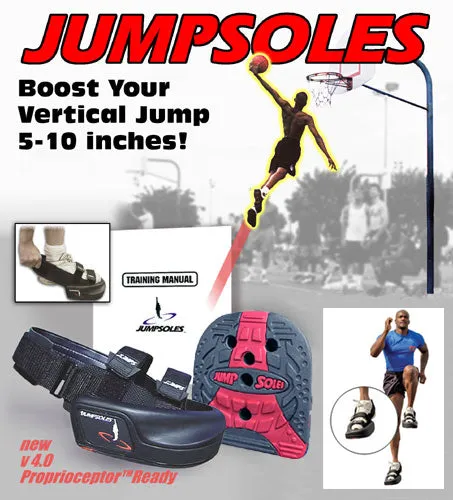
Jump shoes combine specialized design with materials that absorb and return energy during vertical work. The plyometric jump higher shoes from Jump USA are built for this purpose, but even quality gear requires smart care. Let’s break down what impacts durability and how to extend the life of your training shoes.
How Long Plyometric Jump Higher Shoes Actually Last
Most jump shoes hold up for 150 to 250 hours of active training before showing significant wear. That translates roughly to 6 to 12 months for athletes training 3 to 5 times per week. Heavy daily users may see wear in 3 to 4 months, while casual trainers can stretch it closer to 18 months.
The strength shoes and other heel-lift designs experience wear differently than standard shoes because they concentrate force on the forefoot and ball of the foot during landings. This concentrated impact accelerates wear in those zones compared to evenly distributed pressure in regular sneakers.
What Wears Out First on Jump Shoes
The midsole is typically the first component to degrade. Jump shoes rely on foam or gel cushioning to absorb landing impact and provide the rebound needed for explosive movement. After months of plyometric work, this foam compresses and loses responsiveness.
The outsole comes second. Repeated hard landings on court or grass cause rubber to thin, especially at the heel and ball of the foot where you strike hardest. Once traction diminishes or rubber shows bare spots, replacement is near.
The heel counter (the back cup) also softens over time, offering less stability on lateral cuts. If you notice your heel sliding or instability during side-to-side drills, the counter has likely fatigued.
Signs It’s Time to Replace Your Jump Shoes
Replace your shoes when you notice:
- Midsole feels spongy or unresponsive, sinking deeper than it did new
- Traction is noticeably reduced, especially on courts or outdoor surfaces
- Visible creases or cracks in the midsole material
- Heel lift feels compressed or flattened (especially relevant for strength shoes)
- Pain or soreness in your feet that wasn’t present before, signaling lost cushioning
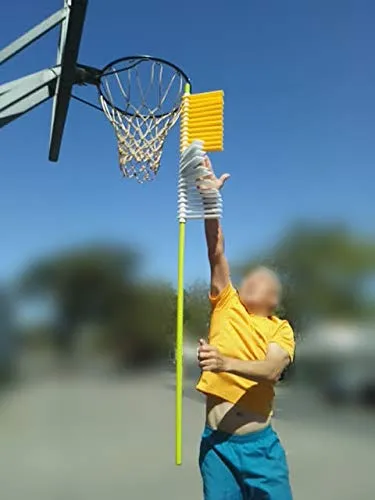
A vertical jump tester can help you track whether declining performance correlates with shoe age. If your max jump drops 2 to 3 inches over a month while your training stays consistent, worn-out shoes are often the culprit.
Extending the Life of Your Plyometric Jump Higher Shoes
Rotate between two pairs. Alternating shoes gives foam time to recover between sessions, extending both pairs’ lifespan. Many athletes pair plyometric jump higher shoes with shoes for jump for different training surfaces or intensities.
Use them only for jump training. Wearing jump shoes for casual walking or general activities speeds deterioration. Reserve them for workouts where the heel lift and forefoot focus matter most.
Clean and dry properly after each session. Sweat and moisture break down foam and rubber. Remove insoles after workouts, wipe the interior, and air dry in a cool place away from direct heat or sunlight.
Store in a cool, dry space. Heat degrades midsole foam faster than normal aging. Avoid leaving shoes in hot cars, direct sunlight, or humid basements.
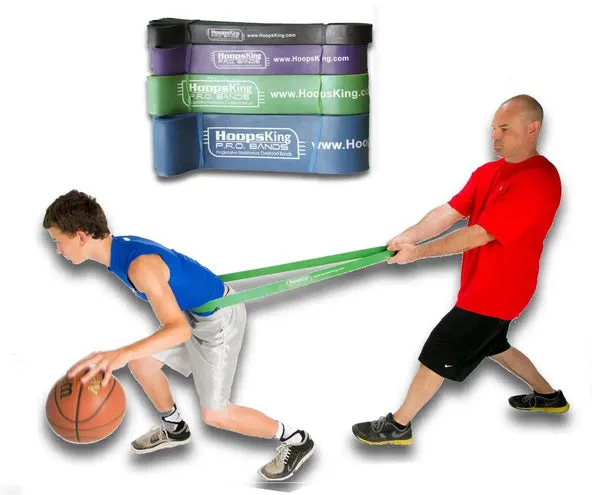
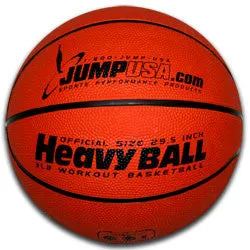
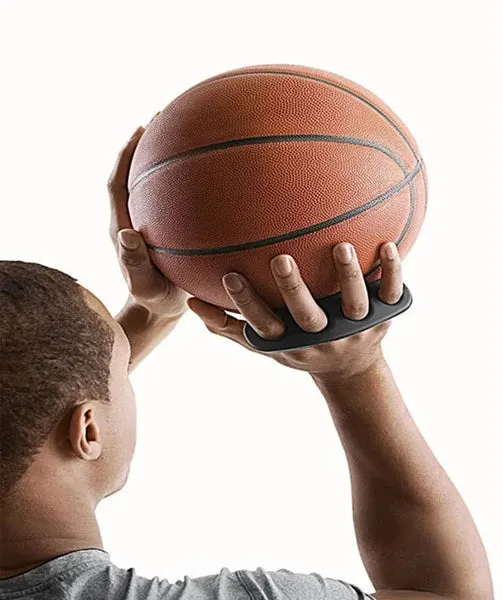
Pair with complementary training gear. Using overload bands and a weighted basketball spreads stress across your lower body and shoes more evenly than explosive drills alone. Complementary tools let you train hard without overloading any single piece of equipment.
Jump Shoes vs. Regular Training Shoes
Jump shoes wear faster than regular sneakers because they’re engineered for explosive, repetitive impact rather than general activity. The strength shoes design concentrates load on the forefoot, intensifying wear in that zone. A training basketball used with jump shoes also impacts durability, heavier, higher-impact drills age shoes faster than lighter work.
Research on plyometric training programs shows that consistent, high-intensity work with specialized footwear demands replacement on a regular schedule. The investment in quality shoes and knowing when to replace them keeps performance steady.
Budget for Replacement on Schedule
Treat jump shoes as a consumable training tool, not a permanent purchase. Budget for replacement every 6 to 12 months depending on your training volume. Many athletes find buying two pairs to rotate is more cost-effective than replacing a single pair more frequently.
Check Jump USA’s coupon page for current offers. You’ll find grab the code to save 10% on all orders, making it easier to keep fresh pairs on rotation.
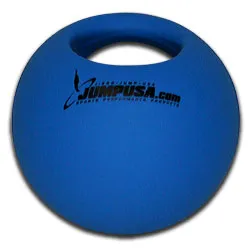
Pairing plyometric jump higher shoes with other specialized tools like a med ball and champion sports stretch training band ensures your whole training stack ages evenly. When you replace shoes, that’s also a good time to refresh other worn accessories.
Getting the Most from Your Training Investment
Quality jump shoes are an investment in performance, and knowing their lifespan helps you plan smart. Track when you buy a pair, log your training hours, and note any performance drops. Most athletes find 6 to 12 months is realistic and acceptable, especially when rotating between pairs.
Reviews of jump shoes and strength shoes consistently show that durability correlates with proper care and realistic replacement cycles. Don’t wait until shoes fall apart; replace them when cushioning and response decline, and you’ll maintain steady progress without pain or compensation injuries.
Questions
How often should I replace plyometric jump higher shoes?
Replace them every 6 to 12 months with regular training (3 to 5 sessions per week). Heavy daily users may need replacement every 3 to 4 months, while casual trainers can stretch it to 18 months. Listen to your feet, when cushioning feels compressed or performance drops noticeably, it's time.
Can I extend the life of jump shoes by rotating with other training shoes?
Yes. Alternating between two pairs lets the midsole foam recover between sessions, extending both pairs' lifespan significantly. Many athletes rotate jump shoes with regular training basketball shoes or cross-trainers.
What's the best way to store strength shoes between workouts?
Store them in a cool, dry place away from direct heat and sunlight. Remove insoles after each session, let them air dry fully, and avoid damp basements or hot cars. Proper storage preserves midsole foam and extends overall durability.
Will using overload bands and weighted basketballs wear out my jump shoes faster?
Not necessarily. In fact, distributing load across complementary training tools (like overload bands and weighted basketballs) can actually reduce concentrated stress on your shoes and extend their life compared to explosive drills alone.
How do I know when the midsole of my jump shoes has worn out?
The midsole is worn when it feels spongy or unresponsive, sinking deeper than when new, or when your vertical jump performance drops 2 to 3 inches despite consistent training. Visual creases or cracks in the foam are also clear signs.
Are strength shoes and plyometric jump higher shoes different in durability?
They wear similarly, but strength shoes with heel lifts concentrate impact on the forefoot, which may show wear in that zone slightly faster. Both last 6 to 12 months with normal training and benefit from rotation and proper care.
Products in this guide
 Shopping at Jump USA? See the coupon code
10% OFF All Orders
Shopping at Jump USA? See the coupon code
10% OFF All Orders
More in this series
Why Weighted Basketballs Are Better Than You Think for Jump Training1 Sep 20265 minThe Complete Guide to Medicine Ball Exercises for Basketball Players1 Sep 20265 minDo Plyometric Jump Higher Shoes Increase Your Vertical?1 Sep 20264 minChampion Sports Stretch Training Band vs. Overload Bands: Which Builds Explosive Power?1 Sep 20264 minHow to Improve Your Vertical Jump: Tools for Training and Tracking1 Sep 20264 min