 A Eclipse Glove guide
How to Wash Permethrin Treated Clothing Without Losing Protection
Permethrin treated clothing keeps its insect-repelling power for up to 70 washes when you follow the right care routine.
Permethrin treated clothing maintains its tick and mosquito protection through dozens of washes if you follow a gentle care routine.
Factory-treated garments from reputable manufacturers bond permethrin molecules directly to fabric during production, creating protection that outlasts spray-on treatments by 50 or more washes. The EPA registers permethrin-treated clothing as a pesticide device, and proper laundering keeps that registration-level effectiveness intact.
Machine Washing Permethrin Treated Gear
Cold or warm water (never hot) protects the permethrin bond best. Hot water above 140°F accelerates chemical breakdown and can reduce effective life by 30 to 40 percent.
Washing steps that work:
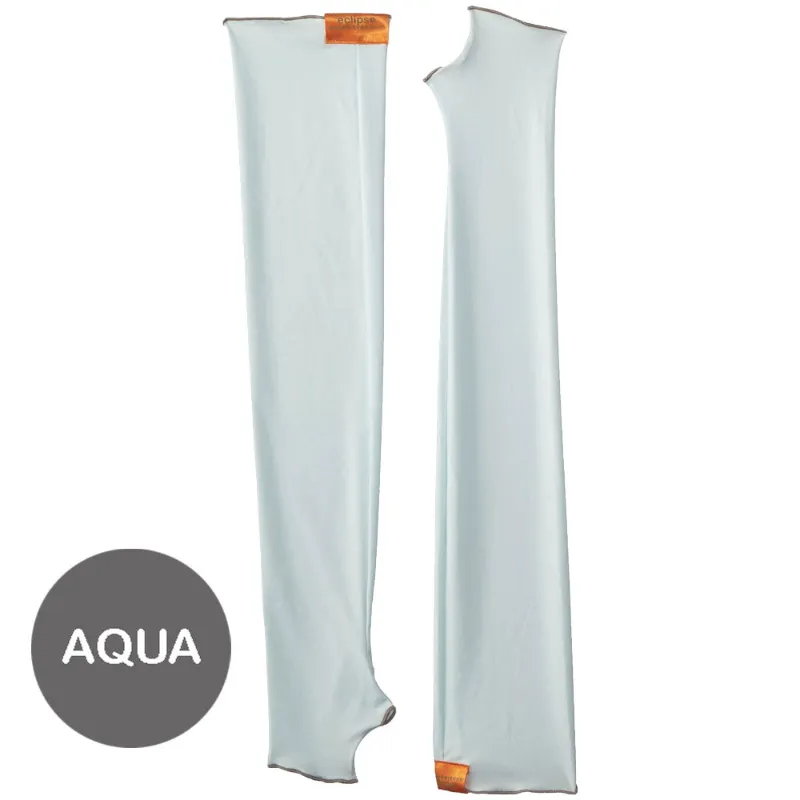
- Turn garments inside out to minimize abrasion on treated surfaces
- Use liquid detergent (powder can leave residue that interferes with permethrin)
- Select gentle or normal cycle, avoiding heavy-duty settings
- Wash with similar fabrics (treat your sun sleeves and gaiter neck together)
- Skip fabric softener completely, as it coats fibers and blocks permethrin effectiveness
- Avoid bleach, which degrades the permethrin compound directly
We wash our respi gaiter and neck cover pieces every three to four wears during heavy use, and they maintain full bite protection. Check current pricing on treated accessories before you build your outdoor kit.
Drying Methods That Preserve Protection
Line drying or low-heat tumble drying extends the life of permethrin treatments. High heat is the enemy here.
| Drying Method | Effect on Permethrin | Best For |
|---|---|---|
| Line dry (shade) | Preserves 100% effectiveness | All permethrin garments |
| Tumble low heat | Safe, minimal degradation | Quick turnaround needs |
| Tumble high heat | Reduces protection 10-15% per cycle | Avoid completely |
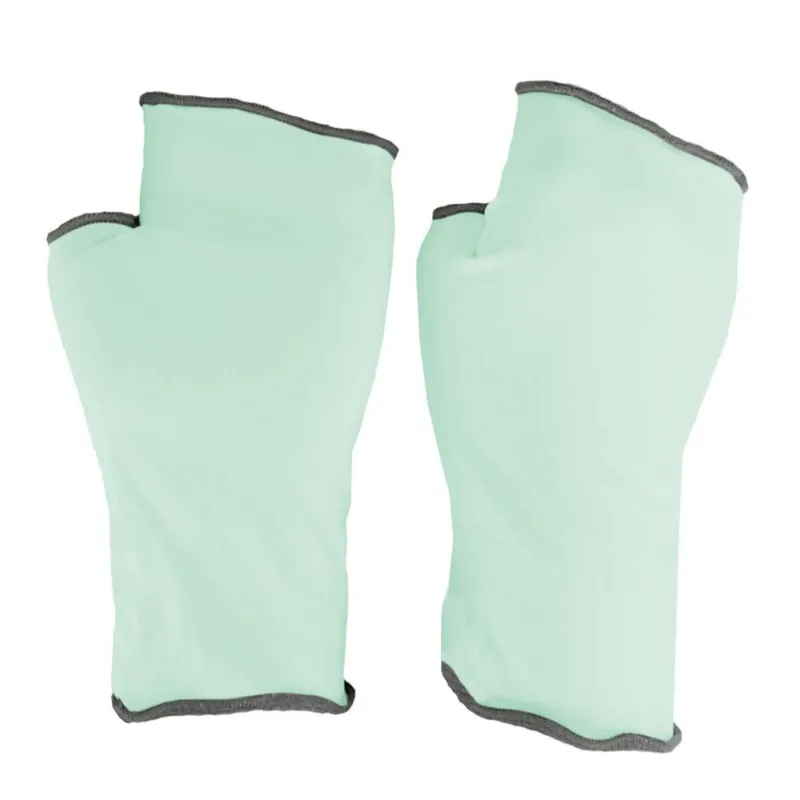
Hang your sun gloves, uv gloves, and cooling arm sleeves in a shaded area. Direct sunlight does not harm permethrin, but it can fade fabric colors and weaken elastic components in fitted gear.
How Many Washes Permethrin Treated Clothing Survives
Factory-bonded permethrin typically lasts 70 washes under ideal conditions. /p>
What affects wash longevity:

- Treatment method: Factory-bonded (best) vs. spray-on DIY (20-25 washes max)
- Water temperature: Cold washing adds 15 to 20 washes compared to hot
- Detergent type: Liquid preserves better than powder or pods
- Fabric weight: Heavier fabrics like gaiter neck fleece hold permethrin longer than lightweight sunblock arm sleeves
Research from NPIC confirms that proper care doubles or triples the useful life of permethrin treatments compared to careless washing. We track our wash counts with a simple tag note or phone log, replacing gear when we hit 60 washes or notice increased bites.
Special Care for Different Permethrin Gear Types
Lightweight accessories need gentler handling than heavy-duty pants or jackets.
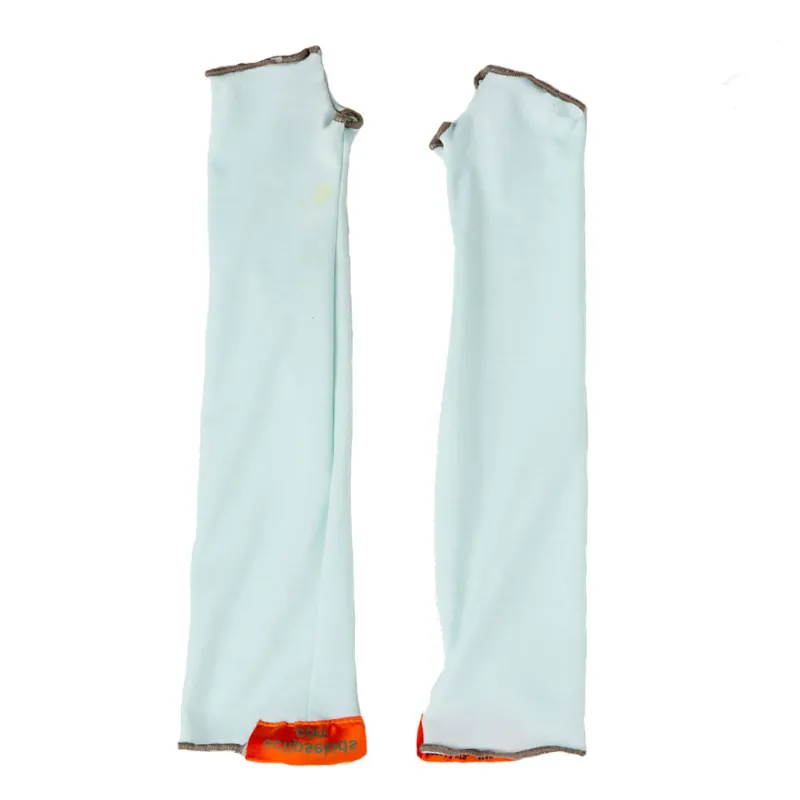
Delicate items like sleeves sun protection and thin gaiters:
- Use mesh laundry bags to prevent stretching
- Hand wash if elastic shows wear
- Never wring; roll in a towel to remove excess water
Heavier gear including treated fleece and multi-layer garments:
- Machine wash as normal but always use cold water
- Zip all closures to prevent snagging
- Tumble dry low if needed, but line drying still wins
If you are building a full treated wardrobe, grab the code for our current discount before you stock up on accessories.
Permethrin Treated Clothing Safety During Washing
Permethrin is safe for humans and dogs but toxic to cats until fully dry. Separate your laundry if you have cats, and never let them contact damp treated garments.
Safety checklist:
- Wash permethrin gear separately from pet bedding if you have cats
- Allow treated items to dry completely before cats can touch them
- Store unwashed treated clothing away from cat areas
- Permethrin breaks down in water, so wastewater poses minimal environmental risk
Dermatological studies show bonded treatments are non-irritating to skin. If you do have sensitivity concerns, wearing a thin base layer under treated garments eliminates direct contact.
When to Replace Your Permethrin Treated Gear
Even with perfect care, permethrin effectiveness fades. Replace gear when you notice increased insect landings or after 70 washes, whichever comes first.
Signs your treatment is spent:
- Mosquitoes or ticks land and stay on fabric (fresh permethrin repels them immediately)
- You have reached your documented wash count
- Fabric shows significant wear, holes, or thread damage
Some manufacturers offer re-treatment services, but Wirecutter’s testing found that factory-fresh garments outperform re-treated ones. We replace rather than re-treat, especially for high-contact items like neck gaiters and gloves.
Track your wash cycles, stick to cold water and gentle detergents, and your permethrin treated clothing will protect you through multiple seasons of outdoor adventures.
Questions
How many times can you wash permethrin treated clothing?
Factory-treated permethrin clothing lasts 50 to 70 washes when washed in cold water with liquid detergent and dried on low heat or air-dried. DIY spray-on treatments typically last only 20 to 25 washes.
Can you use fabric softener on permethrin treated gear?
No, fabric softener coats fabric fibers and blocks permethrin effectiveness. Skip softener entirely and avoid dryer sheets when washing treated clothing.
Is permethrin clothing safe to wash with regular laundry?
Yes for humans and dogs, but keep permethrin items separate from pet bedding if you have cats. Permethrin is toxic to cats until fully dry, so ensure treated garments are completely dry before any cat contact.
Does hot water ruin permethrin treatment?
Hot water above 140°F accelerates permethrin breakdown and can reduce the effective lifespan by 30 to 40 percent. Always wash permethrin gear in cold or warm water to preserve protection.
How do I know when permethrin clothing stops working?
Replace permethrin treated clothing when mosquitoes or ticks land and stay on the fabric, after 70 washes, or when the garment shows significant wear. Fresh treatments cause insects to immediately move away from the fabric.
Can I tumble dry permethrin treated accessories like neck gaiters?
Yes, but use low heat only. High heat reduces permethrin effectiveness by 10 to 15 percent per drying cycle. Line drying in shade is best for maximum protection longevity.
Products in this guide
 Shopping at Eclipse Glove? See the discount code
10% OFF Sitewide
Shopping at Eclipse Glove? See the discount code
10% OFF Sitewide
More in this series
What to Look for in Sun Gloves: UPF Rating and Coverage Explained3 Sep 20265 minBest Neck Gaiter for Breathability: Fleece vs Cooling vs Hollow Designs3 Sep 20265 minHow Long Does Permethrin Treatment Last on Outdoor Clothing?3 Sep 20265 minDo Cooling Arm Sleeves Actually Lower Skin Temperature?3 Sep 20265 minUV Protection Gloves vs Sun Sleeves: Which Works Better for Driving?3 Sep 20265 min