 A Eclipse Glove guide
Best Neck Gaiter for Breathability: Fleece vs Cooling vs Hollow Designs
A gaiter neck fleece offers warmth but trades breathability, while cooling and hollow designs prioritize airflow for active use and hot conditions.
A gaiter neck fleece provides excellent insulation for cold weather but sacrifices breathability compared to cooling or hollow-weave designs.
The right neck gaiter balances thermal protection with moisture management. Fleece excels in cold, dry conditions but traps heat during exertion. Cooling fabrics and open-weave designs solve that problem for summer hiking, running, or high-output activities.
Fleece Neck Gaiters: Warmth Over Airflow

Fleece delivers unmatched warmth-to-weight performance, making a gaiter neck fleece the top choice for winter sports, skiing, and cold-weather commuting. The dense synthetic fibers trap air close to your skin, creating an insulating layer that blocks wind and holds body heat.
Breathability trade-offs with fleece:
- Microfleece (100-200 weight) offers moderate airflow for cool mornings and stop-and-go activities
- Mid-weight fleece (200-300) provides serious warmth but vents poorly during cardio effort
- Grid fleece adds channels for moisture escape while maintaining insulation
- Merino wool blends regulate temperature better than pure polyester fleece but cost more
We recommend fleece gaiters when temperatures drop below 40°F and your activity involves low to moderate exertion. For trail running, cycling, or high-intensity winter work, even lightweight fleece will feel clammy within 20 minutes as sweat accumulates against the fabric.
Pair a neck cover in fleece with a breathable base layer to wick moisture away from your core. Check the latest styles and grab the code to save on layering pieces that work together.
Cooling Neck Gaiters: Evaporative Technology for Hot Weather
A cooling neck gaiter uses moisture-activated fabrics or phase-change materials to pull heat away from your skin. These designs prioritize airflow and evaporative cooling over insulation, making them ideal for summer hiking, yard work, and desert climates.
| Feature | Cooling Gaiter | Fleece Gaiter |
|---|---|---|
| Best Temperature Range | 70°F+ | Below 50°F |
| Moisture Management | Excellent wicking | Traps moisture |
| Wind Protection | Minimal | High |
| Stretch & Mobility | High (thin knit) | Moderate (bulkier) |
How cooling gaiters work:
- Polyester or nylon blends with hollow-core fibers increase surface area for faster evaporation
- Some models include mesh panels or perforations for direct ventilation
- Pre-soaking the fabric amplifies cooling for 1-2 hours in dry heat
- UPF-rated versions block UV while staying breathable
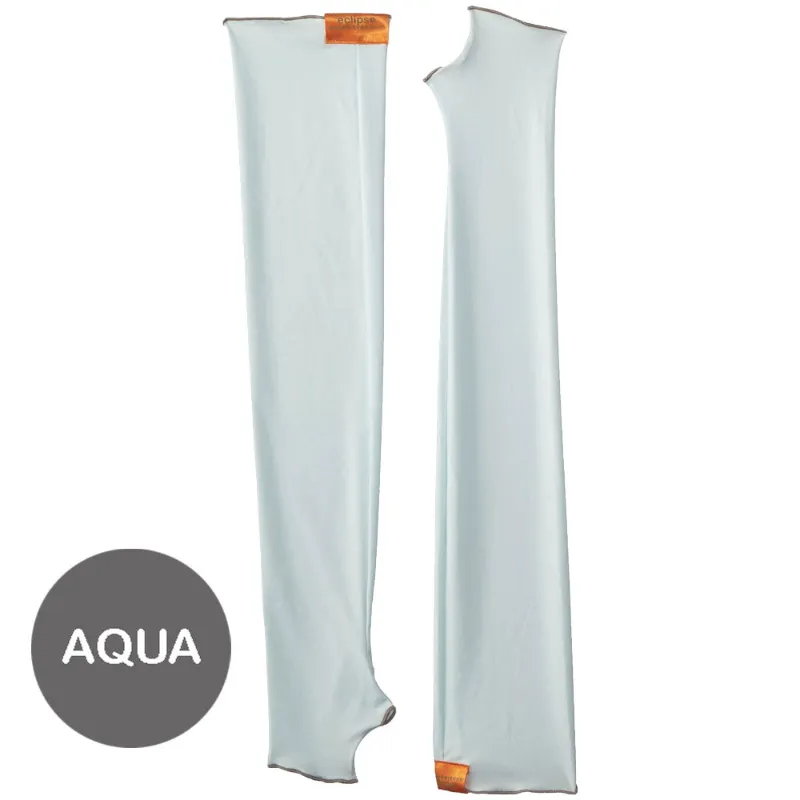
The respi gaiter demonstrates how strategic perforation and moisture-wicking yarn combine to move air while shielding your neck from sun exposure. For additional sun protection on your arms, pair it with cooling arm sleeves that use the same fabric technology.
Cooling designs lose effectiveness in humid conditions where evaporation slows. In those environments, prioritize thin, loose-fitting options over thick technical fabrics.
Hollow-Weave and Mesh Designs: Maximum Airflow
Hollow-core fibers and open-mesh construction deliver the highest breathability by creating physical air channels through the fabric. These gaiters suit high-intensity activities where moisture management matters more than temperature regulation.
Advantages of hollow and mesh construction:
- Air moves freely through the weave, preventing sweat buildup
- Dries in minutes after washing or heavy perspiration
- Weighs less than fleece or dense knits
- Compresses to pocket size for easy storage
Limitations to consider:
- Offers almost no insulation, unsuitable below 60°F
- Sheer fabrics may require darker colors for opacity
- Loose weaves snag more easily on Velcro, branches, or rough gear
- Wind passes through, which feels refreshing in heat but chilling in breezes
The gaiter neck in a perforated style kept our neck dry during a humid 10K while solid fabrics became saturated.
For maximum versatility across seasons, keep both a lightweight mesh option and a gaiter neck fleece in your kit. Switching between them based on forecast and activity takes seconds and dramatically improves comfort.
Material Comparison: What Works for Your Climate
The fabric composition determines not just breathability but also durability, odor resistance, and sun protection. Here is what we learned testing gaiters across different climates and use cases.
Synthetic polyester and nylon:
- Dries fastest, ideal for multi-day trips or sweaty activities
- Holds odor more than natural fibers unless treated
- Most affordable and widely available
- UPF ratings vary; check specs if sun protection matters
Merino wool:
- Naturally regulates temperature in both heat and cold
- Resists odor even after days of wear
- Slower to dry than synthetics
- Costs 2-3x more than polyester equivalents
Bamboo and modal blends:
- Silky feel with good moisture wicking
- Biodegradable and eco-friendly
- Less durable than synthetics, pills faster
- Often blended with polyester for structure
Treated fabrics:
- Permethrin treated clothing repels ticks and mosquitoes, crucial for tick-prone areas
- Treatment lasts 40-70 washes depending on application method
- Adds no weight or bulk to the gaiter
Travel and Leisure highlights similar priorities in their roundup of neck gaiters tested across conditions, emphasizing fabric choice as the primary driver of performance.
Sizing and Fit: How Snug for Best Breathability
A gaiter that fits too tight restricts airflow and feels suffocating during exertion. Too loose and it slides down, bunches awkwardly, or fails to protect your neck from sun and wind.
Fit guidelines by design:
- Fleece gaiters should sit snug but not compress your throat; stretch them over your nose without gaps
- Cooling gaiters work best slightly loose to allow air circulation between fabric and skin
- Mesh designs need a closer fit to prevent flapping in wind but should never feel constricting
Most gaiters use tube construction in one or two sizes. Measure your neck circumference at the Adam’s apple and compare to the manufacturer’s flat-laid width (multiply by 1.8 for stretch circumference). If you fall between sizes, go larger for cooling styles and smaller for fleece.
Check the latest price on multi-packs to test different sizes and fabrics without overspending. Our 10% off code applies sitewide and stacks with clearance pricing on seasonal styles.
Who Should Choose Each Style
Match your gaiter to your primary use case for the best balance of breathability, protection, and comfort.
Choose fleece if you:
- Spend time outdoors in temperatures below 45°F
- Need wind protection for exposed ridges or open terrain
- Prioritize warmth over moisture management
- Engage in low to moderate intensity winter activities
Choose cooling fabric if you:
- Hike, run, or work in temperatures above 70°F
- Sweat heavily and need fast-drying performance
- Want UPF sun protection without insulation
- Live in dry climates where evaporative cooling works well
Choose hollow or mesh if you:
- Demand maximum airflow during high-output activities
- Need the lightest, most packable option
- Prioritize quick drying over any insulation
- Train or compete in hot, humid conditions
For year-round versatility, pair a neck cover in your preferred warm-weather fabric with a dedicated fleece gaiter for cold months. Adding sunblock arm sleeves extends the sun protection system without adding bulk at your neck.
We also recommend keeping a backup in your car or pack. Gaiters weigh under two ounces and compress to nothing, making them easy insurance against unexpected weather shifts. Grab the code to stock up at a discount before your next trip.
Questions
Is a gaiter neck fleece too hot for spring hiking?
Fleece gaiters trap heat and moisture during exertion above 50°F. Switch to a cooling or mesh gaiter for spring hikes unless you stop frequently or expect cold wind at elevation.
Can I wash a cooling neck gaiter without losing its performance?
Yes, cooling gaiters maintain their moisture-wicking properties through dozens of washes. Skip fabric softener, which clogs fibers and reduces breathability.
Do hollow-weave gaiters provide any sun protection?
Some do if rated UPF 30 or higher, but sheer mesh offers minimal UV blocking. Check the product specs or choose a denser weave if sun protection is your priority.
Which gaiter fabric dries fastest after getting soaked?
Hollow-core polyester and open-mesh designs dry in 15 to 30 minutes in warm conditions. Fleece and dense cooling fabrics take 2 to 4 hours depending on humidity.
Should I size up for better airflow in a neck gaiter?
Size up for cooling and mesh gaiters to allow air circulation between fabric and skin. Keep fleece gaiters snug to maintain insulation and wind protection.
Can I layer a cooling gaiter over a fleece one in changing conditions?
Layering gaiters creates bulk and restricts breathability. Carry both and swap them as temperature changes rather than wearing two at once.
Products in this guide
Shopping at Eclipse Glove? See the discount code
10% OFF Sitewide
More in this series
 What to Look for in Sun Gloves: UPF Rating and Coverage Explained3 Sep 20265 minHow Long Does Permethrin Treatment Last on Outdoor Clothing?3 Sep 20265 minDo Cooling Arm Sleeves Actually Lower Skin Temperature?3 Sep 20265 minUV Protection Gloves vs Sun Sleeves: Which Works Better for Driving?3 Sep 20265 minHow to Wash Permethrin Treated Clothing Without Losing Protection3 Sep 20263 min