 A Eclipse Glove guide
What to Look for in Sun Gloves: UPF Rating and Coverage Explained
Sun gloves protect your hands from UV damage, but UPF rating and coverage style determine how well they work.
Sun gloves shield your hands from harmful UV rays during outdoor activities, and the two most important factors are UPF rating and how much skin they cover.
Understanding UPF Ratings in Sun Gloves
UPF (Ultraviolet Protection Factor) measures how much UV radiation penetrates fabric. A UPF 50 rating blocks approximately 98% of UV rays, allowing only 1/50th of the sun’s radiation to reach your skin. This is the gold standard for sun protection gloves.
Look for these UPF benchmarks when shopping:
- UPF 15-24: Good protection, blocks 93-96% of UV rays
- UPF 25-39: Very good protection, blocks 96-97.5% of UV rays
- UPF 40-50+: Excellent protection, blocks 97.5-98%+ of UV rays
Most quality sun protection gloves for driving and outdoor activities carry a UPF 50+ rating. The rating applies only to covered areas, which is why coverage style matters just as much as the number. Check our Eclipse Glove discount code to save on tested options with UPF ratings.
Coverage Styles: Full Finger vs Fingerless Sun Gloves
Coverage determines which parts of your hands receive protection. We’ve found that different activities demand different designs.
Full finger sun gloves cover your entire hand, including fingertips and the back of each finger. These work best for hiking, running, cycling, and extended outdoor exposure where your hands grip poles, handlebars, or are fully exposed to overhead sun. Full-finger designs also pair well with sun sleeves for complete arm-to-fingertip coverage.
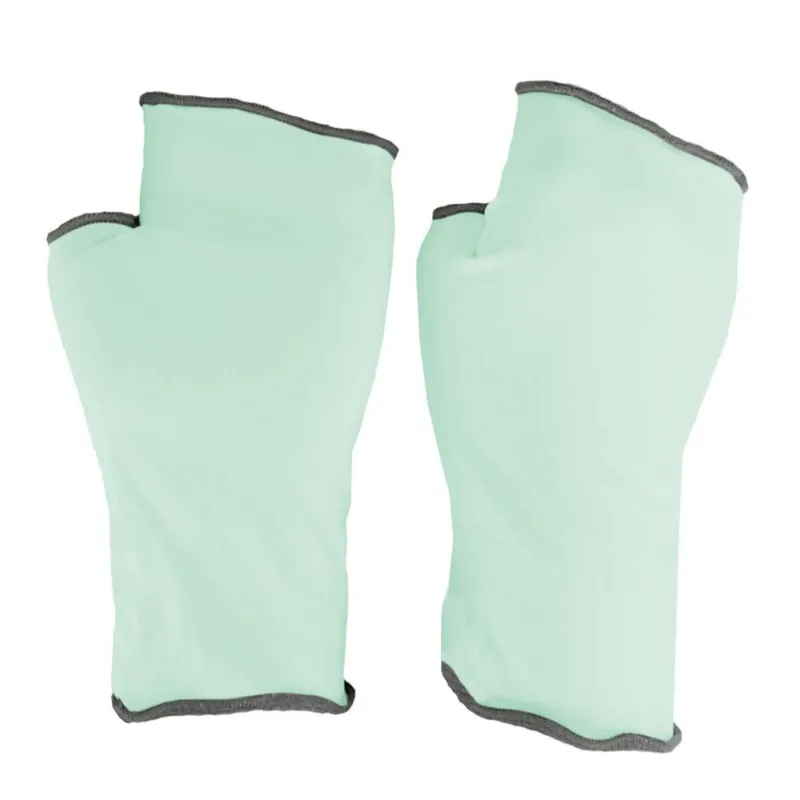
Fingerless or convertible styles leave fingertips exposed for tasks requiring dexterity, like using a phone, handling gear, or precision work. Sun protection gloves for ladies and men in fingerless styles remain popular for driving, where you need to operate controls while protecting the backs of your hands from window-angle sun.
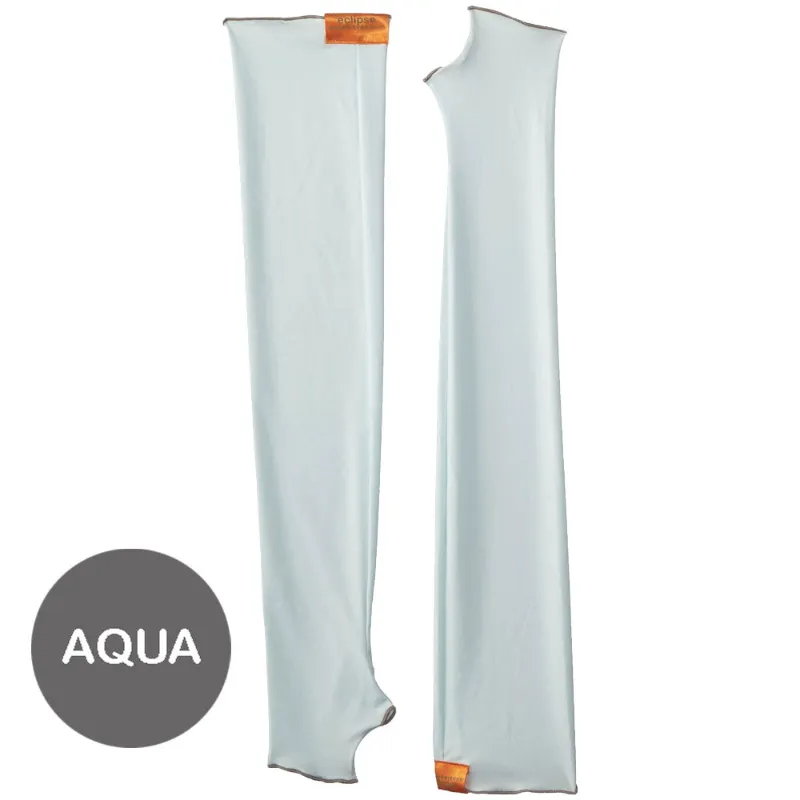
Gauntlet length refers to how far the glove extends up your wrist and forearm. Short-cuff gloves stop at the wrist, while gauntlet styles overlap with long sleeves or arm protection like sunblock arm sleeves to eliminate gaps where skin burns easily.
Material and Weave: What Makes Gloves Breathable and Protective
The fabric construction directly impacts both sun blocking and comfort. Tightly woven synthetic blends offer the best combination of UPF protection and moisture management.
Look for these material features:

- Polyester-spandex blends: Stretch for fit, dry quickly, and maintain UPF ratings when wet
- Nylon meshes: Breathable but verify UPF rating, as loose weaves may drop below UPF 30
- Merino wool blends: Natural odor resistance and temperature regulation for sun gloves hiking applications
- Treated fabrics: Some manufacturers add UV-blocking treatments, similar to permethrin treated clothing for insect protection
Avoid cotton unless it carries a UPF rating. Regular cotton typically provides only UPF 5-10 when dry and even less when wet or stretched. According to testing by outdoor gear experts, synthetic sun gloves maintain consistent protection across conditions better than natural fibers.
Fit and Sizing for Maximum Protection
Poorly fitted gloves create gaps, bunch up during activity, or stretch thin enough to reduce UPF effectiveness. We recommend trying gloves on or checking detailed size charts before buying.
Key fit considerations:
- Snug but not restrictive across the back of the hand
- No bunching between fingers or at knuckles
- Long enough in the fingers that they don’t pull back during gripping
- Secure wrist closure (elastic, Velcro, or extended cuff) that doesn’t leave skin exposed
Best sun gloves for men often run slightly larger in palm width, while sun protection gloves for ladies typically offer narrower finger spacing and shorter palm length. Some brands offer unisex sizing that works well for average hand dimensions.
Extended cuffs should overlap with your shirt sleeve by at least an inch, or pair with cooling arm sleeves to maintain continuous coverage when you raise your arms or reach forward.
Special Features Worth Considering
Beyond UPF rating and coverage, certain features improve real-world usability.
Touchscreen compatibility lets you use your phone without removing gloves. Look for conductive thread woven into fingertips on full finger sun gloves if you need this feature.
Grip enhancement through silicone dots or textured palms helps when holding trekking poles, steering wheels, or paddles. Sun gloves for driving benefit especially from palm grip that prevents slipping on the wheel.

Cooling technology includes moisture-wicking treatments or mesh ventilation zones that help hands stay comfortable in heat. Some cooling neck gaiter designs use similar evaporative cooling that works well in glove form for high-exertion activities.
Reflective elements add visibility for early-morning or evening activities when you’re near roads or trails shared with vehicles.
When to Choose Sun Gloves vs Other Sun Protection
Sun gloves work best when hands receive direct, prolonged exposure. Pair them strategically with other protection for full coverage.
Use sun gloves when:
- Driving for more than 30 minutes with window sun exposure
- Hiking, running, or cycling in open terrain
- Gardening or doing outdoor work where hands are constantly exposed
- Your hands have shown sun damage, age spots, or sensitivity
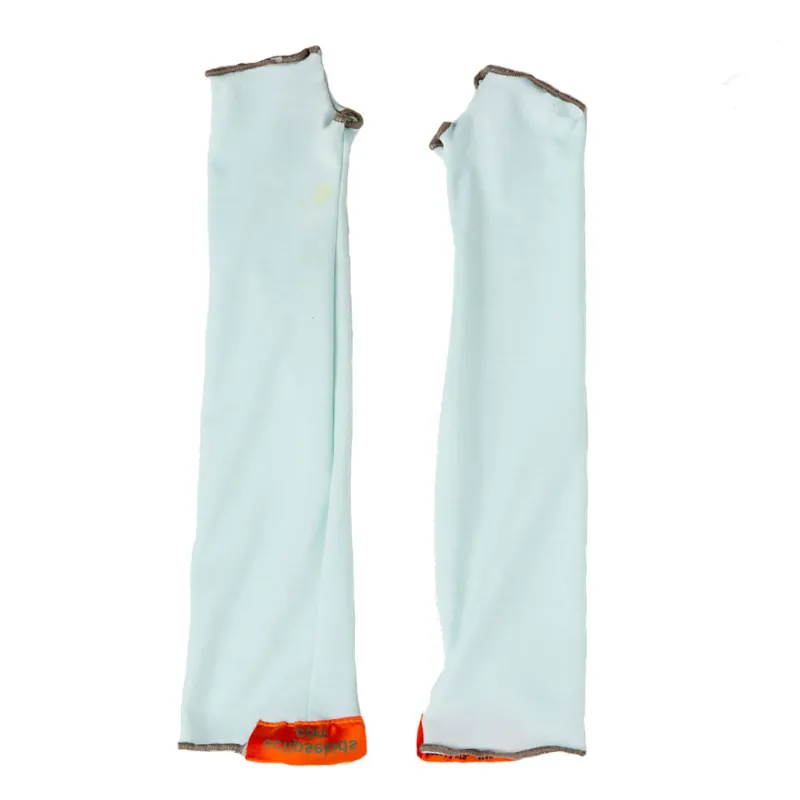
Combine with sleeves sun protection when arms and hands are both exposed. For activities where you need hand dexterity but arm coverage, arm sleeves alone may suffice. If you’re covering your neck with a neck cover or gaiter neck, extending that protection to hands creates a complete upper-body shield.
Grab our discount code for 10% off site-wide when you’re ready to add gloves to your sun protection kit.
Care and Longevity of UV Protection Gloves
UPF ratings can degrade with wear, washing, and sun exposure itself. Proper care extends the protective life of your gloves.
Follow these guidelines:
- Wash in cold water with mild detergent, avoiding bleach or fabric softeners that break down UV treatments
- Air dry rather than machine drying, as high heat can damage elastic fibers and reduce stretch-recovery
- Inspect regularly for thinning fabric, especially across knuckles and between fingers where friction is highest
- Replace when stretched since fabric that’s been permanently stretched allows more UV penetration
Most quality gloves maintain their UPF rating for 40-50 washes or one to two seasons of regular use. If you notice the fabric becoming sheer or losing its original opacity, it’s time to replace them even if they haven’t torn.
Store gloves away from direct sunlight when not in use, as UV exposure continues to break down protective fibers even when you’re not wearing them.
Making Your Choice
The best sun gloves for your needs balance UPF rating, coverage style, material breathability, and fit. For maximum protection, choose UPF 50+ full-finger styles with gauntlet cuffs. For driving or lower-intensity activities, fingerless designs with UPF 40+ and short cuffs offer adequate protection with better dexterity.
Questions
What UPF rating should I look for in sun gloves?
Look for UPF 40 to 50+ for the best protection. UPF 50+ blocks approximately 98% of UV rays and is ideal for extended outdoor activities like hiking or driving. Lower ratings like UPF 25-39 still offer very good protection for shorter exposures.
Do fingerless sun gloves provide enough protection?
Fingerless gloves protect the backs of your hands and wrists but leave fingertips exposed to UV damage. They work well for driving or activities requiring dexterity, but full-finger styles provide more complete protection for hiking or prolonged sun exposure.
Can I wash UV protection gloves without losing the UPF rating?
Yes, but wash them in cold water with mild detergent and air dry. Avoid bleach and high heat, which break down UV-blocking fibers. Most quality gloves maintain their UPF rating for 40-50 washes before needing replacement.
How should sun gloves fit for maximum protection?
Gloves should fit snugly across the back of your hand without bunching at the knuckles or between fingers. The cuff should extend past your wrist and overlap with your sleeve by at least an inch to prevent gaps where skin can burn.
Are sun gloves better than sunscreen for hands?
Sun gloves provide more consistent protection since they don't wear off with water, sweat, or friction like sunscreen does. They're ideal for driving, hiking, or activities where you're gripping equipment and reapplying sunscreen is impractical.
What's the difference between sun gloves for driving and hiking gloves?
Driving gloves often have fingerless designs for steering wheel control and phone use, while hiking gloves typically offer full-finger coverage and added grip features for poles or equipment. Both should have UPF 40+ ratings, but hiking styles prioritize durability and breathability for longer wear.
Products in this guide
 Shopping at Eclipse Glove? See the discount code
10% OFF Sitewide
Shopping at Eclipse Glove? See the discount code
10% OFF Sitewide
More in this series
Best Neck Gaiter for Breathability: Fleece vs Cooling vs Hollow Designs3 Sep 20265 minHow Long Does Permethrin Treatment Last on Outdoor Clothing?3 Sep 20265 minDo Cooling Arm Sleeves Actually Lower Skin Temperature?3 Sep 20265 minUV Protection Gloves vs Sun Sleeves: Which Works Better for Driving?3 Sep 20265 minHow to Wash Permethrin Treated Clothing Without Losing Protection3 Sep 20263 min