 A Eclipse Glove guide
Do Cooling Arm Sleeves Actually Lower Skin Temperature?
Cooling arm sleeves can lower skin temperature by 5 to 10 degrees when moisture-activated fabrics trigger evaporative cooling.
Do Cooling Arm Sleeves Work?
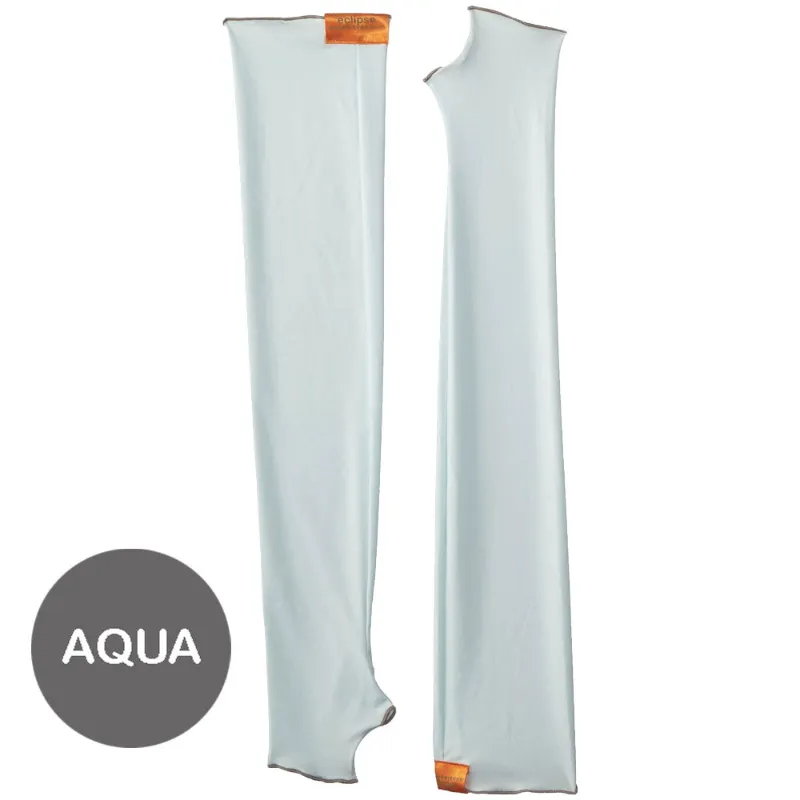
Yes, cooling arm sleeves do lower skin temperature when they use moisture-activated evaporative cooling fabrics. The effect depends on the fabric technology, fit, and whether you activate them properly with water.
Most people assume UV protection and cooling are the same thing, but they work through different mechanisms. Standard sun sleeves block harmful rays with UPF-rated fabric but may trap heat. True cooling varieties add moisture management, ventilation, or phase-change materials to pull warmth away from your skin while still offering sun protection.
How Evaporative Cooling Technology Works
The best cooling arm sleeves rely on evaporative cooling, the same principle that makes sweat effective. When you dampen the fabric with water, it absorbs moisture into its fibers. As air flows over the sleeve, the water evaporates and pulls heat away from your skin, creating a measurable temperature drop.
Performance knit sleeves like the Chill-Its 6690 use engineered weaves that maximize surface area for evaporation. Evaporative cooling works best in dry climates where evaporation happens quickly. In humid conditions, the effect weakens because the air already holds moisture and cannot absorb more from the fabric.
Key factors that boost cooling performance:
- Open-weave construction allows airflow to accelerate evaporation
- Hydrophilic fibers hold water longer without feeling soaked
- Light colors reflect rather than absorb solar radiation
- Snug fit ensures contact with skin for heat transfer
Some sleeves incorporate phase-change materials or chemical cooling agents. Check the listing to see which cooling method a sleeve uses.
Cooling Arm Sleeves vs Sun Protection Sleeves
Not all arm sleeves cool, and the label matters. Here is how the categories break down:
| Feature | UV Sun Protection Sleeves | Cooling Arm Sleeves |
|---|---|---|
| Primary goal | Block UVA/UVB rays | Lower skin temperature |
| Fabric type | Tight weave, UPF 50+ | Open weave, moisture-wicking |
| Best for | Sun exposure, skin protection | Hot weather, physical activity |
| Activation | Wear dry | Dampen with water |
Standard sunblock arm sleeves use dense fabrics that block up to 98% of UV radiation. They protect against sunburn and long-term skin damage but can feel warmer than bare skin because they trap your body heat. We recommend these for driving, casual outdoor time, or when you prioritize cancer prevention over temperature comfort.
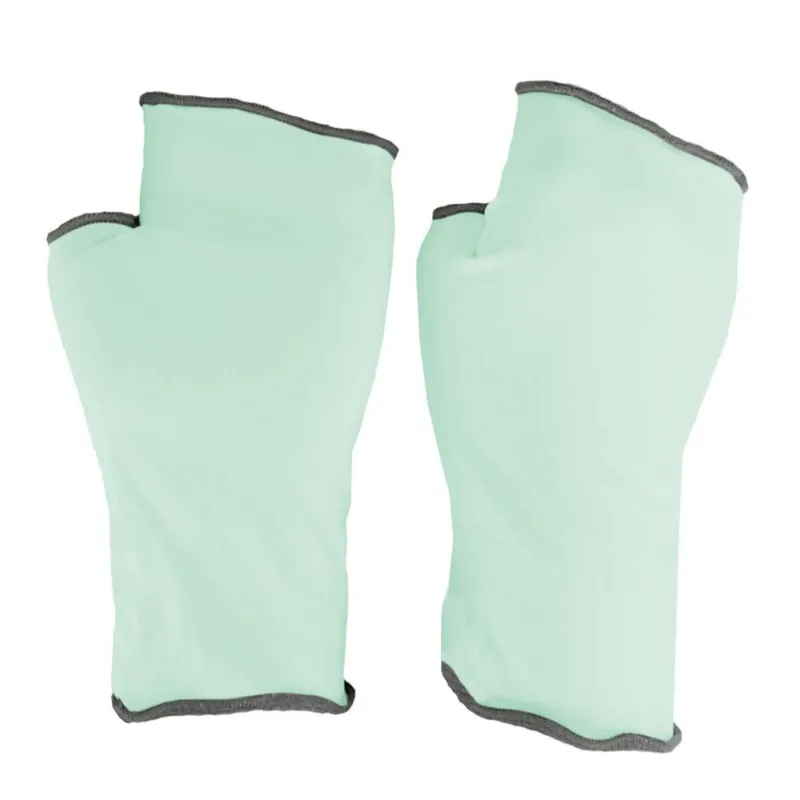
Cooling models flip the script. They often rate at UPF 30 to 50, so you still get sun protection, but the fabric breathes and pulls heat away. Athletes, cyclists, and anyone working outdoors in summer will notice the difference. For maximum benefit, pair uv gloves with cooling sleeves so your hands stay protected without overheating.
If you need both extreme UV defense and cooling, look for hybrid designs that layer a UPF outer shell over a moisture-wicking liner. Check the latest models and grab the code to compare options at Eclipse Glove.
Best Materials for Temperature Reduction
Material choice directly impacts how much cooling you feel.
Polyester blends with spandex dominate the market because they wick sweat, dry quickly, and maintain elasticity through dozens of washes. These work well for running, cycling, and high-output activities where you generate continuous moisture. The downside is they can feel clammy in humid climates.
Nylon mesh offers the lightest feel and maximum airflow. Sleeves made from this material cool aggressively when wet but lose elasticity faster than polyester. We like mesh for short, intense efforts like trail running or mountain biking.
Bamboo and merino blends appeal to users seeking natural fibers. Bamboo stays cool to the touch and resists odor, but it absorbs more water and takes longer to dry. Merino regulates temperature across a wider range but costs significantly more.
Avoid cotton for true cooling performance. It soaks up water but clings to your skin and dries slowly, which can lead to chafing during movement.
For those who also need insect protection during outdoor activities, consider layering your cooling sleeves under permethrin treated clothing or treating them yourself. Permethrin does not interfere with evaporative cooling and adds a layer of defense against ticks and mosquitoes.
How to Maximize Cooling Performance
Cooling arm sleeves work best when you activate and wear them correctly. Here is how to use them:
Before your activity:
- Submerge the sleeves in cool water for 10 to 15 seconds
- Wring out excess so they feel damp, not dripping
- Slide them on immediately while still moist
During use:
- Re-wet every 30 to 60 minutes as the fabric dries
- In dry climates, a quick spray bottle mist extends cooling between full soaks
- Keep sleeves snug but not tight; compression improves contact but restricts airflow if overdone
After your workout:
- Rinse in cool water to remove salt and sweat
- Air dry completely before storing to prevent mildew
- Wash weekly with mild detergent; skip fabric softener, which clogs the fibers
Some cooling arm sleeves have silicone grip bands at the bicep, while others use elastic alone. Check the listing for which one a sleeve uses.
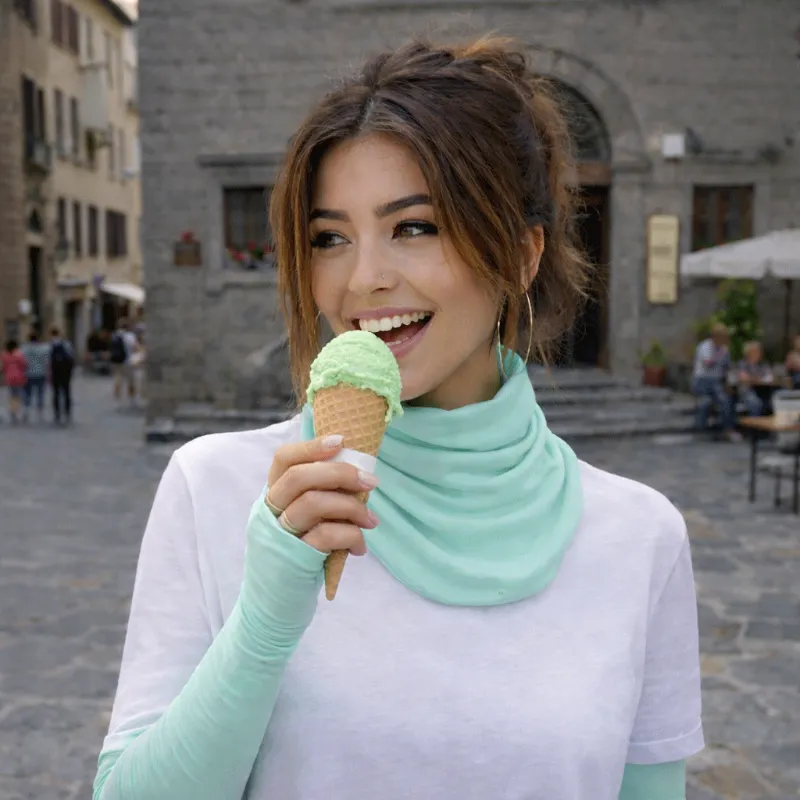
For cooler months or windy conditions, swap to a gaiter neck fleece or neck cover that insulates instead of cooling. The same brands often make both, so you can match your gear to the season.
Who Benefits Most from Cooling Sleeves
We recommend uv sun protection cooling arm sleeves for specific use cases where temperature control and sun defense overlap:
- Cyclists and runners who train in summer heat and want to avoid sunscreen reapplication
- Outdoor workers in construction, landscaping, or agriculture who face all-day sun exposure
- People with tattoos who need UV protection without heavy clothing that traps heat
- Golfers and tennis players who spend hours on exposed courses or courts
- Anyone with sun-sensitive skin who burns easily but finds long sleeves too warm
If you are shopping for the best cooling arm sleeves, see current pricing and our exclusive discount at Eclipse Glove. The store also carries complementary gear like sun gloves and cooling neck gaiter options that extend coverage to your hands and neck.
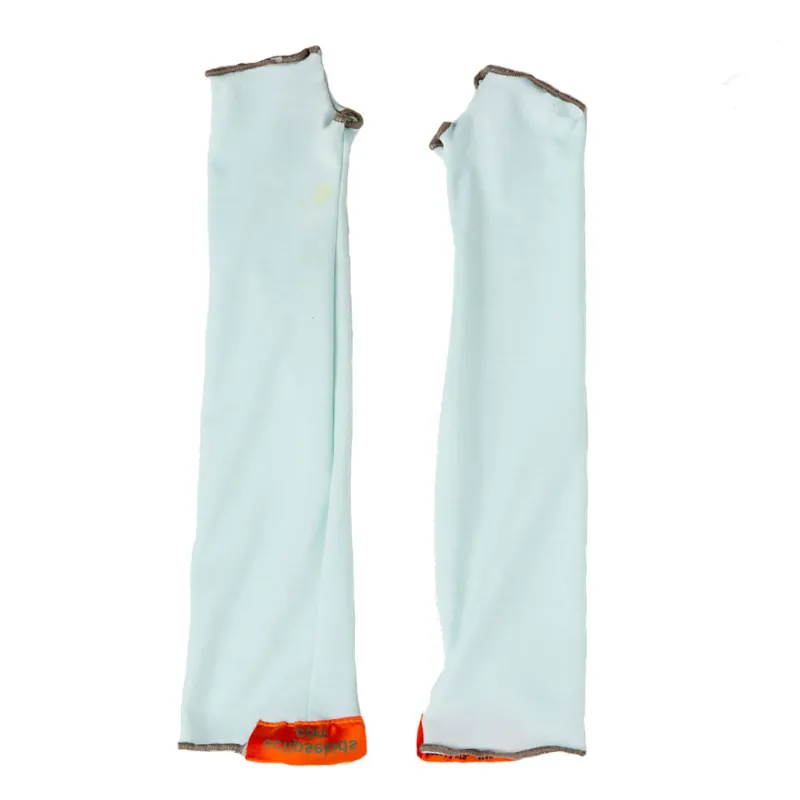
For general sun protection without active cooling, standard sleeves sun models work fine and cost less. Save the moisture-activated styles for situations where heat, not just UV, is the primary concern.
Real-World Performance Expectations
Do cooling arm sleeves work in all conditions? Not equally. Evaporative cooling is strongest in dry, breezy conditions where evaporation happens fast.
In humid regions like the Southeast U.S. in summer, evaporative cooling is weaker because the air cannot carry away as much moisture. In these conditions, lighter colors and open-weave fabrics matter more than in dry climates.
Realistic expectations:
- Reduced sunscreen dependency on covered areas
- Lower risk of heat exhaustion during prolonged outdoor activity
According to testing by Barbend, top-performing models maintain cooling for 60 to 90 minutes per wetting cycle under moderate activity.
One unexpected benefit: cooling sleeves reduce the sticky feeling of sunscreen on your arms. You apply lotion to your hands, shoulders, and face, then let the sleeves handle your forearms. This cuts down on the greasy residue that attracts dirt during outdoor work or play.
For multipurpose coverage, explore options like a respi gaiter or gaiter neck that cool your neck and face using the same evaporative principles. Pairing these with arm sleeves gives you head-to-wrist protection without layering heavy clothing.
Questions
Do cooling arm sleeves actually lower skin temperature?
Yes, cooling arm sleeves can lower skin temperature in dry conditions when the fabric is dampened with water. Evaporative cooling pulls heat away from your skin as moisture evaporates, with the strongest effect in low-humidity environments where evaporation happens quickly.
How long do cooling arm sleeves stay cold?
Most cooling arm sleeves stay noticeably cool for 60 to 90 minutes per wetting cycle during moderate activity. In hot, dry climates you may need to re-wet them every 30 to 45 minutes, while humid conditions can extend the dampness but reduce the cooling effect.
Can I wear cooling arm sleeves without wetting them?
You can wear them dry for basic sun protection, but you will not get the cooling effect. Dry cooling sleeves function like standard UV sleeves and may feel warmer than bare skin because the fabric traps body heat without moisture to trigger evaporation.
Are cooling arm sleeves better than sunscreen?
Cooling arm sleeves provide more consistent UV protection than sunscreen because they do not wear off with sweat or require reapplication. However, you still need sunscreen on exposed skin like your hands, face, and any gaps between the sleeve and your shirt.
Do cooling sleeves work in humid weather?
Cooling sleeves work less effectively in high humidity because the air already holds moisture and cannot absorb as much from the fabric. You will still get sun protection and some moisture-wicking benefit, but the temperature drop will be smaller than in dry climates.
What is the difference between cooling arm sleeves and regular sun sleeves?
Cooling arm sleeves use open-weave, moisture-activated fabrics that lower skin temperature through evaporation, while regular sun sleeves focus on tight-weave UPF fabrics that block UV rays but may trap heat. Cooling models often rate at UPF 30 to 50 and need to be dampened with water for maximum effect.
Products in this guide
Shopping at Eclipse Glove? See the discount code
10% OFF Sitewide
More in this series
What to Look for in Sun Gloves: UPF Rating and Coverage Explained3 Sep 20265 minBest Neck Gaiter for Breathability: Fleece vs Cooling vs Hollow Designs3 Sep 20265 minHow Long Does Permethrin Treatment Last on Outdoor Clothing?3 Sep 20265 minUV Protection Gloves vs Sun Sleeves: Which Works Better for Driving?3 Sep 20265 minHow to Wash Permethrin Treated Clothing Without Losing Protection3 Sep 20263 min