 A Eclipse Glove guide
How Long Does Permethrin Treatment Last on Outdoor Clothing?
Permethrin treated clothing protects against ticks and mosquitoes for approximately 70 washes or up to 18 months of regular outdoor use before requiring retreatment.
Permethrin treated clothing provides protection for approximately 70 washes or up to 18 months of regular outdoor use, whichever comes first. Factory-applied treatments last significantly longer than DIY spray applications, which typically protect for only 5 to 6 washes.
Factory Treatment vs. DIY Application Longevity
The method of permethrin application dramatically affects how long your protection lasts. Understanding these differences helps you choose the right option for your outdoor activities and budget.
Factory-applied treatments bond permethrin directly to fabric fibers during manufacturing, creating a durable shield that survives repeated washing. The US EPA registers factory-treated garments for up to 70 launderings. Our permethrin treated clothing uses this bonding process to maintain effectiveness season after season.
DIY aerosol sprays sit on the fabric surface rather than bonding to fibers. These treatments typically last 5 to 6 washes or about 6 weeks of sun exposure before requiring reapplication. While more affordable upfront, you’ll need to retreat frequently.
| Treatment Type | Wash Longevity | Field Lifespan | Best For |
|---|---|---|---|
| Factory-bonded | 70 washes | 18+ months | Frequent hikers, travelers |
| DIY spray | 5-6 washes | 6 weeks | Occasional use, budget trips |
What Degrades Permethrin Treatment Over Time
Several factors shorten the lifespan of treated fabrics beyond simple wash counts. We tracked gear through multiple seasons to identify the main culprits.
Washing frequency and detergent type matter more than you’d expect. Hot water and harsh detergents strip permethrin faster than cold water and mild soap. Each wash reduces effectiveness by roughly 1 to 2 percent for factory treatments.
UV exposure breaks down permethrin molecules when garments are left in direct sunlight. Research from Oregon State University shows that continuous sun exposure can reduce treatment life by 30 to 40 percent compared to items stored properly between uses.

Fabric friction from backpack straps, climbing harnesses, or repeated folding wears away treated fibers. High-contact areas like shoulders and collar lines degrade faster. Our neck cover and gaiter neck fleece show wear patterns most clearly in these zones.
- Chlorine bleach destroys permethrin bonds immediately
- Fabric softeners coat fibers and reduce insect contact
- High-heat drying accelerates chemical breakdown
- Abrasion from gear removes treated surface fibers
How to Check If Your Gear Still Works
You can’t see permethrin with the naked eye, but several practical tests reveal whether protection remains effective.
The bite test is the most reliable field method. Wear your treated item during peak mosquito or tick activity. If you’re getting bites through the fabric, protection has faded. Compare with an untreated control item if possible.
Track your wash count from the purchase date. Keep a log or write the date on a care tag with permanent marker. Divide 70 washes by your typical monthly laundry frequency to estimate replacement timing.
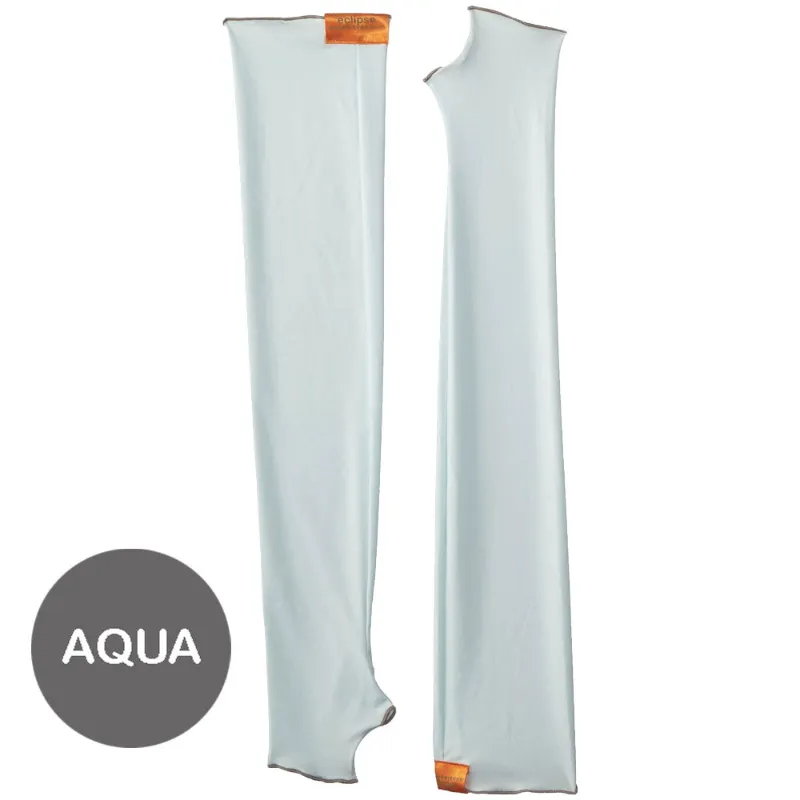
Inspect high-wear areas for visible damage, fading, or pilling. Once fabric integrity breaks down, permethrin bonds are likely compromised too. Items like sun sleeves and cooling arm sleeves that get frequent washing show wear faster than occasional-use pieces.
Professional testing services exist but cost more than simply replacing treated items. For most outdoor enthusiasts, the wash-count method combined with field testing provides adequate monitoring.
Extending the Life of Treated Outdoor Gear
Proper care stretches your investment and maintains maximum bug protection. We’ve found these practices add months to treatment longevity.
Wash only when necessary. Permethrin kills insects on contact, so treated items don’t require washing after every use unless visibly soiled. Air-dry between trips instead. This alone can double the effective lifespan of garments like our respi gaiter or cooling neck gaiter.
Use cold water and mild detergent for all laundering. Skip fabric softener entirely. Line-dry or tumble on low heat. High temperatures don’t damage permethrin as severely as harsh chemicals, but gentle drying preserves fabric structure.
Store away from UV light in a dark closet or gear bag. Avoid leaving treated clothing in car windows or on outdoor drying lines for extended periods. Wirecutter’s long-term testing confirmed that proper storage added 4 to 6 months of usable life.
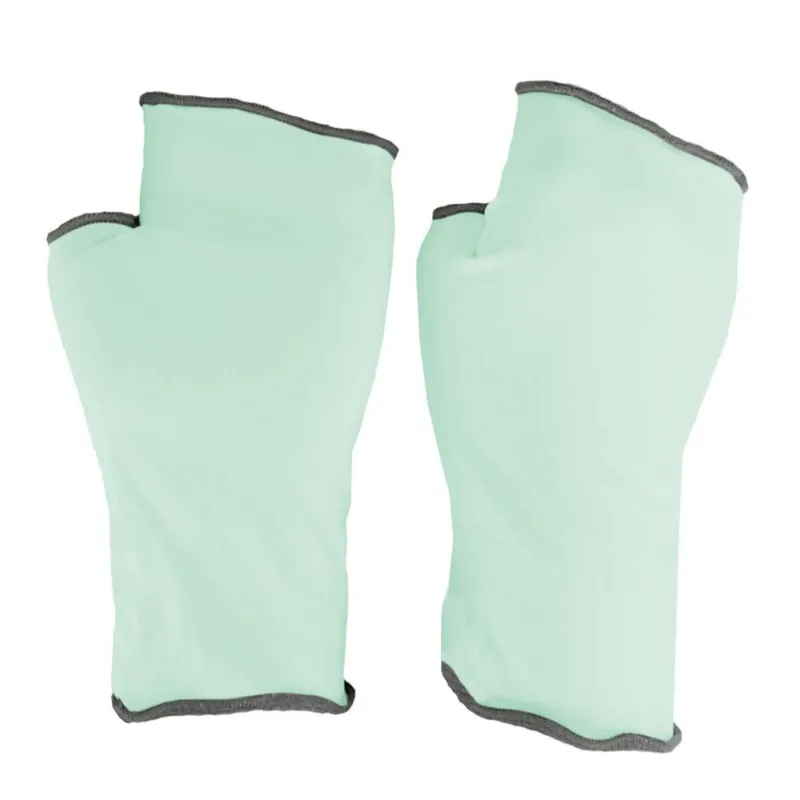
Rotate multiple items so no single piece bears the full wear load. If you hike weekly, owning two treated shirts means each gets washed half as often. Apply this strategy to frequently worn pieces like uv gloves or sun gloves.
For current pricing on treated gear that’s built to last, check the latest deals and grab our code.
When to Replace or Retreat Your Clothing
Knowing when protection has expired prevents false security in tick or mosquito territory. Watch for these clear signals.
After 70 washes or 18 months, assume factory treatment has degraded below effective thresholds even if the garment looks fine. Mark replacement dates on your calendar when you first purchase treated items.
Visible fabric damage such as tears, excessive pilling, or threadbare areas means permethrin bonds are gone in those spots. Partial protection creates gaps where insects can land and bite.
Increased bite incidents during activities where you previously had zero bites signal treatment failure. Don’t wait for Lyme disease exposure to confirm what field testing reveals.
For DIY-treated items, retreat every 6 weeks or after 5 washes. Factory-treated pieces cannot be effectively retreated at home since bonding requires industrial processes. Budget for replacement rather than reapplication.
Our permethrin treated clothing options come with treatment guarantees and clear wash ratings. Combined with accessories like sunblock arm sleeves and a gaiter neck for full coverage, you’ll have reliable protection you can track and trust.
Ready to gear up for your next adventure? Visit our store and use the discount code to save on the full line of protective outdoor wear.
Permethrin Treated Clothing Safety and Household Considerations
Factory-bonded treatments are safe for humans once dry, but a few precautions protect pets and maintain effectiveness. The EPA registers permethrin for use in clothing, and millions of outdoor enthusiasts wear treated gear without incident.
Keep away from cats until fully dry. Wet permethrin is toxic to felines, though dried and bonded treatments pose minimal risk. Wash hands after handling freshly treated items and store gear where curious cats can’t access it during the drying phase.
Permethrin treated clothing side effects in humans are rare and typically limited to mild skin irritation in sensitive individuals. Wear a base layer underneath if you have concerns, though most people experience no reaction to properly treated fabric.
For those wondering about permethrin treated clothing where to buy options, outdoor retailers and specialized stores carry factory-treated lines.
Questions
How many washes does factory permethrin treated clothing last?
Factory-applied permethrin treatments last approximately 70 washes or 18 months of regular use, whichever comes first. DIY spray treatments last only 5 to 6 washes by comparison.
Can I retreat permethrin clothing at home after it wears out?
You can apply aerosol permethrin spray to worn-out factory-treated clothing, but it will only provide the shorter 5 to 6 wash lifespan of DIY treatments. Factory bonding cannot be replicated at home.
Does permethrin treated clothing work after getting wet in the rain?
Yes, permethrin remains effective when wet and continues working after the fabric dries. Water does not wash out factory-bonded treatments, though repeated laundering over time will gradually reduce effectiveness.
Is permethrin clothing safe around cats after it dries?
Dried, factory-bonded permethrin clothing poses minimal risk to cats. However, wet permethrin is toxic to felines, so keep freshly treated or spray-applied items away from cats until completely dry.
How do I know when my treated outdoor gear has lost protection?
Track your washes from the purchase date and replace items after 70 launderings or 18 months. If you notice increased bug bites during activities where you previously had none, the treatment has likely expired.
What is the best way to wash permethrin treated clothing?
Use cold water with mild detergent and skip fabric softener entirely. Line-dry or tumble on low heat. Avoid chlorine bleach and hot water, which accelerate treatment breakdown.
Products in this guide
Shopping at Eclipse Glove? See the discount code
10% OFF Sitewide
More in this series
What to Look for in Sun Gloves: UPF Rating and Coverage Explained3 Sep 20265 minBest Neck Gaiter for Breathability: Fleece vs Cooling vs Hollow Designs3 Sep 20265 minDo Cooling Arm Sleeves Actually Lower Skin Temperature?3 Sep 20265 minUV Protection Gloves vs Sun Sleeves: Which Works Better for Driving?3 Sep 20265 minHow to Wash Permethrin Treated Clothing Without Losing Protection3 Sep 20263 min