 A Benny Bradley's guide
How to Use a Potty Watch for Effective Toilet Training
A potty watch toilet training timer helps toddlers learn bathroom routines by vibrating or beeping at set intervals, turning unpredictable schedules into consistent habits.
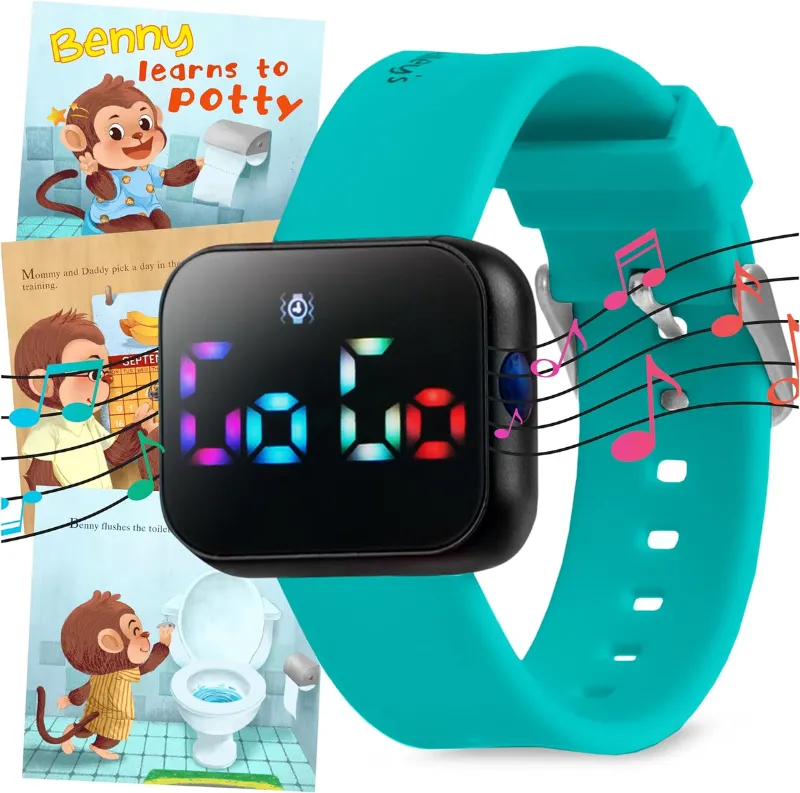
A potty watch toilet training timer works by setting regular reminders that prompt your toddler to try the bathroom, building routine and reducing accidents during the learning phase.
What a Potty Watch Does During Toilet Training
A potty watch is a wearable timer your child wears on their wrist. You set it to vibrate, flash, or play a tune every 30, 60, or 90 minutes, whatever interval matches your child’s natural bathroom rhythm. The regular cue helps toddlers recognize when it is time to pause play and head to the potty, especially during those early weeks when body signals are still unfamiliar.
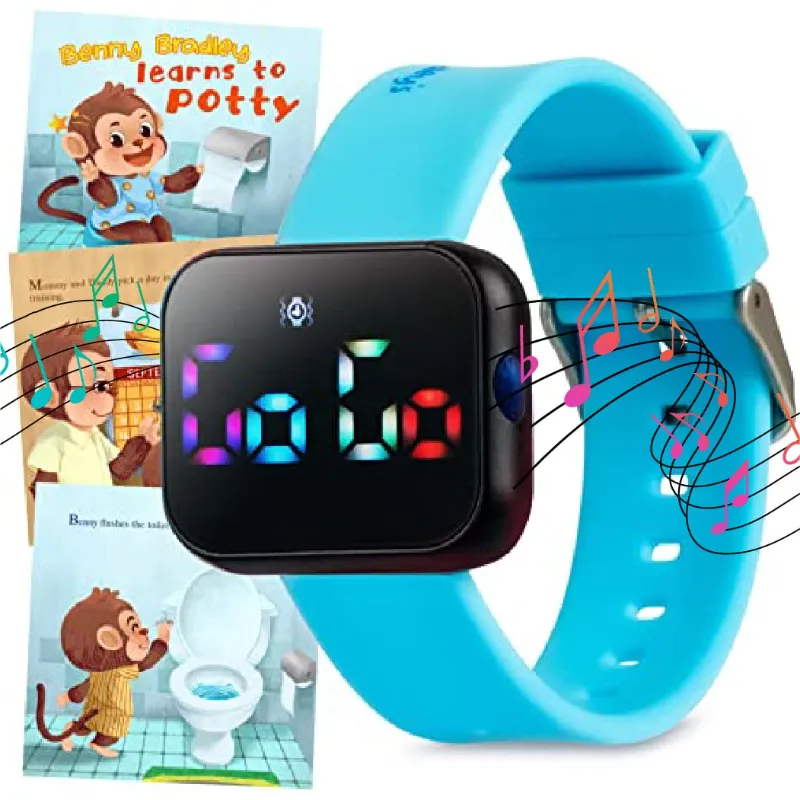
Most potty watch toilet training devices are colorful, water-resistant, and feature characters or lights that appeal to young kids. The goal is to make the reminder fun rather than nagging, so your child sees the watch as a helper instead of a chore.
When shopping for one, check the latest price at Benny Bradley’s to see current models and grab the sitewide discount code before you buy.
Setting Up Your Potty Watch for Success
Start by choosing an interval that reflects your child’s accident pattern. If accidents happen roughly every hour, set the watch for 60 minutes. If your toddler can hold longer, try 90 minutes. The key is consistency: the watch should remind them *before* urgency hits, not after.
- Morning kickoff: Put the watch on right after breakfast, when routines are fresh and your child is alert.
- Pair with a song or phrase: When the watch vibrates, use the same cue every time, “Potty time!”, so the signal becomes automatic.
- Adjust as progress builds: After a week of dry intervals, stretch the timer by 15 minutes to build bladder capacity gradually.
- Keep it on during outings: The watch is especially helpful at parks or playdates, where distractions run high and bathroom access is less predictable.
Frequent tweaks confused the routine rather than reinforcing it.
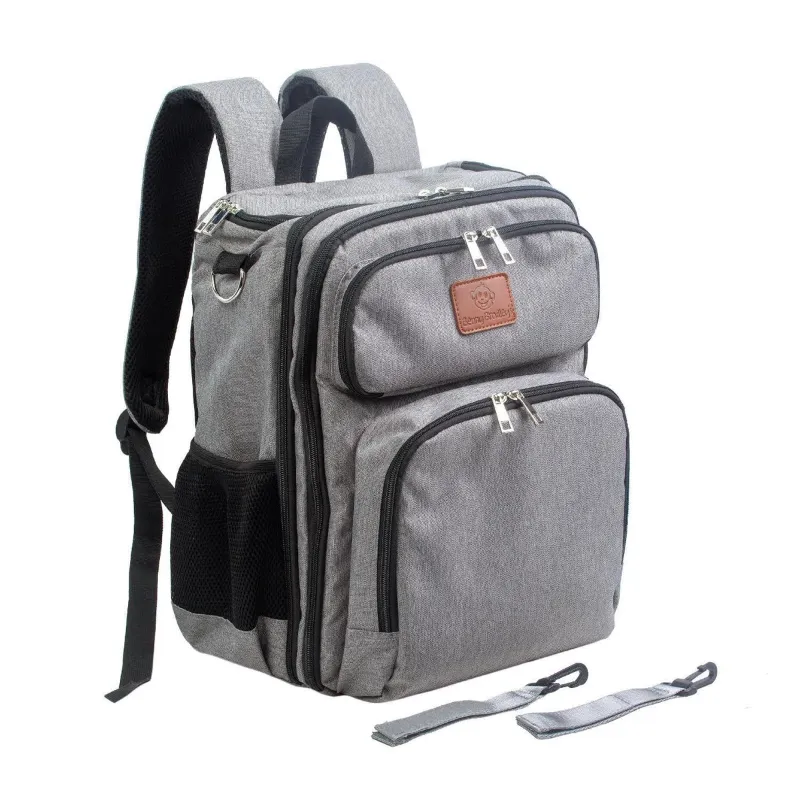
For parents juggling multiple kids, a diaper bag with insulated pocket makes outings easier by keeping snacks and bottles organized while you manage potty breaks on the go.
How Potty Watch Toilet Training Compares to Other Methods
Toilet training methods vary widely, and a potty watch fits best for families who value structure and gentle independence. Here is how it stacks up against common alternatives.
| Method | Best For | Drawback |
|---|---|---|
| Potty watch timer | Toddlers who ignore verbal reminders; busy households | Requires child to keep watch on; battery maintenance |
| Timed parent prompts | Attentive schedules; stay-at-home routines | Easy to forget during distractions or errands |
| Child-led readiness | Relaxed timelines; older toddlers | Can take months longer; relies on child initiative |
The watch works especially well for toddlers between 24 and 36 months who are physically ready but lack the self-awareness to pause activities. The Top Potty Training Watches for Toddlers reviews several popular designs and their ideal age ranges, which can help you choose a model that fits your child’s wrist size and attention span.
If you prefer a hands-free approach at home, you can also combine the watch with a potty watch amazon backup so one stays clean while the other is in the wash.
Real Scenarios Where a Potty Watch Shines
Three scenarios come up often for families using a potty watch.
Daycare and preschool transitions: Teachers manage multiple children and cannot always track individual schedules. A vibrating watch lets your child self-initiate bathroom trips, which preschools appreciate and which builds confidence.
Travel and visits: New environments disrupt routines. The watch keeps the interval steady even when grandma’s house or a hotel room replaces the familiar bathroom at home.
Sibling chaos: When a younger baby needs frequent attention, the watch ensures your toddler still gets timely potty prompts without waiting for you to remember between diaper changes. Pair it with a diaper bag with cooler to keep bottles and snacks organized during outings, so you can focus on the training routine.
Troubleshooting Common Potty Watch Challenges
Even the best tools hit snags. Here is how to solve the most frequent issues.
- Child refuses to wear it: Let them pick the color or character design at the store. Ownership matters. Some families also let the child “train” a stuffed animal with a pretend watch first.
- False alarms or missed signals: Check the battery weekly and test the vibration strength. Some models let you adjust intensity, which helps if your child plays rough or is a deep sleeper during nap intervals.
- Over-reliance on the watch: After three to four weeks of success, start verbally prompting *before* the watch beeps, then gradually phase the watch to outings only. The goal is internalized awareness, not permanent dependence.
- Accidents still happen: The watch is a cue, not a guarantee. Stress, illness, or distraction can override the signal. Stay patient and adjust intervals if you notice a pattern.
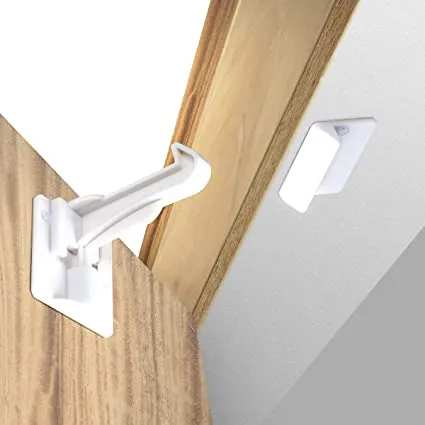
If you are managing other toddler-proofing tasks alongside training, an invisible cabinet lock keeps cleaning supplies out of reach while you focus on bathroom consistency.
Pairing the Potty Watch with Other Training Supports
A potty watch works best as part of a broader system, not as a solo fix. We recommend layering it with these supports for faster results.
- Visual chart: Pair each successful potty trip with a sticker. The watch reminds, the chart rewards.
- Portable potty seat: Keep a foldable seat in your car or diaper bag cooler so public restrooms feel less intimidating when the watch beeps on errands.
- Consistent caregiver language: Everyone who watches your child (partners, grandparents, sitters) should use the same phrases and intervals so the routine does not break.
- Hydration tracking: Offer water at regular times so bladder patterns stay predictable and the watch intervals stay accurate.
Grab the code at Benny Bradley’s for 10% off sitewide, which covers potty watches and any backup training supplies you need in one order.
This review of the best toilet training potty watch for stress-free outcomes and noted that kids who felt in control of the process (choosing their watch, picking their reward) stayed motivated longer than those who felt pressured.
When to Transition Away from the Watch
Most toddlers naturally outgrow the watch between three and four months of consistent use. Signs your child is ready to stop include multiple dry days without reminders, self-initiated bathroom trips before the watch beeps, and verbal confirmation that they feel the urge without prompting.
Phase out gradually: move the watch to outings only, then to new environments like vacations, then retire it completely. Some families keep it as a backup for long car rides or during illness, when routines slip and a gentle nudge helps.
If your household is still managing younger siblings, a lazy susan cabinet lock keeps kitchen chemicals secure while you focus energy on the final stages of training independence.
The potty watch toilet training approach is not magic, but it is one of the few tools that transfers responsibility from parent to child in a tangible, wearable form. Consistency, patience, and the right interval are what make it work.
Questions
How often should I set the potty watch to go off?
Start with 60-minute intervals if your toddler has accidents roughly every hour, or 90 minutes if they can hold longer. Adjust based on your child's pattern after a few days of observation.
What age is best for using a potty watch toilet training timer?
Most potty watches work best for toddlers between 24 and 36 months who are physically ready but need help recognizing bathroom cues. Younger toddlers may not understand the signal, while older ones often self-initiate without a timer.
Will my child become dependent on the potty watch?
Not if you phase it out gradually. After three to four weeks of success, start verbal prompts before the watch beeps, then limit the watch to outings only, and finally retire it once self-initiated trips become consistent.
Can I use a potty watch at daycare or preschool?
Yes, and many teachers appreciate it. A vibrating watch lets your child self-initiate bathroom trips without relying on staff to track individual schedules, which builds independence and reduces accidents during group activities.
What if my toddler refuses to wear the watch?
Let them choose the color or character design to build ownership. You can also practice by having them train a stuffed animal with a pretend watch first, which makes the real watch feel like a privilege rather than a rule.
Do I need to buy multiple potty watches?
One is usually enough, but a backup is helpful if you want one in the wash while the other is in use, especially during the messy early weeks of training.
Products in this guide
Shopping at Benny Bradley's? See the discount code
10% OFF Sitewide
More in this series
What to Look for in a Diaper Bag with a Built-In Cooler25 Aug 20266 minHow Long Does It Take to Potty Train with a Potty Watch?25 Aug 20265 minDo Diaper Bags with Insulated Pockets Keep Bottles Cold Enough?25 Aug 20264 minInvisible vs Lazy Susan Cabinet Locks: Which Is Right for Your Home?25 Aug 20266 min