 A Benny Bradley's guide
What to Look for in a Diaper Bag with a Built-In Cooler
A diaper bag with cooler keeps bottles and snacks fresh on the go, but insulation quality and pocket design make all the difference.
A diaper bag with cooler keeps bottles, breast milk, and snacks at the right temperature while you’re out with your baby.
Whether you’re running errands for an hour or spending the day at the park, the right cooler compartment makes feeding on the go seamless. Here’s what separates a genuinely useful insulated bag from one that disappoints.
Why the Cooler Compartment Matters More Than You Think
Most parents underestimate how much time bottles and pumped milk spend in a diaper bag. A weak cooler means you’re constantly hunting for refrigeration or tossing spoiled milk. A well-designed compartment, on the other hand, holds temperature for four to six hours and gives you real flexibility.
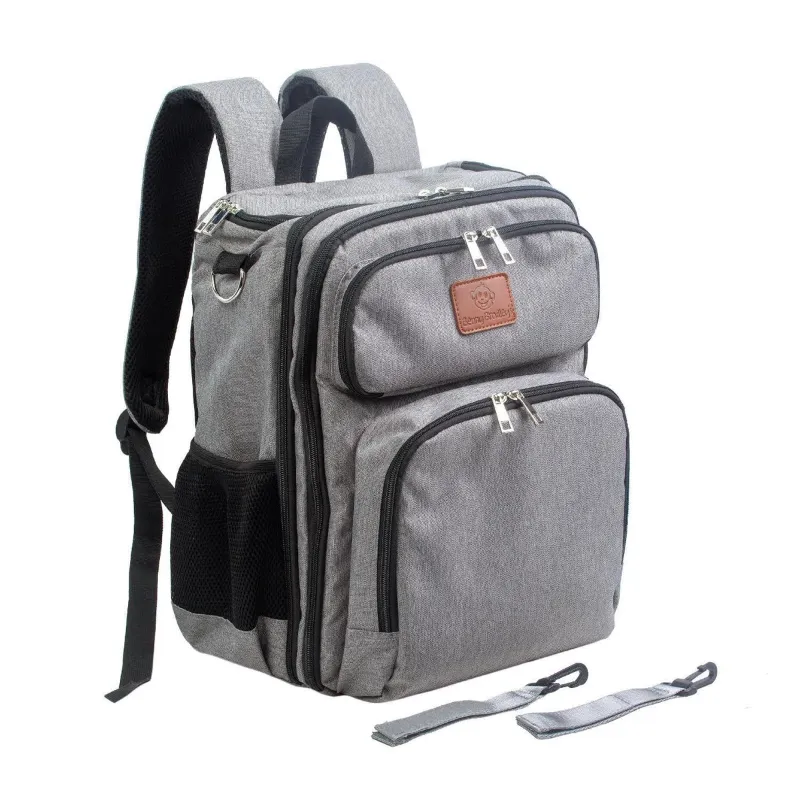
The diaper bag with cooler we recommend features aluminum-lined insulation that outperforms basic foam liners. When you’re comparing options, check whether the brand specifies the lining material. Aluminum and food-grade PEVA liners maintain temperature longer than generic polyester pockets labeled “insulated.”
- Separate vs. integrated: Some bags build the cooler into the main compartment; others use a removable insulated pouch. Removable pouches are easier to clean and can double as a lunch bag later.
- Zipper quality: A cooler with a flimsy zipper leaks cold air. Look for waterproof zippers or double-pull designs that seal tightly.
- Size: Count how many bottles or milk bags you typically carry. A cooler that holds two 8 oz bottles is fine for short trips, but all-day outings need space for four to six bottles plus ice packs.
Insulation Type and Temperature Hold
Not all insulation performs equally. We’ve seen bags that claim to be “insulated” but use a single layer of thin foam that barely keeps contents cool for an hour. Real thermal performance requires multiple layers or reflective materials.
Aluminum foil lining reflects heat away from the contents and is standard in quality cooler bags. PEVA (polyethylene vinyl acetate) is another reliable option that’s non-toxic and easy to wipe clean. If a brand doesn’t specify the lining, assume it’s basic foam.
For reference, The 5 Best Diaper Bags in 2026 | Reviews by Wirecutter tested temperature retention and found that bags with dual-layer insulation kept milk below 40°F for up to six hours with a standard ice pack. Single-layer bags typically lasted two to three hours.
A diaper bag with insulated pocket gives you a dedicated space that won’t mix warm diapers with cold bottles. Look for pockets that are deep enough to fit a small ice pack alongside your bottles.
Pocket Layout and Access
Even the best cooler is frustrating if you have to unpack half the bag to reach it. External cooler pockets or top-access designs let you grab a bottle quickly, which matters when you have a hungry baby and your hands are full.
What to look for:
- Front or side placement: External cooler pockets are faster to access than interior compartments buried under clothes and diapers.
- Wide openings: A narrow zipper makes it hard to fit wide bottles or see what’s inside. An opening at least 6 inches wide is ideal.
- Mesh or clear panels: Interior mesh helps you spot the right bottle without digging.
While these bags excel in style and organization, not all include robust cooler compartments. If temperature control is a priority, verify the insulation specs before choosing a fashion-forward option.
Material Durability and Cleaning
Spills are inevitable. Leaking bottles, melted ice packs, and sticky snack residue all end up in the cooler pocket, so the lining needs to handle moisture and wipe clean without trapping odors.
Best materials:
- PEVA or TPU linings: Both are waterproof, BPA-free, and resistant to mildew. They wipe clean with a damp cloth and don’t absorb smells.
- Removable liners: Some cooler compartments unzip completely or pull out, making it easy to rinse and air-dry.
- Antimicrobial coatings: A few premium bags treat the lining to resist bacteria. It’s a nice bonus but not essential if you clean the bag regularly.
Outer fabrics like nylon or polyester canvas are durable and water-resistant, which protects the cooler if your water bottle leaks in the main compartment. Check if the bag is machine washable or spot-clean only. Machine-washable bags save time, though you’ll usually need to remove any structured inserts first.
Capacity: Matching the Cooler to Your Routine
Cooler size should match how long you’re typically out and how many children you’re packing for. A compact insulated pouch works for a two-hour morning errand, but a full day requires serious capacity.
Size guide:
- Small (2 to 3 bottles): Fine for quick trips or formula-fed babies who take smaller, more frequent bottles.
- Medium (4 to 5 bottles): Handles most half-day outings or one baby plus toddler snacks.
- Large (6+ bottles or milk storage bags): Best for all-day adventures, pumping moms, or multiples.
Consider whether you’ll also pack snacks, yogurt pouches, or teething toys that need to stay cool. A cooler with adjustable dividers or elastic loops keeps bottles upright and prevents items from shifting.
For current pricing and to grab the code for 10% off, visit Benny Bradley’s store page. Their selection includes multiple cooler sizes to fit different routines.
Features Worth Paying Extra For
Budget bags often skimp on details that make daily use easier. If you’ll rely on the cooler daily, a few upgrades pay off quickly.
Premium features:
- Insulated bottle pockets on the exterior: Separate from the main cooler, these keep one bottle ready to grab while the rest stay packed.
- Included ice packs: Some bags come with custom-fit gel packs that maximize space and won’t shift around.
- Leak-proof zippers: Waterproof or rubberized zippers prevent condensation from seeping into the main bag.
- Convertible carry options: Backpack straps, stroller clips, and crossbody options make it easier to carry a heavier bag when it’s fully loaded.
The Best Diaper Bags | Tested & Ranked highlights that insulated bottle pockets on the bag’s exterior score highest for convenience, especially when you’re juggling a car seat and groceries.
If you’re comparing several models, check whether the cooler is advertised by volume (liters) or bottle count. Bottle count is more useful, but make sure the brand specifies bottle size (slim 4 oz vs. wide 9 oz bottles take up very different space).
How to Test Before You Commit
If possible, pack the bag with your actual bottles, ice packs, and typical gear before heading out for the first time. This helps you spot deal-breakers like a cooler that’s too shallow or a zipper that snags.
Quick test:
- Pack the cooler with bottles and an ice pack, then leave it in a warm room (or your car) for three hours.
- Check the bottle temperature. Breast milk should stay below 40°F; formula below 50°F is acceptable for short trips.
- Inspect for condensation inside the main compartment. A good cooler seals moisture inside.
If the bag underperforms, most retailers accept returns within 30 days. Don’t settle for a cooler that barely works, you’ll use this bag daily for months, and frustration adds up quickly.
Ready to compare options? Check the latest price and current inventory at Benny Bradley’s to see which diaper bags with coolers are in stock. You can also read real parent feedback at community forums like this discussion on What to Expect, where parents share which cooler sizes worked for their routines.
A well-chosen bag makes outings smoother, keeps feeding stress-free, and lasts well beyond the baby stage. Focus on insulation quality, smart pocket placement, and a size that matches your day-to-day needs, and you’ll have a bag that actually earns its spot in your routine.
Questions
How long does a diaper bag with cooler keep bottles cold?
A quality insulated diaper bag with aluminum or PEVA lining typically keeps bottles cold for four to six hours when paired with an ice pack. Basic foam-lined pockets usually last only two to three hours, so check the lining material before buying.
Can I use a diaper bag cooler for breast milk storage?
Yes, as long as the cooler maintains a temperature below 40°F. Pack milk storage bags flat with a gel ice pack, and test the temperature after a few hours to confirm your bag holds cold adequately. Removable insulated pouches work especially well for pumping moms.
Do I need a separate insulated pocket or a removable cooler pouch?
Removable pouches are easier to clean and can be used independently as a lunch bag later. Built-in insulated pockets save space and keep the bag's profile slimmer. Choose based on whether you prioritize convenience or compactness.
What size cooler do I need for a full day out with my baby?
Plan for four to six bottles or equivalent space for milk storage bags, snacks, and a large ice pack. Smaller two- to three-bottle coolers work for short errands but won't support all-day trips or pumping schedules.
Are designer diaper bags like Lululemon or Dagne Dover good for cooler storage?
Many designer bags prioritize style and organization over heavy-duty insulation. If temperature control is critical, verify the cooler lining material and read reviews specifically about thermal performance before choosing a fashion-focused brand.
How do I clean a diaper bag cooler that smells like sour milk?
Wipe PEVA or TPU linings with a solution of equal parts water and white vinegar, then air-dry completely. Removable liners can often be rinsed under running water. For persistent odors, sprinkle baking soda inside, let it sit overnight, then vacuum or wipe it out.
Products in this guide
Shopping at Benny Bradley's? See the discount code
10% OFF Sitewide
More in this series
 How Long Does It Take to Potty Train with a Potty Watch?25 Aug 20265 minDo Diaper Bags with Insulated Pockets Keep Bottles Cold Enough?25 Aug 20264 min
 Invisible vs Lazy Susan Cabinet Locks: Which Is Right for Your Home?25 Aug 20266 minHow to Use a Potty Watch for Effective Toilet Training25 Aug 20265 min