 A Benny Bradley's guide
Do Diaper Bags with Insulated Pockets Keep Bottles Cold Enough?
A diaper bag with insulated pocket can keep bottles cold for 2 to 4 hours depending on insulation quality, outside temperature, and how often you open it.
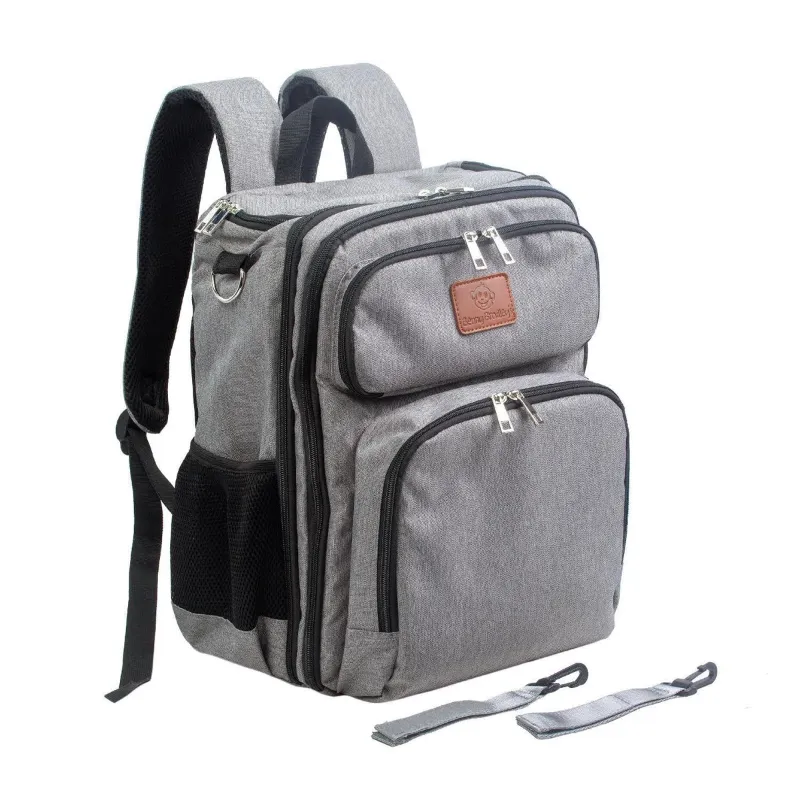
A diaper bag with insulated pocket keeps bottles cold for a limited time, depending on insulation quality, outside temperature, and how often you open it. Most insulated pockets use foam or foil linings that slow heat transfer, but they are not true coolers. For longer outings or hot days, we recommend pairing your diaper bag with insulated pocket with ice packs and checking our discount code for 10% off.
What Makes an Insulated Pocket Actually Work
Not all insulated pockets are created equal. The best performers combine three elements:
- Thick foam insulation (at least 5 mm) that wraps all sides of the pocket, not just the front panel
- Reflective foil or aluminum lining that bounces radiant heat away from bottles
- A zipper or flap closure that seals tightly to prevent warm air from entering
Bags marketed as a diaper bag with cooler typically add these features, while budget models often skimp on insulation thickness or use single-layer fabric.
The material of the outer shell also matters. Water-resistant nylon or polyester holds up better in heat than canvas, which absorbs warmth and transfers it inward. Wirecutter’s diaper bag testing confirms that construction quality directly impacts temperature retention.
How Long Will Bottles Stay Cold in Practice
How long bottles stay cold depends on the insulation, the weather, whether you add an ice pack and how often you open the pocket.
Every time you unzip the compartment, warm air floods in, so open it as little as you can.
If you are out longer than four hours, consider a dedicated diaper bag cooler with thicker insulation designed for extended temperature control. Standard insulated pockets work for quick errands, playground visits, or short car trips, but they are not replacements for a hard cooler.
Ice Packs vs. No Ice Packs: The Temperature Gap
Adding a slim ice pack makes the difference between a cold bottle and a warm one. We recommend flat gel packs that fit snugly around bottles rather than bulky block ice, which takes up space and can leak as it melts.
Freeze your bottles partially (leave room for expansion) if you will be out for more than two hours. The frozen liquid acts as its own ice pack and thaws slowly.
Who Should Prioritize Insulated Pockets
An insulated pocket is essential if you:
- Bottle-feed on the go and need to keep formula or breast milk chilled until feeding time
- Spend time outdoors at parks, beaches, or events where refrigeration is not available
- Commute or travel with your baby and want to avoid carrying a separate cooler
Parents who mostly stay home or have access to a fridge within an hour do not need heavy-duty insulation. A simple diaper bag with insulated pocket handles quick trips to the pediatrician or grocery store without adding bulk.
For reference, Forbes’ parent-tested diaper bag roundup highlights insulated pockets as a top feature for active families, while BabyGearLab’s rankings note that many high-scoring bags now include them as standard.
Materials That Hold Temperature Best
Look for these material combinations:
- PEVA or EVA foam lining with reflective backing (common in mid-range bags)
- Closed-cell foam insulation (the same material used in lunch boxes and soft coolers)
- Waterproof inner lining that prevents condensation from soaking through to other compartments
Avoid bags that advertise “thermal pockets” but use only a thin silver-coated fabric. These look insulated but offer minimal temperature protection beyond what a regular pocket provides.
The zipper quality also impacts performance. YKK zippers with rubberized pulls seal better than generic plastic zippers, which leave gaps that let cold air escape.
Tips to Maximize Cooling Time
To get the most out of your insulated pocket:
- Pre-chill the pocket by storing an ice pack inside for 20 minutes before adding bottles
- Fill empty space with a small towel or extra ice pack so warm air cannot circulate
- Keep the bag out of direct sunlight and store it in the shade or under a stroller canopy
- Limit openings by planning ahead and pulling out everything you need in one go
We also recommend checking the latest pricing and grabbing our code before purchasing, since Benny Bradley’s runs a 10% sitewide discount that applies to all diaper bag models with insulated compartments.
When to Choose a Separate Cooler Instead
If your outings regularly exceed four hours or you live in a very hot climate, a standalone insulated bag paired with a standard diaper bag may serve you better. Separate coolers offer:
- Thicker insulation (often 10 mm or more)
- Hard or semi-rigid construction that holds ice packs firmly against bottles
- Larger capacity for multiple bottles, snacks, and meals
The tradeoff is carrying two bags instead of one. We suggest a quality diaper bag with cooler for daily use and a dedicated cooler for beach days and road trips.
For short outings, an insulated pocket with an ice pack and smart packing habits can save you carrying a separate cooler.
Questions
How long does a diaper bag with insulated pocket keep bottles cold?
A gel ice pack extends the cooling time, and the exact time depends on outside temperature, insulation quality, and how often you open the pocket.
Do I need to use ice packs with an insulated diaper bag pocket?
Ice packs are not required for short trips under two hours, but they significantly extend cooling time.
Can insulated pockets replace a cooler for all-day outings?
No. Standard insulated pockets suit short outings, but longer trips or very hot weather require a dedicated cooler with thicker insulation. Pair your diaper bag with a separate insulated lunch bag for all-day events.
What is the best material for an insulated diaper bag pocket?
Look for PEVA or closed-cell foam insulation with a reflective foil lining. This combination provides the best temperature retention. Avoid pockets that use only thin silver fabric without foam backing.
Will condensation from cold bottles soak through to other compartments?
Quality insulated pockets include a waterproof inner lining that prevents condensation from leaking. Check product details to confirm the pocket has a sealed, moisture-resistant barrier before buying.
Can I freeze bottles directly in the insulated pocket?
Do not freeze bottles while they are in the pocket. Instead, partially freeze bottles before packing them so the frozen liquid acts as its own ice pack and thaws slowly during your outing.
Products in this guide
Shopping at Benny Bradley's? See the discount code
10% OFF Sitewide