 A Benny Bradley's guide
How Long Does It Take to Potty Train with a Potty Watch?
A potty watch can shorten potty training to 3 to 6 months for most toddlers when used consistently with timed reminders and positive reinforcement.
How Long Does Potty Training Take with a Potty Watch?

A potty watch typically helps toddlers complete potty training in 3 to 6 months when paired with consistent routines and positive reinforcement. Most children show daytime dryness within the first few weeks of using timed reminders, though full independence takes longer. The watch itself does not train your child, but the regular intervals keep you both on schedule and reduce accidents during the critical learning window.
A watch that vibrates or chimes every 30, 60, or 90 minutes prompts bathroom trips before your toddler feels the urge, building muscle memory and awareness. Results vary widely based on your child’s readiness, your follow-through, and whether you stick to the same interval every day.
What Affects Your Potty Training Timeline

Child readiness is the biggest variable. Children who show interest in the toilet, stay dry for two-hour stretches, and can follow simple instructions usually progress faster. Starting before these signs appear often stretches the timeline to 9 or 12 months, no matter how reliable your potty watch toilet training routine is.
Timer interval matters less than sticking to one. We recommend:
- 30 minutes for toddlers under 24 months or those just starting
- 60 minutes for children 24 to 36 months with some bladder control
- 90 minutes for older toddlers who are nearly independent
Changing the interval daily confuses the routine. Pick one based on your child’s current dry window and adjust only after a full week of success.
Consistency across caregivers accelerates progress. When grandparents, daycare, and both parents use the same watch schedule, toddlers learn the pattern in half the time. Inconsistent reminders teach children to wait for an adult cue instead of recognizing their own body signals.
Night training adds 3 to 12 months beyond daytime dryness. Most children achieve daytime control first, then gradually extend dry periods overnight as bladder capacity grows. The watch helps during waking hours but does not replace limiting fluids before bed or using waterproof mattress covers.
Week-by-Week Progress for Most Toddlers
| Week Range | Milestone | What to Expect |
|---|---|---|
| 1-2 | Routine established | Frequent reminders, many accidents, learning the watch sound |
| 3-6 | Accidents decrease | Child begins associating the timer with bathroom trips |
| 7-12 | Daytime consistency | Dry for most of the day, occasional lapses during play or outings |
| 13+ | Growing independence | Child starts initiating trips, watch becomes backup reminder |
This timeline assumes your toddler meets readiness signs and you follow the timer without skipping intervals. Regression during illness, travel, or new sibling arrival is normal and does not erase progress.
How to Use a Potty Watch for Faster Results
Set the watch interval based on your child’s natural dry window minus 10 minutes. If your toddler stays dry for 70 minutes, set the timer to 60. This catches them before urgency hits and reduces power struggles.
Make the sound or vibration consistent. Whether you choose the potty watch amazon model with music or a simple vibrating version, use the same alert every time. Toddlers associate the specific sound with the action faster than varied cues.
Pair the timer with a visual chart. Sticker rewards after each successful trip reinforce the routine. The watch provides the schedule; the chart provides motivation. Together they address both timing and willingness.
Use the watch during outings. Consistency breaks down when families skip the timer at the park, store, or grandparents’ house. Portable tools like a potty watch for toddlers keep the routine intact across locations, which experts recognize as critical for building lasting habits in top potty training watches and timers.
Gradually lengthen intervals. Once your child stays dry at 60-minute intervals for two full weeks, extend to 75 minutes. Incremental changes prevent overwhelm and let bladder capacity catch up with the schedule.
When a Potty Watch Works Best
Timer-based training suits structured households where at least one caregiver can respond to every alert. If you work from home, have a stay-at-home partner, or use daycare that follows your timer, the watch accelerates progress. Families with unpredictable schedules see slower results because missed reminders teach inconsistency.
Strong-willed toddlers often resist adult-initiated bathroom trips but accept a watch as a neutral third party. The device tells them to go, not mom or dad, which reduces defiance. We have seen this dynamic cut training time by a third in households where power struggles dominated earlier attempts.
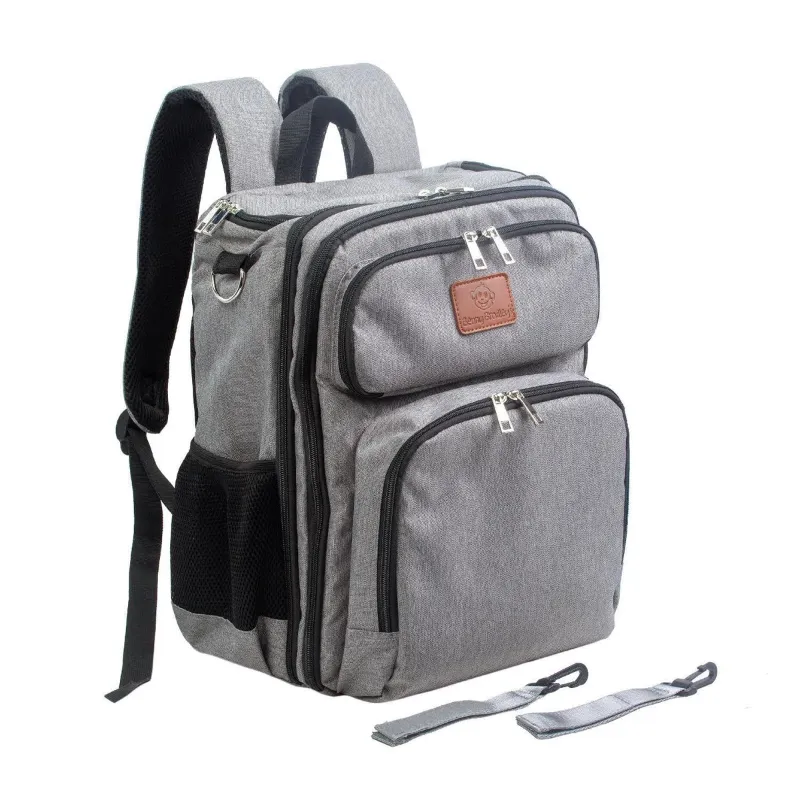
Busy parents with multiple children appreciate the hands-free reminder. You can focus on meal prep, sibling care, or work calls while the watch keeps the youngest on schedule. Pair it with gear like a diaper bag with insulated pocket for outings, and you maintain routines without constant mental tracking.
Children who are not yet ready show frustration, frequent meltdowns, or zero interest even with the timer. Forcing the issue extends the timeline and creates negative associations. Pause for a month, then revisit when readiness signs appear.
Where to Buy and Save on Potty Training Tools
Most families find potty watch options online or at major retailers, but prices vary. We track deals at Benny Bradley’s, where you can grab the current 10% sitewide discount on potty training essentials. Combine the watch with accident-cleanup supplies and a reward chart to build a complete kit.
Look for watches with:
- Adjustable intervals so you can extend time as skills improve
- Water resistance for inevitable bathroom splashes
- Comfortable wristbands that toddlers tolerate for 12-hour stretches
- Multiple alert types (sound, vibration, or light) to match your child’s preference
Some parents prefer buying a potty watch near me to test fit before committing, especially for children sensitive to textures or sounds. Others prioritize fast shipping and reviews, making online purchases more practical.
Realistic Expectations and Troubleshooting
Accidents will happen even with perfect watch adherence. Expect 1 to 3 accidents per week during the first month, dropping to occasional lapses by month three. Regression during growth spurts, illness, or major life changes is normal and temporary.
Progress is not linear. Some toddlers master daytime dryness in 6 weeks, then struggle with public restrooms or car trips for another 3 months. Others stay mostly dry everywhere but have daily accidents at one specific time. The watch creates structure, but emotional and physical development still drive the timeline.
When to pause: If your child shows zero progress after 8 weeks of consistent watch use, revisit readiness. Physical issues like constipation, urinary tract infections, or developmental delays can stall training regardless of tools. Consult your pediatrician before pushing further.
Extend the watch beyond full training. Many families keep using timed reminders for 2 to 4 weeks after the child initiates trips independently. This backup prevents regression and builds confidence before you phase out the tool entirely.
For more comparisons on timer features and styles, resources like best potty training watches break down options by age and learning style. Match the device to your household rhythm and your toddler’s temperament for the shortest, least stressful timeline. Consistency beats perfection every time, and a simple watch keeps you both accountable to the routine that works.
Questions
How long should I use a potty watch each day?
Use the potty watch during all waking hours for the first 4 to 8 weeks, then gradually phase it out as your child begins initiating bathroom trips independently. Consistency across naps, outings, and home time speeds progress.
Can a potty watch work for a child under 18 months?
A potty watch can create a bathroom routine for younger toddlers, but most children under 18 months lack the bladder control and communication skills for true potty training. The watch may help with early familiarization but rarely shortens the overall timeline.
What if my toddler refuses to wear the watch?
Try a watch with softer bands, let your child pick the color, or use a clip-on timer instead. Some families set a phone timer and make it a shared activity rather than a wearable device.
How do I know when to stop using the potty watch?
Phase out the watch when your child initiates bathroom trips without reminders for 2 consecutive weeks and has fewer than 1 accident per week. Keep it as a backup during travel or schedule changes for another month.
Does a potty watch help with nighttime training?
Potty watches help daytime training but do not address nighttime dryness, which depends on hormonal development and bladder capacity that mature months or years after daytime control. Use waterproof bedding and limit fluids before bed instead.
Where can I find the best price on a potty watch?
Check Benny Bradley's for current discounts and compare models by interval options and durability. Prices vary by features, so match the watch to your child's specific needs rather than buying the most expensive option.
Products in this guide
Shopping at Benny Bradley's? See the discount code
10% OFF Sitewide
More in this series
What to Look for in a Diaper Bag with a Built-In Cooler25 Aug 20266 minDo Diaper Bags with Insulated Pockets Keep Bottles Cold Enough?25 Aug 20264 min Invisible vs Lazy Susan Cabinet Locks: Which Is Right for Your Home?25 Aug 20266 minHow to Use a Potty Watch for Effective Toilet Training25 Aug 20265 min