 A Twisty guide
Do Twisty Glass Blunts Actually Work?
Glass blunt glass devices promise no wrapping and cleaner hits, but do they deliver in real-world use?
Twisty glass blunts work by using a screw mechanism inside a glass tube: you twist the screw to push spent ash out of the tip while advancing fresh ground flower, so you never need rolling papers or a full repack mid-session. The mechanism is simple, but how well it performs depends heavily on build quality and how carefully you pack it.
How the Twist Mechanism Works
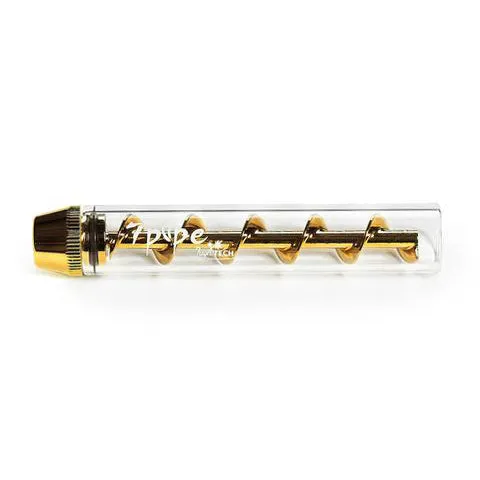
Every glass blunt slider works the same basic way: you pack ground flower into a glass tube, light one end, and twist an internal screw to eject ash and move fresh material forward. Twisting clockwise pushes the material along the tube, which removes the need to dump or tap out ash the way you would with a pipe.
Packing matters more than most first-time buyers expect. A tube packed too tight blocks airflow and makes the screw hard to turn; pack it too loose and material can burn unevenly. The Weedmaps guide to using a glass blunt covers packing technique in more detail if you are new to the format.
A simple way to pack and use one
- Grind the flower evenly. Large chunks jam the screw and small dust blocks airflow.
- Pull the screw back to open the tube, then fill it a little at a time.
- Press each layer down lightly. Aim for firm enough to hold together, loose enough that air still passes.
- Light the open end and draw gently until it catches evenly.
- Twist slowly and steadily when ash builds up, not in quick jerks, and only as far as you need to reach fresh material.
If the screw feels stiff after packing, empty the tube and try again with a lighter touch. Forcing a stiff screw puts strain on the glass and the threads.
Build Quality: Glass Thickness and Screw Fit
Not every glass blunt is built the same. The glass joint construction is worth checking closely before you buy, especially if you plan to travel with it or share it.
| Feature | Budget Builds | Premium Builds |
|---|---|---|
| Glass thickness | Thin, chips more easily | Thicker borosilicate, more impact resistant |
| Screw fit | Loose, ash can fall back in | Tighter seal, smoother twist |
| Mouthpiece | Sharp edges, can feel hot | Rounded, stays cooler |
Thicker borosilicate glass, used in premium models like the twist pipe, resists cracking better than thin glass and is a sensible choice if you plan to use your blunt daily or carry it with you. A loose-fitting screw is the main cause of ash falling back into the tube mid-session, so screw tolerance is worth checking in reviews before you order.
Cleaning a Glass Blunt
Glass blunts need more frequent cleaning than a simple pipe, since resin builds up on the tube wall and the screw threads after repeated sessions. A basic cleaning routine:
- Disassemble the piece while the glass is still slightly warm; resin comes off more easily than once it has fully cooled
- Soak both pieces in isopropyl alcohol for ten to fifteen minutes
- Use a pipe cleaner or small brush on the screw threads
- Rinse with hot water and let the pieces air dry fully before reassembling
Models with a wider tube diameter, such as the weeds glass option, are generally easier to brush clean than narrow-bore designs. Letting a packed blunt sit unused for a long stretch tends to create harder buildup than regular use with regular twisting.
Clean sooner rather than later. The first sign that a clean is due is usually a screw that turns less smoothly than it did when new. Between deep cleans, a quick brush of the threads after each session slows the buildup. Keep a spare pipe cleaner with the blunt so you are not tempted to force a sticky screw.
Always let the glass cool before you touch the tip, and never rinse hot glass under cold water, since a sudden temperature change can crack it. Store the clean, dry pieces in a padded case, away from anything that could knock against the tube.
Choosing a Glass Blunt for Your Situation
For solo use with low maintenance: a smaller model such as the twist round, under four inches, holds enough for one session and has less surface area for resin to collect on, which makes cleaning faster.
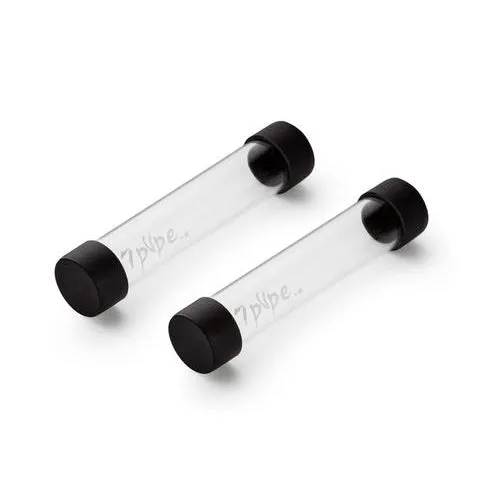
For group sessions: a full-size model such as the glass blunt glass holds more ground flower, so you avoid repacking mid-session, though a longer tube also means more resin to clean afterward.
For travel: look for thicker glass (3mm or more) and a protective case. Check the current Twisty coupon code and consider adding a padded case to your order.
Cost and Reusability
The main financial case for a glass blunt is reusability. Rolling papers, wraps and pre-rolls are an ongoing cost, while a glass blunt is a one-time purchase plus occasional replacement parts if the screw wears out. A quality twistable blunt is built to be reused many times over with regular cleaning and careful handling, rather than thrown away after each session.
The twist mechanism also gives you more control than a traditional rolled blunt: stop twisting and the cherry fades, so you can pause and relight later rather than needing to finish or waste a half-burned blunt.
The Tradeoffs to Know Before You Buy
- There is a learning curve. Packing density and twist speed take some practice to get right.
- Glass holds heat, so budget models without a rounded or flared mouthpiece can feel uncomfortably hot during a long pull.
- A loaded glass blunt is not discreet. It smells the same as a traditional rolled blunt while it is lit.
- Passing a glass tube around a group takes a short explanation for anyone who has not used one before.
A glass blunt is a weaker fit if you want something odourless, something you never have to clean, or something you can toss in a pocket without a case. It is also glass, so a hard drop can still break even a well made piece.
Laws on cannabis and smoking accessories differ between countries and states, so check the rules where you live and where you travel before you buy or carry one.
Is a Glass Blunt Worth It?
A glass blunt works as designed once you learn the packing and twisting technique, and it removes the ongoing cost of papers or wraps. It suits people who want more control over a session and do not mind a short learning curve and a regular cleaning routine. LOOKAH’s guide to glass blunts covers the durability of borosilicate glass in more detail if you want to compare materials before you choose a model.
Before you order, check the current Twisty coupon code to see the latest price on the range.
Questions
How long does a glass blunt last with regular use?
A quality glass blunt can last six months to a year with proper cleaning and careful handling. Thicker borosilicate glass models tend to last longer if you avoid drops and clean the screw mechanism regularly to prevent resin buildup.
Do you need to clean a twisty glass blunt after every session?
Not necessarily. Many people go a few sessions before a deep clean is needed, though a quick rinse after each use, while the glass is still warm, makes resin easier to remove later.
Can you use a glass blunt for concentrates or just flower?
Glass blunts are designed for dry flower only. Concentrates will melt and clog the screw mechanism, making it very difficult to clean. Stick to ground herb for best results.
What is the difference between cheap and premium glass blunt models?
Premium models use thicker glass that resists breaking, tighter screw tolerances that keep ash from falling back into the tube, and rounded mouthpieces that stay cooler. Budget models chip more easily and often have looser screws.
How much material does a full-size twisty glass blunt hold?
Most full-size models hold one to two grams of ground flower, enough for multiple people or an extended solo session. Mini versions hold less, closer to half a gram, suited to personal use.
Is a glass blunt easier to use than rolling a traditional blunt?
Once you get used to packing and twisting it, loading a glass blunt is often quicker than rolling one. It does add a regular cleaning step that rolling does not require.
Products in this guide
Shopping at Twisty? See the coupon code
10% OFF All Orders
More in this series
What Size Glass Blunt Slider Fits the 7Pipe Twisty?2 Sep 20265 minTwist Pipe Care Guide: Maintaining the Slider Mechanism2 Sep 20265 minWhy Does My Glass Blunt Keep Clogging and How to Fix It2 Sep 20265 minGlass Blunt vs Traditional Rolling: Which Lasts Longer?2 Sep 20264 minHow to Clean a Glass Blunt Without Breaking It2 Sep 20265 min