 A Twisty guide
Why Does My Glass Blunt Keep Clogging and How to Fix It
Glass blunt glass devices clog when resin accumulates in the tube and around the slider, but simple cleaning habits and grind adjustments prevent most issues.
Your glass blunt glass clogs because resin and tar naturally build up inside the tube with each session, blocking airflow until you can barely draw. The slider mechanism compounds the problem when sticky residue glues it in place, and overpacking or using too fine a grind makes everything worse.
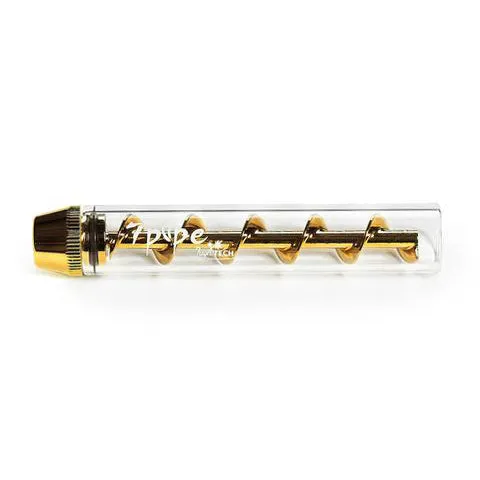
This guide walks you through why your twisty glass blunt by 7pipe or any other model keeps clogging and how to prevent it from happening again.
Why Glass Blunt Glass Devices Clog So Easily
The main culprit is resin accumulation. Every time you light your material, hot smoke deposits sticky tar along the inner walls of the tube. Unlike traditional methods where you discard the paper, a glass blunt glass reuses the same chamber repeatedly, so residue layers build up fast.
The slider assembly creates a second choke point. As you twist the screw or push the slider forward to ash, resin collects in the narrow gap between the inner rod and outer tube. This sticky ring eventually binds the mechanism or restricts airflow completely.
Other common causes include:
- Grind consistency – Powder-fine material packs too densely and blocks the draw, while chunks leave gaps that pull through as sparks
- Overpacking – Stuffing the tube tighter than the design allows compresses material into a solid plug
- Wet or improperly cured material – Excess moisture turns into sticky tar that coats surfaces faster than dry flower
- Infrequent cleaning – Waiting until the device is unusable means you’re scraping hardened resin instead of wiping away soft buildup
The twisty glass blunt design tries to solve some of these issues with a twist-to-ash mechanism, but even premium models need regular maintenance.
How to Unclog Your Glass Blunt Right Now
If your device is already clogged, start with the fastest fix. Run hot water through both ends of the tube for 30 seconds to soften surface resin, then gently twist and pull the slider while rotating the tube. The heat loosens sticky deposits enough to break the seal.
For stubborn clogs, soak the disassembled pieces in isopropyl alcohol (91% or higher) for 15 to 30 minutes. The alcohol dissolves resin on contact. After soaking, use a pipe cleaner or cotton swab to scrub the inner tube and slider rod, then rinse everything under hot water and let it air dry completely.
A deep clean involves these steps:
- Disassemble your glass blunt slider completely and remove any leftover material
- Submerge all glass and metal parts in isopropyl alcohol in a sealable container or bag
- Shake gently every few minutes to dislodge buildup
- Scrub with pipe cleaners, focusing on the slider track and tube interior
- Rinse thoroughly with hot water and check that the slider moves freely
- Dry with a lint-free cloth or let air dry for an hour
Never use abrasive tools like wire brushes on the inside of your twist pipe, as they can scratch the glass and create rough spots that trap even more resin. If you need to scrape, use wooden or silicone tools only.
Check the latest price on replacement parts if your slider is permanently damaged or the tube has cracks from aggressive cleaning.
Preventing Clogs Before They Start
The best fix is prevention. Clean your glass joint or blunt after every three to five sessions, before resin hardens. A quick 60-second rinse with hot water and a swipe with a pipe cleaner keeps buildup soft and easy to remove.
Grind consistency matters more than most people realize. Aim for a medium grind, similar to dried oregano. A coarse grind leaves too much air but reduces clogging risk, while a fine grind from an electric grinder packs so tight that airflow stops. We find a two-piece grinder with larger holes strikes the right balance.
Pack loosely and stop at 80% capacity. The material needs room to expand and ash as it burns. When you overstuff a twistable blunt, the slider can’t move forward and the dense pack chokes the draw.
Other prevention tips:
- Rotate the device while lighting to burn evenly and avoid wet spots that create tar pockets
- Twist to ash frequently instead of waiting until the entire load is spent, which keeps the tube clearer
- Store upright after use so gravity doesn’t pull resin into the slider mechanism
- Use a screen if your model supports one, especially if you prefer a finer grind
If you’re shopping for a new device, look for models with wider tubes and smoother slider tracks. The tribetokes twist pipe designs and similar premium options use larger inner diameters that resist clogging better than budget versions.
When to Replace Instead of Clean
Sometimes a clog signals that your glass blunt has reached the end of its useful life. Permanent etching inside the tube from hundreds of sessions creates a rough surface that grabs resin no matter how often you clean. If you’re scrubbing every session and still getting restricted airflow, the glass itself is compromised.
Cracks or chips in the slider track also make clogs inevitable. Even hairline fractures trap residue and prevent smooth twisting. Inspect your weeds glass device under good light after each deep clean. Any visible damage means it’s time to replace.
A bent or corroded slider screw won’t seat properly in the tube, leaving gaps that fill with resin and block the mechanism. Metal parts can corrode from repeated alcohol soaks or moisture exposure, especially on cheaper models. If the screw feels rough or binds even when clean, replacement is your only option.
Grab the code for 10% off your next purchase if you need a fresh device. We’ve found that investing in a quality glass blunt glass from a trusted brand costs less in the long run than constantly replacing budget options that clog and break.
Best Glass Blunt Options That Resist Clogging
Not all glass blunts clog at the same rate. Design differences make a huge impact on maintenance frequency. The twisty glass blunt by 7pipe uses a corkscrew auger design with more clearance around the screw threads, which handles resin buildup better than tight-fitting sliders.
Models with removable screens or built-in ash catchers also perform better. A screen prevents fine particles from traveling down the tube, while an ash catcher adds a chamber that collects debris before it reaches the mouthpiece.
Here’s how popular styles compare for clog resistance:
| Design Type | Clog Frequency | Cleaning Ease |
|---|---|---|
| Twist screw (auger) | Low | Easy |
| Push slider (straight) | Medium | Moderate |
| Spring-loaded | High | Difficult |
The auger-style twist round devices win for daily users because the spiral motion naturally ejects ash instead of compacting it. Straight sliders work fine for occasional use but need more frequent cleaning. Spring-loaded models trap the most residue and often require complete disassembly to clean properly.
Size also matters. Mini glass blunts have narrower tubes that clog faster than full-size versions, though they’re easier to clean because there’s less surface area. If you want the best of both worlds, look for a mid-size option around 4 inches long with a 10mm inner diameter.
No matter which style you choose, the material quality affects longevity. Borosilicate glass withstands repeated heating and cleaning without etching, while softer glass develops a frosted interior that grabs resin. Stainless steel sliders outlast aluminum or plated options that corrode over time.
Questions
How often should I clean my glass blunt to prevent clogging?
Clean your glass blunt after every three to five sessions for best results. A quick hot water rinse and pipe cleaner swipe takes 60 seconds and prevents resin from hardening. Deep clean with isopropyl alcohol once a week if you use it daily.
Can I use rubbing alcohol to clean a clogged glass blunt?
Yes, isopropyl alcohol at 91% or higher dissolves resin quickly and safely. Soak disassembled parts for 15 to 30 minutes, scrub with pipe cleaners, then rinse with hot water and dry completely before reassembling.
Why does my twisty glass blunt slider get stuck?
Resin buildup in the narrow gap between the slider rod and tube walls glues the mechanism in place. Soak the assembled device in hot water or alcohol to soften the resin, then twist gently while pulling to break the seal. Clean the slider track thoroughly to prevent it from sticking again.
What grind consistency works best to avoid clogging?
A medium grind similar to dried oregano works best. Powder-fine material packs too densely and blocks airflow, while chunks leave gaps and pull through as sparks. Use a two-piece grinder with larger holes for the ideal consistency.
Does the twisty glass blunt by 7pipe clog less than other brands?
The 7pipe auger design resists clogging better than straight slider models because the spiral threads create more clearance and naturally eject ash as you twist. It still requires regular cleaning but typically clogs less frequently than budget straight-slider versions.
When should I replace my glass blunt instead of cleaning it?
Replace your device if you see cracks or chips in the glass, permanent etching inside the tube that grabs resin, or a bent or corroded slider that won't seat properly. If you're cleaning after every session and still getting poor airflow, the glass is compromised and needs replacement.
Products in this guide
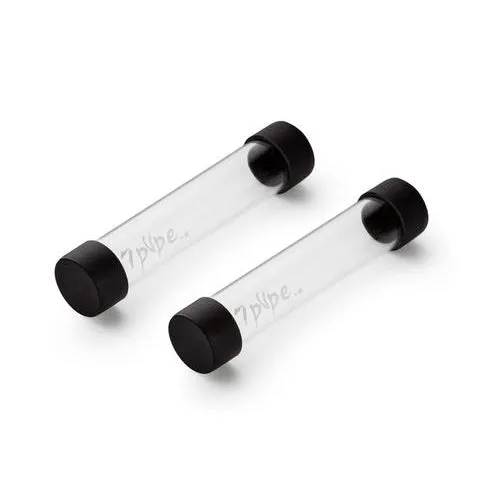 Shopping at Twisty? See the coupon code
10% OFF All Orders
Shopping at Twisty? See the coupon code
10% OFF All Orders
More in this series
What Size Glass Blunt Slider Fits the 7Pipe Twisty?2 Sep 20265 minTwist Pipe Care Guide: Maintaining the Slider Mechanism2 Sep 20265 minDo Twisty Glass Blunts Actually Work?2 Sep 20265 minGlass Blunt vs Traditional Rolling: Which Lasts Longer?2 Sep 20264 minHow to Clean a Glass Blunt Without Breaking It2 Sep 20265 min