 A Twisty guide
How to Clean a Glass Blunt Without Breaking It
Cleaning glass blunt glass properly requires isopropyl alcohol, coarse salt, and careful handling of the slider mechanism to prevent breakage.
Cleaning your glass blunt glass safely comes down to using the right solvents, protecting the slider, and avoiding thermal shock. Follow our proven method to dissolve resin without cracking, chipping, or jamming the twist mechanism.
Why Glass Blunts Crack During Cleaning
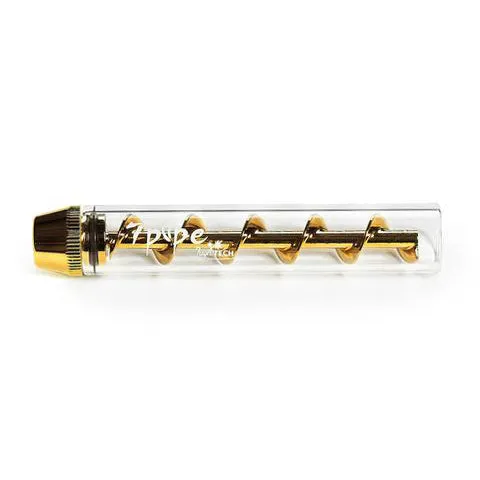
Most breakage happens when you expose thin borosilicate glass to rapid temperature changes or apply too much force to the slider. A twistable blunt features a delicate screw mechanism that can seize if resin hardens inside the grooves, and scrubbing too hard often chips the edge where the slider meets the tube. Thermal shock is the other culprit, rinsing a hot piece under cold water creates stress fractures that spread over time.
Users can also snap the tip by knocking it against a sink or countertop while shaking out stubborn residue. Unlike a glass joint with a solid bowl, the twisty design has moving parts that concentrate stress at the threads.
The Safest Cleaning Method for Glass Blunt Glass
This alcohol-and-salt soak works for any twist pipe or glass blunt without risking the slider:
- Disassemble completely: Remove the slider from the main tube before soaking. Trapped alcohol can corrode rubber gaskets or O-rings on some models.
- Rinse with warm water: Flush out loose ash and prevent clogs, but keep the water lukewarm to avoid thermal shock.
- Soak in isopropyl alcohol: Submerge both pieces in 91% or 99% isopropyl (higher concentrations dissolve resin faster). Add a tablespoon of coarse sea salt or Epsom salt to the tube, seal the ends with your fingers or rubber caps, and shake gently for 30 to 60 seconds.
- Brush the threads: Use a soft pipe cleaner or interdental brush to scrub the spiral grooves on the slider. Avoid metal brushes that scratch borosilicate glass.
- Rinse thoroughly: Flush every part under warm running water until the alcohol smell disappears. Residual isopropyl tastes harsh and can irritate your throat.
- Air-dry on a towel: Let both pieces dry completely before reassembly. Moisture in the threads attracts dust and can cause the slider to stick.
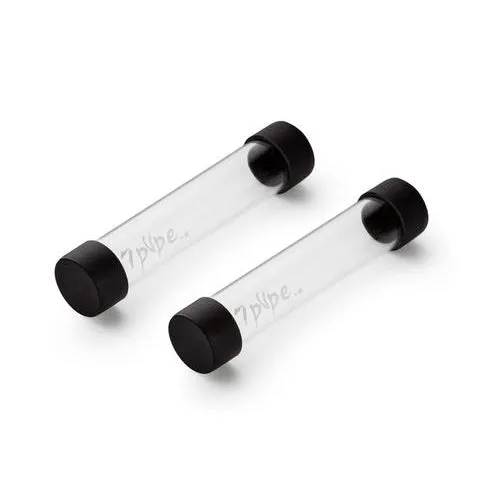
For heavy buildup on a glass blunt glass that hasn’t been cleaned in weeks, extend the soak to 2 to 4 hours or overnight. Check the latest pricing and grab our code for 10% off cleaning supplies and replacement pieces.
What NOT to Use on a Twisty Glass Blunt
Skip these common mistakes that damage or weaken your twist pipe:
- Boiling water: The rapid heat warps thin glass and can melt plastic mouthpiece covers on some models.
- Abrasive sponges: Steel wool, scouring pads, and rough brushes leave micro-scratches that turn into cracks under stress.
- Acetone or nail polish remover: These solvents cloud or etch borosilicate glass and degrade rubber seals.
- Dishwasher cycles: The combination of high heat, harsh detergent, and rattling against other items almost guarantees chips or breaks.
- Freezing before cleaning: Some guides suggest freezing to harden resin, but the thermal shock when you add warm alcohol often cracks the tube.
Stick to isopropyl alcohol and salt, Weedmaps explains that this combination is the gold standard for cannabis glass because it’s effective, cheap, and glass-safe.
How Often to Clean Your Glass Blunt
We recommend a full alcohol soak every 5 to 10 sessions for a twisty glass blunt or weeds glass pipe. If you notice the slider sticking, black resin buildup inside the tube, or a harsh taste, clean it immediately, waiting allows residue to harden into a layer that requires aggressive scrubbing and increases breakage risk.
For daily users, a quick warm-water rinse after each session prevents the worst buildup and keeps the twist mechanism smooth. Monthly deep cleans with alcohol will handle the rest. Light users who smoke once or twice a week can extend the interval to every 3 to 4 weeks.
Inspect the glass during every cleaning session. Hairline cracks near the mouthpiece or slider threads mean it’s time to replace the piece before it shatters mid-session. Browse replacement options and use our discount code to stock up.
Best Tools for Cleaning Tight Spiral Threads
The corkscrew design that makes a glass blunt slider so convenient also creates dozens of narrow grooves where resin hides. Standard pipe cleaners often can’t reach every thread, so we use these tools:
| Tool | Best For | Why It Works |
|---|---|---|
| Interdental brushes | Spiral grooves on the slider | Thin nylon bristles fit between threads without scratching |
| Pipe cleaners (cotton) | Main tube interior | Flexible wire core bends to follow curves, cotton absorbs residue |
| Cotton swabs | Mouthpiece and edges | Precise cleaning around delicate rim areas |
Soak everything first to soften the resin, then scrub gently. Forcing a dry brush into tight threads is the fastest way to snap the slider tip. If a stubborn spot won’t budge after soaking and brushing, repeat the alcohol soak rather than applying more pressure.
Some users prefer ultrasonic cleaners for intricate glass pieces. These devices use high-frequency sound waves to agitate alcohol and loosen resin without manual scrubbing. They work well for a twist round or complex multi-chamber designs, but a basic alcohol soak handles most routine cleaning.
Preventing Clogs and Extending Glass Lifespan
A few habits will keep your glass blunt glass cleaner between deep sessions and reduce breakage risk:
- Twist out ash after every use: The slider mechanism is designed to push out spent material, so use it instead of letting ash compact inside.
- Store upright in a padded case: Horizontal storage lets residue pool and harden; a protective case prevents accidental drops.
- Avoid over-packing: Stuffing too much material into the tube creates excess resin and makes the slider harder to turn.
- Handle the slider gently: The threaded rod is the most fragile part of any twistable blunt, so twist slowly and never force it if it sticks.
For buyers comparing models, Tribe Tokes notes that premium glass blunts use thicker borosilicate and reinforced slider rods that withstand more cleaning cycles. Cheaper designs often crack after a few soaks because the glass is too thin or the slider fit is sloppy. Investing in a quality piece from a reputable brand pays off in durability, check which models we recommend and save 10% with our exclusive code.
Reassembly Tips to Avoid Jamming
Once your glass blunt is clean and dry, reassemble it carefully to prevent cross-threading or jamming:
- Check for moisture: Even a drop of water inside the threads can cause the slider to stick or corrode metal components.
- Align the slider tip with the tube opening: Start the threads straight; angling them during insertion causes cross-threading that grinds metal against glass.
- Twist slowly: If you feel resistance, back out and realign rather than forcing it.
- Test the full range of motion: Twist the slider all the way in and out before packing to confirm smooth operation.
A properly maintained glass joint or glass blunt will last years with regular cleaning. Most breaks result from neglect: a seized slider that someone forced, or resin buildup so severe that the only option is aggressive scraping. Ten minutes of gentle cleaning every week or two prevents both problems and keeps your piece looking new.
LOOKAH’s guide reinforces that proper maintenance is the single biggest factor in glass blunt longevity. Treat your piece with the same care you’d give any precision glass tool, and it will deliver smooth, consistent sessions for the long haul.
Questions
Can I use rubbing alcohol lower than 91% to clean my glass blunt glass?
Yes, but 70% isopropyl takes longer to dissolve resin and requires more shaking. We recommend 91% or 99% for faster, more effective cleaning with less effort.
How do I remove a stuck slider from a twisty glass blunt?
Soak the entire assembled piece in warm isopropyl alcohol for 1 to 2 hours to soften the resin locking the threads, then twist gently while pulling. Never force it, as that can snap the slider rod.
Is it safe to clean a glass blunt in the dishwasher?
No. Dishwasher heat and detergent can crack borosilicate glass, cloud the surface, and damage rubber seals. Always hand-wash with isopropyl alcohol and salt.
How often should I deep-clean my twist pipe?
Every 5 to 10 sessions for regular users, or whenever you notice the slider sticking or harsh taste. A quick warm-water rinse after each use extends the time between deep cleans.
Why does my glass blunt slider keep jamming after cleaning?
Residual moisture or cross-threading during reassembly are the most common causes. Make sure both pieces are completely dry and align the slider straight before twisting it back in.
Can I use salt alone without alcohol to clean a glass blunt?
Salt acts as an abrasive but won't dissolve resin on its own. You need isopropyl alcohol as the solvent; the salt just helps scrub away softened residue when you shake the piece.
Products in this guide
Shopping at Twisty? See the coupon code
10% OFF All Orders
More in this series
What Size Glass Blunt Slider Fits the 7Pipe Twisty?2 Sep 20265 minTwist Pipe Care Guide: Maintaining the Slider Mechanism2 Sep 20265 minWhy Does My Glass Blunt Keep Clogging and How to Fix It2 Sep 20265 minDo Twisty Glass Blunts Actually Work?2 Sep 20265 minGlass Blunt vs Traditional Rolling: Which Lasts Longer?2 Sep 20264 min