 A Twisty guide
Twist Pipe Care Guide: Maintaining the Slider Mechanism
A twist pipe requires regular slider maintenance to keep the mechanism smooth and your sessions hassle-free.
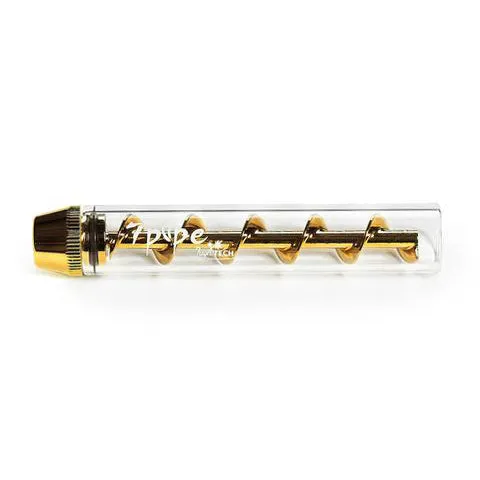
A twist pipe depends on a smooth slider mechanism for effortless ash ejection and portion control. The slider, the metal screw that runs through your twisty glass blunt by 7pipe or similar device, needs regular cleaning and occasional maintenance to prevent sticky buildup, metal corrosion, and threading issues that can ruin your experience.
Proper care of the twist pipe and glass blunt slider extends the life of both glass and metal components while keeping rotation effortless.
Why the Slider Mechanism Fails
Most slider problems stem from resin creep and tar buildup. When you use your twistable blunt, combustion residue travels down the glass tube and settles in the threading where the metal screw meets the glass. Over time this sticky layer hardens, making the twist action stiff or completely seized.
Metal oxidation is the second culprit. Many glass blunt slider mechanisms use stainless steel or aluminum, which can corrode when exposed to moisture and acidic resin compounds.
Threading wear happens gradually. Forcing a sticky slider carves micro-grooves into both the screw and the glass channel, creating permanent rough spots that catch even after cleaning.
Daily and Weekly Cleaning Routine
After each session:
- Twist the slider to eject all ash while the glass is still warm
- Wipe the exposed screw threads with a dry paper towel to remove surface resin
- Store your glass blunt glass upright to prevent resin from pooling in the mechanism
Weekly deep clean:
- Disassemble the unit completely, remove the slider screw from the glass tube
- Soak the glass tube in 91% or higher isopropyl alcohol for 30 minutes
- Scrub the slider screw with a small nylon brush dipped in isopropyl, paying extra attention to the threads
- Rinse both parts under hot tap water to flush away dissolved resin
- Dry thoroughly with a lint-free cloth or let air-dry for several hours
For stubborn buildup on the metal threads, use a wooden toothpick to gently scrape between the grooves, never use metal tools that can scratch the threading. The Weedmaps guide covers basic glass blunt operation, but slider maintenance requires extra attention to the screw mechanism.
Check current pricing and grab our exclusive code before stocking up on replacement parts.
Lubrication: When and What to Use
A clean slider should glide smoothly without any lubricant in most cases. However, if you live in a dry climate or notice friction after cleaning, a tiny amount of food-grade lubricant helps.
Safe options:
- Coconut oil (organic, unrefined), apply a rice-grain amount to the threads, twist to distribute, then wipe off the excess
- Food-grade mineral oil, one drop maximum, same application method
- Beeswax, rub the threads lightly across a beeswax bar for dry lubrication
Never use:
- WD-40 or penetrating oils (toxic fumes when heated)
- Petroleum jelly (breaks down and attracts more grime)
- Cooking oils that can go rancid (canola, vegetable, olive)
Apply lubricant sparingly. Your goal is an invisible coating, not a visible film. Excess lubricant attracts dust and resin, creating the sticky mess you’re trying to prevent.
Troubleshooting Common Slider Problems
| Problem | Cause | Fix |
|---|---|---|
| Slider won’t turn | Hardened resin or cross-threading | Soak in isopropyl 60+ min, twist gently while submerged |
| Slider turns but doesn’t advance | Stripped threads or debris | Inspect threads with magnifier; replace if worn smooth |
| Metal discoloration | Oxidation from moisture | Scrub with baking soda paste, dry completely after each use |
| Glass tube cracked near threads | Over-tightening or impact | Replace glass; tighten only until snug, never force |
If your glass joint or blunt slider seizes completely, do not force it. Submerge the entire assembled unit in isopropyl alcohol overnight, then try twisting while still wet. The alcohol penetrates resin better than heat and won’t risk thermal shock to the glass.
For the twisty glass blunt mini and full-size models, the slider diameter affects how quickly buildup occurs. Thinner sliders have tighter tolerances and clog faster, requiring more frequent cleaning.
Extending Slider Life and When to Replace
Even with perfect maintenance, metal threads eventually wear. Plan to replace your slider mechanism every 6 to 12 months with daily use, or when you notice:
- Visible thread damage or flattened grooves
- Persistent sticking even after deep cleaning
- Metal flaking or corrosion that scrubbing can’t remove
- Wobble or play in the mechanism when twisted
Store your weeds glass devices in a protective case between uses. Impact damage to the slider or glass threads is permanent and usually requires full replacement. Keep spare sliders on hand if you use your twistable blunt daily, grab the latest discount code to stock up.
The 7pipe glass blunt price includes the slider mechanism, but third-party sliders often fit multiple models if you need a budget replacement. Always verify thread pitch and diameter before ordering.
Glass Tube Care for Slider Longevity
The glass tube’s internal channel affects slider performance as much as the screw itself. Resin buildup inside the tube creates friction and eventually transfers to the metal threads.
Glass maintenance checklist:
- Inspect the interior channel weekly for brown or black residue
- Use a pipe cleaner soaked in isopropyl to scrub the full length
- Check for hairline cracks near the threading, these leak resin into the mechanism
- Avoid thermal shock by letting hot glass cool before cleaning
Borosilicate glass, used in most quality twist pipes, handles temperature swings better than standard glass but still needs gentle treatment. The Tribetokes collection showcases various glass thicknesses; thicker walls protect the threading channel better but add weight.
Pair proper glass care with slider maintenance for the smoothest experience. When both components stay clean, your twist mechanism will feel factory-fresh session after session.
For troubleshooting tips specific to the 7Pipe brand, the TVape review covers common issues and maintenance intervals recommended by the manufacturer.
Building a Maintenance Kit
Keep these tools ready for quick slider care:
- Small nylon or brass brush for threads
- 91% or 99% isopropyl alcohol in a sealable jar
- Wooden toothpicks for detail work
- Lint-free microfiber cloths
- Cotton pipe cleaners (unscented)
- Small container for soaking parts
- Food-grade coconut oil (optional)
A complete maintenance kit costs under $15 and prevents the need for replacement parts. Keep separate jars for soaking glass and metal to avoid cross-contamination of cleaning solution.
Regular care takes five minutes per week but saves you from a seized slider or cracked glass tube. Treat your twist pipe mechanism like any precision device, clean often, force never, and it’ll deliver smooth performance for hundreds of sessions.
Visit our coupon page for current deals on replacement sliders, cleaning supplies, and complete twist pipe kits.
Questions
How often should I clean my twist pipe slider mechanism?
Clean the slider threads after every 5-7 sessions or weekly, whichever comes first. Daily users should wipe down the exposed screw after each use and do a full isopropyl soak weekly to prevent resin buildup.
Can I use regular oil to lubricate my glass blunt slider?
Only use food-grade lubricants like coconut oil or mineral oil in tiny amounts. Never use WD-40, petroleum jelly, or cooking oils, as these create toxic fumes when heated or attract more grime.
Why won't my twisty glass blunt slider turn anymore?
A seized slider usually means hardened resin has locked the threads. Soak the entire assembled unit in 91% isopropyl alcohol for at least an hour, then try twisting while still submerged. Never force a stuck slider or you'll strip the threads.
How do I know when to replace my glass blunt slider?
Replace the slider when you see visible thread damage, persistent sticking after deep cleaning, metal corrosion that won't scrub away, or wobble in the mechanism. With daily use, sliders typically last 6-12 months.
Is the twisty glass blunt mini harder to clean than the full size?
Yes, the mini has tighter tolerances between the slider and glass, so resin buildup clogs the mechanism faster. You'll need to clean it more frequently, every 3-5 sessions instead of weekly.
Can I put my twist pipe slider in the dishwasher?
No, dishwasher detergent leaves residue and the heat can damage rubber O-rings if your model has them. Hand-wash with isopropyl alcohol and hot water only, then dry completely before reassembly.
Products in this guide
Shopping at Twisty? See the coupon code
10% OFF All Orders
More in this series
What Size Glass Blunt Slider Fits the 7Pipe Twisty?2 Sep 20265 minWhy Does My Glass Blunt Keep Clogging and How to Fix It2 Sep 20265 minDo Twisty Glass Blunts Actually Work?2 Sep 20265 minGlass Blunt vs Traditional Rolling: Which Lasts Longer?2 Sep 20264 minHow to Clean a Glass Blunt Without Breaking It2 Sep 20265 min