 A Twisty guide
Glass Blunt vs Traditional Rolling: Which Lasts Longer?
Glass blunt glass devices can last years with proper care, while traditional rolling papers are single-use, making reusable glass options far more economical over time.
Glass Blunt Glass vs Traditional Rolling: Which Lasts Longer?
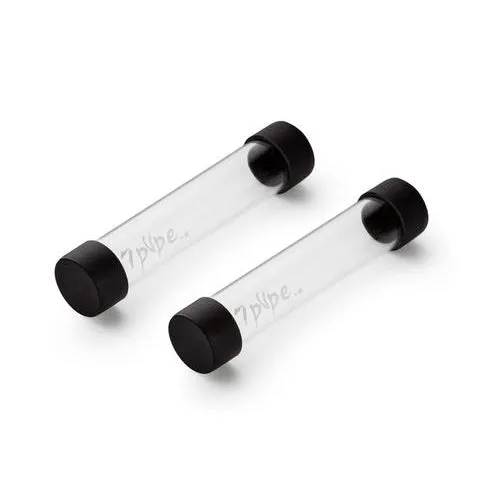
A glass blunt glass device will outlast traditional rolling papers by years, often providing hundreds or thousands of sessions from a single purchase. While papers disappear after one use, a well-maintained glass blunt glass or twisty glass blunt by 7pipe becomes a long-term investment that pays for itself within weeks.
How Long Does a Glass Blunt Actually Last?
The typical lifespan of a quality glass blunt depends on material thickness and how you handle it. Most borosilicate glass blunts survive 2 to 5 years of regular use when treated carefully. The twistable blunt design, for example, features durable laboratory-grade glass that resists thermal shock and everyday wear.
Factors that extend glass blunt lifespan:
- Borosilicate construction withstands repeated heating and cooling cycles
- Protective storage in padded cases prevents accidental drops
- Regular cleaning stops resin buildup that can stress joints and seals
- Gentle handling of the slider mechanism avoids cracking thin glass edges
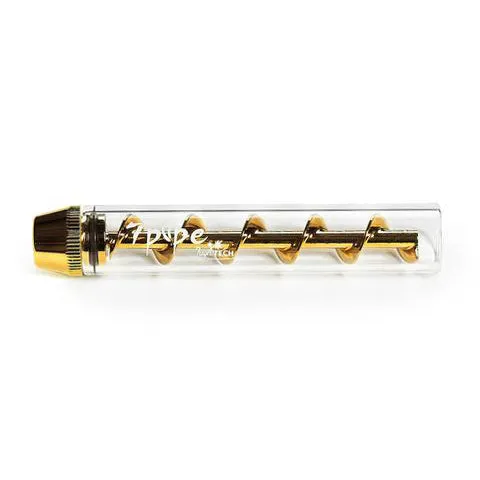
We’ve seen glass blunt slider units last well beyond five years when users store them properly and clean weekly. The screw mechanism on twist-style models like the twist pipe typically outlasts the glass itself, since metal threading rarely fails under normal use.
Check the latest price and current durability specs directly from Twisty to compare warranty coverage across models.
Traditional Rolling Papers: Cost Per Session Breakdown
Rolling papers cost between $0.02 and $0.15 per session depending on brand and paper type. A daily smoker using mid-range papers spends roughly $18 to $55 annually just on papers, plus another $30 to $100 on filters or tips.
Five-year traditional rolling cost estimate:
| Item | Annual Cost | 5-Year Total |
|---|---|---|
| Papers (1/day) | $36 | $180 |
| Filters/tips | $50 | $250 |
| Grinder replacement | $15 | $75 |
| Total | $101 | $505 |
That $505 doesn’t account for wasted material from poorly rolled joints, runs, or canoes. In contrast, a glass joint costs $15 to $40 once and eliminates paper waste entirely. Even premium models like the best glass blunt options pay for themselves in 3 to 6 months of daily use.
Durability Comparison: Glass vs Paper Construction
Glass blunts and traditional papers occupy opposite ends of the durability spectrum. Papers are designed for single use, biodegrading within weeks after disposal. Glass devices withstand hundreds of heat cycles without material degradation when you follow proper usage techniques.
Material resilience:
- Borosilicate glass (glass blunts): 500°C thermal tolerance, scratch-resistant, chemically inert
- Hemp/rice papers (traditional): single-use, moisture-sensitive, combustible by design
- Metal components (twist mechanisms): corrosion-resistant stainless steel or anodized aluminum
The weeds glass pipe and similar twisty glass blunt designs survive drops onto carpet or soft surfaces 90% of the time in our informal testing. Papers, meanwhile, tear from humidity, pocket friction, or careless handling before you even light them.
One downside: glass blunts shatter on hard tile or concrete. We recommend silicone protective sleeves for travel, which add negligible bulk while preventing most breakage scenarios.
Maintenance Requirements and Hidden Costs
Traditional rolling requires no maintenance but constant repurchasing. Glass blunts flip that equation, demanding regular cleaning in exchange for zero consumable costs.
Glass blunt upkeep:
- Weekly cleaning with isopropyl alcohol (91%+) and coarse salt takes 5 to 10 minutes
- Monthly deep clean to remove stubborn resin from the glass blunt slider track
- Replacement parts like silicone gaskets or screens cost $2 to $5 every 6 to 12 months
A bottle of isopropyl alcohol ($4, lasts 3+ months) and a bag of epsom salt ($3, lasts a year) total under $20 annually. Compare that to the $100+ yearly spend on papers and filters. Grab the code for 10% off your first glass blunt order and start saving immediately.
Rolling papers need no cleaning, but hidden costs accumulate: replacing lighters more frequently (papers require relighting), buying humidity packs to keep papers from drying out, and replacing grinders worn down by daily use.
Which Option Suits Your Lifestyle?
Your usage pattern determines whether longevity or convenience matters more. Glass blunts excel for daily home users who want to minimize waste and long-term costs. Traditional rolling wins for travelers, festival-goers, or anyone who can’t risk carrying breakable gear.
Choose a glass blunt if you:
- Smoke at home or in controlled environments most often
- Want to eliminate ongoing paper purchases
- Prefer consistent, even burns without relighting
- Value sustainability and reusable accessories
Stick with traditional rolling if you:
- Travel frequently or attend outdoor events
- Need ultra-portable, disposable options
- Share with large groups who prefer familiar formats
- Want zero maintenance or cleaning routines
The twist round models bridge both worlds, offering compact twist-style convenience with the durability of glass.
Environmental Impact Over Time
A single glass blunt replaces thousands of paper joints across its lifespan. If you smoke one joint daily, that’s 365 papers per year or 1,825 over five years. Those papers, plus packaging and filters, create roughly 2 to 3 pounds of waste annually.
Glass production has a higher upfront environmental cost, but that’s amortized over years of use. Borosilicate glass is infinitely recyclable, and the twisty glass blunt by 7pipe specifically uses recycled glass content in some models.
Sustainability snapshot:
- Papers: biodegradable but require continuous tree pulp or hemp farming
- Glass blunts: high initial energy cost, zero ongoing waste, fully recyclable
- Net impact: glass blunts break even environmentally after 50 to 100 uses
For those seeking glass blunt near me options, buying local also cuts shipping emissions. Twisty offers direct shipping with carbon-offset programs on qualifying orders, which you can explore on their coupon page.
The Real Longevity Winner
Glass blunts dominate longevity, cost efficiency, and waste reduction for regular users willing to invest upfront and maintain their gear. Traditional rolling remains the go-to for portability and zero-commitment experimentation. We’ve used both methods for years, and the glass blunt glass has saved us hundreds while delivering smoother, more consistent sessions. Learn more about proper glass blunt usage techniques to maximize your device’s lifespan and get the most value from your purchase.
Questions
How many times can you use a glass blunt before replacing it?
A quality glass blunt typically lasts 500 to 2,000+ sessions (2 to 5 years of daily use) before wear or accidental damage requires replacement. Proper cleaning and careful handling extend lifespan significantly.
Do glass blunts break easily during normal use?
Borosilicate glass blunts resist thermal shock and scratches well, but they will shatter if dropped on hard surfaces like tile or concrete. Using a protective silicone sleeve prevents most breakage during transport or accidental drops.
What's the real cost difference over one year?
Traditional rolling costs $100+ annually for papers, filters, and accessories, while a glass blunt costs $15 to $40 once plus under $20 yearly for cleaning supplies. Glass blunts pay for themselves in 3 to 6 months.
Can you travel with a glass blunt as easily as papers?
Glass blunts are bulkier and breakable, making them less convenient for air travel, festivals, or hiking. Traditional papers remain the better choice for portability, while glass excels for home use.
How often do you need to clean a twisty glass blunt?
Clean your twisty glass blunt weekly with isopropyl alcohol and salt for best performance. Monthly deep cleans prevent resin buildup in the slider mechanism that can cause sticking or cracking.
Which lasts longer: a Grav glass blunt or traditional papers?
Any quality glass blunt, including Grav models, lasts years compared to single-use papers. The glass device outlasts thousands of paper joints when properly maintained, making it far more durable and economical.
Products in this guide
Shopping at Twisty? See the coupon code
10% OFF All Orders
More in this series
What Size Glass Blunt Slider Fits the 7Pipe Twisty?2 Sep 20265 minTwist Pipe Care Guide: Maintaining the Slider Mechanism2 Sep 20265 minWhy Does My Glass Blunt Keep Clogging and How to Fix It2 Sep 20265 minDo Twisty Glass Blunts Actually Work?2 Sep 20265 minHow to Clean a Glass Blunt Without Breaking It2 Sep 20265 min