 A EASWE guide
Troubleshooting Common Power Wheelchair Battery Issues and Solutions
Most power wheelchair battery problems stem from charging errors, corroded terminals, or aging cells that you can diagnose and often fix yourself.
Understanding Power Wheelchair Battery Problems
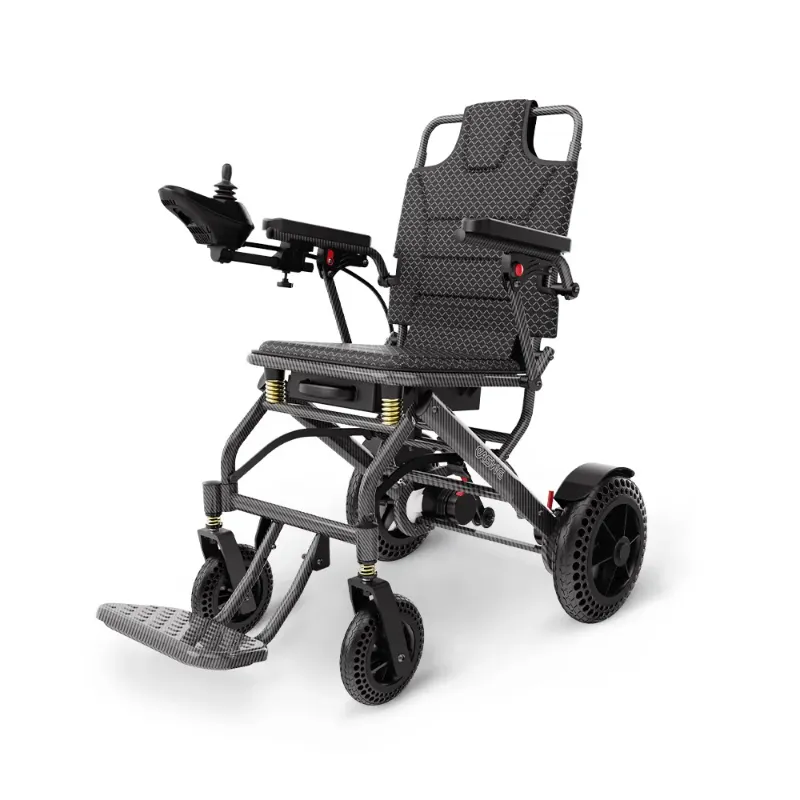
Most power wheelchair battery problems stem from charging errors, corroded terminals, or aging cells that you can diagnose and often fix yourself. Whether you own a power wheelchair or use motorized wheelchair rentals, knowing how to troubleshoot battery issues saves time and keeps you mobile.
The good news? Most issues have straightforward fixes that don’t require a technician.
Why Your Power Wheelchair Won’t Charge
A wheelchair that refuses to charge usually points to one of four culprits. Check the outlet first by plugging in another device to confirm power flows.
Next, inspect the charger itself. Look for frayed cables, bent prongs, or a missing indicator light when plugged in. If the charger feels unusually hot or makes clicking sounds, replace it immediately. Most electric wheelchair chargers last 2 to 4 years with regular use.
Connection point problems:
- Corroded or dirty charging port on the wheelchair
- Loose port that wobbles when you insert the charger
- Debris blocking the connection pins
- Damaged port housing from repeated plugging and unplugging
Clean the charging port with a dry cloth or compressed air. For corrosion, use a cotton swab dipped in rubbing alcohol and let it dry completely before charging. If the port itself is loose or cracked, you’ll need a repair shop to replace the socket assembly.
Finally, check the batteries themselves. Most chairs use two 12-volt sealed lead-acid or gel batteries wired in series. What is a Power Wheelchair? explains how these battery systems work together to power your mobility.
Shortened Range and Rapid Discharge
When your chair dies faster than usual, battery age is often the cause. Lead-acid batteries typically last 1 to 2 years with daily use, while gel and AGM variants can reach 2 to 3 years. Lithium batteries, found in newer power wheelchair models, often last 3 to 5 years but cost significantly more.
Signs your batteries need replacement:
- Range drops below 50% of original capacity
- Batteries feel warm to the touch after light use
- Voltage drops rapidly under load
- One battery drains faster than its pair
Test battery health with a multimeter. A fully charged 12-volt battery should read 12.6 to 12.8 volts when disconnected. Under 12.4 volts indicates partial discharge; under 12 volts means the battery is depleted or failing. For accurate readings, test after the batteries have rested for at least 2 hours post-charge.
Environmental factors also impact range. Cold weather below 40°F can reduce battery capacity by 20 to 30%. Hills, rough terrain, and higher speeds drain batteries faster than flat indoor use. If you recently changed your usage pattern, shortened range may be normal rather than a defect.
When shopping for replacements, check the latest price on compatible batteries for your specific wheelchair model. Many users save by purchasing batteries separately rather than through medical supply channels.
Solving Intermittent Power Loss
Random shutdowns or power cuts during use often trace back to loose connections rather than bad batteries. Start by checking every battery terminal. Each connection should be snug with no wiggle when you try to move the cable. We recommend checking terminals monthly, as vibration from daily use gradually loosens them.
Terminal maintenance checklist:
- Tighten all battery cable bolts with the correct wrench size
- Remove white or green corrosion with a wire brush
- Apply a thin layer of petroleum jelly or dielectric grease to prevent future corrosion
- Ensure cables aren’t cracked or fraying near the connectors
Inspect the main power switch and emergency shut-off. Dirt or moisture inside these components causes intermittent contact. If the chair powers on only when you wiggle the switch, the mechanism needs cleaning or replacement.
Controller issues can mimic battery problems. The controller is the brain that manages power delivery from batteries to motors. The Jazzy ® Power Chair is more than an electric wheelchair. and includes diagnostic modes that help identify controller faults versus battery faults. Consult your user manual for error code displays.
For rental users, rent a power chair services typically handle all maintenance and troubleshooting as part of your agreement. Report intermittent power issues immediately rather than waiting for complete failure.
Battery Not Holding a Charge
A battery that charges to full but dies within minutes has reached end of life or suffered sulfation damage. Sulfation occurs when lead-acid batteries sit discharged for extended periods, forming hard lead sulfate crystals that block the plates.
Try a desulfation charge cycle using a smart charger with this feature. Some batteries recover partial capacity, extending their life by a few months. However, heavily sulfated batteries rarely return to full performance.
Prevention strategies that work:
- Charge batteries after every use, even short trips
- Never store a wheelchair with depleted batteries
- Keep batteries charged during periods of non-use (charge monthly minimum)
- Avoid discharging below 50% capacity when possible
If one battery in a pair fails, replace both simultaneously. Mismatched batteries create imbalanced charging and discharge cycles that damage the newer battery and reduce overall performance.
Users exploring power wheelchairs near me for purchase should ask about battery type and expected replacement cost. Advanced Mobility Solutions offers detailed specifications including battery systems for comparison shopping.
When to Seek Professional Help
Some battery issues require professional diagnosis and repair. Deep electrical faults, controller replacement, and warranty work should always go to qualified technicians.
Schedule a professional evaluation if you experience any of these symptoms:
- Burning smell from the battery compartment
- Batteries that swell, bulge, or leak fluid
- Repeated blown fuses or tripped breakers
- Error codes you can’t resolve through the manual
- Physical damage to wiring harnesses
For power wheelchair brands like Permobil and Quantum, authorized service centers have diagnostic equipment that measures battery health, controller function, and motor draw precisely. This testing identifies problems that basic troubleshooting misses.
Grab the code for $10 off sitewide when purchasing replacement parts or accessories through EASWE. The discount applies to compatible chargers, batteries, and maintenance supplies that keep your chair running reliably.
Extending Battery Life Between Replacements
Temperature control matters most. Store and charge your wheelchair in spaces between 50°F and 80°F. Extreme heat accelerates battery degradation, while freezing temperatures can crack battery cases.
Avoid complete discharge cycles. Unlike phone batteries, wheelchair batteries last longest when you recharge at 30 to 50% remaining capacity. Deep discharges below 20% stress the cells and shorten overall life.
Break in new batteries properly with 10 to 12 full charge and discharge cycles during the first month. This conditioning process helps the batteries reach full rated capacity. Whether you purchase new or explore used electric wheelchairs for free through assistance programs, battery conditioning maximizes performance.
Consider a wheelchair electric rental option if you need short-term mobility while your personal chair undergoes battery service. Rental units come with fresh batteries and full maintenance coverage, eliminating downtime worries during repairs.
Questions
How often should I replace my power wheelchair batteries?
Lead-acid batteries typically need replacement every 1 to 2 years with daily use, while gel and AGM batteries last 2 to 3 years. Lithium batteries in newer models can last 3 to 5 years. Replace both batteries in a pair simultaneously for best performance.
Can I use any charger for my electric wheelchair?
No, always use the charger specified for your wheelchair's battery type and voltage. Using the wrong charger can damage batteries, create safety hazards, or void your warranty. Check your manual or contact the manufacturer if you need a replacement charger.
Why does my wheelchair battery die faster in winter?
Cold temperatures below 40°F reduce battery chemical reactions, cutting capacity by 20 to 30%. Store and charge your wheelchair indoors when possible, and expect shorter range during winter months. This is normal battery behavior, not a defect.
What causes white buildup on battery terminals?
The white or greenish buildup is corrosion from battery acid reacting with metal terminals. Clean it with a wire brush and apply petroleum jelly or dielectric grease to prevent recurrence. Check and clean terminals monthly to maintain good electrical contact.
Should I charge my power wheelchair every night?
Yes, charge after every use regardless of how much you drove. Modern wheelchair chargers prevent overcharging, and keeping batteries topped off extends their lifespan. Never store your chair with depleted batteries, as this causes permanent sulfation damage.
How do I know if my batteries or controller is failing?
Test batteries with a multimeter when fully charged and rested for 2 hours. Each 12-volt battery should read 12.6 to 12.8 volts. If voltage is good but you still have power issues, the controller may be faulty. Check for error codes on your display or consult a technician for diagnostic testing.
Products in this guide
Shopping at EASWE? See the coupon code
$10 OFF Sitewide
More in this series
Can You Fly With an Electric Wheelchair? TSA Rules and Airline Policies18 Aug 20265 minWhat to Look for When Renting a Power Chair for the First Time18 Aug 20265 min How Long Do Carbon Fiber Electric Scooters Last With Daily Use?18 Aug 20265 minPower Wheelchair vs Electric Wheelchair: Understanding the Key Differences18 Aug 20264 minHow to Rent a Motorized Wheelchair: What You Need to Know Before Your Trip18 Aug 20267 min