 A EASWE guide
Power Wheelchair vs Electric Wheelchair: Understanding the Key Differences
An electric wheelchair and a power wheelchair are actually the same device—two names for battery-powered mobility chairs that offer independence and comfort.
Electric Wheelchair and Power Wheelchair: Are They Different?
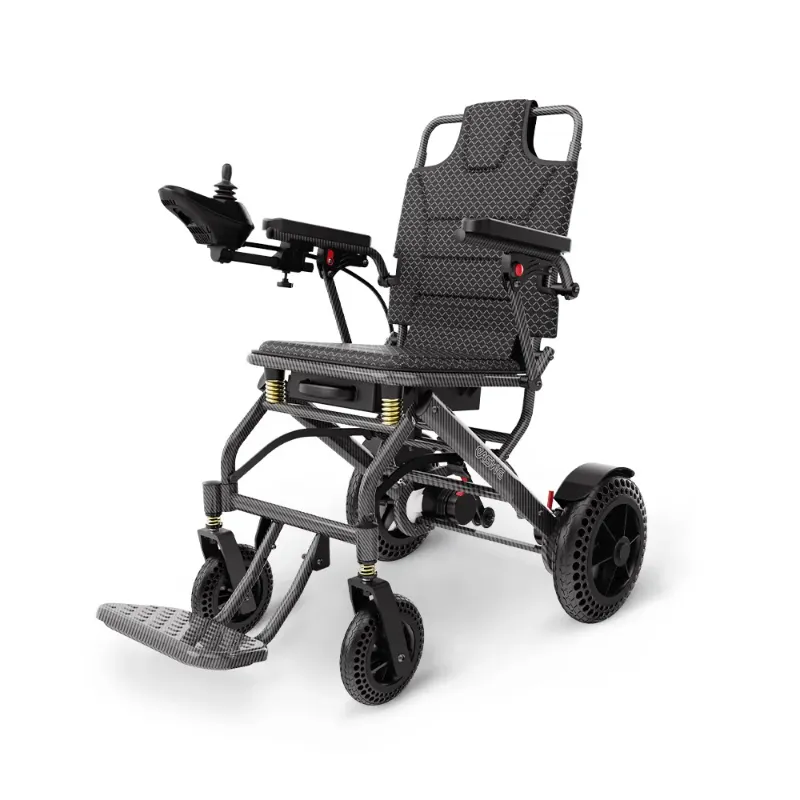
An electric wheelchair and a power wheelchair refer to the same mobility device, battery-operated chairs designed to provide independence without manual propulsion. The terms are used interchangeably across the industry, so when you’re shopping for a power wheelchair or browsing electric wheelchair options, you’re looking at the same category of motorized mobility aid. Understanding what features matter most will help you choose the right model for your lifestyle.
Why Two Names for the Same Device?
The dual terminology stems from marketing preferences and regional usage rather than technical distinctions. Manufacturers and retailers use both “electric” and “power” to describe battery-driven wheelchairs, and you’ll find both terms on product pages, insurance forms, and medical prescriptions. The Jazzy ® Power Chair is more than an electric wheelchair: it’s a prime example of how brands lean into “power chair” branding while the device itself remains an electric-powered mobility solution.
In practice, whether you search for an electric wheelchair for sale or a power chair, you’ll encounter the same range of features: joystick controls, rechargeable batteries, adjustable seating, and weight capacities tailored to different users. The real differences lie in specific models and their configurations, not in the “electric” versus “power” label.
Key Features That Actually Matter When Choosing
Once you understand that the names are identical, focus on the specifications that impact your daily use:
- Battery range: Most models offer 10 to 25 miles per charge; choose based on your typical daily travel distance
- Weight capacity: Standard chairs support 250 to 300 pounds, while bariatric models handle 400+ pounds
- Portability: An electric wheelchair foldable design is essential if you travel frequently or need to store the chair in a vehicle
- Indoor vs outdoor use: Smaller wheels and tighter turning radius suit indoor navigation, while larger wheels and suspension handle outdoor terrain
- Control placement: Joystick position (left, right, or center-mount) should match your dominant hand and range of motion
If you’re considering an electric wheelchair rental before committing to a purchase, you can test these features in real-world conditions. We recommend trying both indoor maneuverability and outdoor stability during a rental period.
Rental vs Purchase: Which Route Makes Sense?
Renting makes sense for short-term recovery, travel, or trial periods before buying. Many people start with motorized wheelchair rentals to determine which features they truly need. Rent a power chair for a week or month, and you’ll quickly learn whether you need extra cushioning, a higher weight capacity, or better battery life.
Purchasing becomes cost-effective when you need long-term daily use. Here’s a quick comparison:
| Need | Rental | Purchase |
|---|---|---|
| Post-surgery recovery (4 to 8 weeks) | Ideal | Expensive |
| Vacation or travel | Convenient | Unnecessary |
| Permanent mobility solution | Costly over time | Better value |
| Testing before buying | Smart | N/A |
For current rental rates and purchase pricing, check the latest offers from EASWE, where you can save $10 sitewide on both rentals and purchases.
Alternative Mobility Options: Electric Scooters
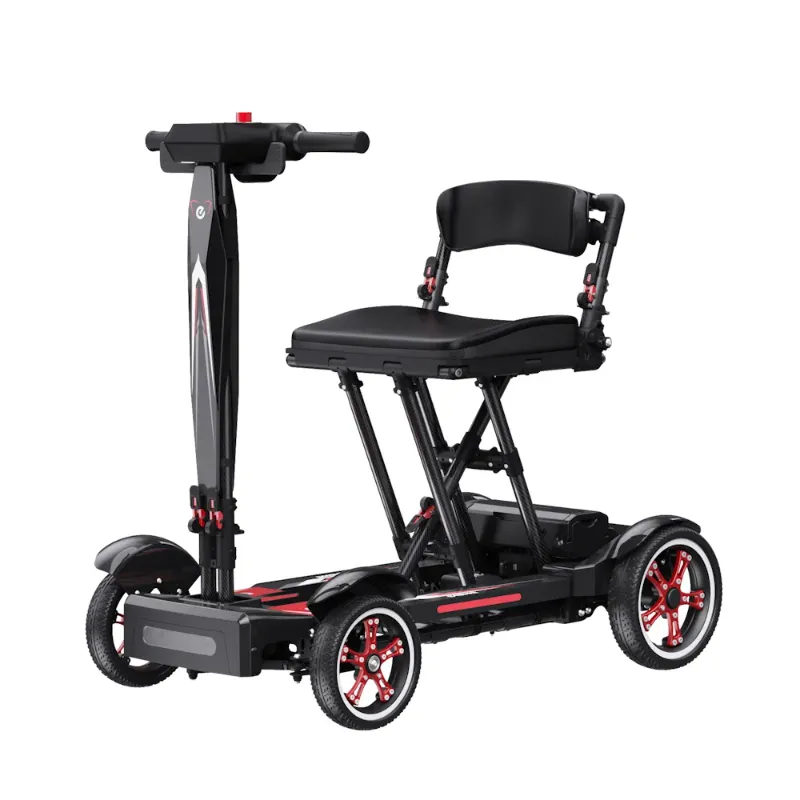
While electric wheelchairs provide full seating support for users with limited mobility, electric scooters suit those who can stand and transfer independently but need help with longer distances. A carbon fiber electric scooter weighs significantly less than a traditional power chair and folds more compactly, making it a strong travel companion.
The key distinction: wheelchairs offer better postural support and accommodate users who cannot sit unsupported for extended periods, while scooters require core stability and the ability to step on and off. If you’re debating between an electric wheelchair scooter hybrid and a dedicated chair, consider whether you need continuous seated support or just distance assistance.
Finding Used Electric Wheelchairs and Budget Options
Many buyers search for used electric wheelchairs for free through community programs, Medicaid equipment exchanges, or nonprofit mobility banks. While free options exist, availability varies widely by location, and you may wait months for a suitable match. Inspect any used chair for battery health, motor function, and frame integrity before accepting.
If you’re looking for budget-friendly new options, search for electric wheelchair near me retailers who offer financing or work with insurance providers. Many suppliers coordinate directly with Medicare or private insurers to reduce out-of-pocket costs. Grab the code from our EASWE coupon page to apply an additional discount on eligible models.
How to Choose the Right Model for Your Needs
Start by assessing your daily environment and physical requirements:
- Indoor-focused users: Prioritize tight turning radius (under 24 inches) and narrower width for doorways
- Outdoor enthusiasts: Look for suspension, larger wheels (10+ inches), and all-terrain tires
- Travelers: Choose foldable or disassemble-friendly designs with airline-approved batteries
- Full-time users: Invest in premium cushioning, adjustable armrests, and extended battery life
Consult with a physical or occupational therapist if you have specific postural or pressure-relief needs. Insurance coverage often requires a therapist’s evaluation before approval, and their input ensures you select a chair that matches your medical requirements.
Most Best Power Wheelchair: Shop for Wheelchairs, Mobility… retailers offer in-home trials or showroom test drives. Take advantage of these opportunities to compare joystick responsiveness, seat comfort, and control sensitivity before making a final decision.
Questions
Is there any difference between a power wheelchair and an electric wheelchair?
No, power wheelchair and electric wheelchair are two names for the same device. Both terms describe battery-operated mobility chairs with joystick controls, and manufacturers use the names interchangeably.
Can I rent an electric wheelchair before buying one?
Yes, most mobility equipment suppliers offer short-term rentals for electric wheelchairs. Renting lets you test features like battery range, seating comfort, and maneuverability before committing to a purchase.
How do I find a foldable electric wheelchair for travel?
Look for models labeled as portable, travel-friendly, or foldable in product specs. These chairs typically weigh under 60 pounds, disassemble into 2 to 3 pieces, and feature airline-approved lithium batteries.
What should I check when buying a used electric wheelchair?
Inspect the battery charge capacity, test the motor and brakes, check the frame for cracks or rust, and ensure the joystick responds smoothly. Always request maintenance records if available.
Does insurance cover electric wheelchair rentals?
Coverage depends on your plan and medical necessity. Medicare Part B covers power wheelchairs when prescribed by a doctor and obtained from an approved supplier, but rental coverage rules vary by insurer.
Can I use an electric wheelchair outdoors on rough terrain?
Yes, if you choose a model with suspension, larger wheels, and all-terrain tires. Indoor-focused chairs with small casters struggle on gravel or grass, so match the chair's specs to your environment.
Products in this guide
Shopping at EASWE? See the coupon code
$10 OFF Sitewide
More in this series
Troubleshooting Common Power Wheelchair Battery Issues and Solutions18 Aug 20265 minCan You Fly With an Electric Wheelchair? TSA Rules and Airline Policies18 Aug 20265 minWhat to Look for When Renting a Power Chair for the First Time18 Aug 20265 minHow Long Do Carbon Fiber Electric Scooters Last With Daily Use?18 Aug 20265 minHow to Rent a Motorized Wheelchair: What You Need to Know Before Your Trip18 Aug 20267 min