 A EASWE guide
Can You Fly With an Electric Wheelchair? TSA Rules and Airline Policies
Yes, you can fly with an electric wheelchair on all U.S. airlines, but TSA battery rules and advance notification requirements apply.
Yes, you can fly with an electric wheelchair on all U.S. airlines under the Air Carrier Access Act, which requires carriers to accommodate passengers with disabilities at no extra charge. However, TSA battery regulations and airline advance-notification policies mean preparation is essential to avoid gate delays or denied boarding.
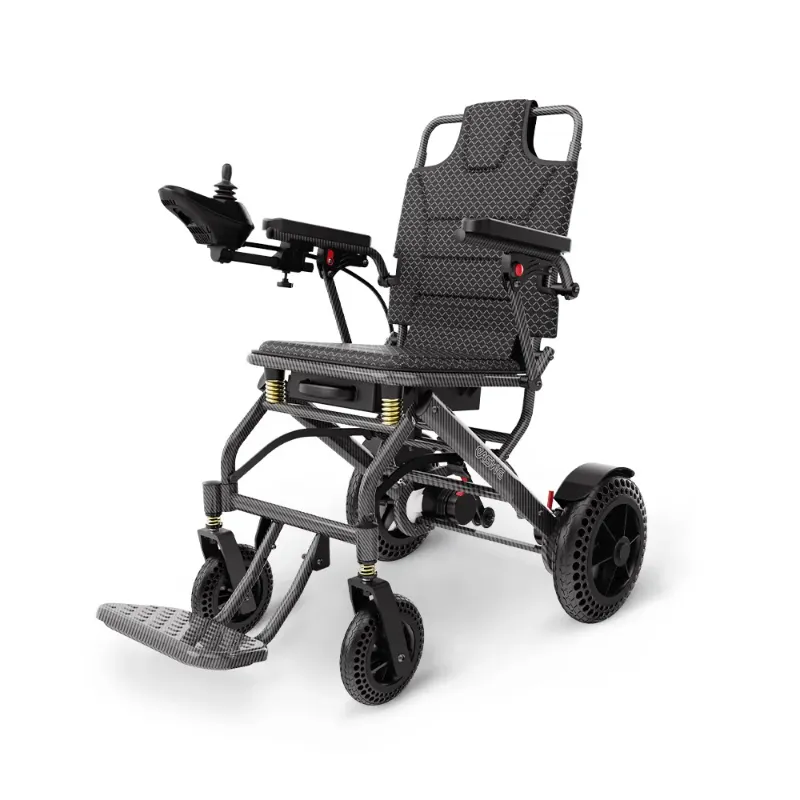
This guide walks you through TSA battery rules, airline notification deadlines, gate-check procedures, and packing strategies so you can travel confidently with your power wheelchair or electric wheelchair.
TSA Battery Rules for Electric Wheelchairs
The Transportation Security Administration allows electric wheelchairs in cargo holds, but battery type determines how your chair must be packed and documented. Lithium-ion batteries under 300 watt-hours are permitted if the battery is securely installed or, when removable, carried in the cabin and protected from short circuits. Spillable wet-cell batteries require the chair to be loaded upright or the battery disconnected and separately packaged in a leak-proof container.
Non-spillable (gel or AGM) batteries are the simplest to fly with because they can remain installed and the chair can be stowed in any position. Always carry your battery specifications (watt-hour rating, type, and manufacturer documentation) in both printed and digital form. TSA agents and airline staff will ask for these details at check-in and the gate.
If you’re traveling short-term and want to avoid battery paperwork altogether, consider motorized wheelchair rentals or a rent a power chair service at your destination. Many airports and hotels now partner with rental providers who deliver directly to baggage claim.
Airline Notification and Documentation Requirements
Most U.S. carriers require 48-hour advance notice when checking a battery-powered wheelchair, though some accept 24-hour notice. Call the airline’s disability desk (not the general reservations line) and provide your chair’s make, model, battery type, watt-hours, weight, and dimensions. Ask for a confirmation number and the name of the representative you spoke with.
At check-in, you’ll complete a hazardous materials form that describes the battery. Gate agents will tag your chair with “This Side Up” or “Battery Disconnected” labels depending on your battery type. If you’re using a foldable electric wheelchair model, demonstrate the folding and battery-removal process to ground crew so they handle it correctly.
Airlines are legally required to accept your wheelchair even if you miss the notification window, but late notice increases the risk of delays while staff locate proper packaging materials and cargo space. For current pricing on rental options that skip this process entirely, check the latest deals on short-term wheelchair electric rental.
Gate-Check Process and Protecting Your Chair
You’ll use your wheelchair all the way to the aircraft door, where ground crew will transfer you to an aisle chair (a narrow manual wheelchair) for boarding. Your power chair is then tagged, documented, and loaded into the cargo hold. Request that staff not stack luggage on top of your chair and ask them to note “Fragile Medical Device” on the tag.
Remove or secure any detachable components (headrests, cushions, joystick covers, cup holders) before handing over the chair. We recommend wrapping the joystick and control panel in bubble wrap and taping a laminated instruction card to the armrest that shows how to disengage the brakes and activate freewheel mode. Take photos of your chair before check-in as documentation in case of damage.
At your destination, your wheelchair is delivered to the jet bridge or gate (not baggage claim) so you can transfer directly back into it. Inspect the chair immediately and report any damage to the gate agent before leaving the area, because airline liability claims require same-day filing.
Renting vs. Traveling With Your Own Power Wheelchair
Frequent flyers often weigh the convenience of traveling with their own chair against the risk of damage and battery compliance hassles. If you fly more than twice a year, investing in a lightweight electric wheelchair foldable model with airline-friendly lithium batteries under 300Wh simplifies the process. The Jazzy ® Power Chair is more than an electric wheelchair and offers TSA-compliant battery options designed for air travel.
For occasional trips or international flights with stricter battery rules, renting at your destination eliminates cargo risk entirely. Many travelers book a wheelchair electric rental in advance and have it waiting at the hotel, then use the airline’s manual wheelchair for the flight itself. This hybrid approach works especially well for cruise departures, theme park vacations, or multi-city tours where your own chair’s battery might not hold a charge across long days.
Compare the total cost of potential airline damage (deductibles, repair downtime, loaner fees) against short-term rental rates. If you’re shopping for a travel-ready chair, grab the discount code for $10 off sitewide at EASWE, which stocks both purchase and rental inventory.
International Travel and Country-Specific Battery Restrictions
Flying outside the U.S. adds a layer of complexity because not all countries follow TSA battery limits. The European Union caps lithium batteries at 160Wh in cargo unless the airline grants a special exemption, and some Asian carriers require battery removal and hand-carry regardless of watt-hours. Always contact the foreign carrier’s disability assistance desk at least one week before departure and confirm battery limits in writing.
If your chair exceeds the destination country’s limits, you have three options: ship the chair via a medical-device courier that handles dangerous goods paperwork, rent a compliant chair at your destination, or swap your existing battery for a lower-capacity travel battery before the trip. Some manufacturers sell TSA-compliant travel battery packs specifically for this purpose.
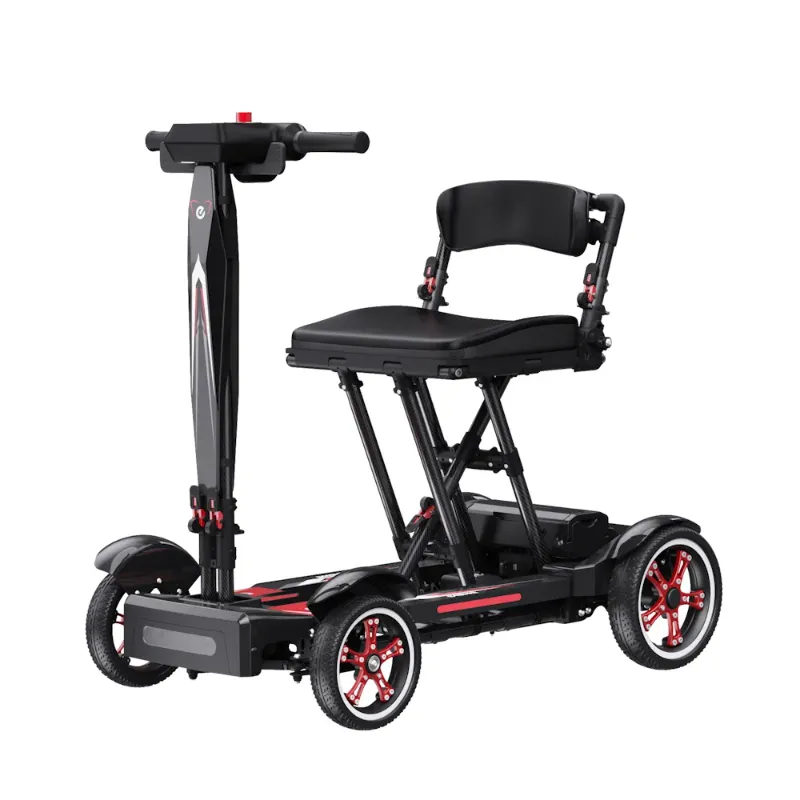
For travelers exploring electric mobility options beyond wheelchairs, a carbon fiber electric scooter may be a lighter, more airline-friendly alternative for short trips where full wheelchair support isn’t required. However, scooters rarely qualify for the same Air Carrier Access Act protections, so you’ll pay oversized baggage fees and handle stricter battery documentation.
What to Do If the Airline Damages Your Chair
Airlines are liable for damage to mobility devices under federal law, but the claims process requires immediate action. At the gate, photograph any new scratches, bent frames, disconnected wires, or battery housing damage. Fill out a Property Irregularity Report (PIR) before leaving the airport and request a copy.
Contact the airline’s disability complaint resolution office within 24 hours and send your pre-flight photos, the PIR number, and a repair estimate from an authorized dealer. Airlines must provide a loaner wheelchair if yours is unusable, though the loaner is often a basic manual chair. If the airline delays or denies your claim, file a complaint with the U.S. Department of Transportation Aviation Consumer Protection division, which tracks airline disability performance.
For high-value custom chairs, consider third-party travel insurance that covers mobility devices, because airline maximum liability is capped and may not cover full replacement cost. Some travelers who fly frequently keep a backup electric wheelchair for sale locally as a loaner and ship their primary chair separately via FedEx, which offers better tracking and handling than airline cargo.
Questions
Can I fly with a lithium battery electric wheelchair?
Yes, if the lithium battery is under 300 watt-hours and securely installed or protected from short circuits when removed. Always carry the battery spec sheet and notify the airline 48 hours in advance.
Do airlines charge extra to check a power wheelchair?
No, U.S. airlines cannot charge fees to check mobility devices under the Air Carrier Access Act. Your wheelchair is transported free of charge as assistive equipment.
What happens if my electric wheelchair is too heavy for the plane?
Airlines must accommodate your wheelchair regardless of weight. They may need to rearrange cargo or remove other baggage, but they cannot deny boarding due to wheelchair weight alone.
Should I rent a wheelchair at my destination instead of flying with mine?
Renting eliminates damage risk and battery paperwork, especially for international flights or short trips. Compare rental costs against potential airline damage and your chair's repairability.
How do I prove my wheelchair was damaged by the airline?
Take photos before check-in and immediately upon retrieval. Report damage to the gate agent before leaving the airport and file a Property Irregularity Report the same day.
Can I use my power wheelchair in the airport terminal?
Yes, you can use your electric wheelchair throughout the airport until you reach the aircraft door, where you'll transfer to an aisle chair for boarding. You'll get your chair back at the gate upon arrival.
Products in this guide
Shopping at EASWE? See the coupon code
$10 OFF Sitewide
More in this series
Troubleshooting Common Power Wheelchair Battery Issues and Solutions18 Aug 20265 minWhat to Look for When Renting a Power Chair for the First Time18 Aug 20265 minHow Long Do Carbon Fiber Electric Scooters Last With Daily Use?18 Aug 20265 minPower Wheelchair vs Electric Wheelchair: Understanding the Key Differences18 Aug 20264 minHow to Rent a Motorized Wheelchair: What You Need to Know Before Your Trip18 Aug 20267 min