 A EASWE guide
How to Rent a Motorized Wheelchair: What You Need to Know Before Your Trip
Motorized wheelchair rentals give you independence during travel, recovery, or temporary mobility challenges without the upfront cost of buying equipment.
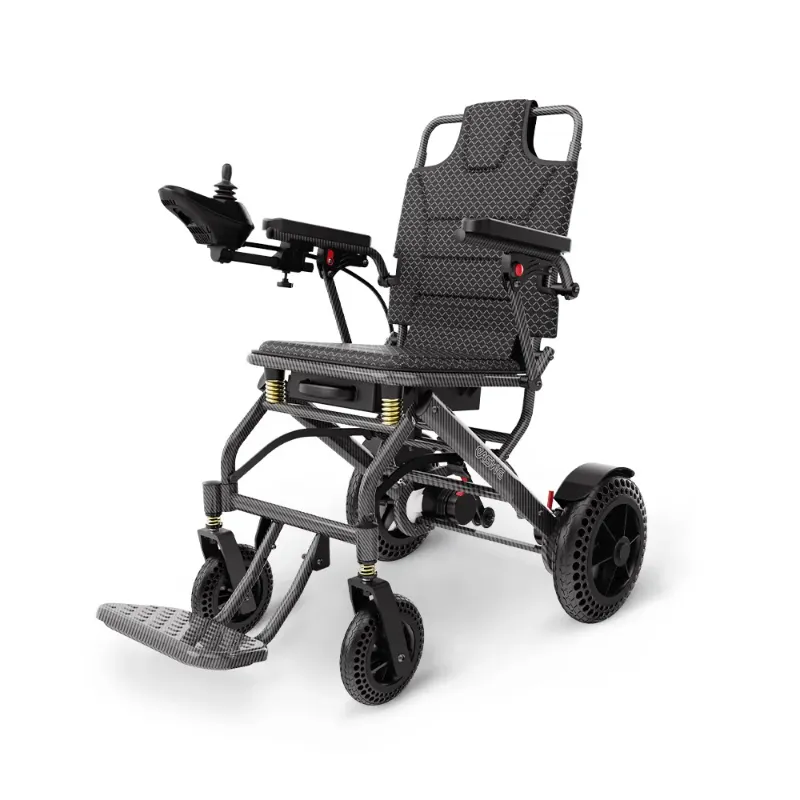
Motorized wheelchair rentals provide a practical solution when you need temporary mobility support for travel, post-surgery recovery, or visiting family. Instead of purchasing an electric wheelchair outright, renting lets you access the equipment you need for days, weeks, or months at a fraction of the cost. Whether you’re planning a vacation, recovering from an injury, or helping a visiting relative get around, understanding the rental process helps you choose the right equipment and avoid surprises.
What Types of Motorized Wheelchairs Can You Rent
Rental providers typically offer three main categories of powered mobility equipment, each suited to different needs and environments.
Power wheelchairs are the most robust option, designed for all-day use indoors and outdoors. These full-size units feature joystick controls, cushioned seating, and enough battery capacity for extended outings. A rent a power chair option works well for users who need maximum stability and comfort, especially if you’ll be spending most of the day seated.
Foldable electric wheelchairs combine portability with powered assistance. These lighter models fold for transport in a car trunk or airplane cargo hold, making them ideal for travelers. If you’re flying to a destination and need mobility support on arrival, a wheelchair electric rental in the foldable category simplifies logistics.
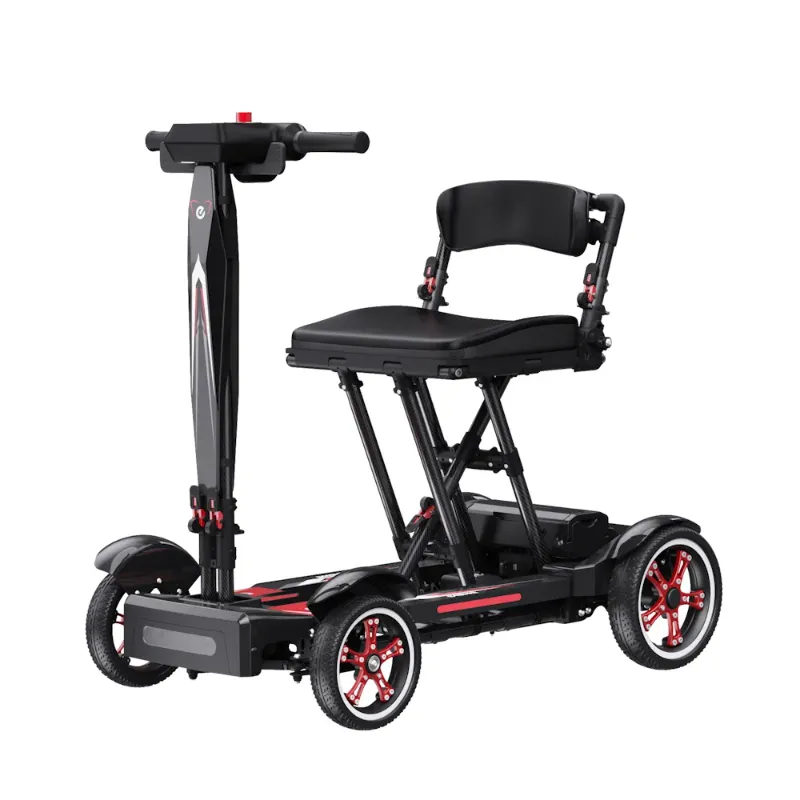
Mobility scooters offer an alternative for users who can transfer independently but struggle with walking distances. Three-wheel and four-wheel scooters handle outdoor terrain well, and some rental companies stock carbon fiber electric scooters that weigh less and charge faster than traditional models. If you’re searching for a mobility scooter rental near me or a foldable mobility scooter rental, these options bridge the gap between wheelchairs and walking aids.
Many national providers like Scootaround maintain rental fleets across multiple cities, while regional suppliers such as Access Medical Equipment focus on specific metro areas with personalized service.
How Much Does It Cost to Rent a Mobility Scooter or Power Wheelchair
Rental pricing varies by equipment type, rental duration, and delivery requirements. Most companies use tiered pricing that rewards longer rental periods.
| Duration | Daily Rate | Weekly Rate | Monthly Rate |
|---|---|---|---|
| Short-term (1-3 days) | $40 to $75 | – | – |
| Weekly rental | – | $150 to $300 | – |
| Monthly rental | – | – | $350 to $600 |
Power wheelchairs typically cost more than basic scooters due to their advanced seating systems and indoor maneuverability. Delivery fees add $25 to $100 each way depending on distance, though some providers waive delivery for weekly or monthly rentals. Insurance coverage varies; Medicare and Medicaid generally do not cover recreational or travel rentals, but they may cover rentals prescribed by a physician for recovery from surgery or illness.
To see current pricing and grab the discount code, check the rental provider’s website directly. Scootaround rental prices and similar national chains publish rate cards online, while local shops may require a phone quote.
What to Check Before You Book Motorized Wheelchair Rentals
Asking the right questions before you commit prevents frustration during your trip or recovery period.
Weight capacity and user fit matter more than most renters realize. Standard power wheelchairs accommodate users up to 250 to 300 pounds, but bariatric models extend that limit to 450 pounds or more. Seat width ranges from 18 to 24 inches; measure your hip width while seated and add two inches for comfort. If the rental feels cramped during a test sit, request a larger model.
Battery life and charging determine how far you can travel between charges. Most rental units run 8 to 15 miles per charge under typical use, but hilly terrain and heavier riders drain batteries faster. Confirm the charger is included and ask whether the rental company provides a backup battery for longer outings.
Delivery, setup, and pickup logistics vary widely. Some companies deliver to your hotel, cruise port, or home and provide a brief orientation on controls and safety features. Others require you to pick up equipment at a local branch. Clarify delivery windows, especially if you’re coordinating with flight arrivals or event schedules.
Insurance and damage policies protect both parties. Rental agreements typically include a damage waiver fee (around $5 to $15 per day) that limits your liability for normal wear and tear. Review what counts as excessive damage and whether your travel insurance or credit card covers rental equipment.
If you’re comparing options from motorized wheelchair rentals providers, ask whether they inspect and sanitize equipment between renters. Reputable companies follow protocols similar to those used by Lenox Medical Supply and other regional leaders.
Where to Find Free or Low-Cost Wheelchair Rentals
Some situations qualify for reduced-cost or no-cost mobility equipment, especially for medical recovery.
Hospital and rehab discharge programs often arrange short-term rentals through durable medical equipment (DME) suppliers as part of discharge planning. If your physician writes a prescription for a power wheelchair following surgery or an acute illness, Medicare Part B may cover 80 percent of the rental cost for up to 13 months, after which the equipment becomes yours.
Community loan programs maintained by churches, senior centers, and disability advocacy groups sometimes lend manual and power wheelchairs at no charge for a few weeks. These programs operate on limited inventory, so availability is inconsistent, but they’re worth investigating if you need a free wheelchair rental near me for a relative’s visit or a brief recovery period.
Pharmacy and retail chains including CVS and Walgreens offer wheelchair rental, though most locations stock only manual wheelchairs. A CVS wheelchair rental typically costs $10 to $20 per week for a basic manual model, but motorized options are rarely available at retail pharmacies. For powered equipment, you’ll need a specialized DME provider.
Before you rent, check the latest pricing and promo codes to see if seasonal discounts apply.
How to Prepare Your Electric Wheelchair for Travel
Once you’ve reserved your rental, a few preparation steps ensure smooth delivery and safe use.
Confirm delivery details two to three days before your arrival. Provide the exact address, any gate codes or access instructions, and a contact phone number. If you’re staying at a hotel, notify the front desk that a mobility device delivery is scheduled and ask them to accept the equipment if you haven’t checked in yet.
Inspect the equipment on delivery before the technician leaves. Test the joystick responsiveness, check that the seat cushion is intact and clean, and verify the battery is fully charged. Sit in the chair and practice driving forward, backward, and turning in a small space. If anything feels off or doesn’t work, request an immediate replacement rather than troubleshooting mid-trip.
Understand the controls and safety features. Most power wheelchairs use a joystick mounted on the armrest; pushing forward accelerates, pulling back stops and reverses. A speed dial or turtle/rabbit toggle adjusts maximum speed, which is helpful in crowded areas. Locate the power switch, charging port, and battery gauge so you can monitor charge levels throughout the day.
Plan charging overnight. Power wheelchairs take 6 to 8 hours to fully charge from empty, so plug in each night even if the battery isn’t depleted. If you’ll be out all day, scout charging locations at your destination; many airports, theme parks, and convention centers offer accessible charging stations.
For longer trips or multi-city travel, some renters book an electric wheelchair at each destination rather than transporting a single unit. Airlines accept mobility devices as checked baggage at no charge, but rental equipment simplifies logistics if you’re visiting multiple locations.
Who Should Consider Renting Instead of Buying
Renting makes financial and practical sense in several common scenarios.
Temporary medical recovery after hip replacement, leg surgery, or a stroke often requires powered mobility for weeks or months while you regain strength. Buying a $2,000 to $5,000 power wheelchair for short-term use leaves you with expensive equipment to store or resell once you’ve healed.
Vacation and travel to destinations with extensive walking, such as theme parks, cruise ports, or large conferences, exhausts even able-bodied visitors. Renting a mobility scooter or power wheelchair for the duration of your trip lets you enjoy the experience without fatigue, then return the equipment when you fly home.
Visiting relatives who need mobility support during their stay benefit from a rental rather than expecting you to purchase and store equipment year-round. Many families rent a power chair for a week or two when elderly parents visit, then return it once the visit ends.
Trial before purchase helps users determine which style, size, and features they actually need. If you’re considering buying a power wheelchair but aren’t sure whether a mid-wheel or rear-wheel drive suits your lifestyle, renting a power chair for a month gives you real-world experience before committing thousands of dollars.
Renters who need equipment for more than three to four months should compare the cumulative rental cost against purchasing. If your need extends beyond six months, buying often becomes the more economical choice, and Medicare coverage shifts from rental to purchase after 13 months of continuous use.
To explore your options and see the current discount, visit the rental provider’s page and compare models, delivery areas, and rates for your specific dates.
Questions
How long can you rent a motorized wheelchair?
Most rental companies offer daily, weekly, and monthly rates, with some allowing rentals up to six months or longer. Longer rental periods typically come with discounted daily rates, and month-to-month renewals are common for recovery situations.
Do I need a prescription to rent a power wheelchair?
You do not need a prescription for a private-pay rental, especially for travel or short-term use. However, if you want insurance or Medicare to cover the rental cost, a physician's prescription is required.
Can I rent a power wheelchair for a cruise or airplane trip?
Yes, many rental companies deliver directly to cruise ports, airports, or hotels. Book at least two weeks in advance, provide your arrival details, and confirm the rental company services your destination city.
What happens if the rental wheelchair breaks during my trip?
Reputable rental companies provide a customer service number for technical support and will arrange a replacement or repair, often within 24 hours. Most rentals include a damage waiver that covers mechanical failures and normal wear.
Are mobility scooters easier to use than electric wheelchairs?
Mobility scooters require you to sit upright and steer with handlebars, which works well for users with good upper body strength and balance. Electric wheelchairs use joystick controls and offer better maneuverability indoors and on uneven surfaces, making them more versatile for varied environments.
How much does it cost to rent a mobility scooter for a week?
Weekly mobility scooter rentals typically range from $150 to $300, depending on the model and whether delivery is included. Power wheelchairs cost slightly more due to their advanced features and seating systems.
Products in this guide
Shopping at EASWE? See the coupon code
$10 OFF Sitewide
More in this series
Troubleshooting Common Power Wheelchair Battery Issues and Solutions18 Aug 20265 minCan You Fly With an Electric Wheelchair? TSA Rules and Airline Policies18 Aug 20265 minWhat to Look for When Renting a Power Chair for the First Time18 Aug 20265 minHow Long Do Carbon Fiber Electric Scooters Last With Daily Use?18 Aug 20265 minPower Wheelchair vs Electric Wheelchair: Understanding the Key Differences18 Aug 20264 min