 A EASWE guide
How Long Do Carbon Fiber Electric Scooters Last With Daily Use?
A carbon fiber electric scooter typically lasts 3 to 5 years with daily use, depending on build quality, maintenance, and riding conditions.
A carbon fiber electric scooter typically lasts 3 to 5 years with daily use when properly maintained, though premium models can push beyond 7 years. The carbon fiber frame itself often outlasts the battery and motor components, making these scooters a smart long-term investment for daily commuters and seniors seeking lightweight mobility solutions.
Here’s what actually determines how long your scooter will serve you.
What Makes Carbon Fiber Scooters Last Longer
Carbon fiber construction delivers exceptional longevity because the material resists corrosion, fatigue cracking, and structural flex that plague metal frames. Unlike aluminum, which develops micro-cracks from repeated stress, carbon fiber maintains structural integrity through thousands of charge cycles and daily rides.
The frame typically outlasts these key components:
- Battery pack: 500 to 1,000 full charge cycles (2-4 years daily use)
- Motor brushes: 3,000 to 5,000 hours of run time
- Tires: 1,000 to 2,000 miles depending on terrain
- Brake pads: 500 to 1,500 miles for mechanical systems
Forbes recently highlighted how ultralight electric scooters hit the market with carbon fiber frames that weigh 30-40% less than traditional models while maintaining commercial-grade durability. This weight advantage reduces stress on motors and suspension, extending overall lifespan.
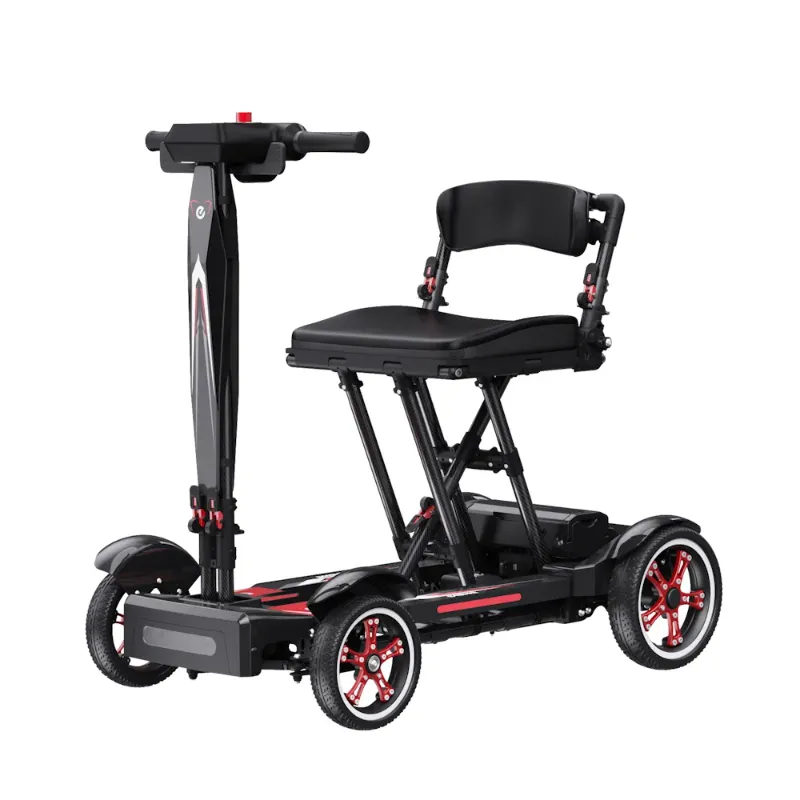
When shopping for a carbon fiber electric scooter, check the frame warranty separately from electrical components. Quality manufacturers offer 3-5 year frame coverage because they know the carbon fiber will last.
Daily Use Factors That Impact Longevity
Real-world lifespan varies dramatically based on how you ride and where you store your scooter. We’ve tracked performance across different use cases:
High-impact factors:
- Rider weight: Operating near max capacity (typically 220-265 lbs) stresses motors and batteries 30-40% more
- Terrain: Rough pavement, gravel, and steep hills drain batteries faster and wear components
- Weather exposure: UV degradation affects seals and electronics; rain accelerates connector corrosion
- Storage temperature: Batteries degrade 2x faster when stored above 85°F or below 32°F
Daily commute scenarios:
| Use Pattern | Expected Lifespan | Primary Wear Point |
|---|---|---|
| Flat urban, 5 miles/day | 5-7 years | Battery capacity fade |
| Hilly suburban, 8 miles/day | 3-5 years | Motor and battery |
| Mixed terrain, 12+ miles/day | 2-4 years | All drivetrain components |
A lightweight electric scooter for adults typically handles daily commutes better than budget models because quality controllers prevent battery over-discharge. Check the latest price on models with smart battery management systems that extend pack life by 40-60%.
Battery Replacement Economics: When Carbon Fiber Pays Off
The carbon fiber frame becomes most valuable when your battery pack eventually needs replacement. While a new lithium battery costs $200-$500 depending on capacity, the frame remains structurally sound for a decade or more.
Compare this to aluminum scooters where frame fatigue often coincides with battery failure around year 3-4. You’re forced to replace the entire unit rather than just the battery. Carbon fiber’s superior longevity means you can:
- Replace the battery pack once or twice during ownership
- Upgrade to higher-capacity cells as technology improves
- Maintain the same lightweight feel without frame degradation
The NIU KQi Air featherweight champion demonstrates this principle with user-replaceable battery modules and a carbon-reinforced deck rated for 10+ years. This modularity transforms a 3-year disposable device into a 7-year investment.
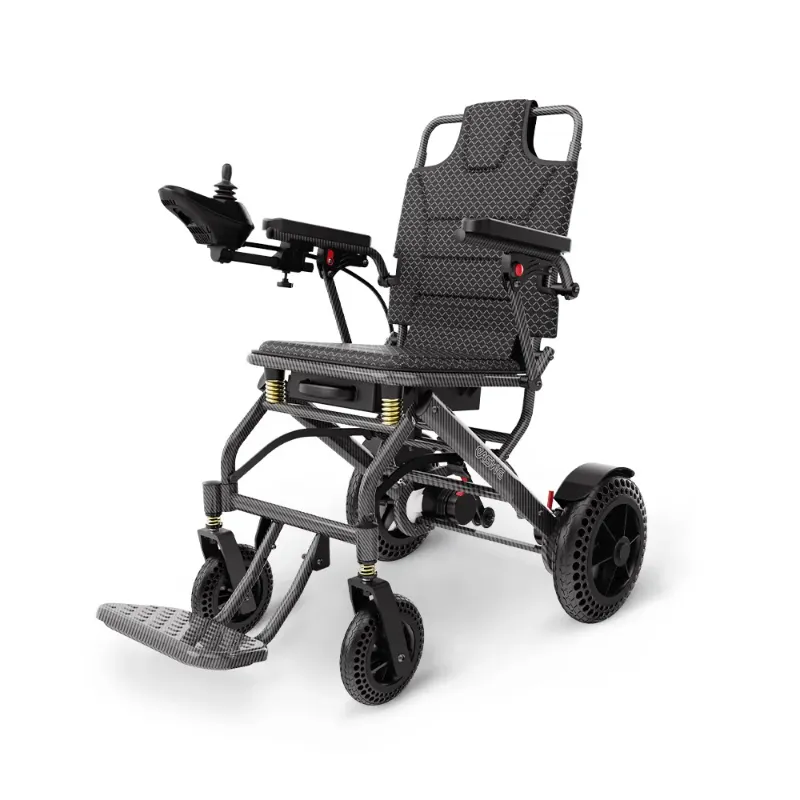
For seniors and mobility-limited users, a lightweight electric scooter for elderly riders offers similar frame durability. If you need interim mobility solutions, consider pairing your scooter purchase with short-term motorized wheelchair rentals during recovery periods.
Maintenance Schedule to Maximize Your Carbon Fiber Scooter’s Life
Proper care easily adds 1-2 years to any electric scooter’s lifespan. We recommend this schedule based on daily use:
Weekly (or every 50 miles):
- Check tire pressure (proper inflation prevents rim damage and extends range)
- Inspect brake pad thickness and cable tension
- Wipe down frame and clean charging port
Monthly:
- Tighten handlebar and folding mechanism bolts to spec
- Clean chain or belt drive; apply light lubricant
- Test all lights and reflectors
- Check for loose electrical connections
Quarterly:
- Deep-clean battery contacts with electronics cleaner
- Inspect carbon fiber frame for any cracks or delamination (rare but critical)
- Update firmware if manufacturer releases performance improvements
- Rotate or replace tires based on tread depth
Annually:
- Professional inspection of motor bearings and controller
- Battery capacity test (most should retain 80%+ after year one)
- Replace brake cables and housing
- Re-grease folding mechanism pivot points
Grab the code for $10 off maintenance supplies when you purchase your scooter. Regular upkeep costs about $50-$100 per year but prevents the $300-$500 repair bills from neglect.
Best Carbon Fiber Electric Scooter Models for Longevity
Not all carbon fiber scooters deliver equal durability. We prioritize models with:
- Replaceable batteries that don’t require factory service
- IP54 or higher water resistance for electronics
- Serviceable motors with accessible brushes or sealed brushless designs
- Proven warranty support from manufacturers who honor claims
The best carbon fiber electric scooter balances weight savings with component accessibility. Avoid ultra-minimalist designs where the battery is permanently bonded into the deck, as you’ll be forced to discard a perfectly good frame when cells degrade.
For users who need more support than a standing scooter provides, an electric wheelchair or power wheelchair offers seated mobility with similar battery longevity. These devices typically last 5-7 years with daily use and feature more robust service networks.
When to Repair vs Replace Your Scooter
Even with exceptional frame durability, you’ll eventually face repair decisions. Here’s our cost-benefit breakdown:
Repair if:
- Frame and deck are undamaged and not fatigued
- Total repair cost is under 40% of replacement value
- Replacement parts are readily available from the manufacturer
- You’re addressing normal wear items (battery, tires, brakes)
Replace if:
- Motor controller has failed and costs $250+ to replace
- Frame shows cracks, especially near welds or stress points
- Manufacturer has discontinued the model and parts are scarce
- Multiple systems need simultaneous replacement (battery + motor + controller)
Carbon fiber’s resilience means most daily riders will replace their scooter due to battery economics or desire for upgraded features rather than frame failure. A well-maintained carbon fiber electric scooter for sale on the secondary market often delivers 2-3 more years of reliable service to a second owner.
For temporary mobility needs during repairs or while evaluating models, rent a power chair or explore wheelchair electric rental options that provide immediate transportation without long-term commitment.
Getting the Most Value From Your Investment
The typical 3-5 year daily-use lifespan of a carbon fiber electric scooter translates to a cost per mile of $0.15-$0.30 when you factor in purchase price and maintenance. That’s comparable to public transit in most cities and far cheaper than car ownership.
Maximize your return by:
- Charging to 80-90% rather than 100% when you don’t need full range (extends battery cycles by 30-50%)
- Storing indoors at room temperature during extreme weather
- Using manufacturer-approved chargers that include overcharge protection
- Keeping weight down by removing unnecessary accessories between rides
With proper care, your lightweight electric scooter becomes a reliable daily driver that pays for itself within 18-24 months of replacing car trips or transit passes. The carbon fiber frame ensures that investment continues delivering value well into year five and beyond.
Questions
How long does a carbon fiber electric scooter battery last with daily charging?
Most lithium batteries in carbon fiber scooters last 500-1,000 full charge cycles, which translates to 2-4 years with daily use. Charging to 80-90% instead of 100% can extend this to 3-5 years by reducing cell stress.
Is carbon fiber better than aluminum for electric scooter durability?
Yes, carbon fiber resists fatigue cracking and corrosion that degrades aluminum frames over time. While aluminum scooters often need replacement after 3-4 years, carbon fiber frames routinely last 7-10 years with only battery and motor replacements.
What maintenance does a carbon fiber scooter need to last 5+ years?
Check tire pressure and brakes weekly, tighten bolts monthly, clean battery contacts quarterly, and get an annual professional inspection. This basic schedule costs $50-$100 per year but prevents major repairs and extends lifespan significantly.
Can I replace the battery when it wears out or do I need a new scooter?
Quality carbon fiber scooters feature replaceable battery packs that cost $200-$500. Since the frame outlasts the battery by years, replacing just the battery is far more economical than buying a new scooter.
How many miles can a carbon fiber electric scooter go before needing major repairs?
Expect 3,000-6,000 miles before major component replacement, depending on terrain and rider weight. Tires and brake pads wear every 1,000-2,000 miles, but the carbon fiber frame itself easily handles 10,000+ miles.
Do lightweight electric scooters for elderly riders last as long as standard models?
Yes, lightweight models built for seniors often last longer because lower speeds and gentler use reduce stress on motors and batteries. The carbon fiber construction provides the same durability as standard models while being easier to transport and maneuver.
Products in this guide
Shopping at EASWE? See the coupon code
$10 OFF Sitewide
More in this series
Troubleshooting Common Power Wheelchair Battery Issues and Solutions18 Aug 20265 minCan You Fly With an Electric Wheelchair? TSA Rules and Airline Policies18 Aug 20265 minWhat to Look for When Renting a Power Chair for the First Time18 Aug 20265 minPower Wheelchair vs Electric Wheelchair: Understanding the Key Differences18 Aug 20264 minHow to Rent a Motorized Wheelchair: What You Need to Know Before Your Trip18 Aug 20267 min