 A Metalkitor guide
Troubleshooting Common Issues with Toyan Engine Kits: Starting Problems and Tuning Solutions
A toyan engine that won't start or run smoothly usually needs carburetor adjustment, correct fuel mixture, or spark plug maintenance.
A toyan engine that won’t start or run smoothly typically points to carburetor settings, fuel mixture ratios, or ignition timing that need adjustment.
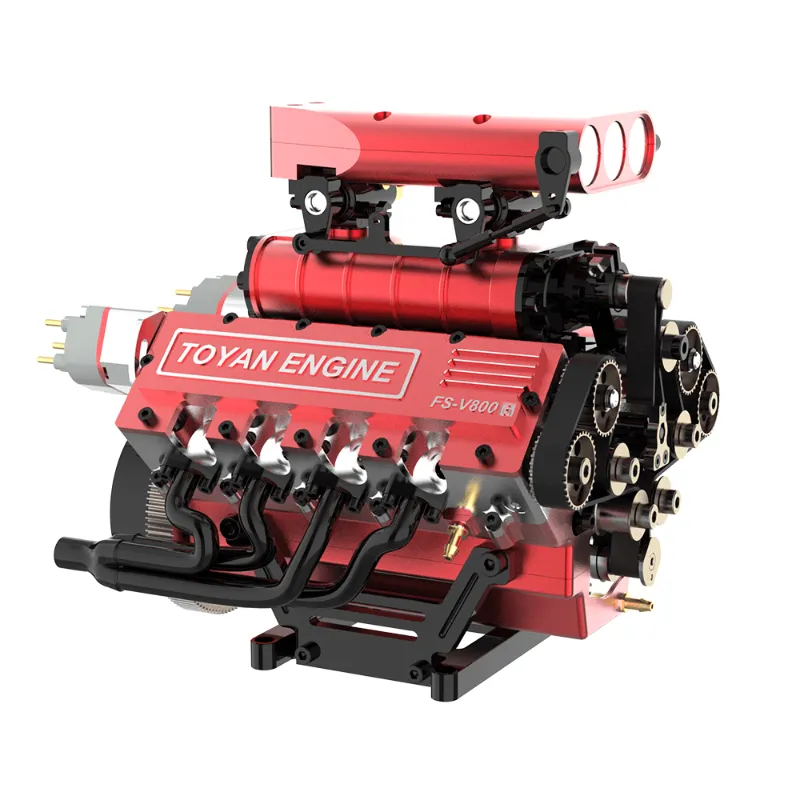
Whether you’re running a toyan engine kit for the first time or troubleshooting a toyan v8 engine that suddenly lost power, this guide walks through the most common starting problems and tuning solutions we see in our workshop. Most fixes take under 20 minutes once you know where to look.
Why Your Toyan Engine Won’t Start
The majority of no-start conditions trace back to three systems: fuel delivery, spark generation, and compression. Before you disassemble anything, verify these basics in order.
Check fuel flow first. Remove the fuel line at the carburetor and crank the engine. If fuel doesn’t flow freely, inspect the tank vent, filter, and line for blockages. Many toyan engines ship with protective plugs in the fuel fittings that builders forget to remove.
Test for spark. Ground the spark plug against the engine block and turn the flywheel. You should see a bright blue spark at the gap. Weak orange sparks or no spark at all means checking the plug gap (typically 0.6 to 0.8 mm for most Toyan models), magneto air gap, and plug condition. Carbon-fouled plugs from rich running are a frequent culprit.
Confirm compression. Place your thumb over the spark plug hole and rotate the engine. You should feel strong resistance as the piston reaches top dead center. If compression feels weak, check the piston ring orientation and cylinder head gasket seating. The official Toyan engine documentation includes torque specs for head bolts that prevent leak-down.
Low-quality fuel is another common denominator. Use fresh gasoline with the correct oil ratio (typically 25:1 for break-in, 30:1 after). Old fuel separates and gums up carburetor jets within weeks.
Carburetor Tuning for Smooth Running
Once your engine fires, fine-tuning the carburetor transforms rough idling into smooth operation. The process is methodical, not mysterious.
Start with baseline settings. Most Toyan carburetors use two adjustment needles: a low-speed mixture screw and a high-speed needle valve. Begin with both at the manufacturer’s recommended turns out from fully closed (usually 1.5 turns for low-speed, 2 turns for high-speed).
Warm up before adjusting. Run the engine for 3 to 5 minutes at moderate throttle. Cold tuning leads to incorrect settings because fuel atomization and viscosity change with temperature.
Tune the low-speed circuit. At idle, turn the mixture screw in slowly until the engine starts to stumble, then back it out until rpm peaks. Go another 1/8 turn richer (counterclockwise) for reliability. The engine should idle steadily and accelerate without hesitation.
Adjust the high-speed needle. At full throttle, enriching the mixture (turning the needle out) cools the engine and produces a smoother, slightly lower-pitched sound. Leaning it (turning in) increases rpm and heat. For longevity, err on the slightly rich side. You’ll hear four-stroking (a burble) at full throttle that cleans up under load.
If you’re tuning a toyan v8 engine or other multi-cylinder model, expect the process to take longer. Synchronizing multiple carburetors requires balancing each cylinder’s contribution while monitoring exhaust gas temperature if possible.
For builders working with the toyan engine v8 supercharged variants, boost pressure adds another variable. Richen the mixture by approximately 1/4 turn compared to naturally aspirated settings to compensate for denser intake charge.
Fixing Poor Idle and Stalling Issues
An engine that starts but won’t idle or stalls during transitions usually suffers from air leaks, incorrect idle speed, or a clogged pilot jet.
- Hunt for air leaks. Spray starter fluid or WD-40 around carburetor gaskets, intake manifold joints, and crankcase seals while the engine idles. A sudden rpm change indicates a leak. Replace gaskets and use appropriate sealant on threaded fittings.
- Set idle speed mechanically. The throttle stop screw controls minimum throttle opening. Adjust it so the slide or butterfly barely cracks open. Too much initial opening prevents the idle circuit from functioning correctly.
- Clean the pilot jet. This tiny orifice feeds fuel at idle and low throttle. Remove it and blow through with compressed air or soak in carburetor cleaner. Never enlarge jets with wire or drill bits.
- Check throttle linkage. Binding or sticky throttle mechanisms cause erratic behavior that mimics fuel system problems. Lubricate pivot points and verify smooth return spring action.
Stalling during rapid throttle blips often means the accelerator pump (if equipped) isn’t delivering enough fuel to cover the lean moment when airflow suddenly increases. Some aftermarket carburetors allow adjusting pump stroke length.
Addressing Overheating and Power Loss
Engines that start and tune correctly but lose power or overheat after several minutes need attention to cooling, timing, or load matching.
Verify adequate cooling airflow. Four-stroke miniature engines like most Toyan models rely on fan-forced air over finned cylinders and heads. Ensure the fan blades aren’t damaged and that shrouding directs air across all fins. Operating a toyan engine on a static test stand without adequate cooling simulates prolonged uphill running.
Check ignition timing. Advanced timing increases power but raises combustion temperature. Retarded timing reduces heat but costs performance. Most Toyan magneto systems offer 1 to 2 mm of adjustment by loosening the stator plate. Consult your specific model’s manual for optimal static timing values.
Match load to displacement. Overpropped engines (too large a propeller or too heavy a vehicle) lug down and overheat. A toyan engine 4 cylinder or toyan engine v6 produces more torque than a single-cylinder FS-S100, but all have optimal operating ranges. If your engine can’t maintain target rpm under load, reduce propeller pitch or gear ratio.
Examine fuel quality again. Ethanol-blended pump gas absorbs moisture and has a shelf life measured in weeks. Switch to ethanol-free fuel or premixed two-stroke fuel (adjusting your oil ratio accordingly) for more consistent performance.
For builders interested in higher-displacement options, the toyan engine v12 and toyan engine 2jz replica models follow the same troubleshooting principles but distribute problems across more cylinders. Isolate which cylinder or bank is misbehaving by comparing exhaust temperatures or using an infrared thermometer.
Maintenance Schedule for Long-Term Reliability
Preventive maintenance keeps your engine running between major issues. After the initial break-in period (typically 2 to 3 tanks of fuel at varying loads), establish this routine:
- Every 5 hours: Check spark plug condition and gap, inspect fuel lines for cracks, verify carburetor mounting bolts are snug.
- Every 10 hours: Remove and clean the carburetor, replace the fuel filter, check valve clearances on overhead-valve models.
- Every 20 hours: Change the crankcase oil (if applicable to your model), inspect the magneto air gap, examine piston and cylinder wear through the exhaust port.
Keep a log of run time, throttle settings, and any performance changes. Patterns emerge that help you catch problems before catastrophic failure.
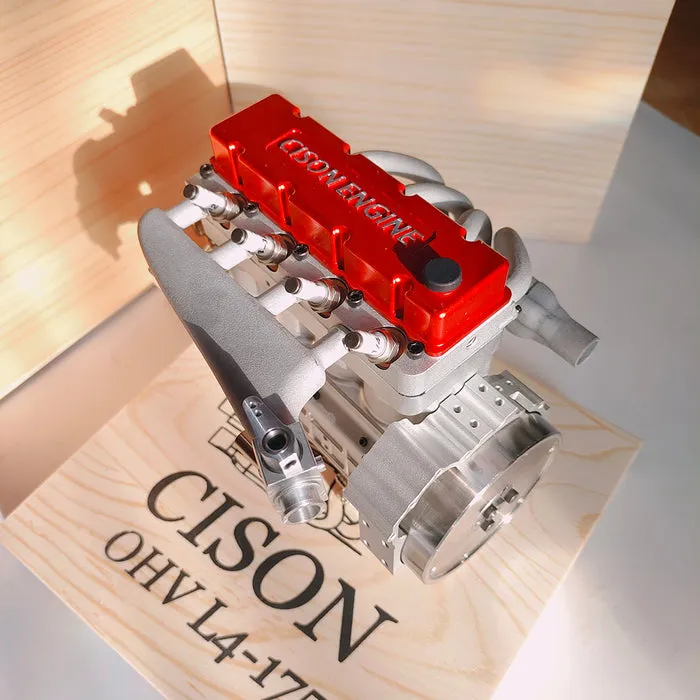
We maintain current pricing and our exclusive code on the Metalkitor discount code page, where you’ll also find deals on complementary builds like the cison engine and other precision metalworking kits.
Tools and Supplies Worth Having
You don’t need a machine shop to troubleshoot effectively, but a few specialized items make diagnosis faster:
- Tachometer: Digital photo tachs cost under $20 and eliminate guessing about rpm changes during tuning.
- Spark plug wrench: The correct deep-wall socket prevents ceramic insulator damage.
- Jet cleaning wire set: Sized specifically for carburetor passages, not makeshift alternatives.
- Fresh fuel in small batches: Buy or mix only what you’ll use in two weeks.
- Infrared thermometer: Spot-checks cylinder head temperature to verify cooling and mixture.

When ordering replacement parts or exploring related builds, check the latest pricing for the full range of miniature engine kits and metal craft projects. The current 12% sitewide offer applies to everything from engine components to complementary projects like the kuratis mech mechanical model.
With systematic diagnosis and proper adjustment, most starting and tuning issues resolve themselves quickly. The difference between a frustrating shelf ornament and a satisfying runner usually comes down to methodical attention to fuel, spark, and compression rather than expensive parts or expert-level machining.
Questions
Why does my toyan engine start but won't stay running?
An engine that starts and dies immediately usually has an idle mixture that's too lean, an air leak at the carburetor or intake gasket, or a clogged pilot jet. Check for air leaks first by spraying starter fluid around gaskets while cranking, then adjust the low-speed mixture screw richer by 1/4 turn increments.
What fuel mixture ratio should I use for break-in versus normal running?
Most Toyan engines recommend a 25:1 gasoline-to-oil ratio (richer) for the first 2 to 3 tanks during break-in, then 30:1 for normal operation. Always use fresh fuel and two-stroke oil rated for air-cooled engines.
How do I know if my carburetor is too rich or too lean?
A rich mixture produces excessive smoke, four-stroking (burbling) at full throttle, and sometimes wet, carbon-fouled spark plugs. A lean mixture causes overheating, loss of power under load, and a high-pitched scream at full throttle. For longevity, slightly rich is safer than lean.
Can I run my toyan v8 engine without a cooling fan?
No. Four-stroke miniature engines require forced air cooling to prevent overheating and seizure. The integrated fan directs air over the cylinder and head fins. Running without adequate airflow will damage the engine within minutes, especially under load.
What spark plug gap should I use for Toyan engines?
Most Toyan models specify a 0.6 to 0.8 mm spark plug gap. Check your specific engine's manual, as some high-compression or modified builds may require slightly different gaps for reliable ignition.
How often should I clean the carburetor on my engine kit?
Clean the carburetor every 10 hours of run time or whenever you notice hard starting, rough idling, or inconsistent throttle response. If you use ethanol-blended fuel, clean more frequently since ethanol accelerates varnish buildup in jets and passages.
Products in this guide
Shopping at Metalkitor? See the discount code
12% OFF Sitewide
More in this series
Metal Model Kits: Buy for the Display or the Build?18 Aug 20265 min What Makes the Centipede Lighter Crafting Process Worth the Build Time?18 Aug 20265 min
 Do Metal Puzzles Dull Over Time? Maintenance Tips for Puzzle Metalic and Similar Kits18 Aug 20264 minToyan vs Cison Model Engines: Which Brand Offers Better Performance and Value?18 Aug 20265 minHow to Assemble Your First Toyan V8 Engine18 Aug 20264 min